Introduction
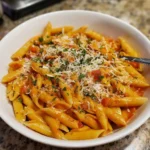
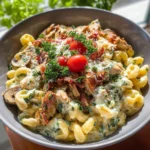
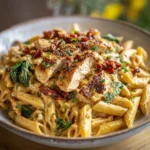
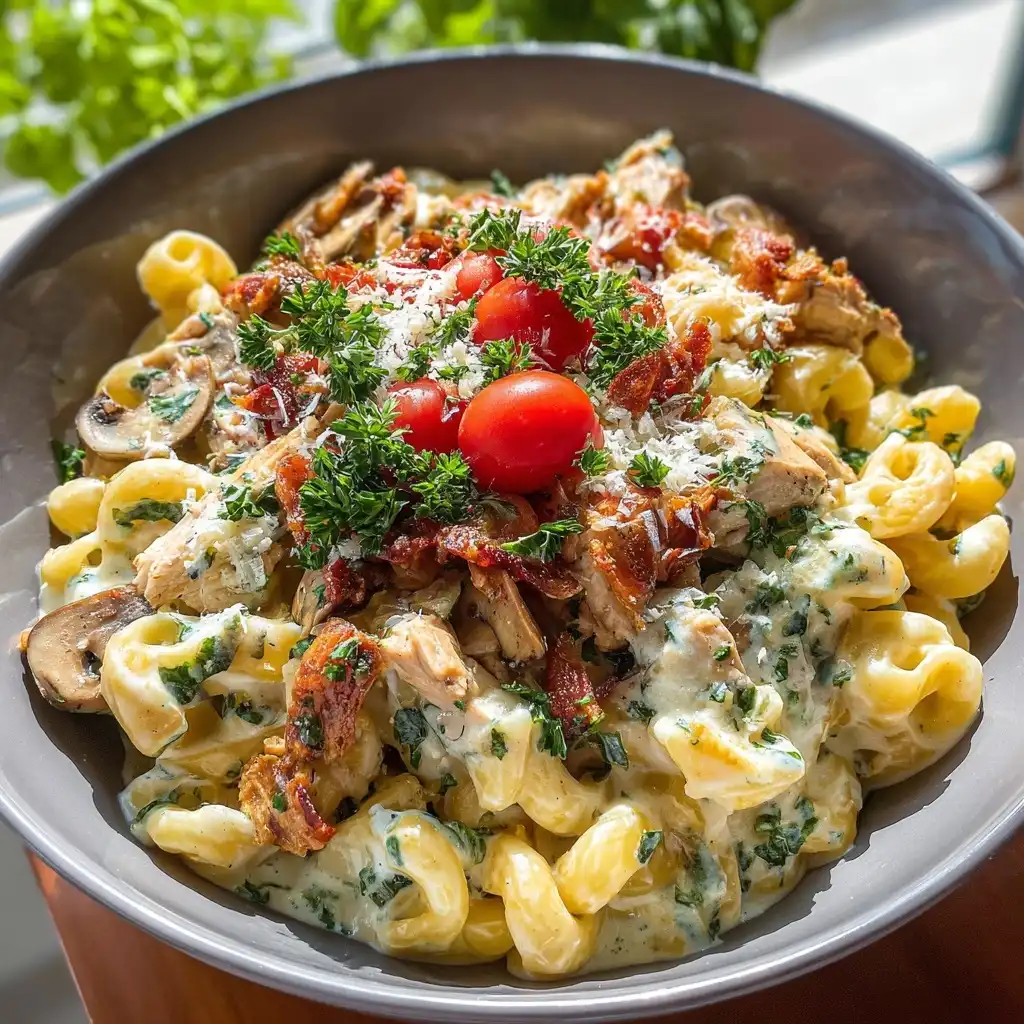
Prepare to fall in love—with your dinner! Marry Me Chicken Pasta isn’t just a whimsical name; it’s a culinary phenomenon that has captured hearts (and taste buds) across the country. This rich, creamy, savory-sweet, and herb-kissed dish features tender pan-seared chicken breasts nestled in a luscious sun-dried tomato and garlic Parmesan cream sauce, tossed with al dente pasta—often penne or fusilli—and finished with fresh basil, a final grating of cheese, and sometimes a whisper of lemon zest. Its irresistible balance of umami depth, gentle tang, aromatic herbs, and velvety texture makes it feel indulgent yet approachable—so much so that diners often jokingly declare, “Marry me!” after the first bite. More than just comfort food, it’s an experience: restaurant-worthy elegance made effortlessly at home, perfect for date nights, Sunday suppers, or impressing guests without spending hours in the kitchen.
The History
Though its exact origin remains deliciously elusive—like many viral recipes born from home kitchens and social media—the Marry Me Chicken Pasta legend began gaining traction around the early 2010s, with roots likely tracing back to American-Italian fusion home cooking traditions. Some food historians point to its conceptual kinship with classic Italian-American dishes like Pollo alla Parmigiana and Pasta alla Vodka, both of which share foundational elements: garlic-infused tomato richness, creamy dairy integration, and bold herb accents. However, Marry Me Chicken distinguishes itself through its uniquely balanced sauce profile—neither overly acidic nor cloyingly sweet—that harmonizes sun-dried tomatoes, heavy cream, garlic, and Parmesan into something greater than the sum of its parts. The name itself is widely believed to have originated organically from home cooks and food bloggers who posted photos online captioned “My husband said ‘Marry me!’ after tasting this,” which quickly went viral on platforms like Pinterest, Facebook groups, and later TikTok. By 2018–2019, it had become a bona fide internet sensation—appearing on major food network shows, featured in national publications like People and Good Housekeeping, and even inspiring copycat versions at chain restaurants. Its enduring popularity speaks to a deeper cultural moment: the desire for deeply flavorful, visually stunning, yet fundamentally simple meals that foster connection, romance, and joy around the table.
Ingredients Breakdown
Every extraordinary dish begins with intentionality—and Marry Me Chicken Pasta is no exception. Below is a meticulous, chef-informed breakdown of each ingredient’s role, sourcing notes, and functional purpose in building flavor, texture, and balance:
- Chicken Breasts (boneless, skinless): The protein foundation. Opt for uniform, 6–8 oz breasts (or cut thicker ones horizontally into cutlets) to ensure even cooking. Brining (15–30 minutes in 1 cup water + 1 tsp salt) enhances juiciness and seasoning penetration.
- Olive Oil & Unsalted Butter: A dynamic duo—olive oil withstands high-heat searing without burning, while butter adds nutty depth, richness, and emulsifying power to the sauce. Use high-quality extra-virgin olive oil for finishing, and European-style cultured butter for superior flavor.
- Garlic (fresh, minced): The aromatic backbone. Fresh cloves deliver pungent, floral, and slightly sweet notes that mellow beautifully when sautéed. Avoid jarred minced garlic—it lacks complexity and can taste metallic.
- Sun-Dried Tomatoes (oil-packed, chopped): The soul of the sauce. Oil-packed varieties are plumper, more flavorful, and contribute essential fat and acidity. Their concentrated sweetness, tang, and umami-rich intensity form the signature “wow” factor. Reserve 1–2 tbsp of the packing oil—it’s liquid gold for building flavor.
- All-Purpose Flour: Used for dredging chicken to create a golden crust and aid in thickening the sauce via a roux-like effect when cooked with aromatics.
- Dry White Wine (e.g., Pinot Grigio, Sauvignon Blanc): Adds brightness, cuts richness, and deglazes the pan to lift fond (caramelized bits)—unlocking deep, complex layers. Substitute with low-sodium chicken broth if avoiding alcohol, but add ½ tsp white wine vinegar for acidity.
- Low-Sodium Chicken Broth: Provides savory depth and body without overwhelming salt. Homemade or high-quality store-bought brands (like Swanson or Kitchen Basics) yield far better results than generic bouillon cubes.
- Heavy Cream (36–40% milk fat): The luxurious silkiness. Its high fat content ensures a stable, non-curdling sauce that clings perfectly to pasta. Do not substitute with half-and-half or milk—they lack structure and may break.
- Freshly Grated Parmesan Cheese (Parmigiano-Reggiano preferred): Not pre-grated! Authentic Parmigiano offers nutty, crystalline umami and melts smoothly into the sauce. Its natural enzymes and aging process contribute irreplaceable depth.
- Fresh Basil (whole leaves & chiffonade): Added at the end for vibrant, peppery-fresh aroma and color. Dried basil lacks nuance and turns bitter when heated.
- Red Pepper Flakes (optional but recommended): A subtle heat accent—not spicy, but warming. Toast lightly in oil before adding garlic to bloom their oils and enhance fruitiness.
- Salt & Freshly Ground Black Pepper: Season in layers—on chicken before cooking, in the sauce, and again at the finish—to build dimension and highlight all other flavors.
Step-by-Step Recipe
This method prioritizes precision, timing, and technique—ensuring restaurant-quality results every time. Total active time: ~45 minutes.
- Prep & Brine (15 min, optional but highly recommended): Place chicken breasts between two sheets of parchment paper and gently pound to ½-inch thickness. In a bowl, combine 1 cup cool water and 1 tsp kosher salt. Submerge chicken and refrigerate 15–30 minutes. Drain, pat *extremely* dry with paper towels—this is critical for browning.
- Dredge & Season: On a plate, mix ¼ cup all-purpose flour, 1 tsp garlic powder, ½ tsp onion powder, ½ tsp dried oregano, ½ tsp black pepper, and 1 tsp salt. Lightly coat each chicken breast, shaking off excess.
- Heat & Sear: In a large, heavy-bottomed skillet (stainless steel or cast iron preferred), heat 2 tbsp olive oil over medium-high heat until shimmering but not smoking (~375°F). Add chicken without crowding—work in batches if needed. Cook undisturbed 5–6 minutes per side, until deeply golden brown and internal temperature reaches 160°F. Transfer to a clean plate, tent loosely with foil, and rest 5 minutes (juices will reabsorb).
- Build the Aromatic Base: Reduce heat to medium. Add 1 tbsp butter and 1 tbsp reserved sun-dried tomato oil to the same skillet. Once butter foams, stir in 1 tsp red pepper flakes and toast 15 seconds. Add 4 minced garlic cloves and ¼ cup finely chopped sun-dried tomatoes; sauté 1 minute until fragrant—do not brown garlic.
- Deglaze & Simmer: Pour in ½ cup dry white wine, scraping vigorously with a wooden spoon to release all browned bits (fond). Simmer 2–3 minutes until reduced by half. Stir in 1 cup low-sodium chicken broth and bring to a gentle simmer.
- Emulsify the Sauce: Whisk in ¾ cup heavy cream in a slow, steady stream. Reduce heat to low. Simmer uncovered 5–7 minutes, stirring frequently, until sauce thickens enough to coat the back of a spoon (nappe consistency). It should bubble gently—not boil rapidly.
- Finish with Cheese & Herbs: Remove from heat. Gradually whisk in ½ cup freshly grated Parmesan until fully melted and glossy. Stir in juice of ½ lemon (brightens richness) and season with salt and pepper to taste. Fold in ¼ cup fresh basil chiffonade.
- Combine & Serve: While sauce simmers, cook 12 oz pasta (penne, fusilli, or casarecce recommended) in well-salted boiling water until 1 minute shy of package doneness (al dente). Reserve ½ cup starchy pasta water. Drain pasta, add directly to sauce along with rested chicken (slicing breasts if desired). Toss vigorously over low heat for 1–2 minutes, adding splashes of reserved pasta water as needed to create a silky, cohesive coating. Garnish generously with extra Parmesan, whole basil leaves, and a drizzle of high-quality olive oil.
Tips
- Dry Chicken is Golden: Excess moisture = steaming, not searing. Pat chicken *thoroughly*—even blot twice. For extra insurance, dust lightly with flour right before cooking.
- Don’t Skip the Rest: Letting chicken rest allows juices to redistribute. Cutting too soon releases them onto the plate—not into the meat.
- Sauce Consistency Control: If sauce thickens too much off-heat, loosen with warm pasta water—not cold water or plain broth. Starch helps bind the cream and cheese.
- Acid is Your Ally: That final squeeze of lemon juice isn’t optional—it lifts the entire dish, balancing fat and sweetness. Don’t add it too early; heat dulls its brightness.
- Low & Slow for Cream: Never boil heavy cream-based sauces. High heat causes separation and graininess. Maintain a bare simmer.
- Fresh Herbs Last: Stir in basil *after* removing from heat. Prolonged heat turns it dull and bitter.
- Toast Your Spices: Briefly toasting red pepper flakes (and even dried oregano, if using) in oil unlocks volatile oils and deepens flavor exponentially.
- Pasta Water is Magic: It’s salty, starchy, and hot—perfect for adjusting texture without diluting flavor. Always reserve it before draining.
- Use a Wide Skillet: Ensures maximum surface area for browning chicken and reducing sauce efficiently. Crowded pans steam instead of sear.
- Taste & Adjust Relentlessly: After adding cream, after cheese, after lemon—season in stages. Balance is built incrementally.
Variations and Customizations
Marry Me Chicken Pasta is gloriously adaptable—whether accommodating dietary needs, seasonal produce, pantry constraints, or adventurous palates. Here’s how to make it truly yours:
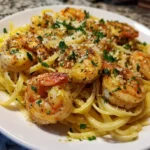
- Protein Swaps: Try boneless, skinless turkey cutlets (brine longer—45 min), thin-cut pork chops, or even large shrimp (add in last 2 minutes of sauce simmering). For vegetarian? Pan-sear halloumi or extra-firm tofu marinated in lemon-garlic-herb oil.
- Pasta Alternatives: Gluten-free penne (brown rice or lentil-based), chickpea pasta (higher protein/fiber), or zucchini noodles (“zoodles”) added raw at the very end for a low-carb version. Or go carb-free with roasted cauliflower florets or spaghetti squash.
- Sauce Twists:
- Roasted Red Pepper: Blend ½ cup roasted red peppers into the sauce for smoky sweetness.
- Spinach & Artichoke: Stir in 2 cups baby spinach and ½ cup quartered marinated artichoke hearts during final toss.
- Lemon-Herb Bright: Double lemon juice, add 1 tbsp lemon zest, and swap basil for 2 tbsp fresh dill + 1 tbsp chives.
- Spicy Arrabbiata Style: Increase red pepper flakes to 1½ tsp and add 1 tbsp tomato paste sautéed with garlic for deeper heat and body.
- Dietary Modifications:
- Dairy-Free: Replace butter with vegan butter, heavy cream with full-fat coconut milk (shake well), and Parmesan with nutritional yeast + ½ tsp white miso for umami. Add 1 tsp Dijon mustard for tang.
- Lower-Calorie: Use half-and-half *only if* simmered gently and thickened with a cornstarch slurry (1 tsp cornstarch + 1 tbsp cold water, stirred in at end). Boost volume with sautéed mushrooms or diced zucchini.
- Keto-Friendly: Skip pasta entirely. Serve over roasted broccoli rabe, creamy polenta, or shirataki noodles. Use full-fat everything and increase healthy fats (avocado garnish, extra olive oil drizzle).
- Seasonal Upgrades: In summer, fold in blistered cherry tomatoes and fresh oregano. In fall, add toasted pine nuts and caramelized shallots. In winter, stir in wilted kale and a splash of balsamic glaze.
- Gourmet Touches: Finish with flaky Maldon sea salt, micro basil, edible flowers, or a shaving of aged balsamic reduction. Top with crispy prosciutto bits for salty crunch.
Health Considerations and Nutritional Value
A single serving (approx. 1.5 cups pasta + 1 chicken breast) delivers a robust nutrient profile—when prepared mindfully. Here’s a detailed, evidence-based analysis:
- Protein Powerhouse: Chicken breast provides ~35g high-quality, complete protein per serving—supporting muscle maintenance, satiety, and metabolic health. Pairing with Parmesan adds casein and whey proteins plus calcium-binding peptides.
- Heart-Healthy Fats: Olive oil contributes monounsaturated fats (oleic acid) proven to reduce LDL cholesterol and inflammation. Sun-dried tomatoes offer lycopene—a potent antioxidant enhanced by fat for absorption.
- Vitamin & Mineral Density: Garlic contains allicin (linked to cardiovascular and immune support); basil is rich in vitamin K (essential for blood clotting and bone health) and volatile oils with anti-inflammatory properties; sun-dried tomatoes provide concentrated vitamin C, potassium, and iron.
- Considerations & Mitigations:
- Sodium Awareness: Traditional prep can reach 700–900mg/serving. Mitigate by using low-sodium broth, omitting added salt in flour dredge, and relying on herbs/spices for flavor. Rinsing sun-dried tomatoes briefly reduces sodium by ~25%.
- Saturated Fat: Heavy cream and Parmesan contribute ~12–15g saturated fat per serving. Balance by using ⅔ cup cream + ¼ cup whole milk, or opt for grass-fed dairy (higher in omega-3s and CLA).
- Glycemic Load: Pasta contributes ~45g net carbs. Choose whole-grain or legume-based pasta for added fiber (6–8g/serving), slowing glucose absorption and promoting gut health.
- Digestibility: Garlic and onions may trigger IBS in sensitive individuals. Pre-soaking garlic in milk or using garlic-infused oil reduces FODMAPs while retaining flavor.
- Nutrition Snapshot (per standard serving): Calories: ~680 | Protein: 38g | Carbs: 52g (Fiber: 3g) | Fat: 32g (Sat Fat: 14g) | Sodium: 620mg | Vitamin A: 25% DV | Vitamin C: 30% DV | Calcium: 20% DV | Iron: 15% DV
- Dietitian Tip: Serve with a side of arugula salad dressed in lemon vinaigrette—adds fiber, phytonutrients, and digestive enzymes without compromising the dish’s integrity.
Ingredients
- 2 (6–8 oz) boneless, skinless chicken breasts, pounded to ½-inch thickness
- 1 tsp kosher salt, divided
- ½ tsp freshly ground black pepper, divided
- ¼ cup all-purpose flour
- 1 tsp garlic powder
- ½ tsp onion powder
- ½ tsp dried oregano
- 2 tbsp extra-virgin olive oil
- 1 tbsp unsalted butter
- 1 tbsp oil from sun-dried tomato jar (reserved)
- 4 large garlic cloves, finely minced
- ¼ cup oil-packed sun-dried tomatoes, drained and finely chopped
- 1 tsp red pepper flakes (adjust to taste)
- ½ cup dry white wine (e.g., Pinot Grigio)
- 1 cup low-sodium chicken broth
- ¾ cup heavy cream (36–40% fat)
- ½ cup freshly grated Parmigiano-Reggiano cheese
- Juice of ½ lemon (about 1 tbsp)
- ¼ cup fresh basil leaves, chiffonaded (plus extra for garnish)
- 12 oz pasta (penne, fusilli, or casarecce recommended)
- Optional garnishes: additional grated Parmesan, lemon zest, flaky sea salt, high-quality olive oil
Directions
- Brine chicken: In a small bowl, dissolve 1 tsp salt in 1 cup cool water. Submerge chicken and refrigerate 15–30 minutes. Drain, pat *extremely* dry with paper towels.
- In a shallow dish, combine flour, garlic powder, onion powder, oregano, ½ tsp salt, and ¼ tsp black pepper. Dredge chicken evenly; shake off excess.
- Heat olive oil in a large skillet over medium-high heat until shimmering. Add chicken and cook 5–6 minutes per side until golden and internal temp reaches 160°F. Transfer to plate; tent with foil. Rest 5 minutes.
- Reduce heat to medium. Add butter, reserved sun-dried tomato oil, and red pepper flakes to same skillet. Toast flakes 15 seconds. Add garlic and sun-dried tomatoes; sauté 1 minute until fragrant.
- Pour in wine, scraping up browned bits. Simmer 2–3 minutes until reduced by half.
- Stir in chicken broth; bring to gentle simmer.
- Whisk in heavy cream gradually. Reduce heat to low. Simmer 5–7 minutes, stirring often, until thickened to coat spoon.
- Remove from heat. Whisk in Parmesan until smooth. Stir in lemon juice and remaining ¼ tsp black pepper. Taste and adjust salt.
- Meanwhile, cook pasta in well-salted boiling water until 1 minute shy of al dente. Reserve ½ cup starchy water, then drain.
- Add drained pasta and rested chicken to sauce. Toss over low heat 1–2 minutes, adding pasta water as needed for silkiness. Fold in basil.
- Divide into bowls. Garnish with extra Parmesan, basil, lemon zest, flaky salt, and a drizzle of olive oil.
FAQ
- Can I make this ahead of time?
- Yes—but with caveats. Assemble sauce and cooked chicken separately up to 3 days ahead; store chilled. Reheat sauce gently on stove (do not boil), then combine with freshly cooked pasta. Avoid freezing—cream-based sauces separate upon thawing.
- Why did my sauce break or curdle?
- Most commonly due to overheating (boiling cream), adding cold cheese to hot sauce, or insufficient fat. Fix it by removing from heat, whisking in 1 tbsp cold butter or a splash of cold cream, and stirring vigorously off-heat until emulsified.
- Can I use frozen chicken?
- Not ideal—thaw completely in fridge overnight and pat *extremely* dry. Frozen chicken releases water, preventing proper sear and diluting sauce.
- What’s the best pasta shape?
- Short, ridged shapes with nooks and crannies—penne rigate, fusilli, casarecce, or campanelle—trap sauce beautifully. Avoid long pastas like spaghetti unless cut short.
- Is there a shortcut for sun-dried tomatoes?
- None replicate the depth—but if desperate, substitute 2 tbsp tomato paste + 1 tsp balsamic vinegar + ½ tsp sugar, sautéed 2 minutes with garlic. Texture and complexity won’t match, but flavor will be pleasant.
- Can I air-fry the chicken?
- Absolutely! Coat chicken in flour mixture, spray generously with oil, and air-fry at 375°F for 12–14 minutes, flipping halfway, until golden and 160°F internally. Proceed with sauce steps.
- How do I reheat leftovers without ruining the sauce?
- Reheat gently in a skillet over low heat, stirring constantly. Add splashes of broth or milk to loosen. Never microwave in a covered container—it creates steam that breaks the emulsion.
- Can kids eat this?
- Yes—with modifications: omit red pepper flakes, reduce garlic to 2 cloves, and add a teaspoon of honey to round acidity. Most children adore the creamy, mild tomato-herb profile.
- What wine pairs best?
- A crisp, high-acid white with subtle fruit—like Vermentino, Soave Classico, or unoaked Chardonnay—cleanses the palate and complements the richness. For red lovers, try a light, low-tannin option like Schiava or chilled Beaujolais.
- Why is my chicken tough?
- Overcooking is the #1 culprit. Pull at 160°F—it rises to 165°F while resting. Also, pounding ensures even thickness and tenderness. Brining adds moisture insurance.
Summary
Marry Me Chicken Pasta is a masterclass in balanced indulgence—where sun-dried tomatoes lend intense umami sweetness, garlic and basil provide aromatic brightness, heavy cream and Parmesan create silken luxury, and perfectly seared chicken anchors it all with juicy, savory satisfaction. It’s a dish that tastes like effort but rewards with ease, evokes romance with every forkful, and proves that the most memorable meals are often the ones shared with love.
Beyond its viral charm, this recipe embodies timeless culinary wisdom: respect ingredients, honor technique, season thoughtfully, and serve with heart—because whether you’re cooking for one, two, or twenty, great food doesn’t just fill the stomach—it nourishes the soul, sparks conversation, and quite literally, makes you want to say “yes.”