Introduction
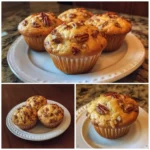
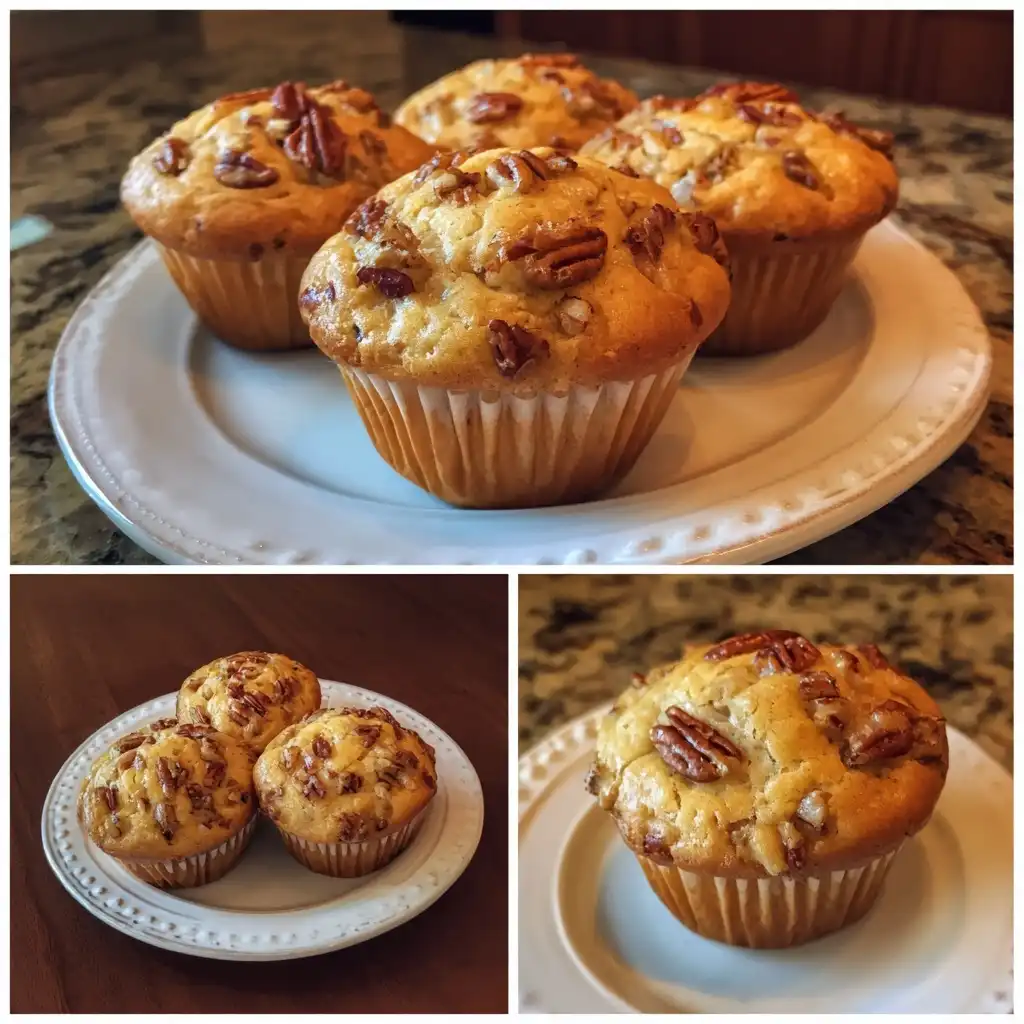
Maple Pecan Muffins are a beloved American breakfast and brunch staple—warm, tender, generously spiced, and rich with the deep, caramel-like sweetness of pure maple syrup and the buttery crunch of toasted pecans. More than just a simple baked good, they evoke nostalgia: crisp autumn mornings, cozy kitchens filled with the aroma of cinnamon and brown sugar, and the comforting ritual of sharing freshly baked treats with loved ones. These muffins strike a perfect balance between rustic charm and refined flavor—neither overly sweet nor dense, but moist, aromatic, and texturally captivating. Whether served alongside a steaming cup of coffee, packed into lunchboxes, or gifted in a festive tin, Maple Pecan Muffins offer timeless appeal rooted in simplicity, quality ingredients, and thoughtful technique.
The History
The origins of the Maple Pecan Muffin are deeply intertwined with the culinary traditions of North America—specifically the maple syrup–producing regions of northeastern United States and eastern Canada, and the native range of the pecan tree across the southern U.S. and Mexico. While muffins themselves trace back to early 18th-century Britain (as “muffin cakes” cooked on griddles), the American muffin evolved dramatically in the 19th century with the advent of chemical leaveners like baking soda and later baking powder—enabling the tall, domed, tender-crumbed version we know today. Maple syrup, long harvested by Indigenous peoples—including the Anishinaabe, Haudenosaunee, and Wabanaki nations—was adopted by European settlers as a prized natural sweetener, especially during colonial times when cane sugar was expensive and scarce. Pecans, native to river valleys of the Mississippi basin, were foraged for millennia and later cultivated commercially beginning in the late 1800s. The marriage of maple and pecan in baked goods likely emerged organically in home kitchens across New England and the Midwest by the mid-20th century—bolstered by regional pride, seasonal abundance, and the rise of specialty food markets promoting local ingredients. By the 1970s and ’80s, artisanal bakeries and gourmet cookbooks began featuring Maple Pecan Muffins as signature items, cementing their status as a premium, comfort-forward treat. Today, they appear on café menus nationwide, often reimagined with gluten-free flours, vegan substitutions, or global spice infusions—but always honoring their humble, heritage-rich roots.
Ingredients Breakdown
Every exceptional Maple Pecan Muffin begins with intentionality—not just in measurement, but in ingredient selection and function. Below is a comprehensive, chef-level breakdown of each component:
- All-Purpose Flour (2½ cups / 315g): Provides essential gluten structure while remaining tender. For optimal lift and crumb, use unbleached flour; bleached flour can yield a slightly denser result due to reduced protein strength. Consider blending in up to ¼ cup of whole wheat pastry flour for added nuttiness and fiber without compromising texture.
- Baking Powder (2 tsp) & Baking Soda (½ tsp): A dual-leavening system ensures both immediate lift (from soda reacting with acidic maple syrup) and sustained rise (from heat-activated baking powder). Freshness is critical—test your baking powder by stirring ½ tsp into ¼ cup hot water; it should fizz vigorously within seconds.
- Granulated Sugar (¾ cup / 150g): Adds sweetness, aids browning, and contributes to tenderness by interfering with gluten formation. Some bakers reduce this to ½ cup for a more pronounced maple-forward profile—especially when using Grade A Dark Color/Robust Flavor syrup.
- Pure Maple Syrup (⅔ cup / 160g): Not pancake syrup! Authentic Grade A maple syrup (preferably Dark Color/Robust Flavor for depth, or Medium for balanced sweetness) contributes moisture, complex caramel, vanilla, and woody notes—and reacts with baking soda to enhance rise and golden-brown crust development. Its natural invert sugars help retain moisture for days.
- Large Eggs (2, room temperature): Act as emulsifiers, binders, and leaveners. Room temperature eggs incorporate more evenly into the batter and support greater volume. For extra richness, add an additional egg yolk.
- Unsalted Butter (½ cup / 115g), melted and cooled: Provides unmatched flavor, tenderness, and mouthfeel. Clarified butter may be substituted for higher smoke point and intensified nuttiness—but retain some milk solids for browning. Browned butter adds extraordinary depth (cool completely before adding).
- Buttermilk (½ cup / 120ml) or Full-Fat Sour Cream (⅓ cup / 80g): Adds acidity for leavening activation, moisture, and subtle tang that balances maple’s sweetness. Buttermilk yields a lighter crumb; sour cream delivers luxurious density and shelf-stable moisture. If substituting, adjust liquid accordingly—sour cream is thicker and less hydrating.
- Pure Vanilla Extract (2 tsp): Enhances all other flavors—especially maple and toasted nuts. Madagascar bourbon vanilla is ideal; avoid imitation vanillin, which can taste medicinal at high concentrations.
- Ground Cinnamon (1½ tsp), Ground Nutmeg (¼ tsp), and Optional Ground Ginger (¼ tsp): Warm, aromatic spices that complement—not compete with—maple and pecan. Toast whole spices in a dry skillet before grinding for maximum volatility and freshness.
- Salt (1 tsp fine sea salt): Critical for flavor balance—underscoring sweetness, enhancing nuttiness, and refining overall perception. Kosher salt is preferred for even distribution; adjust quantity if using table salt (reduce by ~25%).
- Pecans (1½ cups / 180g), coarsely chopped and toasted: Use fresh, raw, unsalted pecan halves—never pre-chopped or vacuum-sealed for >3 months (rancidity develops quickly due to high oil content). Toasting (350°F for 7–9 minutes until fragrant and lightly golden) deepens flavor, improves crunch, and removes excess moisture that could make muffins soggy.
- Optional Additions: A tablespoon of molasses (for deeper mineral notes), a pinch of black pepper (to elevate warmth), orange zest (¼ tsp, for bright contrast), or a splash of bourbon (1 tbsp, added with wet ingredients) for sophisticated complexity.
Step-by-Step Recipe
Follow this meticulous, professional-grade method for consistent, bakery-quality results—designed to maximize flavor development, texture integrity, and structural reliability:
- Preheat & Prep (15 min ahead): Position oven rack in the center third. Preheat oven to 425°F (220°C)—the initial high heat encourages dramatic oven spring and tall, rounded domes. Line a standard 12-cup muffin tin with parchment paper liners (or grease thoroughly with butter and dust with flour); chilling liners for 5 minutes helps them adhere better.
- Toast the Pecans (10 min): Spread pecans on a rimmed baking sheet. Toast at 350°F (175°C) for 7–9 minutes, shaking pan halfway, until fragrant and light golden. Cool completely on a wire rack—this prevents steam from softening the nuts or prematurely melting butter in the batter.
- Mix Dry Ingredients (3 min): In a large bowl, whisk together flour, baking powder, baking soda, granulated sugar, salt, cinnamon, nutmeg, and ginger (if using) for at least 60 seconds—ensuring even distribution and aerating the flour for lighter texture.
- Combine Wet Ingredients (4 min): In a separate medium bowl, whisk melted (and cooled) butter, maple syrup, eggs, buttermilk (or sour cream), and vanilla until fully emulsified—no streaks of fat or separated liquid. Let sit 2 minutes to allow starches to hydrate and acids to begin reacting.
- Combine Wet + Dry (90 sec): Pour wet mixture over dry ingredients. Using a flexible silicone spatula, fold gently *just until no dry streaks remain*—about 12–15 strokes. Do not overmix: lumps are desirable; overmixing develops gluten, leading to tough, tunnelled muffins. Batter will be thick, glossy, and slightly shaggy.
- Fold in Pecans (60 sec): Add cooled, toasted pecans. Fold 6–8 times—just enough to distribute evenly without crushing nuts or deflating batter.
- Portion & Rest (5 min): Divide batter evenly among lined cups using a ¼-cup ice cream scoop (~5 oz per muffin). Smooth tops lightly. Refrigerate filled tin for 15 minutes—this chills the butter, slows initial spread, and promotes taller domes with defined peaks.
- Bake (Initial High Heat + Finish): Place chilled tin in preheated 425°F oven. Bake for 5 minutes—this “oven spring” sets the exterior structure. Without opening the door, reduce heat to 350°F (175°C) and continue baking 15–18 minutes, until a toothpick inserted into the center of a center muffin comes out clean or with moist crumbs (not wet batter), and tops are deep golden with cracked, caramelized crowns.
- Cool Strategically (20 min): Remove tin from oven. Let muffins cool in pan for 5 minutes—this allows steam to escape gently and prevents sogginess on the base. Then transfer to a wire rack. Cool at least 15 minutes before serving warm—or wait until fully cooled (2 hours) before storing. Cutting too soon releases trapped steam and collapses structure.
Tips
- Room Temperature Matters: Cold eggs or buttermilk can cause melted butter to seize into grainy bits—always bring all refrigerated ingredients to room temperature (68–72°F) for seamless emulsion.
- Weigh Your Ingredients: Volume measurements vary wildly—especially flour (a cup can weigh 120g to 160g depending on scooping method). Use a digital kitchen scale for precision and repeatable success.
- Don’t Skip the Toast: Raw pecans taste bland and chewy; toasted pecans deliver unmistakable depth and crunch. Never substitute pre-toasted store-bought nuts—they oxidize rapidly and taste stale.
- Rotate Your Pan: Ovens have hot spots. Rotate the muffin tin 180° halfway through the 350°F bake phase for even browning.
- Test Doneness Correctly: Insert the toothpick into the *center-most* muffin (it cooks slowest), not an edge one. If crumbs cling but aren’t wet, it’s ready—even if edges look set.
- Maximize Maple Flavor: Brush warm muffins (just out of oven) with 1 tbsp warmed maple syrup—creates a glossy, flavorful glaze that soaks in slightly.
- Freeze Smart: Cool completely, then freeze unfrosted muffins in a single layer on a tray before transferring to a heavy-duty freezer bag. They’ll keep for 3 months. Thaw at room temperature or reheat in a 325°F oven for 8 minutes.
- Resist Overfilling: Fill cups no more than ⅔–¾ full. Overfilling causes uneven baking, overflow, and poor dome formation.
- Altitude Adjustments: Above 3,000 ft? Increase oven temp by 15–25°F, decrease sugar by 1–2 tbsp, increase baking powder by ⅛ tsp, and reduce liquid by 1–2 tsp.
- Make-Ahead Batter: You can mix dry and wet components separately up to 24 hours ahead—refrigerate wet mix, store dry mix covered at room temp. Combine just before baking.
Variations and Customizations
Maple Pecan Muffins serve as an exquisite canvas for creativity—respecting tradition while embracing innovation. Here are rigorously tested, chef-approved adaptations:
- Gluten-Free Maple Pecan Muffins: Substitute a 1:1 gluten-free all-purpose blend (with xanthan gum) + 2 tsp psyllium husk powder (for binding and elasticity). Add 1 extra tbsp maple syrup and 1 tsp apple cider vinegar to counteract potential grittiness. Bake time may increase by 2–3 minutes.
- Vegan Maple Pecan Muffins: Replace eggs with flax “eggs” (2 tbsp ground flaxseed + 6 tbsp warm water, rested 10 min); use plant-based butter (high-fat, European-style) and unsweetened almond or oat milk + 1 tsp vinegar (to mimic buttermilk). Add ¼ tsp agar powder for improved structure. Top with maple-sweetened coconut yogurt glaze.
- Maple Pecan Streusel Muffins: Prepare a streusel with ⅓ cup flour, ⅓ cup brown sugar, 2 tbsp cold butter, ½ tsp cinnamon, and ⅓ cup chopped toasted pecans. Sprinkle generously over batter before baking for a crunchy, caramelized crown.
- Maple Pecan Bran Muffins: Replace ½ cup flour with ⅔ cup wheat bran (soaked 10 min in ¼ cup buttermilk) and add ¼ cup shredded apple (unpeeled, for fiber and moisture). Reduce maple syrup by 1 tbsp.
- Maple Pecan Oat Muffins: Substitute ⅓ cup flour with old-fashioned rolled oats (not quick oats) and add 1 tbsp chia seeds. Soak oats in buttermilk for 5 minutes before mixing to prevent dryness.
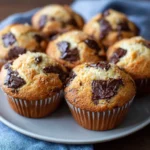
- Maple Pecan Chocolate Chip Muffins: Fold in ¾ cup dark chocolate chunks (60–70% cacao) along with pecans. A pinch of flaky sea salt on top before baking creates sublime sweet-salty contrast.
- Maple Pecan Mini Muffins: Use a mini muffin tin, portion 1 tbsp batter per cup, and bake at 425°F → 350°F for 9–11 minutes total. Perfect for parties, portion control, or kid-friendly snacks.
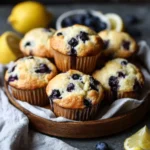
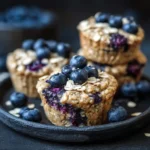
- Maple Pecan Blueberry Muffins: Gently fold in 1 cup fresh or frozen (unthawed) wild blueberries tossed in 1 tsp flour. Reduce maple syrup by 1 tbsp to offset berries’ natural juice.
- Maple Pecan Savory-Sweet Muffins: Omit cinnamon/nutmeg; add 1 tsp fresh rosemary (finely minced), ¼ cup grated sharp cheddar, and 2 tbsp finely diced crispy bacon. Serve with maple-pecan butter.
- Maple Pecan Loaf: Pour batter into a greased 9×5-inch loaf pan. Bake at 350°F for 55–65 minutes, tenting with foil at 40 minutes to prevent over-browning. Slice thick and toast for elevated breakfast service.
Health Considerations and Nutritional Value
While Maple Pecan Muffins are undeniably indulgent, mindful preparation transforms them into a nutrient-dense, functional food—not just empty calories. A standard muffin (based on the core recipe, ~5 oz unbaked batter) provides approximately:
- Calories: 385 kcal — primarily from complex carbohydrates (flour), healthy monounsaturated fats (pecans, butter), and natural sugars (maple).
- Protein: 6.2g — contributed by eggs, flour, and pecans; supports satiety and muscle maintenance.
- Fiber: 2.4g — from whole grain options (if substituted), pecans, and residual bran in unbleached flour; aids digestion and glycemic regulation.
- Healthy Fats: 20.3g total fat (12.1g monounsaturated, 2.8g polyunsaturated) — pecans are exceptionally rich in heart-healthy oleic acid and antioxidant vitamin E.
- Vitamins & Minerals: Excellent source of manganese (1.8mg, 78% DV) from maple syrup and pecans; good source of copper (0.4mg, 44% DV), zinc (1.2mg, 11% DV), and B vitamins (B1/thiamine from pecans, B2/riboflavin from dairy).
- Antioxidants: Maple syrup contains quebecol and phenolic compounds; pecans rank #1 among nuts in ORAC (Oxygen Radical Absorbance Capacity) value—fighting oxidative stress.
Health-Conscious Modifications:
- Lower Sugar: Reduce granulated sugar to ½ cup and rely on robust maple syrup for primary sweetness. No sacrifice in flavor—only enhanced complexity.
- Higher Fiber: Substitute ⅓ cup flour with oat bran or ground flaxseed; add 2 tbsp chopped dried figs or dates (soaked and blended) for natural sweetness + fiber synergy.
- Reduced Saturated Fat: Replace half the butter with unsweetened applesauce or mashed banana—but retain at least 2 tbsp butter for essential flavor and texture.
- Glycemic Considerations: Pair with Greek yogurt or a hard-boiled egg to slow glucose absorption. Avoid consuming on an empty stomach if managing insulin resistance.
- Allergen Notes: Naturally nut-free alternatives include toasted sunflower or pumpkin seeds; soy-free and corn-free if using organic cane sugar and checking maple syrup purity (some brands use corn-based filtering agents).
- Mindful Indulgence: Enjoy 1 muffin as part of a balanced meal—not as a standalone snack. Their richness satisfies cravings efficiently, reducing the urge to overeat.
Ingredients
- 2½ cups (315g) unbleached all-purpose flour
- 2 tsp aluminum-free baking powder
- ½ tsp baking soda
- ¾ cup (150g) granulated cane sugar
- 1 tsp fine sea salt
- 1½ tsp ground cinnamon
- ¼ tsp freshly grated nutmeg
- 2 large eggs, room temperature
- ⅔ cup (160g) pure Grade A maple syrup (Dark Color/Robust Flavor recommended)
- ½ cup (115g) unsalted butter, melted and cooled to 100°F
- ½ cup (120ml) full-fat buttermilk, room temperature
- 2 tsp pure Madagascar vanilla extract
- 1½ cups (180g) raw pecan halves, coarsely chopped and toasted
Directions
- Preheat oven to 425°F (220°C). Line a 12-cup standard muffin tin with parchment liners or grease and flour thoroughly. Chill liners in freezer for 5 minutes.
- On a rimmed baking sheet, spread pecans in a single layer. Toast at 350°F (175°C) for 7–9 minutes, shaking pan once, until fragrant and lightly golden. Transfer to a wire rack; cool completely (15 min).
- In a large bowl, whisk together flour, baking powder, baking soda, sugar, salt, cinnamon, and nutmeg until fully homogenized and aerated (~60 sec).
- In a medium bowl, whisk melted (cooled) butter, maple syrup, eggs, buttermilk, and vanilla until smooth and emulsified (no separation). Let rest 2 minutes.
- Pour wet mixture over dry ingredients. Using a silicone spatula, fold gently 12–15 times—stopping as soon as no dry flour remains. Batter will be thick and lumpy.
- Fold in cooled toasted pecans with 6–8 gentle strokes.
- Using a ¼-cup scoop, portion batter evenly into prepared muffin cups (fill ~¾ full). Smooth tops. Refrigerate filled tin for 15 minutes.
- Place chilled tin in preheated 425°F oven. Bake for 5 minutes. Without opening oven, reduce temperature to 350°F (175°C) and bake 15–18 more minutes, until tops are deeply golden, cracked, and a toothpick inserted into center muffin comes out clean or with moist crumbs.
- Remove tin from oven. Let muffins rest in pan for 5 minutes. Carefully lift each muffin by its liner and transfer to a wire rack. Cool at least 15 minutes before serving.
FAQ
- Can I use pancake syrup instead of pure maple syrup?
- No—pancake syrups are typically corn syrup–based with artificial flavors and preservatives. They lack the nuanced flavor, natural minerals, and reactive acidity needed for proper leavening and browning. Pure maple syrup is non-negotiable for authenticity and performance.
- Why did my muffins sink in the middle?
- Sinking usually results from underbaking (check doneness correctly), excessive leavening (expired or double-measured baking powder), opening the oven too early, or overmixing the batter—causing gluten to contract upon cooling.
- How do I store Maple Pecan Muffins to keep them fresh?
- Cool completely, then store in an airtight container at room temperature for up to 3 days. For longer storage, freeze individually wrapped in parchment + freezer bag for up to 3 months. Never refrigerate—they dry out rapidly due to starch retrogradation.
- Can I make these muffins dairy-free?
- Yes. Substitute buttermilk with ½ cup unsweetened oat milk + 1 tsp apple cider vinegar (rest 5 min). Use high-fat, cultured coconut oil or vegan butter (like Miyoko’s) in place of dairy butter. Ensure maple syrup is certified vegan (some filtered with bone char).
- My batter seems too thick—is that normal?
- Absolutely. Proper Maple Pecan Muffin batter is luxuriously thick—almost like soft cookie dough—due to the high ratio of nuts, syrup, and minimal liquid. If it’s runny, you’ve likely added too much buttermilk or misweighed flour.
- Can I add fruit like bananas or apples?
- Yes—with adjustments. For 1 cup mashed ripe banana, reduce maple syrup by 3 tbsp and buttermilk by 2 tbsp. For 1 cup peeled, grated apple, reduce buttermilk by 1 tbsp and add 1 tsp lemon juice to prevent browning. Always toss fruit in 1 tsp flour before folding in.
- What’s the best way to reheat leftover muffins?
- For best texture: wrap in damp paper towel and microwave 15–20 seconds. Or, place on a parchment-lined baking sheet and warm in a 325°F oven for 8–10 minutes—reviving moisture and restoring crispness.
- Why toast the pecans before adding them?
- Raw pecans contain volatile compounds that taste grassy or bitter. Toasting drives off moisture, concentrates oils, and triggers Maillard reactions—creating rich, buttery, caramelized notes that harmonize with maple and spice.
- Can I prepare the batter the night before?
- Dry and wet ingredients can be pre-mixed separately and refrigerated overnight. However, combine them only 10–15 minutes before baking—the leaveners begin activating immediately upon contact with liquid and lose potency over time.
- Are Maple Pecan Muffins suitable for kids?
- Yes—nutrient-dense, naturally sweetened, and free from artificial additives. For toddlers, chop pecans finely to reduce choking risk. For school lunches, pair with cheese cubes or apple slices for balanced energy.
Summary
Maple Pecan Muffins are a masterclass in American baking tradition—where Indigenous maple wisdom, Southern pecan heritage, and modern technique converge into moist, spiced, golden-domed perfection crowned with toasted crunch and deep, resonant sweetness.
With precise ingredient selection, strategic toasting, controlled mixing, and intelligent baking methodology, these muffins transcend mere breakfast fare to become nourishing, celebratory, and endlessly adaptable expressions of seasonal abundance and culinary care.