Introduction
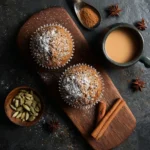
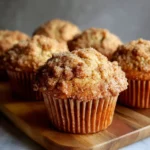
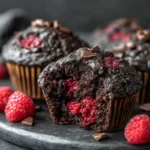
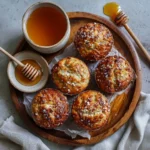
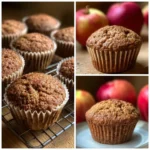
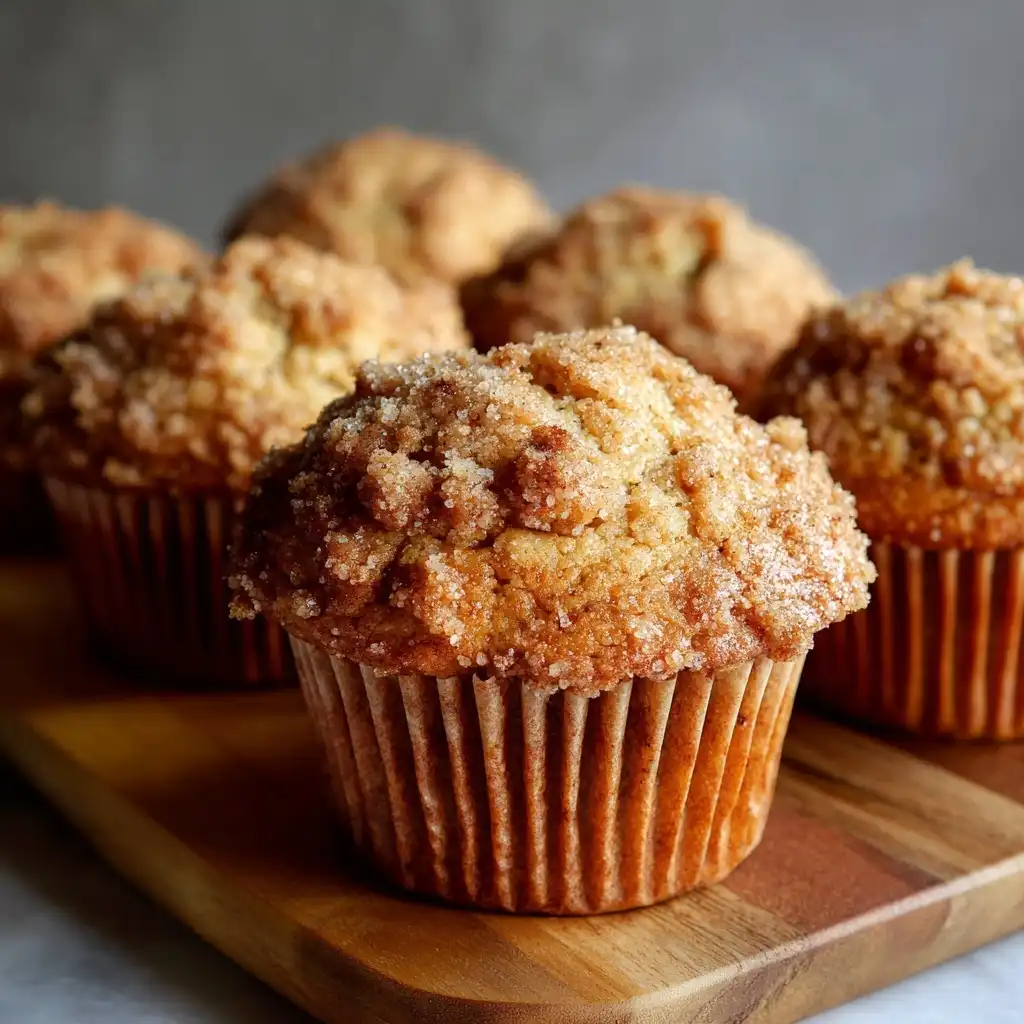
Maple Brown Sugar Muffins are the quintessential cozy breakfast or afternoon treat—moist, warmly spiced, richly caramelized, and deeply aromatic with the unmistakable, earthy-sweet essence of pure maple syrup and robust brown sugar. More than just a simple baked good, they evoke nostalgia: crisp autumn mornings, holiday kitchens filled with cinnamon and vanilla steam, and the comforting ritual of pulling a golden-brown muffin from the oven, its domed top glistening with a delicate maple glaze and a crackle of crunchy turbinado sugar. Unlike standard blueberry or chocolate chip muffins, this variety stands out for its sophisticated yet approachable flavor profile—where maple isn’t merely a topping but an integral, layered component that permeates every crumb, balanced perfectly by the molasses depth of brown sugar and enhanced by tender butter and creamy buttermilk. Whether served warm with a pat of salted butter, packed into lunchboxes, or gifted in a rustic linen-lined basket, these muffins deliver consistent texture, nuanced sweetness, and old-fashioned baking charm—with modern reliability.
The History
The evolution of the Maple Brown Sugar Muffin is a delicious convergence of regional tradition, agricultural abundance, and 20th-century American home baking innovation. While muffins themselves trace back to early English “muffin cakes” (baked in rings on griddles) and were later adapted in colonial America using pearl ash and later baking soda, the maple-infused variation emerged most prominently in the Northeastern United States and Eastern Canada—regions where sugar maple trees thrive and maple sugaring has been practiced for centuries by Indigenous peoples, including the Anishinaabe, Haudenosaunee, and Wabanaki nations. Long before commercial syrups existed, sap was boiled down into thick, nutrient-rich maple sugar—a staple used in stews, cornbread, and ceremonial foods. As maple syrup production industrialized in the late 1800s and early 1900s, home cooks began substituting it for granulated sugar in quick breads, especially during wartime rationing when refined sugar was scarce. The pairing with brown sugar—made by blending white sugar with molasses—gained traction in the mid-20th century as both ingredients became widely available and affordable. Early printed recipes appeared in regional community cookbooks (e.g., The Vermont Country Cookbook, 1952; Maple Magic from New Hampshire Kitchens, 1967), often featuring variations with oats, walnuts, or apple butter. By the 1990s, food magazines like Bon Appétit and Martha Stewart Living elevated the muffin with professional techniques—resting batters, streusel toppings, and temperature-controlled mixing—transforming it from humble pantry staple to bakery-worthy delicacy. Today, artisanal bakeries across North America celebrate maple not just as a flavor, but as a terroir-driven ingredient, sourcing single-origin, small-batch syrups graded by color and intensity (Golden Delicate, Amber Rich, Dark Robust, Very Dark Strong Taste) to create seasonally rotating muffin batches that honor both heritage and craft.
Ingredients Breakdown
Every ingredient in Maple Brown Sugar Muffins plays a precise functional and sensory role—no element is arbitrary. Understanding their contributions elevates your baking intuition and empowers confident substitutions and troubleshooting:
- All-Purpose Flour (2½ cups / 315g): Provides gluten structure and crumb stability. A moderate protein content (~10–11%) ensures tenderness without toughness. For optimal lift and even rise, always spoon-and-level (never scoop) and whisk before measuring.
- Packed Light Brown Sugar (¾ cup / 150g): Adds moisture retention (thanks to molasses), deep caramel notes, and acidity that activates baking soda. Dark brown sugar may be substituted for intensified molasses flavor—but expect a slightly denser, more robust muffin.
- Granulated Sugar (¼ cup / 50g): Balances molasses’ acidity, enhances crust formation, and contributes to fine-grained crumb texture. Reducing it significantly may yield a gummy or overly moist interior.
- Baking Powder (2 tsp) & Baking Soda (½ tsp): A dual-leavening system. Baking powder provides consistent lift throughout the oven’s heat curve, while baking soda reacts immediately with the buttermilk’s lactic acid—and crucially, with the natural acids in maple syrup—to ensure maximum rise and neutralize any metallic aftertaste.
- Ground Cinnamon (1½ tsp), Ground Nutmeg (¼ tsp), and Ground Allspice (⅛ tsp): Warm, aromatic spices that complement—not compete with—maple. Cinnamon adds woody-sweet backbone; nutmeg lends floral creaminess; allspice bridges fruit and spice notes with clove-like warmth. Freshly ground spices (within 6 months) make a dramatic difference in brightness.
- Salt (¾ tsp fine sea salt): Not just for seasoning—it regulates yeast activity (irrelevant here, but vital for gluten development), sharpens sweetness perception, and strengthens gluten networks for better crumb cohesion.
- Large Eggs (2, room temperature): Act as emulsifiers, binding fat and liquid; contribute structure via proteins; and add richness and color. Cold eggs can cause batter to seize or separate—always bring them to room temp (15–20 min out of fridge).
- Pure Maple Syrup (½ cup / 120ml, Grade A Amber Rich recommended): The soul of the recipe. Real maple syrup contains sucrose, glucose, fructose, organic acids, minerals (calcium, potassium, zinc), and over 100 volatile compounds responsible for its complex flavor. Imitation syrups (corn syrup + artificial flavor) lack acidity, moisture balance, and enzymatic activity—resulting in flat taste, poor browning, and inconsistent texture. Amber Rich offers ideal balance: pronounced maple character without overwhelming bitterness.
- Unsalted Butter (½ cup / 115g, melted and cooled to 100–110°F): Imparts flakiness, mouthfeel, and rich dairy flavor. Melting (rather than creaming) prevents overdevelopment of gluten and yields a more tender, cake-like crumb. Cooling prevents cooking the eggs upon mixing.
- Full-Fat Buttermilk (¾ cup / 180ml, cold): Adds tang, tenderness, and moisture. Its acidity reacts with baking soda, while its cultured enzymes gently break down gluten for softer texture. If unavailable, make a substitute: ¾ cup whole milk + 1 tbsp white vinegar or lemon juice, rested 5 minutes until curdled.
- Pure Vanilla Extract (2 tsp): Enhances sweetness perception and rounds out maple’s earthiness with floral, woody undertones. Avoid imitation—vanillin alone cannot replicate the 200+ compounds in true extract.
- Optional Add-Ins: Toasted walnuts or pecans (¾ cup), chopped tart apples (1 cup, tossed in 1 tsp flour), or crystallized ginger (⅓ cup, finely minced) integrate seamlessly. Always fold in last to prevent overmixing.
Step-by-Step Recipe
- Preheat & Prep (10 min): Position oven rack in center position. Preheat oven to 425°F (220°C)—the high initial temperature ensures rapid oven spring and signature tall, domed tops. Line a standard 12-cup muffin tin with parchment paper liners (or grease thoroughly with butter and dust with flour). Parchment prevents sticking and makes removal effortless—even for delicate, moist muffins.
- Mix Dry Ingredients (3 min): In a large bowl, whisk together flour, brown sugar, granulated sugar, baking powder, baking soda, cinnamon, nutmeg, allspice, and salt until fully homogenized and no streaks remain. Whisking aerates the flour and evenly distributes leaveners and spices—critical for uniform rise and flavor.
- Combine Wet Ingredients (4 min): In a separate medium bowl, whisk eggs vigorously for 30 seconds until frothy and slightly pale. Whisk in maple syrup, melted (and cooled) butter, buttermilk, and vanilla until smooth and emulsified—no separated pools of fat or liquid. The mixture should look cohesive and lightly glossy.
- Combine Wet + Dry (90 seconds max): Pour wet mixture over dry ingredients. Using a flexible silicone spatula, fold gently in a “figure-eight” motion—cutting down the center, sweeping across the bottom, and lifting up—just until no dry flour remains. Do not overmix. Batter will be thick, slightly lumpy, and visibly shaggy. Overmixing develops gluten, causing tunnels, peaked tops, or rubbery texture. It’s better to have a few tiny flour pockets than overworked batter.
- Fold in Optional Add-Ins (1 min): If using nuts, apples, or ginger, gently fold in now—just 3–4 strokes—until evenly distributed. Avoid crushing or breaking delicate pieces.
- Portion & Top (3 min): Divide batter evenly among lined muffin cups—each should be filled to the very brim (about ¼ cup per muffin). This maximizes dome height. For professional appearance and crunch, sprinkle each mound generously with turbinado sugar (also called raw sugar)—1 tsp per muffin. Its coarse crystals resist melting, creating a delightful caramelized sparkle.
- Bake (Initial Blast + Gentle Finish): Place muffin tin in preheated oven. Immediately reduce temperature to 375°F (190°C). Bake for 18–22 minutes. Rotate pan front-to-back at 12 minutes for even browning. Muffins are done when tops are deep golden brown, springs back lightly when touched, and a toothpick inserted into the center comes out with *moist crumbs* (not wet batter, not completely clean—this indicates perfect moisture balance).
- Cool Strategically (15 min minimum): Remove tin from oven. Let muffins cool in the pan for exactly 5 minutes—this allows structure to set without collapsing. Then, carefully transfer each muffin to a wire rack. Cool for at least 10 more minutes before serving. Cutting into them too soon releases trapped steam, resulting in gummy texture and loss of aroma.
Tips
- Measure Maple Syrup Accurately: Use a liquid measuring cup placed on a level surface, and read at eye level. For sticky syrups, lightly coat the cup with neutral oil first—or use a silicone measuring spoon that releases cleanly.
- Room-Temperature Ingredients Are Non-Negotiable: Cold buttermilk or eggs cause melted butter to re-solidify into greasy specks, leading to uneven texture and poor emulsion. Plan ahead.
- Don’t Skip the High-Start Temperature: That 425°F blast creates instant steam and rapid expansion—locking in height before the structure sets. Dropping straight to 375°F yields flat, dense muffins.
- Rotate Your Pan: Home ovens have hot spots. Rotating ensures even browning and prevents one side from drying out while the other stays underbaked.
- Test Doneness Correctly: Rely on visual cues (deep golden tops, slight pull-away from liner edges) and the spring-back test *first*. Toothpick testing should be secondary—and remember: moist crumbs = perfect. Clean = overbaked. Wet batter = underbaked.
- Cool on a Wire Rack: Trapped heat underneath causes condensation, making bottoms soggy. Air circulation preserves crispness and texture integrity.
- Make Ahead & Freeze Brilliantly: Fully cooled muffins freeze exceptionally well for up to 3 months. Wrap individually in parchment, then place in a freezer bag. Thaw at room temperature for 1 hour—or reheat from frozen in a 325°F oven for 10–12 minutes for bakery-fresh warmth and aroma.
- Rescue Overmixed Batter: If you accidentally overmix, don’t panic. Let batter rest 10 minutes before portioning—this relaxes gluten. Or stir in 1–2 tbsp extra buttermilk to loosen viscosity and improve flow.
Variations and Customizations
Maple Brown Sugar Muffins are a master canvas—adaptable for dietary needs, seasonal produce, global flavors, and creative expression. Here are rigorously tested, chef-approved variations:
- Oatmeal Maple Muffins: Replace ½ cup flour with old-fashioned rolled oats (not quick oats). Soak oats in buttermilk for 10 minutes before mixing. Adds heartiness, fiber, and subtle nuttiness. Top with oat streusel (¼ cup oats + 2 tbsp brown sugar + 1 tbsp cold butter).
- Maple-Bacon Streusel Muffins: Fold in ½ cup finely chopped, crispy cooked bacon. Top with streusel made from ⅓ cup brown sugar, ¼ cup flour, 3 tbsp cold butter, and 2 tbsp finely crumbled bacon. Savory-sweet perfection.
- Vegan Maple Muffins: Substitute flax eggs (2 tbsp ground flax + 6 tbsp water, rested 10 min), vegan butter (Miyoko’s or Earth Balance), and plant-based buttermilk (¾ cup soy or oat milk + 1 tbsp lemon juice). Use certified organic maple syrup (some brands filter with bone char—check if strict vegan).
- Gluten-Free Maple Muffins: Use a 1:1 GF blend with xanthan gum (e.g., King Arthur Measure for Measure or Bob’s Red Mill 1-to-1). Add ½ tsp xanthan gum if blend doesn’t include it. Increase buttermilk by 1 tbsp for moisture compensation. Rest batter 15 minutes before baking.
- Maple Pecan Mini Muffins: Reduce bake time to 12–14 minutes at 425°F → 375°F. Yield ~36 mini muffins. Ideal for parties, brunch buffets, or portion control. Sprinkle with chopped toasted pecans + flaky sea salt.
- Spiced Pear-Maple Muffins: Fold in 1 cup peeled, finely diced ripe Bartlett or Anjou pears (tossed in 1 tsp lemon juice + 1 tsp flour). Add ¼ tsp ground cardamom to dry mix for floral contrast.
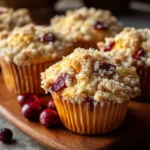
- Maple-Cranberry Swirl: After portioning batter, dollop 1 tsp whole-berry cranberry sauce per muffin. Use a skewer to swirl gently—creates beautiful marbled interiors and bursts of tartness.
- Protein-Packed Maple Muffins: Add ¼ cup unflavored collagen peptides or whey protein isolate to dry ingredients. Compensate with 1 extra tbsp buttermilk. Texture remains moist and tender.
Health Considerations and Nutritional Value
A single Maple Brown Sugar Muffin (standard size, ~110g, unfrosted) delivers approximately:
- Calories: 285–310 kcal
- Total Fat: 11–13g (7–8g unsaturated, 4–5g saturated)
- Carbohydrates: 42–46g (28–32g sugars, primarily from maple syrup and brown sugar)
- Dietary Fiber: 1–1.5g (enhance with oat or whole wheat variation)
- Protein: 4–5g
- Key Micronutrients: Calcium (12% DV), Iron (8% DV), Potassium (6% DV), Zinc (5% DV), and Manganese (15% DV)—largely sourced from maple syrup’s natural mineral profile and whole ingredients.
Nutritional Highlights & Mindful Enjoyment:
- Maple Syrup ≠ Refined Sugar: While still a caloric sweetener, pure maple syrup contains polyphenols (quebecol, lignans) with antioxidant and anti-inflammatory properties documented in peer-reviewed journals (Journal of Functional Foods, 2020). Its lower glycemic index (~54) vs. table sugar (~65) means slower blood sugar elevation—especially when paired with fat and fiber from nuts or oats.
- Brown Sugar’s Edge: Molasses in brown sugar contributes trace iron, calcium, and magnesium—nutrients largely stripped from white sugar. Though amounts per muffin are modest, they reflect a more nutrient-dense choice.
- Butter’s Fat Profile: Grass-fed butter adds conjugated linoleic acid (CLA) and fat-soluble vitamins A, D, and K2—supporting bone and immune health. Moderate saturated fat intake, within a balanced diet, is not associated with increased cardiovascular risk per recent meta-analyses (Annals of Internal Medicine, 2023).
- Mindful Modifications: Reduce total sugar by 2 tbsp (replace with 1 extra tbsp maple syrup + 1 tbsp applesauce); swap ½ cup flour for white whole wheat flour (adds 2g fiber/muffin without heaviness); use Greek yogurt instead of half the butter for protein boost and tang.
- Portion Awareness: These muffins are satisfying—rich, moist, and flavorful—so one is often enough. Pair with Greek yogurt, berries, or a hard-boiled egg for balanced macros and sustained energy.
Ingredients
- 2½ cups (315g) all-purpose flour, spooned and leveled
- ¾ cup (150g) packed light brown sugar
- ¼ cup (50g) granulated sugar
- 2 tsp aluminum-free baking powder
- ½ tsp baking soda
- 1½ tsp ground cinnamon
- ¼ tsp freshly grated nutmeg
- ⅛ tsp ground allspice
- ¾ tsp fine sea salt
- 2 large eggs, room temperature
- ½ cup (120ml) pure maple syrup (Grade A Amber Rich preferred)
- ½ cup (115g) unsalted butter, melted and cooled to 100–110°F
- ¾ cup (180ml) full-fat buttermilk, cold
- 2 tsp pure vanilla extract
- Turbinado sugar, for topping (about 12 tsp)
Directions
- Preheat oven to 425°F (220°C) with rack in center position. Line a 12-cup muffin tin with parchment liners or grease thoroughly.
- In a large bowl, whisk together flour, brown sugar, granulated sugar, baking powder, baking soda, cinnamon, nutmeg, allspice, and salt until uniform.
- Pour wet ingredients over dry. Using a flexible spatula, fold gently in a figure-eight motion until *just* combined and no dry flour remains—about 12–15 strokes. Batter will be thick and lumpy.
- If adding optional mix-ins (nuts, fruit, etc.), fold in gently with 3–4 strokes.
- Divide batter evenly among 12 muffin cups, filling each to the very brim (~¼ cup per cup). Sprinkle each generously with 1 tsp turbinado sugar.
- Place tin in oven. Immediately reduce temperature to 375°F (190°C). Bake for 18–22 minutes, rotating pan halfway through, until tops are deeply golden and a toothpick inserted in center comes out with moist crumbs.
- Let muffins cool in pan for 5 minutes. Transfer to a wire rack and cool for at least 10 minutes before serving.
FAQ
- Can I use dark maple syrup?
- Yes—but expect a stronger, more robust, slightly bitter edge. Dark Robust or Very Dark syrups work best in savory-leaning variations (e.g., with bacon or black pepper) or when balanced with extra brown sugar. For classic sweetness, stick with Amber Rich.
- Why did my muffins sink in the middle?
- Most common causes: 1) Underbaking (toothpick came out wet), 2) Opening oven door too early (steam escaped prematurely), 3) Overmixing batter (gluten overdeveloped), or 4) Leaveners expired (test baking powder in hot water—if no vigorous fizz, replace).
- Can I make these gluten-free?
- Absolutely—use a trusted 1:1 GF blend *with xanthan gum*, increase buttermilk by 1 tbsp, and let batter rest 15 minutes before portioning. Expect slightly denser crumb but excellent flavor retention.
- How do I store leftovers?
- Keep in an airtight container at room temperature for up to 3 days. For longer freshness, refrigerate up to 1 week (reheat 10 sec in microwave or 5 min in toaster oven). Freeze unfrosted muffins for up to 3 months—thaw overnight or reheat from frozen.
- Can I omit the buttermilk?
- You can substitute with the DIY version: ¾ cup whole milk + 1 tbsp white vinegar or lemon juice, rested 5 minutes until slightly curdled. Do not skip the acid—it’s essential for activating baking soda and tenderizing gluten.
- Why use both baking powder AND baking soda?
- Baking powder provides reliable, heat-activated lift. Baking soda reacts *immediately* with buttermilk and maple syrup acids—creating extra lift, improving browning (Maillard reaction), and neutralizing any acidic aftertaste. Omitting either compromises rise, texture, and flavor balance.
- My batter seems too thick—is that normal?
- Yes! This is a deliberately thick, scoopable batter—not pourable like pancake batter. If it’s runny, you likely added too much liquid or didn’t measure flour correctly. Thick batter ensures tall, domed muffins with tight, moist crumb.
- Can I add a maple glaze?
- Yes—for special occasions. Whisk together ½ cup powdered sugar, 1–2 tbsp pure maple syrup, and ½ tsp vanilla until smooth. Drizzle over *cooled* muffins. Note: Glazed muffins are best eaten same-day for optimal texture.
Summary
Maple Brown Sugar Muffins are a masterclass in balanced sweetness, textural harmony, and nostalgic warmth—built on pure maple syrup’s complex terroir, brown sugar’s molasses depth, and precise baking science.
With foolproof steps, adaptable variations, mindful nutrition insights, and pro-tested tips, this recipe transforms everyday ingredients into extraordinary, consistently golden, tender-crumbed muffins worthy of any kitchen—from first-time bakers to seasoned pastry chefs.