Mango Sticky Rice Cups: A Tropical Delight in Every Bite
Introduction
Mango Sticky Rice Cups are the perfect fusion of tropical sweetness and creamy texture, served in an adorable, portable format. This modern twist on the classic Thai dessert brings together juicy ripe mangoes, luscious coconut-infused sticky rice, and a touch of syrupy richness—all nestled into individual serving cups for easy enjoyment. Whether you’re hosting a summer brunch, planning a picnic, or simply craving a refreshing treat, these charming cups offer both visual appeal and mouthwatering flavor. Portable, photogenic, and utterly delicious, Mango Sticky Rice Cups elevate a traditional favorite into a convenient, shareable dessert that’s as delightful to look at as it is to eat.
The History
Mango Sticky Rice, known in Thai as “Khao Niew Mamuang,” is one of Thailand’s most beloved desserts with roots tracing back centuries in Southeast Asian culinary traditions. Traditionally enjoyed during mango season—typically between March and June—it originated as a way to celebrate the harvest of the golden, fragrant Nam Dok Mai and Chok Anan mango varieties. Sticky rice, a staple in Thai cuisine, was steamed and mixed with rich coconut milk and palm sugar, creating a decadent base that perfectly complemented the sweet-tart flesh of ripe mangoes. Over time, this dessert became a symbol of Thai hospitality and seasonal abundance, often served at temples, family gatherings, and street food stalls across the country.
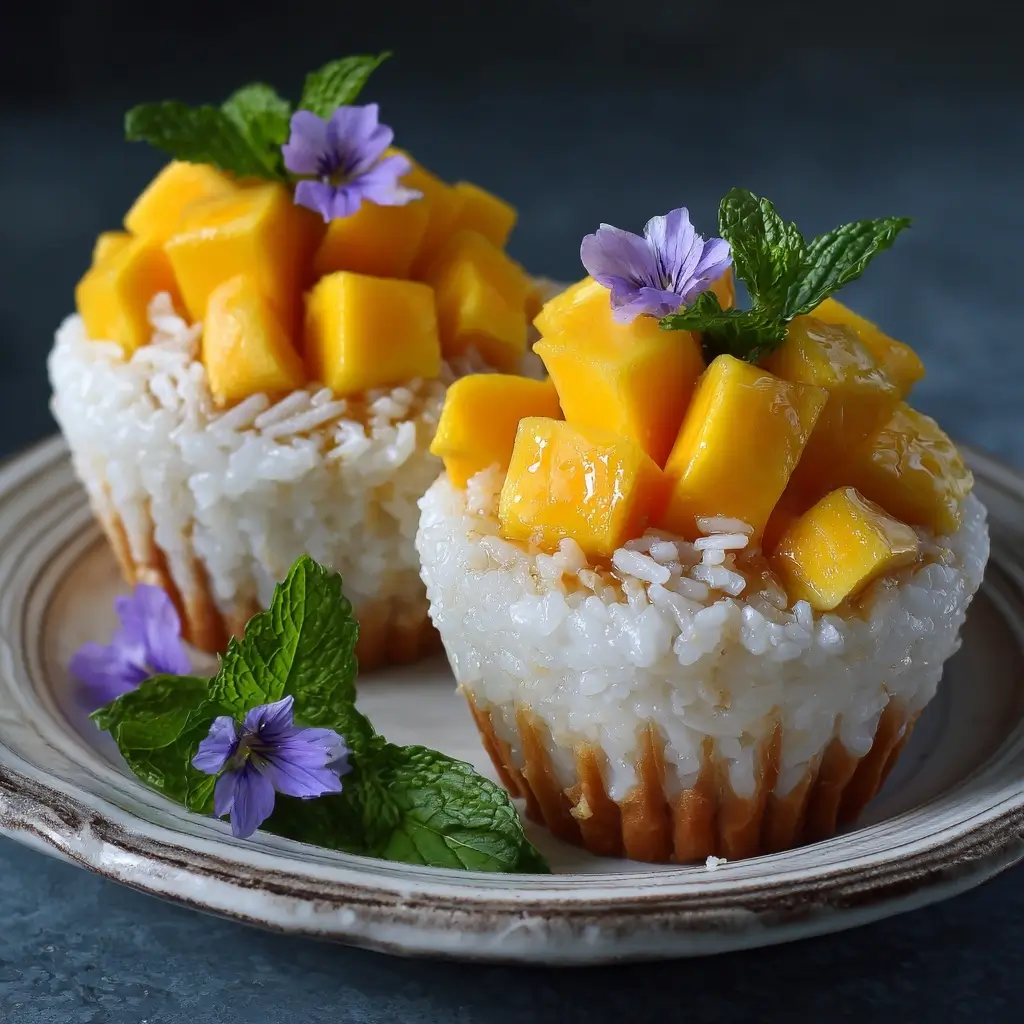
In recent years, as global interest in Thai cuisine has surged, chefs and home cooks alike have reimagined the dish for modern palates and convenience. The “cup” version emerged as a creative adaptation—ideal for food festivals, dessert bars, and Instagram-worthy presentations. By layering the components in clear glasses or mason jars, the vibrant yellow mango slices contrast beautifully with the snowy white coconut rice, making it not only delicious but visually captivating. Today, Mango Sticky Rice Cups represent a harmonious blend of tradition and innovation, carrying forward the soul of Thai dessert culture in a fresh, accessible form.
Ingredients Breakdown
The magic of Mango Sticky Rice Cups lies in the quality and balance of its ingredients. Each component plays a crucial role in achieving the perfect harmony of texture, sweetness, and aroma. Here’s a detailed breakdown:
- Glutinous (Sticky) Rice: Also known as sweet rice, this short-grain rice is essential for its chewy, slightly elastic texture when cooked. It absorbs flavors exceptionally well, especially coconut milk. Look for labeled “glutinous rice” or “sticky rice”—it’s gluten-free despite the name.
- Ripe Mangoes: Choose fragrant, sweet varieties like Ataulfo, Kent, or Nam Dok Mai. They should yield slightly to gentle pressure and emit a floral, tropical scent. The mango adds freshness, acidity, and juiciness that cuts through the richness of the rice.
- Coconut Milk: Full-fat canned coconut milk is key. It provides a creamy, luxurious mouthfeel and imparts a subtle nutty sweetness. Shake the can well before using to blend the cream and liquid.
- Palm Sugar: This unrefined sugar offers a deep caramel-like flavor with hints of molasses. It dissolves smoothly into warm coconut milk and enhances the overall complexity. Brown sugar can be substituted in a pinch, though the taste will vary slightly.
- Salt: A pinch enhances all the other flavors, balancing sweetness and bringing out the natural savoriness in coconut milk.
- Optional Additions: Toasted mung beans, sesame seeds, or shredded coconut can add crunch and depth. Some versions include a drizzle of coconut cream reduction for extra richness.
Step-by-Step Recipe
- Soak the Rice: Rinse 1 cup of glutinous rice under cold water until the water runs clear. Soak in enough water to cover by 2 inches for at least 4 hours, or overnight. Drain thoroughly before cooking.
- Steam the Rice: Transfer the soaked rice to a heatproof bowl placed over a pot of boiling water (double boiler method), or use a bamboo steamer lined with cheesecloth. Cover and steam for 20–25 minutes until the grains are translucent and tender. Avoid boiling, as steaming preserves the ideal sticky texture.
- Prepare Coconut Mixture: While the rice steams, combine 1 can (13.5 oz) of coconut milk, 1/3 cup palm sugar, and 1/4 tsp salt in a saucepan. Warm over medium heat, stirring until the sugar dissolves completely. Do not boil.
- Infuse the Rice: Once steamed, transfer the hot rice to a large bowl. Gradually pour about 3/4 of the warm coconut mixture over the rice, folding gently with a spatula or wooden spoon. Let it sit, covered with a clean towel, for 15–20 minutes so the rice absorbs the flavors and becomes glossy.
- Prepare the Mangoes: Peel 2–3 ripe mangoes and slice them into thin strips or cubes, reserving some for topping and some for layering.
- Assemble the Cups: In small serving glasses or mason jars, begin with a layer of coconut sticky rice (about 1/3 cup). Add a layer of mango pieces, then repeat. Finish with a final dollop of rice and a fan of mango on top.
- Add Finishing Touches: Drizzle the remaining coconut mixture or reduced coconut cream over each cup. Garnish with toasted sesame seeds, shredded coconut, or edible flowers for elegance.
- Serve: Enjoy immediately at room temperature or chill for 30 minutes for a cooler treat. These are best served fresh but can be refrigerated for up to 6 hours (bring to room temperature before serving for optimal texture).
Tips
- Use a Bamboo Steamer: For authentic texture and aroma, steam the rice in a bamboo steamer basket. It allows even heat distribution and prevents overcooking.
- Don’t Skip the Soaking: Soaking ensures even cooking and maximizes stickiness. Rushing this step leads to unevenly cooked grains.
- Warm Coconut Mixture Only: Adding cold coconut milk to hot rice won’t allow proper absorption. Always warm the mixture before combining.
- Balance Sweetness: Taste the coconut sauce before adding to rice. Adjust sugar based on mango sweetness—some mangoes are naturally sweeter than others.
- Cut Mango Just Before Serving: To prevent browning and maintain freshness, slice mangoes shortly before assembling.
- Layer Creatively: Alternate layers of rice and mango for a marbled effect, or keep them distinct for a more elegant presentation.
- Double the Coconut Sauce: Guests love extra sauce! Consider making a bit more to serve on the side or drizzle generously.
Variations and Customizations
Mango Sticky Rice Cups are wonderfully adaptable. Here are some inspired variations to suit different tastes and dietary needs:
- Vegan Version: The recipe is already naturally vegan if using pure coconut milk and palm sugar. Ensure no dairy-based additives are present in your ingredients.
- Gluten-Free: Glutinous rice is gluten-free (despite the name). Just verify that all packaged ingredients (like coconut milk) are certified GF if needed.
- Fruit Swaps: Try pineapple, lychee, or ripe papaya instead of mango for a different tropical flair.
- Protein Boost: Add a sprinkle of crushed roasted peanuts or cashews for added crunch and protein.
- Floral Notes: Infuse the coconut milk with a few drops of pandan extract or a strip of lemon grass for an aromatic twist.
- Dessert Parfait Style: Layer with coconut yogurt or whipped coconut cream for a lighter, layered parfait feel.
- Mini Dessert Shots: Serve in espresso cups or shot glasses for cocktail parties or wedding favors.
- Spiced Version: Add a pinch of ground cardamom or cinnamon to the coconut mixture for a warm, exotic note.
Health Considerations and Nutritional Value
While undeniably indulgent, Mango Sticky Rice Cups do offer some nutritional benefits when enjoyed in moderation:
- Energy-Rich: Sticky rice is high in carbohydrates, providing quick energy—ideal after physical activity or as a post-workout treat (in controlled portions).
- Healthy Fats: Coconut milk contains medium-chain triglycerides (MCTs), which are metabolized differently than long-chain fats and may support heart health in moderation.
- Vitamins & Antioxidants: Mangoes are rich in vitamin C, vitamin A (beta-carotene), and antioxidants that support immune function and skin health.
- Natural Sugars: Palm sugar has a lower glycemic index than refined white sugar, leading to a slower rise in blood sugar—but it should still be limited for diabetics.
That said, this dessert is relatively high in calories and sugar due to the coconut milk and added sweeteners. A single serving (one cup) can range from 300–450 calories depending on size and ingredients. To make it healthier:
- Reduce palm sugar by 25–50% or use a natural low-calorie sweetener like monk fruit blended with coconut milk.
- Use light coconut milk (though this reduces creaminess).
- Serve in smaller portions—these are rich, so a little goes a long way!
- Bulk up with extra mango for fiber and volume without added sugar.
Ingredients
- 1 cup glutinous (sticky) rice
- 1 13.5 oz can full-fat coconut milk (divided)
- 1/3 cup palm sugar (or brown sugar)
- 1/4 tsp fine sea salt
- 2–3 ripe mangoes (Ataulfo or similar)
- Toasted sesame seeds or shredded coconut (for garnish, optional)
- Edible flowers or mint leaves (for decoration, optional)
Directions
- Rinse glutinous rice under cold water until water runs clear. Soak in water for 4–6 hours (or overnight). Drain thoroughly.
- Line a steamer basket with cheesecloth and spread rice evenly. Steam over boiling water for 20–25 minutes until tender and translucent.
- In a saucepan, combine 1 cup of coconut milk, palm sugar, and salt. Warm over medium heat, stirring until sugar dissolves. Remove from heat.
- Transfer steamed rice to a bowl. Pour warm coconut mixture over rice and mix gently. Cover with a damp cloth and let sit for 15–20 minutes.
- While rice rests, peel and slice mangoes into strips or cubes.
- In serving cups, layer 1/3 cup rice, followed by mango slices. Repeat layers, finishing with mango on top.
- Drizzle with remaining coconut milk or reduced coconut cream. Sprinkle with toasted sesame seeds or shredded coconut.
- Serve immediately or chill briefly. Best enjoyed within a few hours of preparation.
FAQ
Q: Can I make Mango Sticky Rice Cups ahead of time?
A: Yes, but with caution. You can cook and flavor the rice up to 4 hours in advance and store it covered at room temperature. Assemble just before serving to prevent sogginess and mango discoloration.
Q: Why is my sticky rice too hard or too mushy?
A: Hard rice usually means insufficient soaking or steaming time. Mushy rice results from over-soaking, over-steaming, or adding too much liquid. Stick to recommended times and ratios.
Q: Can I use regular rice instead of glutinous rice?
A: No—regular rice lacks the starch content needed for the signature sticky texture. The result will be loose and grainy, not cohesive.
Q: Is glutinous rice gluten-free?
A: Yes! Despite the name, glutinous rice contains no gluten. It refers to the “glue-like” sticky texture, not the protein gluten.
Q: How do I reduce coconut milk for drizzling?
A: Simmer 1/2 cup coconut milk in a saucepan over low heat for 10–15 minutes until thickened and slightly caramelized. Cool before drizzling.
Q: Can I freeze leftover Mango Sticky Rice Cups?
A: Not recommended. Freezing alters the texture of both rice and mango, making the rice gummy and the fruit watery upon thawing.
Summary
Mango Sticky Rice Cups are a modern, portable take on Thailand’s cherished dessert, combining sweet coconut sticky rice with ripe, juicy mangoes in elegant layered servings.
Easy to customize and perfect for any occasion, these tropical treats deliver bold flavor, creamy texture, and a touch of exotic charm in every bite.