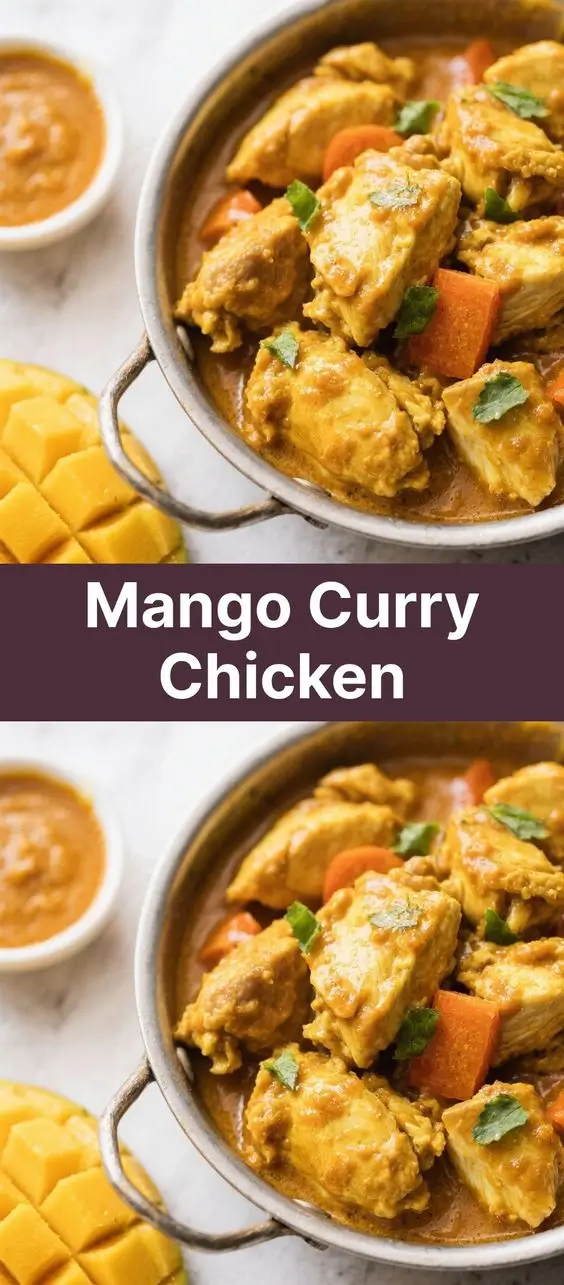
Mango Curry Chicken: A Tropical Fusion of Sweet and Spicy
Mango Curry Chicken is a vibrant, aromatic dish that blends the luscious sweetness of ripe mangoes with the rich, complex flavors of traditional curry spices. Originating from the coastal regions of South Asia and Southeast Asia—where both mangoes and curry are culinary staples—this dish represents a beautiful marriage of tropical fruit and savory depth. Whether served over steaming basmati rice, with naan bread, or alongside coconut-infused quinoa, Mango Curry Chicken offers a refreshing twist on classic curries. Its growing popularity across global kitchens stems not only from its tantalizing taste but also from its versatility and relative ease of preparation.
The History of Mango Curry Chicken
The roots of Mango Curry Chicken trace back to centuries-old culinary traditions in India, Sri Lanka, Thailand, and other parts of South and Southeast Asia, where mangoes have been cultivated for over 4,000 years. In these regions, mangoes were more than just a fruit—they symbolized prosperity, fertility, and divine pleasure. While raw green mangoes were often used in chutneys and pickles, ripe mangoes found their way into desserts and, eventually, savory dishes.
Curry, as a concept, evolved from spice-laden stews developed in the Indian subcontinent, using turmeric, cumin, coriander, chili, and fenugreek. As trade routes expanded, so did the exchange of ingredients and techniques. By the colonial era, European influences introduced new cooking methods, while Asian diasporas carried recipes across continents. It was in this melting pot of cultural exchange that Mango Curry Chicken likely emerged—perhaps first prepared in home kitchens where cooks experimented by adding sweet mango pulp to creamy chicken curries.
In modern times, the dish has become a staple in fusion cuisine, particularly popular in Caribbean, Indo-Chinese, and Pan-Asian restaurants. Countries like Thailand and Malaysia incorporate coconut milk and lemongrass into their versions, while Indian adaptations may use garam masala and tamarind for balance. Today, Mango Curry Chicken stands as a testament to how regional ingredients can inspire globally beloved comfort food.
Ingredients Breakdown
Creating an authentic yet accessible Mango Curry Chicken requires a thoughtful selection of ingredients that harmonize sweetness, heat, creaminess, and umami. Below is a detailed breakdown of each component:
- Chicken (1.5 lbs / 700g) – Boneless, skinless thighs are preferred for their tenderness and ability to absorb flavors without drying out during cooking. Breasts can be used but require careful timing to avoid toughness.
- Ripe Mangoes (2 medium) – Choose Alphonso, Ataulfo (Honey), or Kesar mangoes for their rich, floral sweetness and low fiber content. One mango is pureed for the sauce; the other is diced for texture and freshness.
- Onion (1 large, finely chopped) – Yellow or red onions provide a balanced base. Slowly caramelized, they add natural sweetness and depth.
- Garlic (4 cloves, minced) – Fresh garlic contributes pungency and aroma, essential for building flavor layers.
- Ginger (1 tbsp, grated) – Adds warmth and slight spiciness, complementing the mango’s sweetness.
- Coconut Milk (1 can, 13.5 oz / 400ml) – Full-fat coconut milk ensures a creamy, luxurious texture. Light coconut milk can be substituted but yields a thinner sauce.
- Curry Powder (2–3 tbsp) – A blend typically containing turmeric, coriander, cumin, fenugreek, mustard, and chili. For authenticity, consider homemade or region-specific blends (e.g., Madras, Thai red).
- Garam Masala (1 tsp) – Added at the end for a warm, fragrant finish.
- Turmeric (1/2 tsp) – Provides color and earthy undertones.
- Ground Cumin & Coriander (1 tsp each) – Enhance smokiness and citrusy notes.
- Fresh Green Chilies (1–2, sliced) – Adjust according to heat preference. Serrano or Thai bird chilies work well.
- Tomato Paste (1 tbsp) – Deepens the sauce and adds slight acidity.
- Lime Juice (2 tbsp) – Brightens the dish and balances richness.
- Fresh Cilantro (1/4 cup, chopped) – Used for garnish and fresh herbal lift.
- Vegetable Oil or Ghee (2 tbsp) – Ghee enhances richness; oil keeps it dairy-free.
- Salt & Black Pepper (to taste)
- Water or Chicken Broth (1/2 cup) – For adjusting consistency.
Step-by-Step Recipe
- Prepare the Mango Puree: Peel and pit two ripe mangoes. Blend one entirely until smooth. Dice the second and set aside for later use.
- Sauté Aromatics: Heat oil or ghee in a large skillet or Dutch oven over medium heat. Add chopped onions and cook for 6–8 minutes until golden brown, stirring occasionally to prevent burning.
- Add Ginger-Garlic Paste: Stir in minced garlic and grated ginger. Cook for 1–2 minutes until fragrant, taking care not to let them burn.
- Bloom the Spices: Reduce heat slightly. Add curry powder, turmeric, cumin, coriander, and tomato paste. Stir constantly for 1 minute to toast the spices and release their essential oils.
- Cook the Chicken: Add chicken pieces and sear for 4–5 minutes, turning occasionally, until lightly browned on all sides.
- Incorporate Liquids: Pour in coconut milk and mango puree. Stir well to combine. Add water or broth to achieve desired thickness—start with 1/2 cup and adjust as needed.
- Simmer: Bring to a gentle boil, then reduce heat to low. Cover and simmer for 20–25 minutes, stirring occasionally, until chicken is fully cooked and tender.
- Add Diced Mango: Stir in the reserved diced mango and green chilies. Simmer uncovered for another 5–7 minutes to preserve texture and freshness.
- Finish with Flavor: Remove from heat. Stir in lime juice, garam masala, salt, and black pepper. Taste and adjust seasoning—more lime for tang, more mango for sweetness, or chili for heat.
- Garnish and Serve: Sprinkle with fresh cilantro. Serve hot with rice, naan, or flatbreads.
Tips for Perfect Mango Curry Chicken
- Use Ripe, Not Overripe Mangoes: Overripe mangoes can make the sauce overly sweet and mushy. Opt for mangoes that yield slightly to pressure and have a fruity aroma.
- Don’t Skip Blooming the Spices: Toasting spices in fat unlocks their full flavor potential and prevents a raw, powdery taste.
- Simmer Gently: Avoid boiling vigorously, especially after adding coconut milk, which can separate if overheated.
- Balancing Flavors: This dish should strike a harmony between sweet, spicy, sour, and savory. Use lime juice or a splash of apple cider vinegar to cut through sweetness if needed.
- Make Ahead Friendly: The curry tastes even better the next day as flavors meld. Reheat gently on the stove with a splash of water or broth.
- Freezing: Store in airtight containers for up to 3 months. Thaw overnight in the refrigerator before reheating.
- Thickening the Sauce: If the curry is too thin, simmer uncovered longer. If too thick, add more broth or coconut milk.
Variations and Customizations
Mango Curry Chicken is highly adaptable to dietary preferences and regional tastes:
- Vegan Version: Replace chicken with chickpeas, tofu, or jackfruit. Use vegetable broth instead of chicken stock.
- Thai-Inspired: Add lemongrass (bruised stalk), kaffir lime leaves, and red curry paste. Substitute fish sauce for salt to enhance umami.
- Caribbean Twist: Include allspice, thyme, and Scotch bonnet peppers. Serve with rice and peas.
- Indian Style: Use yogurt instead of coconut milk, and include ground almonds or cashew paste for richness.
- Spicier Kick: Add cayenne pepper, crushed red pepper flakes, or extra green chilies.
- Creamier Texture: Blend in cashew butter or heavy cream for a decadent version.
- Gluten-Free: Naturally gluten-free if using certified GF curry powder and tamari (if substituting soy sauce).
- Low-Sugar Option: Use slightly underripe mangoes or substitute half with papaya or peach for reduced sugar content.
Health Considerations and Nutritional Value
Mango Curry Chicken offers a nutritious profile when prepared with mindful ingredient choices:
- Protein: Chicken provides high-quality protein essential for muscle repair and satiety. Skinless thighs offer a good balance of flavor and fat.
- Healthy Fats: Coconut milk contains medium-chain triglycerides (MCTs), which are metabolized differently and may support energy levels. However, it’s calorie-dense, so moderation is key.
- Vitamins & Minerals: Mangoes are rich in vitamin C (immune support), vitamin A (eye health), folate, and potassium. They also contain antioxidants like mangiferin, which has anti-inflammatory properties.
- Spices: Turmeric contains curcumin, known for its potent anti-inflammatory and antioxidant effects. Pairing it with black pepper enhances absorption.
- Dietary Fiber: While minimal in this dish, serving with brown rice or quinoa boosts fiber intake, aiding digestion and blood sugar control.
- Sodium Watch: Be cautious with store-bought curry powders and broths, which may be high in sodium. Opt for low-sodium versions or make your own spice blend.
- Sugar Content: Ripe mangoes are naturally high in fructose. Diabetics or those managing blood sugar should monitor portion sizes or use less mango and more vegetables.
- Caloric Density: A typical serving (1.5 cups) ranges from 400–600 calories depending on coconut milk amount and added fats. Lighter versions can be made with lean chicken breast and light coconut milk.
Ingredients
- 1.5 lbs (700g) boneless, skinless chicken thighs, cut into bite-sized pieces
- 2 ripe mangoes (preferably Alphonso or Ataulfo)
- 2 tbsp vegetable oil or ghee
- 1 large yellow onion, finely chopped
- 4 garlic cloves, minced
- 1 tbsp fresh ginger, grated
- 2–3 tbsp curry powder (adjust to taste)
- 1 tsp ground cumin
- 1 tsp ground coriander
- ½ tsp ground turmeric
- 1 tbsp tomato paste
- 1 can (13.5 oz / 400ml) full-fat coconut milk
- ½ cup chicken broth or water
- 1–2 fresh green chilies, sliced (optional)
- 1 tsp garam masala
- 2 tbsp fresh lime juice
- Salt and freshly ground black pepper, to taste
- ¼ cup fresh cilantro, chopped (for garnish)
Directions
- Peel and pit both mangoes. Blend one completely into a smooth puree. Dice the second and set aside.
- In a large heavy-bottomed pot or deep skillet, heat oil or ghee over medium heat.
- Add chopped onions and sauté for 6–8 minutes until soft and golden brown.
- Stir in garlic and ginger; cook for 1 minute until fragrant.
- Add curry powder, cumin, coriander, turmeric, and tomato paste. Stir continuously for 1 minute to bloom the spices.
- Add chicken pieces and sear for 4–5 minutes, turning to brown slightly on all sides.
- Pour in coconut milk and mango puree. Stir well to combine.
- Add chicken broth or water to reach desired consistency. Bring to a gentle simmer.
- Cover and cook for 20–25 minutes, stirring occasionally, until chicken is tender and cooked through.
- Uncover, stir in diced mango and green chilies. Simmer for another 5–7 minutes.
- Remove from heat. Stir in garam masala, lime juice, salt, and black pepper.
- Taste and adjust seasoning—add more lime for acidity, mango for sweetness, or chili for heat.
- Garnish generously with fresh cilantro.
- Serve immediately with basmati rice, naan, or roti.
FAQ
Can I use frozen mango?
Yes, thawed frozen mango can be used if fresh is unavailable. However, fresh mango yields superior flavor and texture.
Can I make this in a slow cooker?
Absolutely. Sauté onions, garlic, and spices first, then transfer to a slow cooker. Add chicken, coconut milk, mango puree, and broth. Cook on low for 6 hours or high for 3–4. Add diced mango and lime juice in the last 30 minutes.
Is Mango Curry Chicken spicy?
It can be customized. Mild versions use little to no chili, while hot versions include extra green chilies or cayenne. Always taste and adjust.
What can I serve with Mango Curry Chicken?
Excellent pairings include jasmine rice, basmati rice, naan bread, chapati, quinoa, or cauliflower rice for low-carb diets.
Can I use canned mango pulp?
While possible, canned pulp may contain added sugars or preservatives. Fresh is best, but unsweetened canned pulp works in a pinch.
Why did my coconut milk separate?
This happens when exposed to high heat or acidic ingredients too quickly. To prevent, keep heat low, stir frequently, and add lime juice only at the end.
How long does it keep in the fridge?
Stored in an airtight container, it lasts 3–4 days. Reheat gently on the stove.
Can I add vegetables?
Yes! Bell peppers, spinach, zucchini, or carrots can be added during the last 10 minutes of cooking.
Summary
Mango Curry Chicken is a sumptuous fusion dish that combines tender chicken, creamy coconut milk, and sweet ripe mangoes, elevated with aromatic curry spices and bright citrus notes.
Easy to customize, rich in flavor, and packed with nutritional benefits, it’s a tropical delight perfect for weeknight dinners or entertaining guests.