Introduction
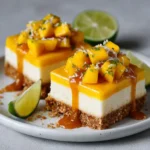
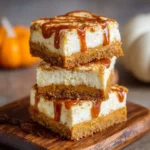
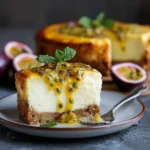
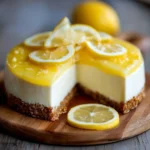
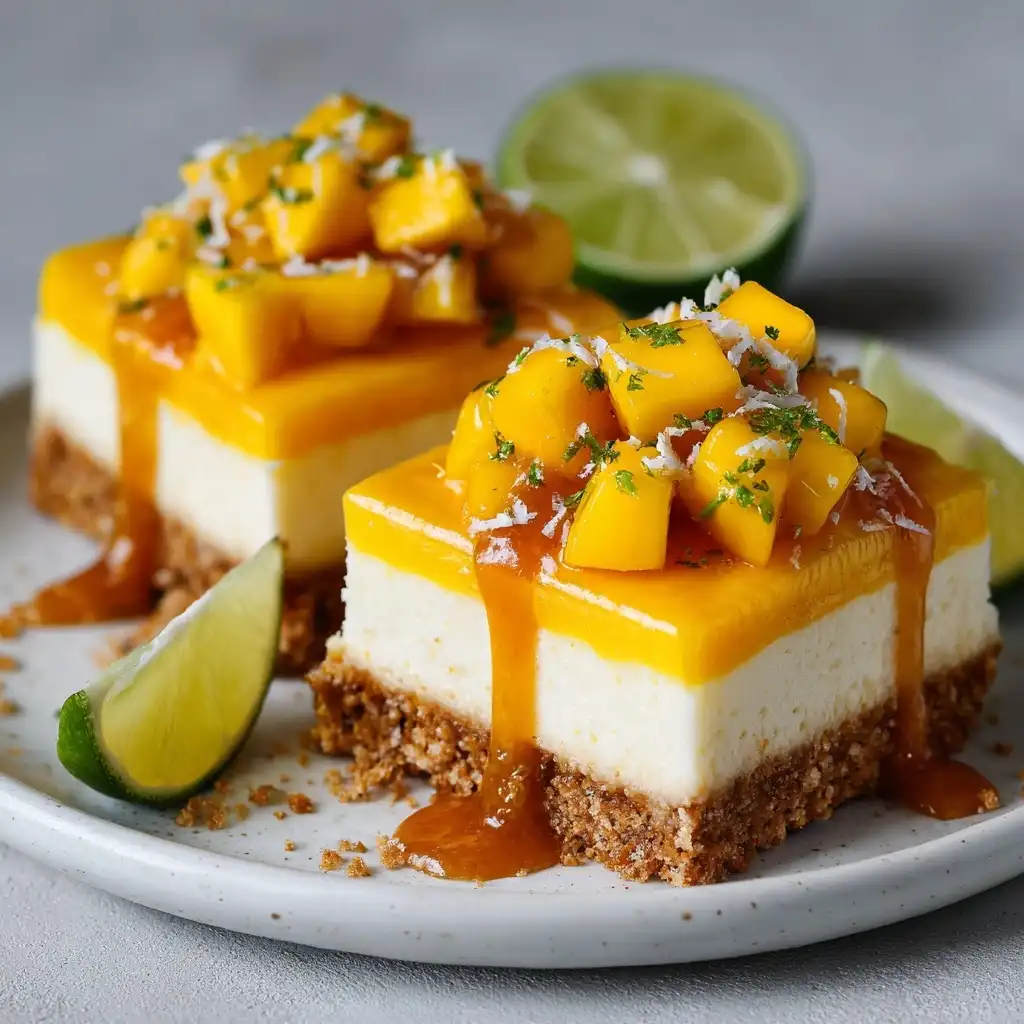
Mango Cheesecake Bars are a luscious, tropical fusion of creamy New York–style cheesecake and the bright, sun-kissed sweetness of ripe mango—transformed into an effortlessly elegant, no-fuss bar format. These decadent yet approachable treats strike the perfect balance between rich, velvety tang and vibrant fruity freshness, making them ideal for summer potlucks, brunch spreads, birthday celebrations, or simply as a luxurious weekday indulgence. Unlike traditional cheesecakes that demand water baths, precise cooling schedules, and springform pan anxiety, Mango Cheesecake Bars deliver restaurant-quality flavor and texture in a simplified, slice-and-serve format—complete with a buttery graham cracker crust, a luxuriously smooth mango-infused cream cheese filling, and often a glossy, jewel-toned mango glaze or fresh fruit garnish. Whether you’re a seasoned baker or a curious beginner, these bars invite creativity, adaptability, and joyful sensory delight—with every bite evoking breezy island mornings and creamy dessert dreams.
The History
The evolution of Mango Cheesecake Bars is a delicious story of culinary globalization, innovation, and dessert democratization. While classic cheesecake traces its roots back over 2,000 years to ancient Greece—where it appeared as a simple mixture of honey-sweetened cheese and flour served at Olympic games—the modern American baked cheesecake emerged in the late 19th century, notably refined by William Lawrence in 1872 with the accidental invention of cream cheese in Chester, New York. The bar format gained popularity during the mid-20th century’s “picnic era,” when home economists and women’s magazines championed portable, portion-controlled desserts ideal for church socials, school bake sales, and family road trips. Meanwhile, mango—a fruit native to South Asia and cultivated for over 4,000 years—began appearing more frequently in Western baking as global trade expanded and frozen mango purée became widely available in the 1980s and ’90s. Early iterations of mango cheesecake appeared in Southeast Asian and Caribbean cookbooks as layered tortes or chilled no-bake versions, but the bar adaptation surged in the 2010s alongside the food blog boom and Instagram-driven dessert culture. Influenced by Filipino *mango float*, Indian *aamras*-inspired desserts, and Miami’s vibrant Latin-Caribbean pastry scene, Mango Cheesecake Bars crystallized as a signature hybrid: honoring cheesecake’s structural integrity while embracing mango’s aromatic complexity—its terpenes (like limonene and myrcene) harmonizing beautifully with lactic acid and dairy fat. Today, they symbolize a broader trend toward globally inspired, fruit-forward, and accessible luxury in home baking.
Ingredients Breakdown
Understanding each component not only ensures success but unlocks endless customization potential:
- Graham Cracker Crust Base: Typically made from finely crushed graham crackers (or digestive biscuits outside the U.S.), melted unsalted butter, and granulated sugar. The crumbs provide structure and subtle caramelized notes; butter binds and adds richness; sugar enhances browning and balances acidity. Optional additions include ground ginger, cardamom, or toasted coconut for depth.
- Cream Cheese Filling Foundation: Full-fat, brick-style cream cheese (Philadelphia brand or equivalent) is non-negotiable—low-fat or whipped varieties introduce excess moisture and cause cracking or graininess. It must be softened to true room temperature (65–70°F/18–21°C) for seamless emulsification. Sour cream or full-fat Greek yogurt adds tang, moisture, and tender crumb; heavy cream or crème fraîche contributes silkiness and prevents dryness.
- Sweeteners & Stabilizers: Granulated sugar provides sweetness and aids in aeration; brown sugar (light or dark) lends molasses depth and moisture retention. Eggs—preferably large, room-temperature—act as binders and leaveners; overmixing incorporates too much air, risking puffing and collapse. Cornstarch or tapioca starch (1–2 tsp) reinforces structure and minimizes cracks without dulling flavor. A pinch of fine sea salt heightens all other flavors.
- Mango Component: This is where nuance shines. Fresh, ultra-ripe Ataulfo (Champagne) or Kent mangoes offer intense aroma, low fiber, and high natural pectin—ideal for puréeing. Frozen mango chunks (unsweetened, IQF) are a year-round, consistent alternative—just thaw and drain thoroughly. Canned mango purée (in light syrup, drained) works in a pinch but may add unwanted sweetness or metallic notes. For optimal flavor and color, use a combination: ¾ cup strained, silky-smooth purée + ¼ cup finely diced fresh mango folded in just before baking for bursts of texture and brightness. Avoid store-bought “mango nectar” or juice drinks—they’re overly diluted and contain preservatives that destabilize the batter.
- Flavor Enhancers: Pure vanilla extract (not imitation) adds warmth; fresh lime or lemon zest (½ tsp) lifts the mango’s perfume and cuts richness; a splash of mango liqueur (e.g., Mangarita) or passionfruit puree (1 tsp) deepens tropical complexity. A tiny drop of almond extract (⅛ tsp) can subtly echo mango’s natural nuttiness—use sparingly!
- Glaze & Garnish (Optional but Recommended): A glossy mango glaze—simmered purée thickened with a cornstarch slurry or gelatin—adds visual drama and intensifies fruit flavor. Fresh mint leaves, edible orchids, toasted coconut flakes, or delicate mango ribbons elevate presentation and freshness.
Step-by-Step Recipe
- Prep & Preheat: Position oven rack in center position. Preheat oven to 325°F (163°C). Lightly grease a 9×13-inch metal baking pan (not glass or ceramic, which retain heat unevenly), then line bottom and long sides with two overlapping sheets of parchment paper, leaving 2-inch overhangs on all sides for easy lifting. Set aside.
- Make the Crust: In a food processor, pulse 1 ½ cups (150g) graham cracker crumbs, ¼ cup (50g) granulated sugar, and 6 tbsp (85g) unsalted butter (melted and slightly cooled) until moist clumps form. Press firmly and evenly into the bottom of prepared pan using the back of a measuring cup or flat-bottomed glass. Bake for 10 minutes until fragrant and lightly golden. Remove and cool completely on a wire rack (at least 15 minutes)—do not skip cooling, or hot crust will melt filling.
- Prepare Mango Purée: Peel, pit, and cube 2 large ripe mangoes (about 3 cups flesh). Purée in a blender or food processor until completely smooth (45–60 seconds). Strain through a fine-mesh sieve, pressing with a spatula to extract every bit of liquid gold—discard fibrous pulp. Measure exactly 1 cup (240ml) strained purée; refrigerate remaining for glaze or smoothies. Let purée come to cool room temperature (not cold).
- Beat Cream Cheese Base: Using a stand mixer fitted with paddle attachment (or hand mixer), beat 24 oz (680g / three 8-oz bricks) full-fat cream cheese on medium speed for 2 minutes until completely smooth, scraping bowl and paddle frequently. Add 1 cup (200g) granulated sugar and ¼ cup (50g) light brown sugar; beat 2 more minutes until fluffy and lump-free. Scrape down bowl thoroughly.
- Incorporate Wet Ingredients: Add 1 cup (240g) full-fat sour cream, ½ cup (120ml) heavy cream, 2 tsp pure vanilla extract, 1 tsp finely grated lime zest, and ½ tsp fine sea salt. Beat on low speed just until combined (~30 seconds)—do not overmix. Add eggs one at a time, beating on low just until yolk disappears (about 15 seconds per egg), scraping bowl after each. Overbeating introduces air bubbles that expand and collapse, causing cracks.
- Integrate Mango: With mixer on lowest speed (or fold gently by hand with silicone spatula), gradually add the 1 cup cooled mango purée. Mix only until fully incorporated and uniform in color—no streaks. Overmixing here can cause separation. Gently fold in ½ cup (75g) finely diced fresh mango (optional but recommended for texture).
- Pour & Smooth: Carefully pour filling over cooled crust. Tap pan sharply 3–4 times on counter to release air bubbles. Use an offset spatula to smooth surface evenly. Run a toothpick or skewer through batter in a gentle “S” pattern to further eliminate trapped air.
- Bake Low & Slow: Place pan on center oven rack. Bake for 55–65 minutes. Bars are done when edges are set and lightly golden, center jiggles *slightly* like Jell-O (not liquid), and internal temperature reads 150–155°F (65–68°C) on an instant-read thermometer inserted 1 inch from edge. Avoid overbaking—the residual heat will finish cooking the center.
- Cool Gradually (Critical!): Turn off oven. Crack oven door open 1–2 inches with a wooden spoon handle. Let bars cool inside oven for 1 hour. This slow cooldown prevents drastic temperature shifts that cause sinking or cracking. Then, transfer pan to wire rack and cool completely at room temperature (2–3 hours). Refrigerate uncovered for at least 6 hours—or preferably overnight—for optimal firmness and flavor melding.
- Cut & Serve: Use parchment overhangs to lift entire slab onto cutting board. With a sharp, thin-bladed knife wiped clean and dipped in hot water between cuts, slice into 12–16 even bars. Wipe knife meticulously after each cut for pristine edges.
Tips
- Room Temperature Is Non-Negotiable: Cold cream cheese = lumps. Cold eggs = curdled batter. Cold mango purée = temperature shock → separation. Plan ahead: remove dairy and eggs from fridge 2–3 hours before baking.
- Straining Is Essential: Even “fiberless” mangoes leave micro-pulp. Unstrained purée creates gritty, uneven texture and dulls gloss. Don’t rush the sieve—press firmly!
- Measure by Weight When Possible: Volume measurements for crumbs, sugar, and cream cheese vary wildly. A kitchen scale ensures precision and repeatability.
- Don’t Skip the Parchment: It’s the single biggest factor in flawless removal. Greasing alone leads to stuck, broken bars.
- Resist the Urge to Peek: Opening the oven door before the 50-minute mark causes dramatic temperature drops → cracks and sinking. Trust the timeline and visual cues.
- Chill Before Cutting—Seriously: Warm bars crumble. Overnight chilling yields clean, sharp slices and allows mango flavor to bloom. If short on time, freeze for 30 minutes before cutting.
- Hot Knife Technique: For glassy, professional-looking cuts: dip knife in boiling water, wipe dry, slice, repeat. Prevents dragging and smearing.
- Prevent Browning Edges: If corners darken too quickly, loosely tent pan with foil during last 15 minutes of baking.
- Save Scraps: Trimmed edges? Blend with yogurt and honey for mango-cheesecake smoothies, or crumble over ice cream.
- Patience Pays Off: Flavor deepens significantly after 24 hours refrigeration. The tang mellows, mango brightens, and textures harmonize.
Variations and Customizations
These bars are a canvas for imagination—here’s how to make them your own:
- Dietary Adaptations: Gluten-Free: Use certified GF graham crackers or almond flour crust (1 ¼ cups almond flour + ¼ cup coconut sugar + 6 tbsp melted butter). Vegan: Substitute cashew cream cheese base (soaked raw cashews + lemon + coconut oil + maple syrup), coconut cream for sour cream, flax eggs, and GF oat crust. Lower-Sugar: Replace half sugar with monk fruit blend; boost mango flavor with extra zest and a splash of mango extract.
- Crust Twists: Swap graham crackers for speculoos (for spiced warmth), toasted coconut cookies (for tropical crunch), crushed amaretti (for almond elegance), or even a shortbread crust (buttery, crumbly sophistication).
- Filling Infusions: Swirl in ¼ cup salted caramel before baking; fold in ½ cup toasted macadamia nuts; add 2 tbsp finely chopped candied ginger for zing; stir in 1 tsp matcha powder for earthy contrast; or replace 2 tbsp mango purée with passionfruit concentrate for tart intensity.
- Layered Luxe: Spread ½ cup mango curd over baked-and-cooled crust before adding filling. Or, after baking and chilling, top with a thin layer of white chocolate ganache infused with freeze-dried mango powder.
- Glaze Genius: Mango Glaze: Simmer ½ cup purée + 2 tbsp sugar + 1 tsp cornstarch slurry (1 tsp cornstarch + 1 tbsp water) until thickened; cool slightly, then brush over chilled bars. Alternative glazes: lime-coconut (coconut milk + lime zest + confectioners’ sugar), berry-mango coulis, or glossy mirror glaze with mango essence.
- Global Inspirations: Thai-Inspired: Add 1 tsp fish sauce (yes!) and 1 tbsp palm sugar to purée for umami-sweet complexity. Garnish with cilantro and chili threads. Indian-Inspired: Infuse cream cheese with ½ tsp ground cardamom + 1 tbsp rosewater. Top with pistachios and edible rose petals. Mexican-Inspired: Add 1 tsp ancho chili powder and 1 tbsp piloncillo syrup to crust; garnish with pickled red onions and mint.
- Mini & Portable: Bake in a lined muffin tin (lined with paper liners) for individual mango cheesecake cups—reduce bake time to 22–28 minutes. Perfect for parties or lunchboxes.
- No-Bake Version: Whisk 1 envelope unflavored gelatin (2 ¼ tsp) into ¼ cup cold water; let bloom 5 mins. Heat ¼ cup mango purée until steaming, whisk in bloomed gelatin until dissolved. Cool to room temp, then fold into whipped cream cheese mixture (cream cheese + powdered sugar + whipped cream). Pour over crust, chill 8+ hours.
Health Considerations and Nutritional Value
While undeniably indulgent, Mango Cheesecake Bars can be contextualized within a balanced diet—and thoughtful tweaks enhance their nutritional profile:
- Nutrient Highlights: Mangoes are vitamin C powerhouses (boosting immunity and collagen synthesis), rich in vitamin A (as beta-carotene for eye health), folate (crucial for cell repair), and polyphenols like mangiferin—a potent antioxidant with anti-inflammatory properties studied for metabolic support. Cream cheese provides calcium and high-quality protein; graham crackers contribute B vitamins (especially thiamine) and trace minerals like selenium.
- Macros (Per Standard Bar, Approx. 1/16 of Recipe): Calories: ~285 kcal | Fat: 18g (11g saturated) | Carbs: 26g (19g sugars, 1g fiber) | Protein: 4g | Sodium: 180mg. Values shift significantly with substitutions (e.g., almond crust lowers carbs; reduced sugar cuts calories by ~30).
- Considerations for Sensitive Diets: High in saturated fat and added sugar—moderation is key for those managing cholesterol, blood sugar (diabetes), or weight. Lactose-intolerant individuals may tolerate small servings due to fermentation in sour cream/cream cheese, but dairy-free versions are safer. Gluten-free options require vigilance about cross-contamination.
- Smart Swaps for Wellness: Boost fiber by adding 2 tbsp ground flaxseed or chia seeds to crust. Increase protein by folding in 2 tbsp collagen peptides (unflavored) into filling pre-baking. Reduce glycemic load with erythritol or allulose blends instead of granulated sugar—note: allulose browns faster, so lower oven temp by 10°F.
- Portion Mindfulness: Serve smaller bars (1/20th of recipe) alongside fresh fruit salad or herbal tea to savor flavor without excess. Pairing with protein-rich foods (Greek yogurt, nuts) slows sugar absorption.
- Not a Health Food—but Not “Junk” Either: Real, whole-food ingredients (mango, dairy, eggs) offer meaningful phytonutrients and bioactive compounds absent in ultra-processed sweets. Enjoying them consciously—as part of a varied, plant-forward diet—supports both physical and emotional well-being. As registered dietitians emphasize: pleasure in eating is itself a pillar of sustainable nutrition.
Ingredients
- For the Crust:
- 1 ½ cups (150g) graham cracker crumbs (about 12 full sheets)
- ¼ cup (50g) granulated sugar
- 6 tablespoons (85g) unsalted butter, melted and slightly cooled
- For the Mango Cheesecake Filling:
- 24 ounces (680g) full-fat brick-style cream cheese, at room temperature (three 8-oz packages)
- 1 cup (200g) granulated sugar
- ¼ cup (50g) light brown sugar, packed
- 1 cup (240g) full-fat sour cream, at room temperature
- ½ cup (120ml) heavy cream (36% fat), at room temperature
- 2 teaspoons pure vanilla extract
- 1 teaspoon finely grated lime zest (preferably organic)
- ½ teaspoon fine sea salt
- 3 large eggs, at room temperature
- 1 cup (240ml) freshly prepared, strained, and cooled mango purée (from ~2 large ripe mangoes)
- ½ cup (75g) finely diced fresh mango (optional, for texture)
- 1 tablespoon cornstarch or tapioca starch
- For the Mango Glaze (Optional but Recommended):
- ½ cup (120ml) reserved or additional strained mango purée
- 2 tablespoons (25g) granulated sugar
- 1 teaspoon cornstarch mixed with 1 tablespoon cold water (slurry)
- 1 tablespoon fresh lime juice
- For Garnish (Optional):
- Fresh mint leaves
- Thin mango ribbons or diced fresh mango
- Toasted unsweetened coconut flakes
- Edible flowers (e.g., pansies, violets)
Directions
- Preheat oven to 325°F (163°C). Prepare a 9×13-inch metal baking pan: grease lightly with butter or non-stick spray, then line bottom and long sides with parchment paper, leaving 2-inch overhangs on all sides.
- Make the crust: In a medium bowl, combine graham cracker crumbs, granulated sugar, and melted butter. Stir with a fork until mixture resembles wet sand and holds together when pinched. Press firmly and evenly into the bottom of the prepared pan using the back of a flat-bottomed measuring cup. Bake for 10 minutes, until fragrant and lightly golden. Remove from oven and cool completely on a wire rack (minimum 15 minutes).
- Prepare mango purée: Peel, pit, and cube mango flesh. Purée in a high-speed blender until completely smooth (45–60 seconds). Immediately strain through a fine-mesh sieve into a bowl, pressing firmly with a silicone spatula to extract maximum liquid. Discard pulp. Measure exactly 1 cup (240ml) purée; cover and refrigerate remaining for another use. Let measured purée sit at cool room temperature (not cold) while preparing filling.
- Make the filling: In the bowl of a stand mixer fitted with paddle attachment (or large mixing bowl with hand mixer), beat cream cheese on medium speed for 2 minutes until perfectly smooth and creamy, scraping bowl and paddle thoroughly. Add granulated and brown sugars; beat 2 more minutes until light and fluffy. Scrape down bowl.
- Add sour cream, heavy cream, vanilla, lime zest, and salt. Beat on low speed just until combined (~30 seconds). Add eggs one at a time, beating on low just until yolk disappears (about 15 seconds per egg), scraping bowl after each addition.
- With mixer on lowest speed, gradually add the 1 cup cooled mango purée. Mix only until fully incorporated and uniform—no streaks remain. Gently fold in diced mango (if using) and cornstarch with a silicone spatula until just distributed.
- Pour filling over cooled crust. Tap pan firmly on counter 3–4 times to release air bubbles. Smooth top with an offset spatula. Run a toothpick through batter in a gentle “S” pattern to eliminate any remaining bubbles.
- Bake for 55–65 minutes, until edges are set and lightly golden, center jiggles *just slightly* (like Jell-O), and internal temperature reads 150–155°F (65–68°C) when measured 1 inch from edge.
- Turn off oven. Crack door open 1–2 inches with a wooden spoon handle. Let bars cool in oven for 1 hour. Transfer pan to wire rack and cool completely at room temperature (2–3 hours).
- Cover loosely with plastic wrap and refrigerate for at least 6 hours—or ideally, overnight (12+ hours) for best texture and flavor.
- Make glaze (optional): In a small saucepan, whisk mango purée, sugar, and cornstarch slurry. Bring to a simmer over medium-low heat, stirring constantly. Cook 2–3 minutes until thickened and glossy. Remove from heat; stir in lime juice. Cool completely (it will thicken further). Brush evenly over chilled bars.
- Use parchment overhangs to lift slab from pan. Place on cutting board. With a hot, clean, thin-bladed knife, cut into 12–16 bars, wiping knife clean and re-heating between cuts. Garnish as desired. Store covered in refrigerator for up to 5 days.
FAQ
- Can I use frozen mango?
- Yes—unsweetened frozen mango chunks are excellent! Thaw completely in a colander, then press firmly with paper towels to remove *all* excess water. Measure purée *after* draining. Excess moisture causes soggy crust and weeping.
- Why did my bars crack?
- Most common causes: overmixing the batter (especially eggs), rapid temperature changes (opening oven too soon, cooling too fast), or overbaking. Our slow oven cooldown and cornstarch help prevent this—but if cracks appear, embrace them! A glossy mango glaze hides them beautifully.
- Can I make these ahead?
- Absolutely—and you should! They taste best after 24 hours refrigeration. Fully assembled bars keep for 5 days refrigerated. Unbaked crust freezes well for up to 3 months; thaw before baking. Baked-and-chilled bars freeze beautifully for up to 3 months—wrap tightly in plastic + foil; thaw overnight in fridge before slicing.
- My mango purée is watery—is that okay?
- No. Watery purée = weak flavor and structural failure. Always strain thoroughly and blot diced mango. If purée seems thin, simmer gently in a saucepan for 2–3 minutes to reduce by ~10%, then cool completely before using.
- What’s the best mango variety to use?
- Ataulfo (Honey or Champagne) mangoes are ideal—creamy, low-fiber, intensely aromatic. Kent and Keitt are excellent alternatives. Avoid Tommy Atkins for baking—it’s fibrous and bland. If using underripe mangoes, ripen at room temperature in a paper bag with an apple for 2–4 days.
- Can I omit the sour cream?
- You can substitute full-fat plain Greek yogurt (same volume), but do not omit entirely. Sour cream adds essential fat, acidity, and moisture that balances the richness and stabilizes the texture. Skipping it risks dry, dense bars.
- Why does the recipe specify metal pans—not glass or ceramic?
- Metal conducts heat evenly and cools rapidly, ensuring consistent baking and preventing overdone edges. Glass retains heat too aggressively, leading to cracked centers and burnt crusts. Ceramic behaves similarly. Stick with aluminum or stainless steel.
- How do I prevent the crust from getting soggy?
- Cool the crust completely before adding filling, and ensure mango purée is well-strained and not watery. For extra insurance, brush warm, baked crust with a thin layer of melted white chocolate or apricot jam before adding filling—it creates a moisture barrier.
- Can I double the recipe?
- Yes—but bake in two separate 9×13-inch pans. Doubling in