Loaded Steak Quesadillas: The Ultimate Fusion of Flavor and Comfort
The History of the Loaded Steak Quesadilla
The quesadilla, a beloved staple of Mexican cuisine, traces its roots back to colonial Mexico, where indigenous people first combined corn tortillas with cheese and cooked them over open flames. Traditionally, a simple quesadilla consisted of a single tortilla filled with fresh cheese—often Oaxaca or queso fresco—and folded in half before being grilled until golden and melty. Over time, as regional cuisines evolved and international influences seeped into traditional dishes, the concept of the quesadilla expanded beyond its humble beginnings.
The modern “loaded” version of the quesadilla emerged from Tex-Mex culinary innovation—a vibrant fusion of American and Mexican cooking styles that flourished along the U.S.-Mexico border. In cities like San Antonio, El Paso, and Laredo, cooks began experimenting with bolder fillings, incorporating ingredients such as seasoned meats, beans, bell peppers, onions, and even potatoes. The introduction of grilled steak into the quesadilla was a natural progression, appealing to meat lovers and elevating the dish into something hearty enough to serve as a full meal rather than just an appetizer or snack.
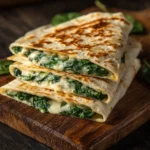
Today’s Loaded Steak Quesadilla represents the pinnacle of this evolution—an indulgent, flavor-packed creation that combines tender strips of marinated steak with gooey melted cheese, sautéed vegetables, and sometimes even refried beans or guacamole, all encased between two crispy tortillas. It has become a popular item on restaurant menus across North America and is now a favorite among home cooks looking to impress family and friends with bold flavors and satisfying textures. Whether served at a weekend brunch, game-day gathering, or weeknight dinner, the loaded steak quesadilla stands as a testament to how tradition can evolve deliciously through creativity and cultural exchange.
Ingredients Breakdown: What Makes This Dish Shine
The magic of a truly great loaded steak quesadilla lies not just in technique, but in the careful selection and balance of ingredients. Each component plays a vital role in building layers of flavor, texture, and aroma. Here’s a detailed breakdown of what goes into crafting the perfect gourmet quesadilla:
- Steak (Flank, Skirt, or Ribeye): These cuts are ideal for quesadillas due to their rich beefy flavor and tenderness when marinated and quickly grilled. Flank and skirt steak absorb marinades exceptionally well and develop a beautiful char, while ribeye offers more marbling for extra juiciness.
- Marinade Components: A blend of lime juice, soy sauce or Worcestershire sauce, garlic, cumin, smoked paprika, oregano, olive oil, and freshly cracked black pepper tenderizes the meat and infuses it with deep, savory complexity.
- Cheese Blend: Combining melting cheeses like Monterey Jack and Oaxaca ensures maximum stretch and creaminess, while sharp cheddar or pepper jack adds tang and heat. The cheese acts as both a binder and flavor amplifier.
- Tortillas: Large flour tortillas (burrito-sized, about 10–12 inches) are preferred for their pliability and ability to crisp up beautifully without breaking. Corn tortillas can be used for authenticity, but they require careful handling and may need double-layering.
- Aromatics & Vegetables: Diced onions, sliced bell peppers (red, green, or yellow), and minced garlic bring sweetness, color, and depth. Sautéing them slowly caramelizes their natural sugars, enhancing overall richness.
- Optional Add-Ins: Refried beans add heartiness; pico de gallo brings freshness; guacamole contributes cool creaminess; sour cream or Mexican crema offer a tangy contrast; jalapeños provide spice; and cilantro delivers a bright herbal finish.
- Cooking Fat: Butter or a mix of butter and oil is often used to grill the quesadillas, giving them a golden-brown crust and subtle richness that enhances mouthfeel.
Every ingredient is chosen not only for taste but also for how it interacts with others—creating harmony between smoky, spicy, creamy, tangy, and savory notes.
Step-by-Step Recipe: How to Make Perfect Loaded Steak Quesadillas at Home
Follow these meticulous steps to create restaurant-quality loaded steak quesadillas right in your own kitchen. With attention to detail, timing, and temperature, you’ll achieve a perfectly balanced dish every time.
Preparation Time:
45 minutes (including marinating)
Cooking Time:
20 minutes
Total Time:
Approximately 65 minutes
Servings:
4 large quesadillas (serves 4–8 depending on appetite)
Ingredients
- 1.5 lbs (680g) flank steak or skirt steak
- ½ cup fresh lime juice (about 3–4 limes)
- ¼ cup olive oil
- 4 cloves garlic, minced
- 1 tbsp ground cumin
- 1 tsp smoked paprika
- 1 tsp dried oregano
- 1 tbsp Worcestershire sauce
- 1 tsp black pepper
- 1 tsp salt (plus more to taste)
- 2 large red bell peppers, thinly sliced
- 1 large green bell pepper, thinly sliced
- 1 large yellow onion, thinly sliced
- 2 tbsp vegetable oil (for sautéing veggies)
- 3 cups shredded cheese blend (Monterey Jack, Oaxaca, and sharp cheddar)
- 8 large flour tortillas (10-inch)
- 4 tbsp unsalted butter (or a mix of butter and oil)
- Fresh cilantro, chopped (for garnish)
- Salt and pepper to taste
Optional Toppings & Sides
- Guacamole or sliced avocado
- Pico de gallo
- Sour cream or Mexican crema
- Sliced jalapeños (fresh or pickled)
- Hot sauce or salsa verde
- Lime wedges
- Refried beans (warmed)
- Rice (Mexican red rice or cilantro-lime rice)
Directions
- Marinate the Steak: In a bowl, whisk together lime juice, olive oil, minced garlic, cumin, smoked paprika, oregano, Worcestershire sauce, black pepper, and 1 tsp salt. Place the steak in a resealable plastic bag or shallow dish and pour the marinade over it. Seal and refrigerate for at least 30 minutes, preferably 2–4 hours for deeper flavor. Do not exceed 8 hours if using citrus-heavy marinade, as it can begin to “cook” the meat.
- Prepare the Vegetables: While the steak marinates, heat 2 tablespoons of vegetable oil in a large skillet over medium heat. Add the sliced onions and bell peppers. Season lightly with salt and cook, stirring occasionally, for 10–12 minutes until softened and slightly caramelized. Reduce heat if needed to prevent burning. Set aside and keep warm.
- Grill the Steak: Preheat a grill pan, cast iron skillet, or outdoor grill to high heat. Remove the steak from the marinade (discard excess marinade) and pat dry with paper towels to ensure a good sear. Grill for 4–6 minutes per side for medium-rare (internal temp ~130–135°F), depending on thickness. Let the steak rest for 10 minutes before slicing against the grain into thin strips. This preserves juiciness and ensures tender bites.
- Warm Tortillas: Briefly heat each tortilla on a dry skillet for 15–20 seconds per side to make them pliable and prevent cracking during assembly.
- Assemble the Quesadillas: Lay out four tortillas on a clean surface. Sprinkle a generous layer of shredded cheese on each. Divide the sautéed peppers and onions evenly over the cheese. Top with slices of grilled steak. Sprinkle another layer of cheese on top of the steak—this helps glue everything together and prevents dry spots. Place the second tortilla on top to form a sandwich.
- Cook the Quesadillas: Melt 1 tablespoon of butter in a large non-stick or cast-iron skillet over medium heat. Carefully transfer one assembled quesadilla to the skillet. Cook for 3–4 minutes per side, pressing down gently with a spatula, until deeply golden brown and the cheese is fully melted. Repeat with remaining quesadillas, adding more butter as needed.
- Cut and Serve: Transfer each finished quesadilla to a cutting board. Let sit for 1–2 minutes to set the filling, then slice into wedges using a sharp knife or pizza cutter. Garnish with fresh chopped cilantro and serve immediately with your choice of toppings and sides.
Pro Tips for Success
- Don’t Overfill: While it’s tempting to pile on ingredients, overloading can make the quesadilla difficult to flip and cause leaks. Stick to balanced portions for structural integrity.
- Use High-Quality Tortillas: Fresh, soft flour tortillas from the bakery section or made in-house at Mexican markets yield better results than stale or overly thin versions.
- Rest the Steak Properly: Allowing the grilled steak to rest ensures juices redistribute throughout the meat instead of spilling out when sliced.
- Low and Slow Veggies: Take time to properly caramelize the onions and peppers—they should be sweet and tender, not crunchy or burnt.
- Press Lightly While Cooking: Use a spatula to press the quesadilla gently while cooking to promote even browning and melting, but avoid smashing it flat.
- Keep Finished Quesadillas Warm: If making multiple batches, place cooked quesadillas on a wire rack in a 200°F oven to keep warm without getting soggy.
Variations and Customizations
One of the greatest strengths of the loaded steak quesadilla is its versatility. You can adapt it to suit dietary preferences, available ingredients, or themed meals. Here are some creative variations:
1. Spicy Chipotle Version
Add 1–2 tablespoons of minced chipotle peppers in adobo sauce to the marinade for a smoky, fiery kick. Top with pickled jalapeños and a drizzle of chipotle crema (mix sour cream with adobo sauce).
2. Southwestern Black Bean & Corn
Mix in 1 cup of roasted corn and ¾ cup of black beans (drained and rinsed) with the sautéed vegetables for added fiber and texture. Season with chili powder and a pinch of cayenne.
3. Breakfast-for-Dinner Twist
Incorporate scrambled eggs and crispy bacon or chorizo alongside the steak. Swap in hash browns for a fully loaded diner-style experience.
4. Low-Carb/Keto Option
Use low-carb tortillas or skip the tortilla entirely by turning it into a deconstructed “quesadilla bowl” served over cauliflower rice with all the same fillings and toppings.
5. Vegetarian Alternative
Replace steak with portobello mushrooms marinated and grilled the same way, or use seasoned tofu or plant-based steak substitutes. Retain all other components for a satisfying meatless version.
6. Cheesy Stuffed Edge
Create a “crust stuffed” effect by placing string cheese or mozzarella sticks around the edge before sealing the tortillas. When cut open, you’ll get an irresistible pull of cheese from the rim.
7. International Fusion: Korean BBQ Style
Swap the traditional marinade for a Korean-inspired blend: soy sauce, sesame oil, brown sugar, ginger, garlic, and gochujang. Top with kimchi and sprinkle with toasted sesame seeds.
8. Mediterranean-Inspired
Use gyro-style marinated steak with herbs like mint and parsley, feta cheese instead of cheddar, and top with tzatziki, tomatoes, and red onion.
Health Considerations and Nutritional Value
While the loaded steak quesadilla is undeniably decadent, mindful preparation can help balance indulgence with nutrition. Let’s examine the health aspects and ways to lighten the dish without sacrificing flavor.
Nutritional Profile (Per Serving – 1/4 of recipe, approx. 1 quesadilla with average toppings):
- Calories: ~750–900 kcal
- Protein: ~40–50g (Excellent source from steak and cheese)
- Fat: ~35–45g (Includes saturated fat from cheese and butter; consider moderation)
- Carbohydrates: ~60–70g (Primarily from tortillas and vegetables)
- Fiber: ~5–7g (From peppers, onions, optional beans/corn)
- Sodium: ~1200–1600mg (Can be high due to cheese, seasoning, and marinade—adjust accordingly)
- Vitamins & Minerals: Rich in vitamin C (bell peppers), B12 (beef), calcium (cheese), and antioxidants from fresh produce.
Ways to Make It Healthier:
- Choose Leaner Cuts: Opt for top round or sirloin instead of ribeye to reduce fat content.
- Reduce Cheese: Use a smaller amount of strongly flavored cheese so you still get taste impact with fewer calories.
- Whole Wheat or Spinach Tortillas: Increase fiber and nutrients by switching to whole grain options.
- Bake Instead of Fry: Brush tortillas with oil and bake in a preheated oven at 400°F for 8–10 minutes per side to reduce added fats.
- Load Up on Veggies: Increase the ratio of vegetables to meat and cheese for volume, fiber, and micronutrients.
- Limit High-Sodium Additions: Use low-sodium soy sauce in marinades, rinse canned beans, and go easy on processed cheeses or salty toppings.
- Serve with Fresh Sides: Pair with a large green salad, grilled vegetables, or fruit instead of heavy sides like refried beans or fries.
Dietary Notes:
- Gluten-Free: Use certified gluten-free tortillas (corn or GF flour blends).
- Dairy-Free: Substitute with vegan cheese alternatives and dairy-free butter.
- Low-FODMAP: Modify by omitting onion and garlic (use garlic-infused oil and green onion tops), and avoiding certain cheeses like cottage or ricotta.
Frequently Asked Questions (FAQ)
Q: Can I make loaded steak quesadillas ahead of time?
A: Yes, you can prep components in advance. Marinate the steak, cook the vegetables, and shred the cheese up to 2 days ahead. Fully assembled uncooked quesadillas can be refrigerated for a few hours but are best cooked fresh. Reheat leftovers in a skillet or air fryer to restore crispness—avoid microwaving, which makes them soggy.
Q: What’s the best way to slice the steak for quesadillas?
A: Always slice against the grain. Look for the direction of the muscle fibers and cut perpendicular to them. This shortens the fibers, making each bite more tender and easier to chew.
Q: My quesadilla falls apart when I cut it. Why?
A: This usually happens due to insufficient cheese (which acts as glue), under-melting, or overfilling. Ensure there’s a layer of cheese on both bottom and top of the fillings, and let the quesadilla rest for 1–2 minutes after cooking before slicing.
Q: Can I freeze loaded steak quesadillas?
A: While possible, freezing can affect texture—tortillas may become brittle and cheese rubbery upon thawing. For best quality, freeze only uncooked assembled quesadillas tightly wrapped in plastic and foil, then cook directly from frozen (add 1–2 minutes per side). Expect slight moisture loss.
Q: What can I use instead of flour tortillas?
A: Corn tortillas work but are less flexible; warm them thoroughly and use two layers per side. Low-carb wraps, lettuce cups (for a taco-style twist), or portobello mushroom caps can also be used creatively.
Q: How do I keep the quesadillas crispy?
A: Cook on medium heat with adequate fat (butter/oil), avoid steam buildup by not covering while cooking, and serve immediately. Use a wire rack instead of a plate to prevent sogginess from trapped moisture.
Q: Are quesadillas healthy?
A: They can be part of a balanced diet when prepared with lean protein, whole grains, plenty of vegetables, and moderate cheese. Portion control and smart topping choices make a big difference.
Summary
The loaded steak quesadilla is a luxurious fusion of Mexican tradition and modern comfort food, featuring marinated grilled steak, caramelized vegetables, and molten cheese nestled between golden, crispy tortillas. Packed with flavor and endlessly customizable, it’s a show-stopping meal perfect for any occasion.