Lemon Tart: A Zesty Delight of Citrus Perfection
Introduction
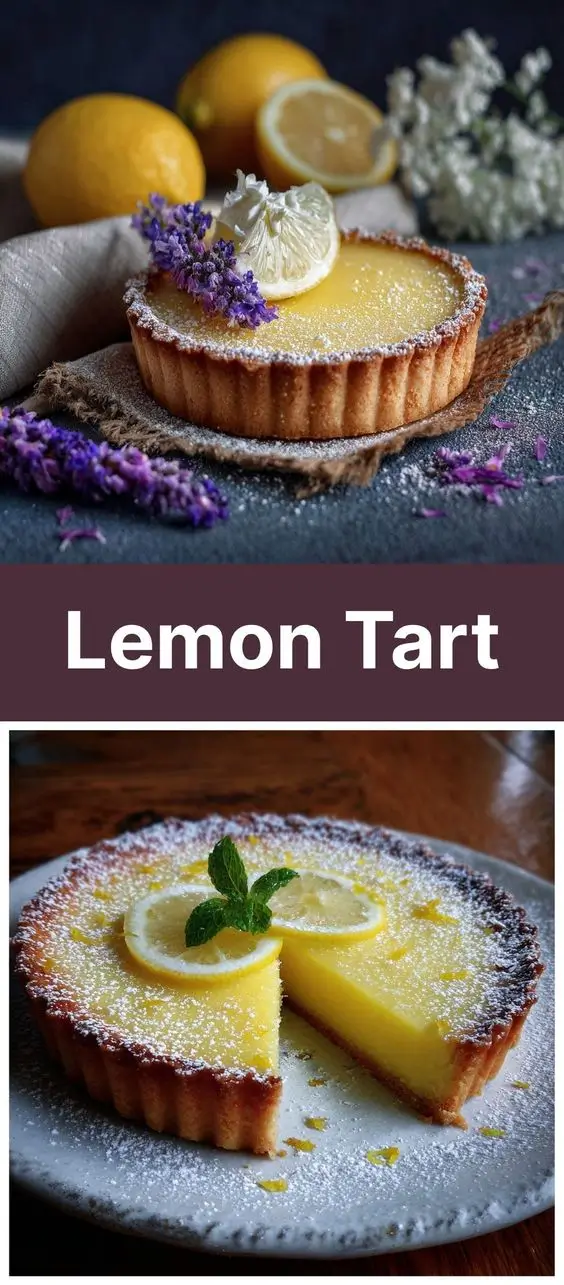
The lemon tart is a classic dessert that has captivated taste buds across the world with its vibrant citrus flavor, smooth custard filling, and buttery crust. With its bright yellow hue and tangy-sweet balance, this elegant treat strikes the perfect chord between refreshing and indulgent. Whether served at afternoon tea, as a dinner party finale, or enjoyed solo with a cup of Earl Grey, the lemon tart stands out for its simplicity and sophistication. It’s not just a dessert—it’s an experience, where each bite delivers a burst of sunshine in the form of creamy lemon curd encased in a crisp, golden pastry shell.
The History
The origins of the lemon tart can be traced back to France, where it emerged as part of the rich tradition of French patisserie. While lemons were originally imported to Europe from Asia via the Middle East and Southern Italy, they gained popularity in French cuisine during the 17th century. The tart evolved from earlier fruit tarts and custards, particularly influenced by the development of open-faced tarts in regions like Provence and Lyon.
Though often confused with the American Key lime pie or the British Eton Mess, the French lemon tart remains distinct in both preparation and presentation. Unlike pies with meringue toppings or whipped cream, the traditional French version emphasizes purity of flavor—smooth lemon curd baked into a shortcrust pastry without unnecessary embellishments. Over time, variations have appeared across Europe and North America, but the essence of the tart—a balance of acidity and sweetness within a delicate crust—has remained unchanged.
In modern culinary circles, renowned chefs such as Pierre Hermé and Yotam Ottolenghi have reimagined the lemon tart with innovative twists, incorporating elements like olive oil crusts, basil infusions, or torched meringue finishes. Yet, even in its most elaborate forms, the soul of the dessert remains rooted in French baking tradition and the timeless appeal of citrus.
Ingredients Breakdown
A perfect lemon tart relies on high-quality ingredients that work in harmony to create texture, flavor, and structure. Below is a detailed breakdown of each component:
For the Pastry Crust (Pâte Sucrée):
- All-Purpose Flour: Provides structure to the crust. Its moderate protein content ensures tenderness without toughness.
- Unsalted Butter: Cold, high-fat butter (preferably European-style with 82–85% fat) creates flakiness and richness. Unsalted allows control over sodium levels.
- Powdered Sugar: Finely ground sugar blends smoothly into the dough, contributing sweetness and helping achieve a crumbly, melt-in-the-mouth texture.
- Egg Yolk: Adds moisture, richness, and helps bind the dough while enhancing browning during baking.
- Salt: Enhances overall flavor and balances sweetness.
- Ice Water: Minimal water prevents gluten development; using ice-cold water keeps the butter solid until baking, ensuring a tender crust.
For the Lemon Curd Filling:
- Fresh Lemons: Essential for authentic flavor. Both zest and juice are used—the zest contains aromatic oils, while the juice provides tartness.
- Granulated Sugar: Sweetens the sharp acidity of lemon juice. Caster sugar may also be used for quicker dissolution.
- Eggs: Whole eggs and yolks act as natural thickeners when gently heated, creating a silky custard consistency.
- Butter: Added off-heat after cooking, it enriches the filling, adds shine, and contributes to a velvety mouthfeel.
Optional Garnishes:
- Whipped Cream: Lightens the tart’s intensity and adds a cool contrast.
- Meringue (Italian or Swiss): Torched peaks add drama and sweetness.
- Fresh Berries: Raspberries or blueberries complement the tartness.
- Lemon Slices or Zest: For visual appeal and intensified citrus aroma.
Step-by-Step Recipe
Ingredients
Makes one 9-inch tart
Pastry Crust:
- 1 ¼ cups (160g) all-purpose flour
- ½ cup (60g) powdered sugar
- ¼ teaspoon salt
- ½ cup (115g) cold unsalted butter, cubed
- 1 large egg yolk
- 2–3 tablespoons ice water
Lemon Curd Filling:
- ¾ cup (150g) granulated sugar
- 3 large eggs
- 1 large egg yolk
- ½ cup (120ml) fresh lemon juice (about 3–4 medium lemons)
- 1 tablespoon finely grated lemon zest
- ½ cup (115g) unsalted butter, cut into small cubes and chilled
Garnish (optional):
- Whipped cream
- Fresh berries
- Edible flowers
- Extra lemon zest
Directions
Step 1: Make the Pastry Dough
- In a food processor, combine flour, powdered sugar, and salt. Pulse briefly to mix.
- Add cold cubed butter and pulse until the mixture resembles coarse sand with some pea-sized pieces remaining.
- Add egg yolk and 1 tablespoon of ice water. Pulse again until the dough begins to clump.
- If needed, add another tablespoon of water, one teaspoon at a time, until the dough holds together when pinched.
- Turn the dough onto a clean surface and shape it into a flat disk. Wrap in plastic wrap and refrigerate for at least 1 hour (or up to 2 days).
Step 2: Roll and Blind Bake the Crust
- Preheat oven to 375°F (190°C).
- On a lightly floured surface, roll the chilled dough into a circle about 1/8 inch thick and 2 inches larger than your tart pan.
- Carefully transfer the dough to a 9-inch tart pan with removable bottom. Gently press it into the edges and trim excess dough.
- Prick the bottom with a fork, then line the dough with parchment paper or foil and fill with pie weights or dried beans.
- Bake for 15 minutes. Remove weights and parchment, then bake for another 8–10 minutes until golden brown. Let cool completely on a wire rack.
Step 3: Prepare the Lemon Curd
- In a medium heatproof bowl, whisk together sugar, eggs, egg yolk, lemon juice, and zest.
- Set the bowl over a saucepan of simmering water (double boiler method), making sure the bottom of the bowl doesn’t touch the water.
- Whisk constantly for 10–15 minutes until the mixture thickens enough to coat the back of a spoon (around 170°F or 77°C).
- Remove from heat and gradually whisk in the cold butter, one cube at a time, until fully incorporated and smooth.
- Strain the curd through a fine-mesh sieve for extra silkiness.
Step 4: Fill and Chill the Tart
- Pour the warm lemon curd into the cooled tart shell.
- Smooth the top with an offset spatula. Tap gently to release air bubbles.
- Cover loosely with plastic wrap, touching the surface of the curd to prevent a skin from forming.
- Refrigerate for at least 3 hours, or until completely set and chilled.
Step 5: Garnish and Serve
- Just before serving, remove the tart from the fridge. Carefully run a knife around the edge and release the tart ring.
- Top with whipped cream, fresh berries, or a sprinkle of lemon zest.
- Slice with a sharp knife dipped in hot water for clean cuts.
Tips
- Use Fresh Lemons: Bottled juice lacks the brightness and complexity of freshly squeezed lemons. Always zest before juicing.
- Chill Ingredients: Keep butter and water cold for a flaky crust. Warm ingredients lead to greasy, tough pastry.
- Don’t Overwork the Dough: Excessive handling develops gluten, resulting in shrinkage or toughness.
- Blind Bake Properly: Pre-baking the crust prevents sogginess. Use pie weights to avoid puffing or slumping.
- Temper Eggs if Desired: To reduce scrambling risk, slowly pour a bit of hot lemon mixture into the eggs before combining.
- Strain the Curd: This removes any cooked egg bits or zest chunks, ensuring a perfectly smooth texture.
- Avoid Overcooking Curd: Remove from heat just before it reaches desired thickness—it will continue to set as it cools.
- Let Tart Set Fully: Rushing the chilling process leads to a soft, runny filling. Patience is key.
- Serve Chilled: The tart should be served cold for optimal texture and flavor contrast.
- Clean Slicing: Wipe the knife between cuts for neat, professional-looking slices.
Variations and Customizations
The beauty of the lemon tart lies in its versatility. Here are several creative ways to personalize your dessert:
Crust Variations:
- Olive Oil Crust: Replace half the butter with good-quality extra virgin olive oil for a Mediterranean twist.
- Graham Cracker or Digestive Base: Swap pâte sucrée for a crumb crust for a more casual, rustic feel.
- Nut Crust: Add ground almonds, hazelnuts, or pecans to the dough for depth and crunch.
- Gluten-Free Crust: Use a blend of almond flour, rice flour, and tapioca starch for a gluten-free option.
Filling Twists:
- Lime or Orange Tart: Substitute lemon with lime or orange juice and zest for a different citrus profile.
- Lavender-Infused Curd: Steep culinary lavender in warm lemon mixture (then strain) for a floral note.
- Ginger-Lemon: Add grated fresh ginger or crystallized ginger pieces for warmth and spice.
- Herb-Infused: Basil, thyme, or rosemary can be infused into the butter or syrup for unexpected complexity.
- Coconut Milk Version: Replace some eggs with coconut milk for a dairy-free, tropical variation.
Topping Ideas:
- Meringue-Topped (Lemon Meringue Tart): Spread Italian or Swiss meringue over the cooled filling and torch for dramatic effect.
- Whipped Goat Cheese Cream: Blend whipped cream with soft goat cheese for a tangy, sophisticated topping.
- Vanilla Bean Whipped Cream: Elevate with real vanilla seeds for aromatic luxury.
- Candied Lemon Slices: Decorate with thinly sliced lemons simmered in sugar syrup.
- Edible Flowers: Nasturtiums, pansies, or violets add color and elegance.
Mini Tarts:
Make individual servings using muffin tins or mini tart molds—perfect for parties or brunches.
Health Considerations and Nutritional Value
While undeniably delicious, lemon tart is a rich dessert best enjoyed in moderation. Understanding its nutritional components can help you make informed choices:
Nutritional Overview (per slice, 1/8 of a 9-inch tart):
- Calories: ~320–380 kcal
- Fat: 18–22g (mostly from butter and egg yolks)
- Saturated Fat: 10–12g
- Carbohydrates: 38–42g (primarily sugars and refined flour)
- Sugars: 28–32g
- Protein: 4–5g
- Cholesterol: ~80mg
- Sodium: ~120mg
Health Notes:
- High in Vitamin C: Thanks to fresh lemon juice, the tart provides a modest amount of immune-supporting vitamin C.
- Rich in Fats: Contains saturated fats from butter and eggs—opt for grass-fed butter or plant-based alternatives for healthier lipid profiles.
- Sugar Content: Relatively high; consider reducing sugar slightly or using natural sweeteners like honey or maple syrup (though this alters texture).
- Gluten and Dairy: Not suitable for those with celiac disease or lactose intolerance unless modified.
- Eggs: Raw or undercooked eggs pose minimal risk in properly cooked curd (heated to 170°F), but immunocompromised individuals may prefer pasteurized eggs.
Dietary Modifications:
- Lower-Sugar Option: Reduce sugar by 25% or use erythritol/monk fruit blend (note: affects texture and browning).
- Dairy-Free: Use vegan butter and coconut oil in crust and filling.
- Gluten-Free: Substitute flour with GF blend and ensure other ingredients are certified gluten-free.
- Keto-Friendly? Challenging due to high carb content, but possible with almond flour crust, low-carb sweeteners, and reduced fruit content.
FAQ
- Can I make a lemon tart ahead of time?
- Yes! The tart can be made 1–2 days in advance. Store covered in the refrigerator. Add garnishes just before serving.
- Why did my lemon curd crack or weep?
- Overcooking, rapid cooling, or temperature shock can cause cracks. Cool gradually and avoid opening the fridge frequently.
- Can I freeze lemon tart?
- Not recommended. Freezing affects texture—curd may separate and crust become soggy upon thawing. Best consumed fresh.
- My crust shrank during baking. What went wrong?
- This usually happens if the dough wasn’t chilled long enough or was stretched during fitting. Always chill thoroughly and handle gently.
- Can I use bottled lemon juice?
- You can, but fresh yields superior flavor and aroma. Bottled juice often tastes flat or metallic.
- How do I store leftover lemon tart?
- Cover loosely and refrigerate for up to 3 days. The crust may soften over time.
- Is lemon tart the same as lemon meringue pie?
- No. Lemon tart features a smoother, denser curd in a pastry shell, typically without a top crust. Lemon meringue pie includes a fluffy meringue topping and is often served in a double-crust pie format.
- Can I make the curd on the stovetop without a double boiler?
- Yes, but use low heat and stir constantly to prevent scrambling. A heavy-bottomed saucepan helps distribute heat evenly.
- What kind of tart pan should I use?
- A fluted tart pan with a removable bottom is ideal for easy release and beautiful presentation.
- Can I make a vegan lemon tart?
- Yes! Use plant-based butter, aquafaba or commercial egg replacers, and a gluten-free or nut-based crust.
Summary
The lemon tart is a masterpiece of balance—tangy lemon curd meets buttery, crisp pastry in a harmonious union of flavor and texture. Elegant yet approachable, it’s a dessert that brings sunshine to any table.