Introduction
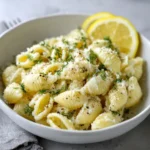
Lemon Ricotta Pasta is a celebration of simplicity, brightness, and creamy elegance—a dish that transforms just a handful of humble, high-quality ingredients into something profoundly comforting and refreshingly vibrant. Born from the Italian tradition of primo piatto (first course) minimalism—where pasta is elevated not by complexity but by balance—it has surged in global popularity for its effortless preparation, pantry-friendly components, and remarkable versatility. Whether served as a light lunch on a sun-drenched afternoon, a restorative weeknight dinner after a long day, or an elegant starter at a dinner party, this pasta embodies the magic of citrus acidity cutting through rich dairy, tender al dente noodles providing structure, and fresh herbs lending aromatic finesse. It’s not merely food—it’s a mood, a memory of lemon groves and coastal kitchens, reimagined with modern ease and timeless appeal.
The History
While no single documented origin story exists for Lemon Ricotta Pasta as a named, codified recipe, its roots run deep through centuries of Italian culinary philosophy—particularly in central and southern regions where ricotta, lemons, and fresh pasta have long coexisted in seasonal harmony. Ricotta, meaning “re-cooked,” dates back to at least the 12th century in Sicily and Calabria, originally made from the whey left over from sheep or goat cheese production—a thrifty, nutrient-dense staple. Lemons, introduced to southern Italy by Arab traders around the 10th century, flourished along the Amalfi Coast and Sorrento Peninsula, becoming synonymous with regional identity and gastronomic freshness. Traditional preparations like spaghetti al limone (a Neapolitan classic featuring lemon zest, juice, and sometimes egg yolk emulsion) laid the groundwork for citrus-forward pasta dishes. The modern fusion with ricotta likely emerged in the mid-to-late 20th century, influenced by home cooks seeking richer textures without heavy cream or butter—and amplified by American and Australian chefs in the 2010s who championed its photogenic simplicity on social media. Today, it stands as a transnational icon: an Italian soul expressed through globally accessible ingredients and minimalist technique.
Ingredients Breakdown
Every element in Lemon Ricotta Pasta plays a precise, non-negotiable role in achieving the ideal texture, temperature balance, and layered flavor profile:
- Pasta: A short, sturdy shape with surface texture—such as fusilli, cavatappi, orecchiette, or even linguine—is ideal. These shapes cradle the creamy sauce rather than letting it pool. High-protein durum wheat semolina pasta (preferably bronze-die extruded) offers superior starch release, essential for binding the sauce.
- Ricotta: Whole-milk, fresh, uncooked ricotta—not the dry, grainy supermarket variety—is critical. Look for ricotta labeled “wet,” “creamy,” or “Italian-style,” often sold in deli tubs or artisanal cheesemongers. Its lactic tang, delicate sweetness, and airy-yet-structured curds provide body, richness, and subtle acidity. Low-fat or ultra-pasteurized versions lack the necessary fat content and protein integrity to emulsify properly.
- Lemons: Two distinct components are used: finely grated zest (from unwaxed, organic lemons whenever possible) and freshly squeezed juice. The zest contains volatile citrus oils responsible for intense aromatic lift; the juice delivers bright, clean acidity that balances ricotta’s richness and prevents cloying heaviness. Bottled lemon juice or dried zest will never replicate this synergy.
- Garlic: Raw or gently warmed minced garlic adds savory depth without overpowering. For subtlety, use one small clove; for more assertiveness, two—but always mince finely to ensure even distribution and avoid harsh, pungent bites.
- Olive Oil: A high-quality extra-virgin olive oil—fruity, peppery, and cold-pressed—is stirred in at the end to enrich mouthfeel, carry aromatics, and lend a luxurious sheen. It also acts as a stabilizer for the emulsion.
- Grated Cheese: Freshly grated Pecorino Romano (sharp, salty, sheep’s milk) is traditional and ideal, though Parmigiano-Reggiano (nutty, umami-rich) works beautifully. Pre-grated cheeses contain anti-caking agents that inhibit melting and create grittiness—always grate by hand just before serving.
- Seasoning: Fine sea salt enhances all flavors and helps draw moisture from the ricotta for smoother blending; freshly cracked black pepper adds warmth and complexity. Optional additions include red pepper flakes for gentle heat or flaky Maldon salt for textural contrast at the finish.
Step-by-Step Recipe
- Prepare the Lemon Components: Using a microplane, zest two medium lemons directly into a large heatproof bowl (reserving zest for later). Juice the same lemons—straining out seeds—to yield approximately ¼ cup (60ml) fresh juice. Set both zest and juice aside.
- Warm the Ricotta Base: Add 1½ cups (360g) fresh whole-milk ricotta to the bowl with lemon zest. Gently whisk until smooth and uniform—about 45 seconds. Avoid overmixing, which can cause separation. Stir in 2 tablespoons (30ml) extra-virgin olive oil, 1–2 finely minced garlic cloves, ½ teaspoon fine sea salt, and a generous grind of black pepper. Whisk again until cohesive. Cover and refrigerate for 15 minutes—this chills the base, preventing the hot pasta from cooking the ricotta and causing graininess.
- Cook the Pasta: Bring a large pot (6–8 quarts) of well-salted water (2 tablespoons kosher salt per gallon) to a vigorous rolling boil. Add 12 oz (340g) short-cut pasta (e.g., fusilli or campanelle). Cook 1–2 minutes *less* than package instructions for al dente—typically 8–9 minutes for dried pasta. Reserve 1 cup (240ml) of starchy pasta water before draining.
- Emulsify the Sauce: Immediately upon draining, transfer the hot pasta directly into the bowl with the chilled ricotta mixture. Working quickly while pasta is piping hot, begin stirring vigorously with tongs or a wooden spoon. Gradually add reserved pasta water, 2 tablespoons at a time, whisking or folding continuously. The starch in the water binds with the ricotta’s proteins and fats, transforming the mixture into a velvety, glossy, clinging sauce—never gloppy or broken. Continue until the sauce coats every strand evenly and flows smoothly but holds its shape (usually 6–8 tablespoons total).
- Finish and Serve: Stir in the reserved lemon juice, ¼ cup (25g) freshly grated Pecorino Romano, and an additional drizzle (1 tablespoon) of olive oil. Taste and adjust: more salt if muted, more lemon juice if flat, more zest for aroma, more cheese for savoriness. Garnish generously with extra zest, a final crack of black pepper, a sprinkle of flaky salt, and optional fresh herbs (finely chopped basil, mint, or chives). Serve immediately in pre-warmed bowls.
Tips
- Temperature Control Is Everything: Never mix cold ricotta with lukewarm pasta. The ricotta must be chilled, the pasta scalding hot—the thermal shock triggers proper emulsification. If pasta sits too long after draining, it cools and the sauce will seize or become clumpy.
- Reserve Pasta Water Strategically: Salted, starchy water isn’t just liquid—it’s liquid gold. Reserve it *before* draining, and add it incrementally. Too much at once dilutes flavor and thins the sauce beyond recovery. Save extra in case you need to loosen leftovers.
- Whisk, Don’t Stir Lazily: Emulsification requires mechanical action. Use a whisk or vigorous circular motion with tongs. Gentle folding won’t activate the starch-protein network needed for silkiness.
- Use a Wide, Shallow Bowl: A large, wide mixing bowl gives maximum surface area for tossing, prevents splashing, and allows steam to escape—keeping the ricotta cool longer during incorporation.
- Don’t Skip the Garlic Prep: Mince garlic on a cutting board with a pinch of salt to create a paste—this ensures even dispersion and eliminates raw, sharp chunks.
- Rest the Sauce Briefly Before Serving: Let the finished pasta sit undisturbed for 60–90 seconds before plating. This allows residual heat to fully integrate flavors and lets the sauce settle into its most cohesive, luscious state.
- Serve in Warm Bowls: Chill-resistant ceramic or stoneware bowls retain heat far better than cold porcelain or glass, preserving the ideal mouth temperature and preventing rapid sauce stiffening.
- Make-Ahead Note: While best enjoyed fresh, you *can* prep components ahead: zest lemons, grate cheese, mince garlic, and make the ricotta base up to 24 hours in advance—store covered in the fridge. Cook pasta à la minute and assemble.
Variations and Customizations
This recipe is a masterclass in adaptable elegance—each variation honors the core principle of balance while inviting personal expression:
- Herb-Infused: Fold in ¼ cup finely chopped fresh basil, mint, dill, or chives with the lemon juice. For a Provençal twist, add 1 tablespoon chopped preserved lemon rind.
- Vegetable-Forward: Sauté 1 cup thinly sliced asparagus, zucchini ribbons, or baby spinach in olive oil until just tender; fold in at the finish. Roasted cherry tomatoes or blistered shishito peppers add sweet-heat complexity.
- Protein-Powered: Top with seared scallops, grilled shrimp, pan-roasted chickpeas, shredded rotisserie chicken, or flaked wild-caught salmon. For vegetarians, marinated white beans or crispy tofu cubes work beautifully.
- Creamier & Richer: Blend the ricotta with 2–3 tablespoons mascarpone or crème fraîche for added decadence and stability—especially useful for make-ahead service or warmer climates.
- Gluten-Free Adaptation: Use high-quality gluten-free pasta (brown rice + quinoa blends perform best), cook according to package directions (often shorter), and increase reserved water slightly—GF pasta releases less starch.
- Vegan Transformation: Substitute cultured cashew ricotta (soaked raw cashews blended with lemon juice, nutritional yeast, garlic, and salt), use vegan Parmesan (almond-based or coconut-based), and ensure olive oil is certified vegan. Add a splash of white miso for umami depth.
- Brunch Version: Serve warm or room temperature topped with soft-scrambled eggs, avocado slices, microgreens, and everything bagel seasoning.
- Summer Salad Style: Cool completely, toss with extra lemon juice and olive oil, add diced cucumber, radish, and feta, and serve chilled as a vibrant pasta salad.
- Spice & Smoke: Infuse the olive oil with crushed red pepper or smoked paprika before adding to the ricotta base—or finish with a dusting of za’atar or sumac for Middle Eastern flair.
Health Considerations and Nutritional Value
Lemon Ricotta Pasta, when prepared mindfully, offers a surprisingly nutrient-dense profile rooted in Mediterranean dietary principles:
- Protein Powerhouse: Ricotta provides high-biological-value whey and casein protein (14g per 1-cup serving), supporting muscle synthesis and satiety. Pairing with whole-grain or legume-based pasta further boosts complete protein intake.
- Calcium & Bone Health: Ricotta is naturally rich in calcium (335mg per cup), phosphorus, and vitamin A—key synergists for skeletal integrity and dental health.
- Heart-Healthy Fats: Extra-virgin olive oil contributes monounsaturated fats (oleic acid) and polyphenols linked to reduced LDL oxidation, improved endothelial function, and lowered inflammation markers.
- Vitamin C & Antioxidants: Lemon zest and juice deliver bioavailable vitamin C (70mg per lemon), enhancing non-heme iron absorption from pasta and supporting immune resilience, collagen formation, and cellular protection against oxidative stress.
- Digestive Support: The lactic acid in fresh ricotta may aid lactose digestion for many sensitive individuals, while lemon’s citric acid stimulates gastric secretions and bile flow—supporting enzymatic efficiency.
- Low Added Sugar & Minimal Processing: Authentic versions contain zero added sugars, preservatives, or artificial thickeners—unlike many commercial pasta sauces laden with corn syrup or gums.
- Mindful Modifications: To reduce sodium, omit added salt and rely on Pecorino’s natural salinity; for lower saturated fat, use part-skim ricotta (though texture suffers); for higher fiber, choose lentil or chickpea pasta (12–15g fiber per serving vs. 2g in regular).
- Considerations: Those with severe lactose intolerance should test small portions—ricotta contains less lactose than milk but more than aged cheeses. Individuals managing histamine intolerance may wish to limit aged cheeses like Pecorino and opt for fresher alternatives like young goat cheese. Always consult a registered dietitian for personalized guidance.
Ingredients
- 12 oz (340g) high-quality short-cut pasta (fusilli, campanelle, orecchiette, or linguine)
- 1½ cups (360g) fresh, whole-milk ricotta cheese (not low-fat or ultra-pasteurized)
- 2 medium organic lemons (zested and juiced—about 2 tbsp zest, ¼ cup juice)
- ¼ cup (25g) finely grated Pecorino Romano cheese (or Parmigiano-Reggiano)
- ⅓ cup (80ml) high-quality extra-virgin olive oil, divided
- 1–2 garlic cloves, finely minced (or made into a paste with salt)
- 2 tbsp (30g) fine sea salt (for pasta water), plus ½ tsp for ricotta base
- Freshly ground black pepper (to taste)
- Optional: Pinch of red pepper flakes, flaky sea salt, fresh herbs (basil, mint, chives) for garnish
Directions
- Bring 6–8 quarts of water to a full, rolling boil in a large stockpot. Add 2 tablespoons fine sea salt.
- Meanwhile, in a large, heatproof mixing bowl, combine ricotta, lemon zest, 2 tablespoons olive oil, minced garlic, ½ teaspoon fine sea salt, and several generous grinds of black pepper. Whisk vigorously for 45 seconds until smooth and homogenous. Cover and refrigerate for 15 minutes.
- Add pasta to boiling water and cook, stirring occasionally, until 1–2 minutes shy of al dente (check package timing and subtract). Reserve 1 cup (240ml) of starchy pasta water, then drain pasta thoroughly—but do not rinse.
- Immediately transfer hot, drained pasta into the bowl with the chilled ricotta mixture. Begin stirring vigorously with tongs or a whisk. Add reserved pasta water 2 tablespoons at a time, continuing to stir constantly, until sauce becomes creamy, glossy, and clings to pasta (6–8 tablespoons typically required).
- Stir in lemon juice, remaining 2 tablespoons olive oil, and grated Pecorino Romano. Taste and adjust seasoning—add more salt, pepper, lemon zest, or cheese as desired.
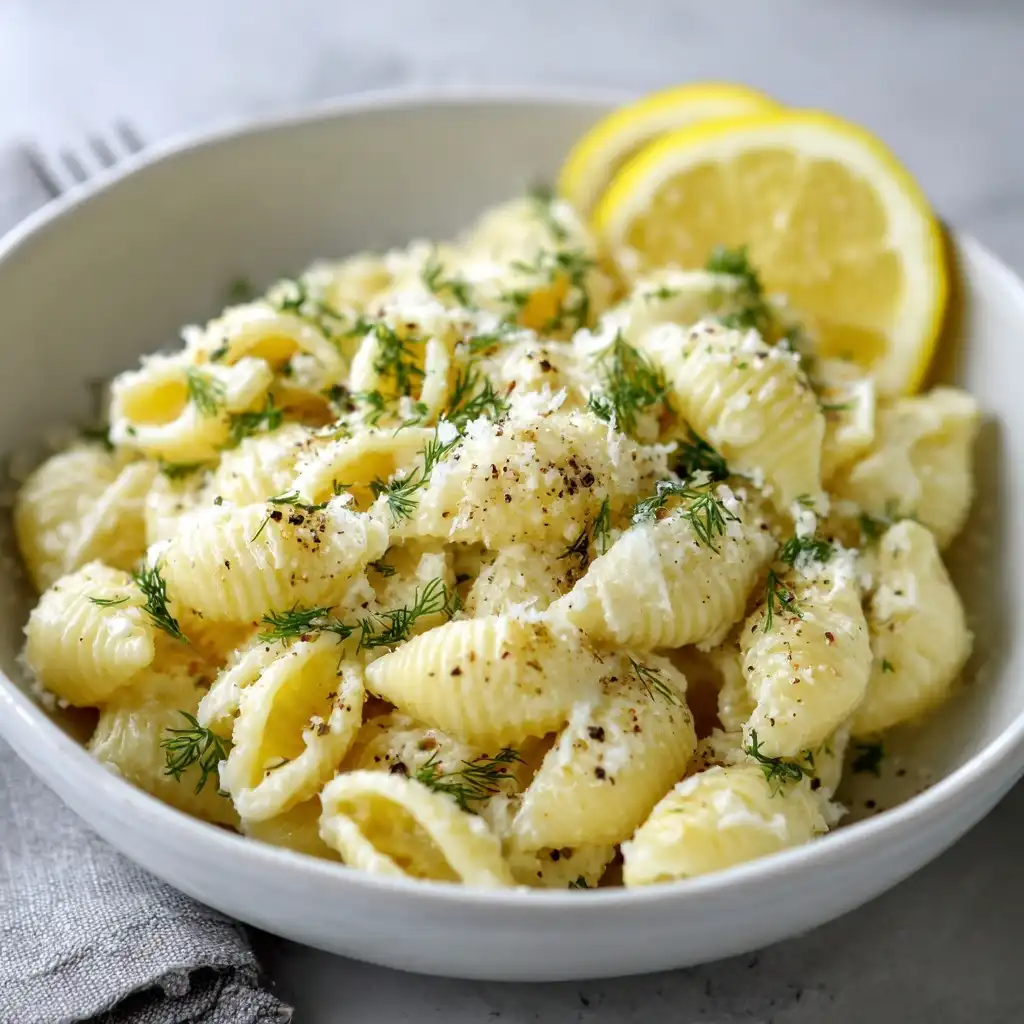
- Let rest for 60–90 seconds. Serve immediately in warm bowls, garnished with extra lemon zest, flaky salt, black pepper, and fresh herbs.
FAQ
- Q: Can I use cottage cheese instead of ricotta?
A: Not ideally. Cottage cheese has larger curds, higher moisture, and a different pH, leading to a watery, separated sauce. If absolutely necessary, blend 1½ cups small-curd cottage cheese with 2 tbsp Greek yogurt and 1 tsp lemon juice until ultra-smooth—but texture and flavor will differ significantly. - Q: Why does my sauce look grainy or curdled?
A: Most commonly due to temperature mismatch (warm ricotta + cool pasta), overmixing after emulsification, or using low-fat/ultra-pasteurized ricotta. Ensure ricotta is chilled, pasta is scalding hot, and add pasta water gradually while whisking vigorously. - Q: Can I make this ahead for meal prep?
A: The base (ricotta + zest + oil + garlic) keeps refrigerated for 2 days. Cook pasta fresh and combine just before eating. Leftovers can be gently reheated with a splash of milk or pasta water—but expect some texture change. - Q: Is there a dairy-free ricotta substitute that works well?
A: Yes—homemade cashew ricotta (1 cup soaked raw cashews + 2 tbsp lemon juice + 1 tbsp nutritional yeast + ½ tsp garlic powder + ¼ tsp salt, blended until silky) yields excellent results. Almond-based versions are lighter but less creamy. - Q: What’s the best pasta shape for this dish?
A: Shapes with ridges, twists, or cups—like fusilli, casarecce, radiatori, or campanelle—trap sauce best. Avoid delicate strands like angel hair or overly dense shapes like penne rigate, which can overwhelm the delicate emulsion. - Q: Can I freeze Lemon Ricotta Pasta?
A: Not recommended. Freezing causes ricotta to separate, weep, and become rubbery upon thawing. Dairy-based emulsions don’t withstand ice crystal formation well. - Q: How do I scale this for a crowd?
A: Multiply ingredients proportionally, but cook pasta in batches to maintain optimal heat and starch release. Use a restaurant-grade stainless steel bowl for mixing—larger surface area prevents cooling. Keep finished portions warm in a covered chafing dish over hot water (not direct heat). - Q: My sauce is too thick/thin—how do I fix it?
A: Too thick? Add 1–2 tsp hot pasta water or lemon juice and stir vigorously. Too thin? Let sit 2 minutes—heat will thicken it slightly—or stir in 1 tsp extra grated cheese to absorb excess liquid.
Summary
Lemon Ricotta Pasta is a luminous, minimalist masterpiece—where the bright, aromatic essence of lemon zest and juice harmonizes with the lush, cloud-like tenderness of fresh ricotta, all bound together by the alchemy of hot pasta water and slow-simmered tradition. It’s a dish that demands respect for ingredient quality, celebrates the intelligence of temperature control, and rewards patience with profound comfort and vibrant, sunlit flavor.
Effortlessly elegant yet deeply nourishing, it proves that extraordinary taste doesn’t require complexity—just clarity of intention, reverence for seasonality, and the quiet confidence to let a few perfect ingredients speak for themselves.