Introduction
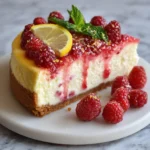
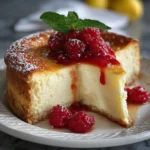
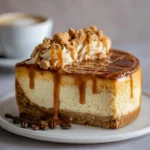
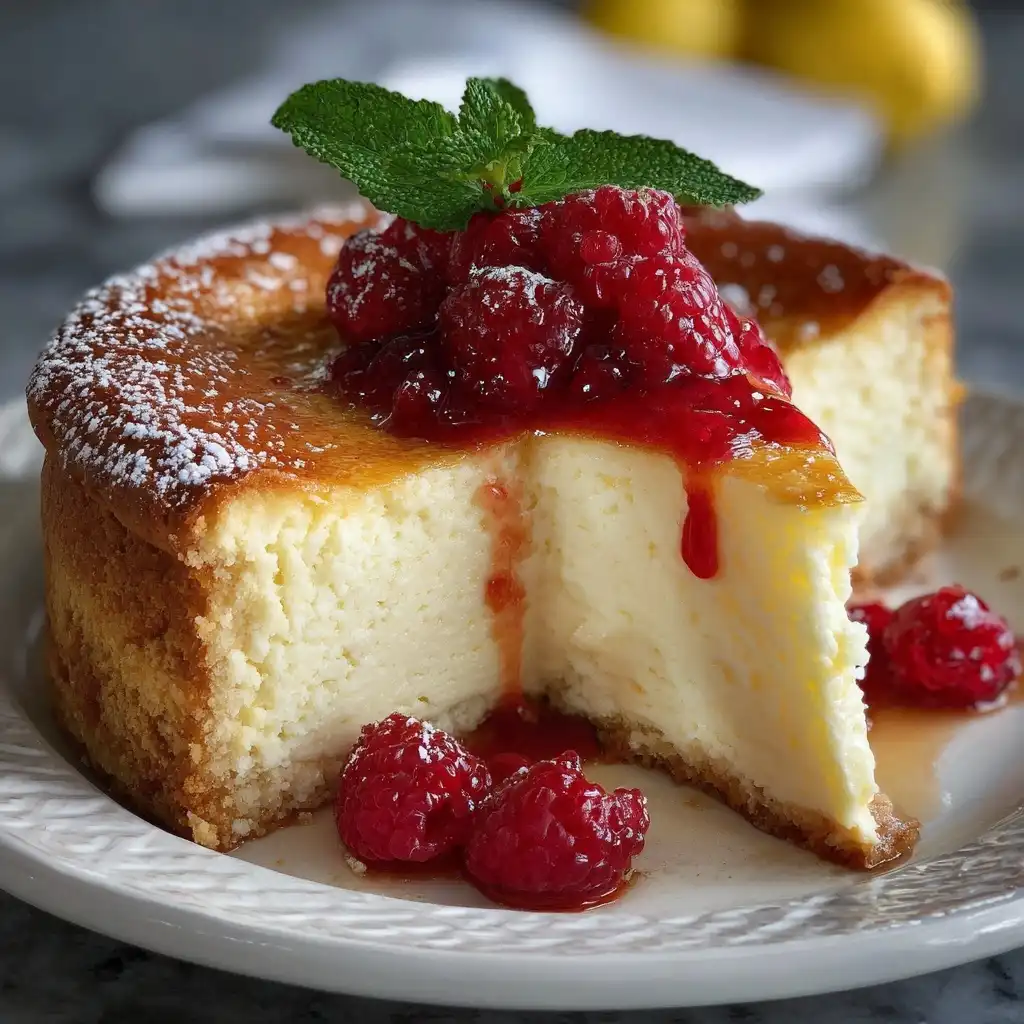
Lemon Ricotta Cheesecake is a luminous, sun-drenched confection that bridges the rich tradition of Italian cheesecakes with the bright, zesty charm of American citrus desserts. Unlike its dense, New York–style cousin, this version is ethereally light, cloud-like, and delicately tangy—offering a harmonious balance of creamy sweetness, floral lemon perfume, and subtle savory depth from fresh ricotta. It’s not merely a dessert—it’s an experience: a velvety slice crowned with glistening lemon glaze, dusted with toasted lemon zest, and served chilled on a crisp, buttery shortbread or graham cracker crust. Whether gracing a spring brunch table, elevating a summer garden party, or offering quiet comfort on a rainy afternoon, Lemon Ricotta Cheesecake speaks in soft, sophisticated notes—refreshing without being sharp, rich without being cloying, and elegant without demanding perfection.
The History
The origins of Lemon Ricotta Cheesecake are deeply rooted in the culinary cross-pollination between Southern Italy and immigrant communities across the United States—particularly in cities like New York, Philadelphia, and Boston, where Italian-American bakeries flourished in the early-to-mid 20th century. Traditional Italian ricotta cake (torta di ricotta) dates back centuries in regions such as Campania, Sicily, and Calabria, where sheep’s or cow’s milk ricotta was folded with eggs, sugar, citrus, and sometimes semolina or candied citron into simple, oven-baked cakes—often served during Easter and Christmas celebrations. These rustic, grainy-textured cakes were naturally lighter than cream cheese–based versions due to ricotta’s high moisture content and lower fat profile.
As Italian immigrants adapted recipes to American pantries, cream cheese (invented in the U.S. in 1872 by William Lawrence) gradually entered the fold—not to replace ricotta, but to complement it. The marriage of tangy, smooth cream cheese and airy, slightly granular ricotta created a new hybrid texture: luxuriously stable yet featherlight. Simultaneously, American home bakers began amplifying citrus elements—especially lemon—using abundant, high-acid Meyer lemons or fragrant Eureka varieties, often pairing them with sour cream or yogurt for enhanced brightness and tenderness. By the 1970s and ’80s, food magazines like Bon Appétit and Gourmet, alongside regional cookbooks such as The Silver Palate Cookbook and Mario Batali’s Molto Italiano, helped canonize the lemon-ricotta combination as a signature “refined comfort” dessert. Today, it stands as a beloved staple in artisanal bakeries, modern Italian trattorias, and home kitchens alike—a testament to cultural adaptation, ingredient ingenuity, and the timeless allure of lemon and dairy in perfect, zingy symbiosis.
Ingredients Breakdown
Every exceptional Lemon Ricotta Cheesecake begins with intentionality—not just in measurement, but in selection and understanding of how each component functions chemically and sensorially. Below is a meticulous, chef-level breakdown:
- Ricotta Cheese (24 oz / ~680g, whole-milk, drained): The soul of the cake. Opt for high-quality, fresh, whole-milk ricotta—not the rubbery, ultra-pasteurized supermarket kind. Ideally, seek out artisanal ricotta made from sheep’s or water buffalo milk for deeper nuttiness and silkier texture. Drain overnight in cheesecloth over a fine-mesh strainer in the refrigerator to remove excess whey; this prevents sogginess and concentrates flavor. Never substitute low-fat ricotta—it lacks the fat necessary for emulsification and mouthfeel.
- Cream Cheese (8 oz / 225g, full-fat, room temperature): Provides structure, richness, and tang. Philadelphia-brand is reliable, but any premium full-fat block (not spreadable tubs) works. Must be truly softened—cool to the touch but yielding to gentle pressure—so it incorporates smoothly without overmixing.
- Granulated Sugar (1 ¼ cups / 250g): Balances acidity and aids in aeration. A portion (¼ cup) is reserved for the crust. For refined texture, pulse sugar in a food processor for 10 seconds to ensure ultra-fine crystals that dissolve completely.
- Eggs (4 large, room temperature, plus 1 yolk): Eggs provide binding, lift, and tender crumb. The extra yolk adds fat, emulsification, and golden hue. Always bring eggs to room temperature (30–60 minutes out of the fridge) to prevent seizing when mixed with warm cheeses.
- Fresh Lemon Zest (from 3–4 medium lemons, finely grated): Contains aromatic lemon oils—the volatile essence that defines the dessert’s fragrance. Use a microplane, avoiding the bitter white pith. Store zest in a sealed container in the freezer for up to 3 months if prepping ahead.
- Fresh Lemon Juice (½ cup / 120ml, strained): Adds bright acidity and helps activate baking soda (if used). Juice only at room temperature for maximum yield. Avoid bottled juice—it lacks freshness and contains preservatives that mute flavor and destabilize proteins.
- Sour Cream (½ cup / 120g, full-fat, room temperature): Enhances moisture, tenderness, and tang while contributing lactic acid for finer crumb. Greek yogurt may substitute, but sour cream yields superior richness and stability.
- Heavy Cream (¼ cup / 60ml, cold): Added last to adjust batter consistency—ensures smooth pourability and contributes to delicate, moist crumb without thinning structure.
- Vanilla Extract (1 tsp, pure, Madagascar bourbon): Deepens complexity and rounds out citrus notes. Avoid imitation vanilla—it introduces harsh, synthetic undertones.
- Sea Salt (¾ tsp, fine): Not just for seasoning—salt heightens all other flavors, counters sweetness, and balances acidity. Flaky sea salt is used only for garnish.
- Unbleached All-Purpose Flour (¼ cup / 30g): A modest amount that provides just enough gluten development for gentle structure without toughness. Sift before adding to avoid lumps.
- Crust Ingredients: 1 ½ cups (150g) finely crushed shortbread cookies (e.g., Walkers, or homemade butter shortbread), 6 tbsp (85g) unsalted butter (melted), 2 tbsp (25g) granulated sugar, and a pinch of salt. Shortbread delivers buttery richness and delicate crunch—superior to graham crackers for this application, though both work.
Step-by-Step Recipe
- Prepare the Crust (Day Before or Morning Of): Preheat oven to 350°F (175°C). Pulse shortbread cookies in a food processor until fine, sandy crumbs form—no visible chunks. Mix with melted butter, sugar, and salt until evenly moistened. Press firmly and evenly into the bottom and 1 inch up the sides of a 9-inch springform pan lined with parchment (bottom only). Chill 20 minutes, then bake 12–14 minutes until fragrant and lightly golden. Cool completely on a wire rack—do not skip cooling; warm crust absorbs filling moisture.
- Drain and Prep Ricotta (Critical Step): Place 24 oz fresh whole-milk ricotta in a fine-mesh strainer lined with triple-layer cheesecloth over a bowl. Refrigerate uncovered for minimum 8 hours (overnight ideal). Discard whey. Gently stir drained ricotta to homogenize—should be thick, creamy, and spoonable, not watery or grainy.
- Softening & Mixing Protocol: Ensure cream cheese, sour cream, eggs, and heavy cream are all at true room temperature (68–72°F). In a large bowl, beat cream cheese with an electric mixer on medium-low for 2 minutes until perfectly smooth—scrape bowl thoroughly. Add drained ricotta in 3 additions, beating 30 seconds after each, scraping bowl each time. Mixture should be cohesive, pale yellow, and free of lumps.
- Sugar & Egg Incorporation: Add granulated sugar and beat on medium for 2 minutes until lightened and slightly fluffy. Scrape bowl. Add eggs one at a time, beating 30 seconds after each addition—do not overbeat. Then add extra yolk and beat just until incorporated (15 sec). Overmixing introduces air bubbles that expand and collapse in oven, causing cracks.
- Citrus & Flavor Integration: Reduce speed to low. Add lemon zest, lemon juice, sour cream, vanilla, and salt. Mix 45 seconds—just until combined. Scrape bowl. Sift flour over mixture and fold gently with a silicone spatula using 10–12 slow figure-8 motions—never stir or whisk. Batter should be silky, glossy, and pourable but thick—like heavy pancake batter.
- Final Touch & Pan Prep: Stir in cold heavy cream with 3–4 gentle folds. Tap filled springform pan sharply on counter 5 times to release air bubbles. Run a thin offset spatula around interior edge to detach batter from pan walls—this minimizes cracking during bake and cooling.
- Water Bath Baking (Essential for Even Cooking): Wrap exterior of springform pan tightly with two overlapping layers of heavy-duty aluminum foil—ensure no gaps at base. Place pan inside a larger roasting pan. Pour hot (not boiling) water into roasting pan until it reaches halfway up springform’s sides (~1.5 inches). Carefully transfer to center rack of preheated 325°F (163°C) oven.
- Bake with Precision: Bake 75–85 minutes. Cake is done when edges are set and puffed, center jiggles *slightly* like Jell-O (not liquid), and internal temperature reads 150–152°F (65–67°C) on an instant-read thermometer inserted 1 inch from center. Do NOT open oven door before 60 minutes—temperature fluctuations cause collapse.
- Gradual Cooling (Non-Negotiable): Turn off oven. Crack door open 1 inch with wooden spoon handle. Let cake cool inside oven for 1 hour. Remove from water bath, run knife around edge again, and cool on wire rack for 2 more hours at room temperature. Refrigerate uncovered for minimum 12 hours—ideally 24–48 hours—to fully set, deepen flavor, and achieve ideal sliceable texture.
- Glazing & Finishing: For lemon glaze: Whisk 1 cup powdered sugar, 2 tbsp fresh lemon juice, 1 tsp zest, and ½ tsp vanilla until smooth. Adjust thickness with tiny drops of juice or sugar. Drizzle over chilled cake. Garnish with extra zest, edible lemon blossoms, or flaky sea salt.
Tips
- Temperature Is Everything: Cold ingredients + warm oven = disaster. All dairy and eggs must be genuinely room temperature—not “slightly cool.” Test by dipping fingertip: it should feel neutral, not chilly.
- Draining Ricotta Is Not Optional: Skipping this leads to weeping, dense, rubbery texture. If pressed for time, use a clean kitchen towel and squeeze firmly—but never wring like laundry.
- Low & Slow Mixing: Use medium-low speed for cheeses and sugar; switch to low for eggs and citrus. High speed incorporates too much air, resulting in risen-and-fallen cake with surface fissures.
- Water Bath Integrity Matters: Leaks ruin crusts and create steam pockets. Double-foil wrap method is proven. If using a silicone mat under roasting pan, place a folded towel underneath to absorb condensation.
- Patience in Chilling: Cutting before 12 hours yields smearing and loss of layered definition. Overnight chilling also allows lemon oils to permeate every bite—transforming good into transcendent.
- Springform Seal Check: Before wrapping in foil, ensure latch is tight and pan base fits snugly. A wobble means leakage risk.
- Crack Prevention Trio: (1) Water bath, (2) No oven door opening before 60 min, (3) Gradual cooling in turned-off oven. If minor cracks appear, glaze conceals beautifully—and adds flavor.
- Knife Technique for Clean Slices: Dip a long, thin knife in hot water, wipe dry, slice, repeat. Warm knife cuts cleanly through chilled creaminess without dragging.
- Freezing Success: Unfrosted, fully chilled cake freezes beautifully for up to 3 months. Wrap twice in plastic, then in foil. Thaw overnight in fridge—glaze after thawing.
- Altitude Adjustment: Above 3,000 ft? Reduce sugar by 1 tbsp, increase flour to ⅓ cup, and bake at 335°F for first 20 min, then reduce to 325°F.
Variations and Customizations
This versatile canvas invites creativity—while honoring its core identity. Each variation maintains structural integrity and balanced acidity:
- Lemon-Basil Ricotta Cheesecake: Fold 2 tbsp finely chopped fresh basil (plus 1 tsp chiffonade for garnish) into batter. Basil’s peppery-sweet notes elevate lemon into herbaceous sophistication—ideal for savory-leaning menus or summer rooftop gatherings.
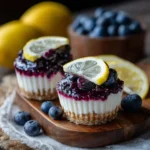
- Blueberry-Lemon Swirl: After pouring batter, drop ½ cup macerated blueberries (tossed with 1 tsp sugar and ½ tsp lemon juice) onto surface. Drag a toothpick in figure-8 pattern to create gentle marbling—bakes into juicy, jammy pockets.
- Almond-Orange Ricotta Variation: Replace lemon zest/juice with 2 tbsp orange zest + ⅓ cup orange juice. Add ¼ cup almond extract (reducing vanilla to ½ tsp) and ½ cup toasted sliced almonds to crust. A Mediterranean twist with marzipan-like warmth.
- Whole-Wheat Honey Crust: Substitute ½ cup whole-wheat pastry flour for same amount of shortbread crumbs. Bind with 2 tbsp local honey + 4 tbsp butter. Earthy, nuanced, and subtly sweet—pairs especially well with Meyer lemon.
- No-Bake Refrigerator Version: Omit eggs and flour. Whip 24 oz drained ricotta + 8 oz cream cheese + 1 cup powdered sugar + zest/juice until airy. Fold in 1 cup stabilized whipped cream (1 cup cold heavy cream + 2 tbsp powdered sugar, whipped to soft peaks). Set in crust for 8+ hours. Lighter, fluffier, and dairy-forward.
- Mini Jar Cheesecakes: Portion into 8–10 clean 8-oz mason jars. Reduce bake time to 35–40 min in water bath. Perfect for picnics, bridal showers, or portion-controlled indulgence.
- Vegan Adaptation (Dairy-Free): Use high-fat cashew ricotta (soaked raw cashews + lemon juice + nutritional yeast + salt), blended silken tofu (12 oz) instead of cream cheese, flax “eggs” (2 tbsp ground flax + 6 tbsp water), coconut cream instead of sour cream/heavy cream, and maple syrup instead of granulated sugar. Requires precise pH balancing—add ¼ tsp apple cider vinegar to mimic lactic tang.
- Gluten-Free Option: Replace all-purpose flour with equal weight of superfine almond flour + 1 tsp psyllium husk powder (for binding). Ensure crust uses certified GF cookies or toasted GF oats + almond flour + butter.
- Spiced Lemon-Ricotta: Add ½ tsp freshly grated nutmeg + ¼ tsp cardamom powder to dry ingredients. Warm, aromatic, and deeply comforting—especially lovely in autumn.
- Prosecco-Infused Glaze: Replace half the lemon juice in glaze with chilled Prosecco. Adds effervescent brightness and subtle yeast notes—elevates celebratory presentations.
Health Considerations and Nutritional Value
A single generous slice (1/12th of a standard 9-inch cake) contains approximately:
- Calories: 420–460 kcal
- Total Fat: 28–31g (17–19g saturated)
- Carbohydrates: 34–37g (26–29g sugars, primarily added)
- Protein: 11–13g (ricotta and cream cheese contribute high-biological-value complete protein)
- Calcium: ~220mg (≈22% DV)
- Vitamin A: ~180mcg RAE (≈20% DV, from dairy fats)
- Vitamin C: ~8mg (≈10% DV, from fresh lemon)
Nutritional Highlights & Mindful Modifications:
- Ricotta’s Nutritional Edge: Ricotta is notably higher in whey protein (including lactoferrin and immunoglobulins) and calcium than many cheeses—and lower in sodium and cholesterol than aged hard cheeses. Its natural lactic acid supports gut microbiome health.
- Lemon Benefits Amplified: Fresh lemon zest delivers limonene (a potent antioxidant linked to reduced inflammation and improved detoxification enzymes) and flavonoids like hesperidin, which support vascular health and collagen synthesis.
- Lower-Sugar Options: Reduce granulated sugar to 1 cup (200g) and increase lemon zest to 5 tbsp for heightened perception of sweetness without added calories. Or use ¾ cup monk fruit–erythritol blend (1:1 ratio) — note: may yield slightly drier texture; add 1 extra tbsp sour cream.
- Reduced-Fat Strategy (Without Sacrificing Texture): Substitute 4 oz cream cheese with 4 oz low-fat cottage cheese (blended until smooth) and use ½ cup plain nonfat Greek yogurt instead of sour cream. Maintain full-fat ricotta for creaminess—its fat is essential for mouthfeel.
- Dairy Sensitivity Considerations: For lactose intolerance, use lactose-free ricotta and cream cheese (widely available); most people tolerate aged cheeses better, but ricotta is naturally low-lactose (0.2–0.5g per ½ cup).
- Gluten Sensitivity Note: While inherently gluten-free in filling, cross-contamination is possible via cookie crust. Always verify gluten-free certification on shortbread or use GF graham alternatives.
- Portion Awareness: Due to richness, smaller slices (1/16th cake) paired with seasonal berries and mint offer satisfying indulgence with ~280 kcal—ideal for mindful eating practices.
- Added Value of Whole Ingredients: Unlike many commercial desserts loaded with stabilizers, artificial flavors, and hydrogenated oils, this recipe relies on whole-food ingredients—maximizing phytonutrient density and minimizing processed additives.
Ingredients
Makes one 9-inch cheesecake (12–16 servings)
For the Crust:
- 1 ½ cups (150g) finely crushed high-quality shortbread cookies (about 14–16 cookies)
- 6 tablespoons (85g) unsalted butter, melted
- 2 tablespoons (25g) granulated sugar
- Pinch of fine sea salt
For the Lemon Ricotta Filling:
- 24 ounces (680g) whole-milk ricotta cheese, drained overnight (see Tips)
- 8 ounces (225g) full-fat cream cheese, cubed and at room temperature
- 1 ¼ cups (250g) granulated sugar, plus extra for crust
- 4 large eggs + 1 large egg yolk, at room temperature
- Zest of 3–4 medium lemons (about 3 tablespoons finely grated)
- ½ cup (120ml) freshly squeezed lemon juice (from ~4–5 lemons), strained
- ½ cup (120g) full-fat sour cream, at room temperature
- ¼ cup (60ml) cold heavy cream
- 1 teaspoon pure vanilla extract
- ¾ teaspoon fine sea salt
- ¼ cup (30g) unbleached all-purpose flour, sifted
For the Lemon Glaze (Optional but Recommended):
- 1 cup (120g) powdered sugar, sifted
- 2 tablespoons (30ml) fresh lemon juice
- 1 teaspoon lemon zest
- ½ teaspoon pure vanilla extract
For Garnish:
- Extra lemon zest
- Flaky sea salt (e.g., Maldon)
- Edible lemon blossoms or mint leaves (optional)
Directions
- Prepare the Crust: Preheat oven to 350°F (175°C). In a food processor, pulse shortbread cookies until fine, sandy crumbs form. Transfer to a bowl; stir in melted butter, 2 tbsp sugar, and pinch of salt until evenly moistened. Press mixture firmly and evenly into bottom and 1 inch up sides of a 9-inch springform pan lined with parchment paper (bottom only). Chill 20 minutes. Bake 12–14 minutes until fragrant and lightly golden. Cool completely on wire rack—minimum 45 minutes.
- Drain Ricotta: Line a fine-mesh strainer with triple-layer cheesecloth; place over a bowl. Add ricotta, cover loosely, and refrigerate uncovered for at least 8 hours or overnight. Discard whey. Stir drained ricotta gently to homogenize.
- Preheat Oven & Prepare Water Bath: At least 1 hour before baking, position oven rack in center. Preheat to 325°F (163°C). Fill a kettle with water and bring to simmer (not boil). Wrap exterior of cooled springform pan tightly with two overlapping sheets of heavy-duty aluminum foil—ensure no gaps at base.
- Make Filling: In large bowl of stand mixer fitted with paddle attachment, beat cream cheese on medium-low 2 minutes until smooth and creamy. Add drained ricotta in 3 additions, beating 30 seconds after each and scraping bowl thoroughly. Beat in sugar on medium 2 minutes until lightened. Add eggs one at a time, beating 30 seconds after each; then add yolk and beat just until incorporated. Reduce speed to low; add lemon zest, lemon juice, sour cream, vanilla, and salt. Mix 45 seconds. Sift flour over batter; fold gently with silicone spatula 10–12 times until just combined. Stir in cold heavy cream with 3–4 folds.
- Fill & Tap: Pour batter into cooled crust. Tap pan sharply on counter 5 times to release air bubbles. Run thin offset spatula around inner edge to detach batter from pan.
- Bake in Water Bath: Place foil-wrapped springform pan inside a larger roasting pan. Carefully pour hot water into roasting pan until water reaches halfway up sides of springform (~1.5 inches). Carefully slide into preheated oven. Bake 75–85 minutes until edges are puffed and set, center jiggles slightly like Jell-O, and internal temperature reads 150–152°F (65–67°C).
- Cool Gradually: Turn off oven. Crack door open 1 inch with wooden spoon handle. Let cake cool in oven for 1 hour. Carefully remove from water bath. Run knife around edge again. Cool on wire rack for 2 hours at room temperature.
- Chill Thoroughly: Refrigerate uncovered for minimum 12 hours—ideally 24–48 hours—for optimal texture and flavor development.
- Glaze & Serve: Whisk glaze ingredients until smooth. Drizzle over chilled cake. Garnish with lemon zest and flaky salt. Slice with hot, dry knife. Store covered in refrigerator up to 5 days.
FAQ
- Can I make this cheesecake ahead?
- Absolutely—and highly recommended. It improves significantly after 24 hours of chilling. Fully assembled and glazed cake keeps beautifully refrigerated for up to 5 days. Unfrosted cake freezes well for up to 3 months (wrap tightly in plastic + foil; thaw overnight in fridge before glazing).
- Why did my cheesecake crack?
- Cracking is usually caused by rapid temperature change or overbaking. Ensure strict adherence to water bath, no oven door opening before 60 minutes, gradual oven-off cooling, and accurate internal temperature (150–152°F). Minor cracks are normal and easily concealed with glaze.
- Can I use part-skim ricotta?
- We strongly advise against it. Part-skim ricotta has higher moisture and less fat, leading to graininess, poor binding, and potential weeping. Whole-milk ricotta is non-negotiable for texture and flavor integrity.
- My batter looks curdled—did I ruin it?
- Not necessarily. Curdling often occurs when cold