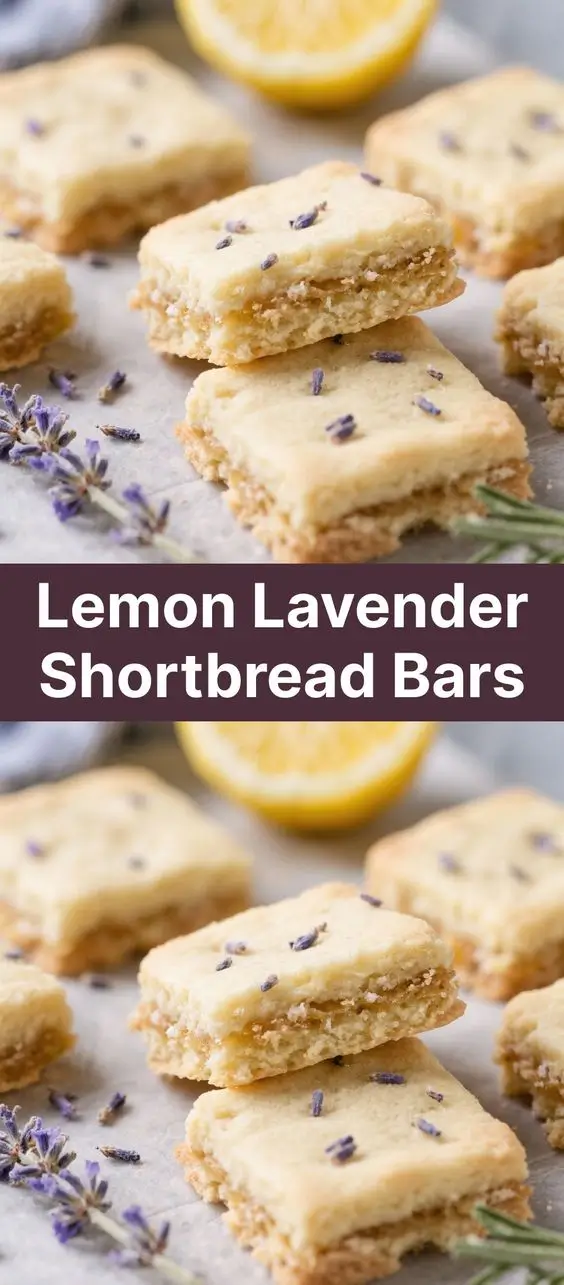
Lemon Lavender Shortbread Bars: A Delicate Fusion of Citrus and Floral Elegance
Introduction
Lemon Lavender Shortbread Bars are a sophisticated treat that effortlessly marries the bright tang of fresh lemons with the subtle floral aroma of culinary lavender. These buttery, melt-in-your-mouth bars offer a refined dessert experience perfect for afternoon tea, garden parties, bridal showers, or as an elegant addition to holiday cookie platters. With their golden crust, creamy lemon filling, and a whisper of lavender, these bars strike a delicate balance between indulgence and sophistication. Whether you’re a seasoned baker or exploring more adventurous flavor profiles, this recipe invites you into a world where citrus meets herb in harmonious delight.
The History
Shortbread has its roots deep in Scottish culinary tradition, dating back to the 12th century. Originally derived from medieval “biscuit bread”—a twice-baked bread meant to last—the early versions evolved into what we now know as shortbread by the 16th century, thanks to the increased availability of butter and sugar. The name “short” refers to the high fat content, which gives the pastry its crumbly texture.
Lavender, on the other hand, has been cherished since ancient times—not just for its fragrance but also for its medicinal and culinary uses. The Romans used it in baths, while medieval Europeans included it in sachets and potpourris. Its use in food began in Provence, France, where it became a staple in herbes de Provence. The pairing of lemon and lavender is more modern, emerging in the late 20th century as chefs began experimenting with edible flowers and botanical flavors. This fusion reflects the growing popularity of farm-to-table cuisine and the desire for desserts that are both aromatic and artful.
The Lemon Lavender Shortbread Bar is thus a contemporary evolution of two ancient ingredients, brought together in a format that celebrates both tradition and innovation. It embodies the current culinary trend toward natural, aromatic, and lightly perfumed desserts that awaken the senses without overwhelming them.
Ingredients Breakdown
Each ingredient in this recipe plays a crucial role in creating the signature texture and flavor profile of Lemon Lavender Shortbread Bars. Let’s explore them in detail:
- Unsalted Butter (1 cup, softened): The foundation of any good shortbread, butter provides richness, tenderness, and that classic melt-in-the-mouth quality. Using unsalted butter allows you to control the salt content precisely.
- Powdered Sugar (1/2 cup): Also known as confectioners’ sugar, this finely ground sugar blends smoothly into the dough without adding graininess, contributing to a soft, delicate crumb.
- All-Purpose Flour (2 1/4 cups): Provides structure. Measured correctly (spooned and leveled), it ensures a tender yet sturdy base.
- Cornstarch (1/4 cup): Added to enhance tenderness and create a slightly softer, more velvety texture—common in many modern shortbread recipes.
- Salt (1/4 tsp): Balances sweetness and enhances all other flavors.
- Food-Grade Dried Culinary Lavender (1 tablespoon, finely ground): This is essential—do not use ornamental or aromatherapy lavender. Culinary lavender imparts a gentle floral note. Too much can taste soapy, so precision matters.
- Freshly Grated Lemon Zest (from 2 large lemons): Offers vibrant citrus aroma without excess moisture. Always use organic lemons when zesting.
- Fresh Lemon Juice (1/3 cup): Adds tartness and brightness to the curd-like filling. Bottled juice can be used in a pinch, but fresh delivers superior flavor.
- Granulated Sugar (3/4 cup): Sweetens the lemon layer while helping it set properly.
- Eggs (3 large): Act as a binder and give structure to the lemon filling, helping it set into a silky custard during baking.
- Vanilla Extract (1 tsp): Complements the lemon and rounds out the flavor profile with warmth.
- Pinch of Turmeric (optional): For a richer golden hue without altering flavor—purely aesthetic.
Step-by-Step Recipe
Part 1: Prepare the Shortbread Crust
- Preheat oven to 325°F (165°C). Line a 9×13-inch baking pan with parchment paper, leaving overhang on two sides for easy removal.
- Cream butter and powdered sugar: In a large bowl, using a hand mixer or stand mixer, beat softened butter and powdered sugar until light and fluffy (about 3 minutes).
- Mix dry ingredients: In a separate bowl, whisk together flour, cornstarch, salt, ground lavender, and lemon zest until evenly combined.
- Combine wet and dry: Gradually add the dry mixture to the butter mixture on low speed until a soft, crumbly dough forms. Do not overmix.
- Press into pan: Transfer the dough to the prepared pan. Use your hands or a flat-bottomed glass to press it evenly into the bottom, creating a smooth, compact layer.
- Pre-bake: Bake for 20–22 minutes, or until the edges are just beginning to turn pale gold. Remove from oven and let cool slightly while preparing the filling. Leave the oven on.
Part 2: Make the Lemon Lavender Filling
- Whisk eggs: In a medium bowl, whisk the eggs until lightly beaten.
- Add sugar and whisk: Add granulated sugar and whisk vigorously until well combined and slightly thickened (about 1 minute).
- Incorporate liquids: Stir in lemon juice, vanilla extract, and a pinch of turmeric if using. Mix until smooth.
- Stir in lavender: Add 1/2 teaspoon of finely ground culinary lavender. (Reserve the rest for the crust.) Whisk thoroughly.
Part 3: Assemble and Bake
- Pour filling over crust: Carefully pour the lemon mixture over the warm pre-baked crust, tilting the pan gently to level it.
- Bake: Return the pan to the oven and bake for 25–28 minutes, or until the filling is set and no longer jiggles in the center. A toothpick inserted should come out clean.
- Cool completely: Allow the bars to cool at room temperature for 1 hour, then refrigerate for at least 2 hours (preferably 3–4) to fully set.
- Cut into bars: Using the parchment overhang, lift the slab out of the pan. Place on a cutting board and slice into 24 small bars (about 2×3 inches) with a sharp knife wiped clean between cuts.
Tips
- Use only culinary lavender: Non-culinary lavender may contain pesticides or chemicals unsafe for consumption.
- Grind lavender finely: Use a mortar and pestle or spice grinder. Whole buds can be overpowering and unpleasant in texture.
- Don’t skip chilling: The filling needs time to firm up for clean slicing.
- Wipe the knife: Between each cut, dip the blade in hot water and wipe dry for neat edges.
- Zest before juicing: Lemons are easier to zest when whole and firm.
- Avoid overbaking: Overbaked filling may crack or become rubbery. Remove just as it sets.
- Room temperature eggs: Help create a smoother, more uniform filling.
- Store properly: Keep refrigerated in an airtight container with parchment between layers to prevent sticking.
Variations and Customizations
These Lemon Lavender Shortbread Bars are wonderfully adaptable. Here are some creative twists:
- Lavender-Free Version: Omit lavender entirely for classic lemon shortbread bars.
- Lemon-Lavender Glaze: Drizzle cooled bars with a glaze made from powdered sugar, lemon juice, and a pinch of lavender for extra flair.
- Gluten-Free: Substitute all-purpose flour with a 1:1 gluten-free baking blend. Ensure cornstarch is gluten-free certified.
- Dairy-Free: Replace butter with vegan shortening or plant-based butter (e.g., Earth Balance), though texture may vary slightly.
- Mini Bars: Bake in a muffin tin for individual servings—press dough into greased cups, fill with 1 tbsp lemon mixture, and bake 18–20 minutes.
- Herb Swaps: Try rosemary or thyme in place of lavender for a different herbal note (use sparingly).
- Berry Swirl: Add a swirl of raspberry or blueberry compote into the lemon filling before baking.
- Toasted Coconut Crust: Mix 1/2 cup toasted shredded coconut into the shortbread dough for a tropical twist.
- Double Lavender: Infuse the butter beforehand by gently heating it with 1 tbsp lavender, straining, then cooling—adds deeper floral notes.
Health Considerations and Nutritional Value
While undeniably delicious, Lemon Lavender Shortbread Bars are a rich dessert best enjoyed in moderation. Here’s what to consider:
- Butter and Fat Content: High in saturated fat due to butter. Those monitoring cholesterol may want to limit portions or experiment with reduced-fat alternatives (though texture will change).
- Sugar Levels: Contains both granulated and powdered sugar. Diabetics or those reducing sugar intake might explore monk fruit or erythritol substitutes, though results may vary in browning and texture.
- Eggs: Provide protein and help bind the filling, but raw egg concerns apply only if underbaked. Fully baked bars are safe.
- Lavender Benefits: Culinary lavender contains antioxidants and may have mild calming properties, though consumed here in very small amounts.
- Lemons: Rich in vitamin C and flavonoids, offering immune support and antioxidant benefits.
- Portion Control: Each bar (assuming 24 pieces) contains approximately:
- Calories: 180–200
- Total Fat: 10–12g
- Saturated Fat: 6g
- Carbohydrates: 22g
- Sugars: 14g
- Protein: 2g
For a lighter version, consider reducing sugar by 1–2 tablespoons or using Greek yogurt in part of the filling (though this alters texture).
Ingredients
For the Shortbread Crust:
- 1 cup (2 sticks / 226g) unsalted butter, softened
- 1/2 cup (60g) powdered sugar
- 2 1/4 cups (280g) all-purpose flour
- 1/4 cup (30g) cornstarch
- 1/4 tsp salt
- 1 tbsp culinary dried lavender, finely ground
- Zest of 2 large lemons
For the Lemon Lavender Filling:
- 3 large eggs
- 3/4 cup (150g) granulated sugar
- 1/3 cup (80ml) fresh lemon juice (about 2–3 lemons)
- 1 tsp vanilla extract
- 1/2 tsp finely ground culinary lavender
- Pinch of turmeric (optional, for color)
Directions
- Preheat oven to 325°F (165°C). Line a 9×13-inch baking dish with parchment paper, leaving overhang on two sides.
- In a large bowl, beat softened butter and powdered sugar until light and fluffy (3 minutes).
- In another bowl, whisk flour, cornstarch, salt, ground lavender, and lemon zest.
- Gradually add dry ingredients to butter mixture on low speed until a crumbly dough forms.
- Press dough evenly into the prepared pan. Bake for 20–22 minutes until edges are lightly golden. Cool slightly; keep oven on.
- In a medium bowl, whisk eggs, then add granulated sugar and whisk until smooth and slightly thickened.
- Stir in lemon juice, vanilla, turmeric (if using), and 1/2 tsp ground lavender.
- Pour filling over warm crust and return to oven. Bake 25–28 minutes until filling is set.
- Cool at room temperature for 1 hour, then chill in refrigerator for at least 2–4 hours.
- Lift bars out using parchment. Cut into 24 rectangles with a sharp knife.
- Store in an airtight container in the refrigerator for up to 5 days, or freeze for up to 3 months.
FAQ
Can I use lavender oil instead of dried lavender?
No—lavender essential oil is highly concentrated and not safe for culinary use unless specifically labeled as food-grade. Stick to dried culinary lavender.
Why did my filling crack?
Overbaking, rapid cooling, or too much flour in the crust can cause cracks. Avoid opening the oven door too early and allow gradual cooling.
Can I make these ahead of time?
Yes! These bars actually taste better the next day. Prepare up to 3 days in advance and store covered in the fridge.
Where do I buy culinary lavender?
Look for it in well-stocked spice shops, gourmet grocery stores, or online retailers like Penzeys, Frontier Co-op, or Amazon. Ensure it’s labeled “culinary” or “food-grade.”
Can I freeze Lemon Lavender Shortbread Bars?
Absolutely. Wrap tightly in plastic and place in an airtight container. Thaw in the refrigerator overnight before serving.
Is the lavender flavor strong?
No—it should be subtle and floral, not soapy. If you’re new to lavender, start with 2 tsp instead of 1 tbsp in the crust.
Can I use Meyer lemons?
Yes! Meyer lemons are sweeter and less acidic, giving a more mellow, honeyed citrus flavor—perfect for a gentler profile.
Summary
Lemon Lavender Shortbread Bars combine a buttery, fragrant shortbread crust with a luscious lemon filling delicately infused with culinary lavender for a dessert that’s both refreshing and elegant.
Perfect for special occasions or as a luxurious everyday treat, these bars balance citrus brightness with floral nuance in every melt-in-your-mouth bite.