Introduction
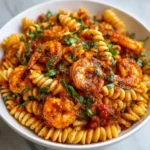
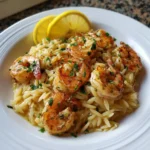
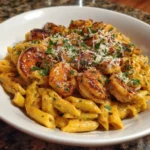
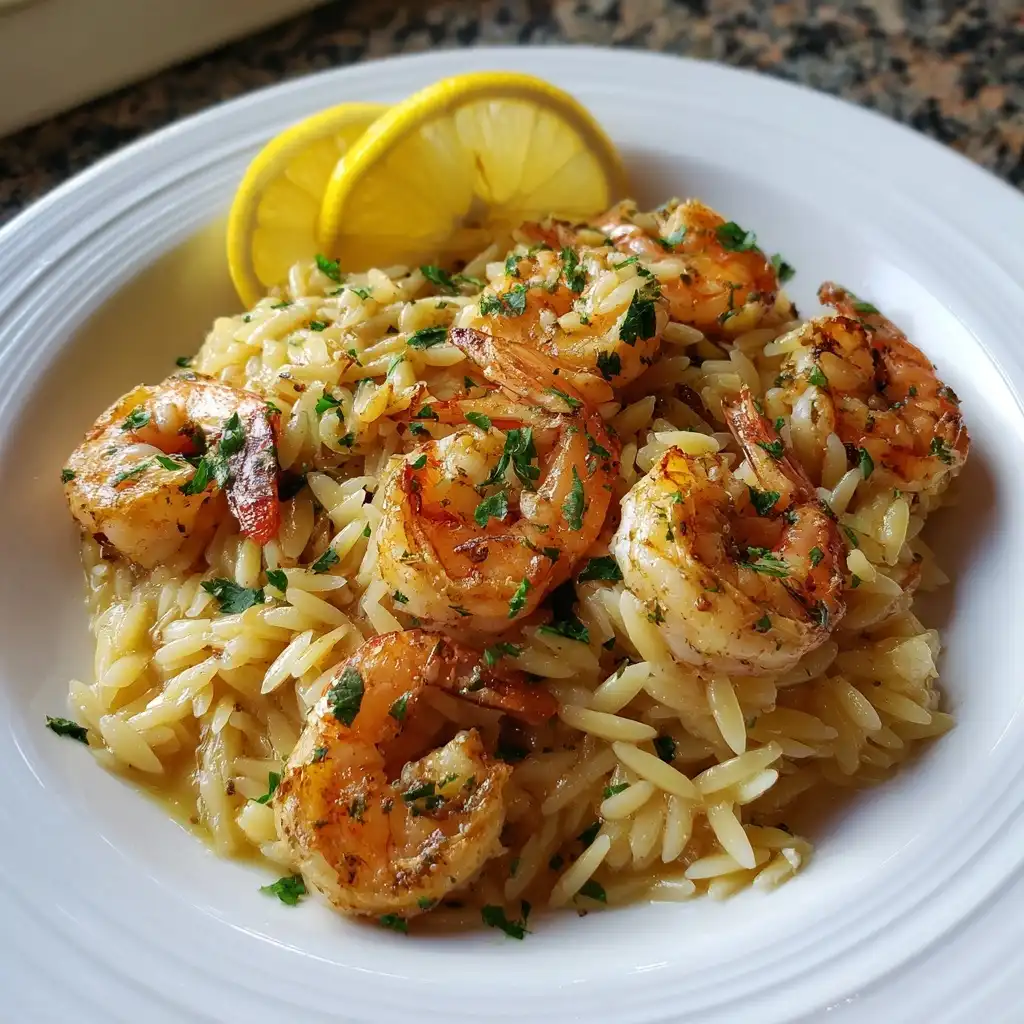
Lemon Garlic Shrimp Orzo is a vibrant, restaurant-worthy dish that effortlessly bridges the gap between rustic Mediterranean comfort and elegant weeknight simplicity. With its bright citrus notes, aromatic garlic depth, tender-crisp shrimp, and creamy-yet-al dente orzo pasta, this one-pan wonder delivers bold flavor in under 30 minutes—making it a beloved staple for busy professionals, home cooks seeking impressive yet approachable meals, and seafood lovers craving freshness without fuss. Whether served as a light lunch, a sophisticated dinner centerpiece, or a crowd-pleasing side at summer gatherings, Lemon Garlic Shrimp Orzo embodies balance: zesty yet mellow, rich yet refreshing, hearty yet health-conscious. Its versatility extends across seasons—elevated with fresh herbs in spring, garnished with heirloom cherry tomatoes in summer, accented with roasted lemon zest in fall, and warmed with a whisper of red pepper flakes in winter.
The History
While no single documented origin claims authorship of “Lemon Garlic Shrimp Orzo,” the dish is a modern culinary synthesis rooted in centuries-old Mediterranean traditions. Orzo—a rice-shaped pasta originating in Greece (where it’s known as kritharaki) and widely used across Turkey, Lebanon, and Italy—has long been a vehicle for olive oil–based sauces, lemon-infused broths, and grilled or sautéed seafood. The iconic pairing of lemon and garlic with shrimp appears in coastal cuisines from Sicily to Santorini to the Aegean coast, where fishermen would finish simple pan-seared shrimp with a splash of local lemon juice and freshly crushed garlic to cut through richness and enhance natural sweetness. In the late 20th century, American chefs and food media began popularizing “pan-sauce” techniques—deglazing with wine or citrus, emulsifying with butter or pasta water—which fused seamlessly with orzo’s starch-releasing properties. By the early 2010s, viral food blogs and cooking shows elevated Lemon Garlic Shrimp Orzo as a hallmark of “elevated pantry cooking”: accessible, ingredient-driven, and deeply flavorful without reliance on heavy cream or excessive cheese. Today, it stands as a global favorite—adapted in Tokyo ramen bars with yuzu and shiso, reimagined in Miami with Key lime and jalapeño, and cherished in Greek-American households as a nostalgic nod to garides saganaki meets kritharaki sti skara.
Ingredients Breakdown
Every element in Lemon Garlic Shrimp Orzo plays a deliberate role—not just in taste, but in texture, aroma, mouthfeel, and chemical synergy:
- Orzo Pasta (8 oz / 225g): Small, dense, and quick-cooking, orzo absorbs flavors like a sponge while releasing just enough starch to create a naturally velvety, cohesive sauce when finished in the pan. Opt for bronze-die extruded orzo for superior sauce adhesion.
- Large Shrimp (1 lb / 450g), peeled & deveined, tails on or off: U.S.-farmed or sustainably wild-caught (MSC-certified) shrimp provide optimal sweetness and firmness. Size matters: 21/25 or 16/20 count ensures even cooking—smaller shrimp overcook quickly; jumbo sizes may remain rubbery if not timed precisely.
- Fresh Garlic (6–8 cloves), finely minced: Raw garlic delivers pungent heat, but gentle sautéing unlocks sweet, nutty, almost caramelized complexity. Mincing maximizes surface area for flavor infusion into the olive oil base.
- Lemons (2 large): One yields ~¼ cup fresh juice (essential for acidity and brightness); the other provides finely grated zest (packed with aromatic citrus oils that perfume the entire dish). Avoid bottled juice—it lacks volatile top notes and contains preservatives that mute flavor.
- Extra-Virgin Olive Oil (¼ cup + 1 tbsp): A high-quality, fruit-forward EVOO (e.g., arbequina or koroneiki) contributes peppery depth and acts as both cooking medium and finishing oil—its polyphenols protect delicate shrimp proteins and stabilize the emulsion.
- Dry White Wine (½ cup / 120ml): A crisp, high-acid varietal like Sauvignon Blanc or Pinot Grigio deglazes the pan, lifts fond, and adds subtle fruitiness and complexity. Substitute with low-sodium vegetable broth + 1 tsp white vinegar if avoiding alcohol.
- Low-Sodium Chicken or Seafood Broth (2 cups / 480ml): Provides savory umami backbone without overwhelming salt. Homemade or certified low-sodium brands ensure control over sodium levels—critical for balancing lemon and garlic.
- Unsalted Butter (2 tbsp): Adds luxurious mouth-coating richness and helps emulsify the sauce. Cold, cubed butter whisked in at the end creates a glossy, satiny finish—never substitute with margarine or clarified butter (ghee), which lack milk solids needed for emulsification.
- Fresh Herbs (¼ cup chopped): Flat-leaf parsley adds grassy freshness; optional additions include dill (for anise-like lift), basil (sweet summery note), or chives (mild oniony nuance). Always add herbs at the very end to preserve volatile oils and vibrant color.
- Grated Parmesan or Pecorino Romano (⅓ cup): Salty, umami-rich, and slightly funky—adds depth and balances acidity. Authentic Italian DOP-certified cheese melts seamlessly and enhances savoriness without overpowering.
- Red Pepper Flakes (¼ tsp, optional): Not for heat alone—but for floral, smoky complexity. Toast lightly in oil before adding garlic to bloom its essential oils.
- Kosher Salt & Freshly Ground Black Pepper: Diamond Crystal kosher salt offers precise control; coarse black pepper adds enzymatic warmth that complements lemon’s acidity.
Step-by-Step Recipe
- Prep & Measure (5 min): Peel and devein shrimp, pat *extremely* dry with paper towels (critical for searing, not steaming). Mince garlic, grate lemon zest, juice lemons, chop herbs, grate cheese, measure all liquids and seasonings. Keep everything within arm’s reach—this is a fast-paced, sequential cook.
- Toast Orzo (3 min): Heat 1 tbsp olive oil in a wide, heavy-bottomed Dutch oven or deep skillet over medium heat. Add orzo and toast, stirring constantly, until golden and fragrant (like popcorn)—about 2–3 minutes. This step develops nuttiness and prevents mushiness by sealing the pasta’s surface.
- Sauté Aromatics (2 min): Reduce heat to medium-low. Add remaining ¼ cup olive oil, minced garlic, and red pepper flakes (if using). Stir gently for 45–60 seconds—just until garlic becomes fragrant and edges begin to turn pale gold. Do *not* let garlic brown—it will turn bitter.
- Deglaze with Wine (1 min): Pour in white wine, scraping vigorously with a wooden spoon to release all browned bits (fond) from the pan bottom. Simmer 1 minute until alcohol evaporates and liquid reduces by half—this concentrates flavor and removes raw alcohol sharpness.
- Simmer Orzo (12–14 min): Gradually pour in warm broth (pre-heated in microwave or small saucepan), stirring constantly. Bring to a gentle simmer, then reduce heat to low. Cover partially and cook, stirring every 2–3 minutes to prevent sticking and encourage even absorption, until orzo is al dente (tender with slight bite) and liquid is mostly absorbed—about 12 minutes. Timing varies by brand and altitude; check at 10 minutes.
- Seared Shrimp Finish (3 min): While orzo simmers, season shrimp with salt and pepper. In a separate small skillet over medium-high heat, heat 1 tsp olive oil until shimmering. Sear shrimp 1–1.5 minutes per side—just until opaque and lightly pink, with a delicate golden crust. Remove immediately; do *not* overcook—they’ll finish in the hot orzo.
- Final Emulsion (2 min): Once orzo is cooked, remove from heat. Stir in cold butter, a cube at a time, whisking vigorously until fully melted and emulsified. Fold in lemon juice, zest, seared shrimp, and most of the herbs (reserve some for garnish). Let rest 1 minute—this allows residual heat to gently cook shrimp to perfect tenderness and lets starches relax for ideal texture.
- Finish & Serve (1 min): Gently fold in grated cheese. Taste and adjust: more lemon for brightness, salt for balance, pepper for warmth, or a drizzle of raw EVOO for lushness. Serve immediately in warm bowls, garnished with extra herbs, lemon wedges, and a final dusting of cheese.
Tips
- Dry Shrimp = Crisp Shrimp: Excess moisture causes steaming instead of searing. Pat shrimp *twice*: once after rinsing, again right before seasoning.
- Warm Broth Prevents Thermal Shock: Cold broth lowers pan temperature, causing orzo to absorb unevenly and potentially stick. Microwave broth for 60 seconds before adding.
- Stir, But Don’t Over-Stir: Stirring every 2–3 minutes prevents clumping and scorching, but constant stirring breaks down starch too aggressively, leading to gluey texture.
- Reserve Pasta Water Strategically: If sauce thickens too much before orzo is done, add 1–2 tbsp reserved hot broth (not cold water) to loosen—never plain water, which dilutes flavor.
- Butter Is the Secret Sauce: Adding cold butter off-heat creates a stable emulsion. If sauce looks broken, whisk in 1 tsp hot broth—then slowly reintroduce butter.
- Lemon Juice Last, Zest Earlier: Acid destabilizes emulsions. Always add juice *after* butter is incorporated. Zest can go in earlier—it’s oil-soluble and benefits from gentle heat.
- Rest Before Serving: Letting the dish sit covered for 60–90 seconds off-heat allows residual heat to finish shrimp and lets starches settle for optimal creaminess.
- Use a Wide Pan: Surface area matters. A narrow pot traps steam and encourages mushiness; a wide skillet promotes evaporation and even cooking.
- Taste Your Broth First: Low-sodium broth varies wildly in salt content. Taste it *before* salting the dish—you may need less salt than the recipe suggests.
- Don’t Skip the Zest: Lemon zest contributes 90% of the citrus aroma. Without it, the dish loses its signature fragrance—even with ample juice.
Variations and Customizations
This recipe is a master canvas—adaptable across dietary needs, seasonal availability, cultural preferences, and pantry constraints:
- Vegetarian Version: Replace shrimp with 1.5 cups roasted vegetables (zucchini ribbons, cherry tomatoes, artichoke hearts, and baby spinach), and use vegetable broth. Add ½ cup crumbled feta and 2 tbsp capers for briny depth.
- Vegan Adaptation: Use olive oil only (no butter), swap cheese for nutritional yeast or vegan parmesan, and replace shrimp with marinated and pan-seared king oyster mushrooms or chickpeas. Finish with lemon-thyme cashew cream.
- Gluten-Free Option: Substitute orzo with gluten-free short-grain rice pasta (like Tinkyada or Jovial), or toasted quinoa (rinse thoroughly first). Adjust liquid ratio—quinoa absorbs less and cooks faster (~10 min).
- Low-Carb/Keto Friendly: Replace orzo with riced cauliflower (sautéed separately until tender and moisture-evaporated), then fold into lemon-garlic shrimp sauce. Boost richness with extra butter and avocado oil.
- Mediterranean Twist: Stir in ½ cup kalamata olives, ¼ cup chopped sun-dried tomatoes (oil-packed), and 2 tbsp crumbled feta. Garnish with oregano instead of parsley.
- Asian-Inspired Fusion: Swap lemon for yuzu or calamansi, garlic for ginger-garlic paste, white wine for dry sherry, and add 1 tbsp tamari, 1 tsp sesame oil, and scallions. Top with toasted sesame seeds and micro cilantro.
- Creamy Version: After emulsifying butter, stir in ¼ cup full-fat coconut milk or mascarpone for decadent silkiness—ideal for cooler months.
- Spicy Arrabbiata Style: Double red pepper flakes, add 1 minced Fresno chili with garlic, and finish with a swirl of Calabrian chili oil.
- Herb-Forward Spring Edition: Replace half the parsley with tarragon, chervil, and lemon balm. Add blanched asparagus tips and English peas during final rest.
- Seafood Medley: Combine shrimp with scallops (dry-sear first) and flaked cooked cod or haddock. Use mixed seafood broth for layered oceanic depth.
- Meal-Prep Friendly: Cook orzo to 1 minute shy of done, cool completely, and store separately from shrimp. Reheat orzo with splash of broth, then fold in freshly seared shrimp and fresh herbs.
Health Considerations and Nutritional Value
A single 1.5-cup serving (approx. 480g) of Lemon Garlic Shrimp Orzo—prepared as written with whole ingredients and mindful portions—offers a nutritionally balanced, nutrient-dense profile aligned with Mediterranean Diet principles:
- Protein Powerhouse (34g per serving): Shrimp provides complete, lean protein (20g per 3 oz), rich in selenium (100% DV), vitamin B12 (80% DV), and astaxanthin—an antioxidant linked to reduced oxidative stress and improved cardiovascular markers.
- Heart-Healthy Fats (18g total, 2.5g saturated): Extra-virgin olive oil supplies monounsaturated fats (oleic acid), polyphenols (oleocanthal), and vitamin E—shown in clinical studies to lower LDL oxidation, improve endothelial function, and reduce inflammation.
- Fiber & Complex Carbs (42g carbs, 3g fiber): Whole-wheat orzo boosts fiber to 6g/serving; standard orzo still offers slow-digesting complex carbs with moderate glycemic impact—especially when paired with protein and fat.
- Vitamin C Surge (72mg = 80% DV): From fresh lemon juice and zest—enhances non-heme iron absorption (from orzo and herbs) and supports collagen synthesis and immune resilience.
- Low Sodium Potential (≈480mg/serving): Achievable using low-sodium broth and omitting added salt—well below the AHA’s 1,500–2,300 mg daily limit for heart health.
- Antioxidant Synergy: Garlic contains allicin (activated upon crushing and resting), proven to support healthy blood pressure and cholesterol; lemon zest delivers limonene and beta-cryptoxanthin; parsley offers apigenin and luteolin—working collectively to modulate inflammatory cytokines.
- Dietary Notes: Naturally low in sugar (<1g), free of artificial additives, and easily adaptable for pescatarian, dairy-modified (omit cheese/butter), or shellfish-allergy alternatives (substitute white fish or tofu). Contains iodine (from shrimp and sea salt), supporting thyroid hormone production.
- Portion Wisdom: To maximize satiety and metabolic response, serve with a side of arugula salad dressed in lemon-tahini vinaigrette—or roasted broccoli for added fiber and sulforaphane.
Ingredients
- 8 oz (225g) bronze-die orzo pasta
- 1 lb (450g) large shrimp (21/25 count), peeled, deveined, tails optional, patted extremely dry
- 6–8 cloves garlic, finely minced
- 2 large organic lemons (1 for juice, 1 for zest)
- ¼ cup + 1 tbsp extra-virgin olive oil (preferably arbequina or koroneiki)
- ½ cup (120ml) dry white wine (Sauvignon Blanc or Pinot Grigio)
- 2 cups (480ml) low-sodium chicken or seafood broth, warmed
- 2 tbsp unsalted butter, cold and cubed
- ¼ cup fresh flat-leaf parsley, finely chopped (plus extra for garnish)
- ⅓ cup freshly grated Parmigiano-Reggiano or Pecorino Romano
- ¼ tsp red pepper flakes (optional, for subtle heat)
- Kosher salt and freshly ground black pepper, to taste
Directions
- Gather and prep all ingredients as outlined in Step-by-Step Recipe.
- Heat 1 tablespoon olive oil in a 5- to 6-quart heavy-bottomed Dutch oven or deep skillet over medium heat. Add orzo and toast, stirring constantly, until golden brown and fragrant—about 2–3 minutes.
- Reduce heat to medium-low. Add remaining ¼ cup olive oil, minced garlic, and red pepper flakes. Sauté gently for 45–60 seconds, until aromatic and just beginning to turn pale gold.
- Pour in white wine, scraping the bottom of the pan with a wooden spoon to release all browned bits. Simmer 1 minute until reduced by half.
- Gradually pour in warm broth while stirring. Bring to a gentle simmer, then reduce heat to low. Cover partially and cook, stirring every 2–3 minutes, for 12–14 minutes—or until orzo is al dente and liquid is nearly absorbed.
- While orzo cooks, season shrimp with salt and pepper. Heat 1 teaspoon olive oil in a separate small skillet over medium-high heat until shimmering. Sear shrimp 1–1.5 minutes per side until just opaque and lightly pink. Transfer to a plate; set aside.
- Once orzo is cooked, remove from heat. Whisk in cold butter, one cube at a time, until fully melted and emulsified. Stir in lemon juice, lemon zest, seared shrimp, and ⅓ cup chopped parsley.
- Let rest, covered, for 60–90 seconds. Gently fold in grated cheese. Taste and adjust seasoning.
- Serve immediately in warm bowls, garnished with extra parsley, lemon wedges, and a final drizzle of high-quality olive oil.
FAQ
- Can I use frozen shrimp?
- Yes—but thaw overnight in the refrigerator or under cold running water (never at room temperature). Pat *thoroughly* dry before seasoning and searing. Frozen shrimp often contain sodium tripolyphosphate, so rinse well and reduce added salt by ¼ tsp.
- Why does my orzo turn mushy?
- Mushiness stems from overcooking, insufficient toasting, cold broth, or over-stirring. Ensure orzo is toasted until golden, use pre-warmed broth, stir only every 2–3 minutes, and pull it 1 minute before desired doneness—the residual heat finishes it.
- Can I make this ahead of time?
- Best served fresh, but components can be prepped: cook orzo to al dente, chill, and store separately for up to 3 days. Sear shrimp fresh and combine at service. Avoid reheating fully assembled dish—it degrades texture.
- What wine should I use—and can I skip it?
- Choose a dry, high-acid white wine you’d drink—avoid “cooking wine.” For alcohol-free, substitute with ½ cup warm low-sodium broth + 1 tsp white wine vinegar or lemon juice.
- Is orzo pasta healthy?
- Traditional orzo is refined wheat pasta, but it’s still a good source of complex carbs and B vitamins. For enhanced nutrition, opt for whole-wheat, legume-based (lentil/chickpea), or ancient grain orzo—each boosting protein, fiber, and micronutrients.
- Can I double this recipe?
- Yes—with caveats: Use a larger (7–8 qt) heavy pot and increase heat gradually. Toast orzo in batches if your pan isn’t wide enough. Add broth in two stages to maintain temperature. Stir more frequently to prevent sticking.
- My sauce is too thin—how do I thicken it?
- Continue cooking uncovered over low heat for 1–2 minutes while stirring—evaporation will concentrate it. Alternatively, mix 1 tsp cornstarch with 1 tbsp cold broth, whisk into hot orzo, and simmer 30 seconds.
- My sauce is too thick or greasy—how do I fix it?
- Whisk in 1–2 tablespoons of warm broth or lemon juice, a little at a time, until silky. If separated, remove from heat and whisk vigorously—the emulsion will often re-form.
- What sides pair best with this dish?
- Keep it light and complementary: lemon-herb roasted asparagus, arugula salad with shaved fennel and lemon vinaigrette, grilled pita with tzatziki, or chilled cucumber-dill yogurt soup (tarator).
- Can I freeze Lemon Garlic Shrimp Orzo?
- Not recommended. Shrimp becomes rubbery upon freezing/thawing, and orzo absorbs excess moisture, turning gummy. Freeze *components* separately: cooked orzo (drained well), uncooked shrimp (vacuum-sealed), and herb-butter sauce (without lemon juice).
Summary
Lemon Garlic Shrimp Orzo is a luminous, one-pan celebration of Mediterranean simplicity—where zesty lemon, sweet garlic, succulent shrimp, and creamy orzo unite in a harmonious, nutrient-rich symphony of flavor, texture, and technique.
With thoughtful prep, precise timing, and respect for quality ingredients, it transforms humble pantry staples into an unforgettable, restaurant-caliber meal—ready in under 30 minutes, endlessly adaptable, and deeply satisfying across seasons, diets, and occasions.