Introduction
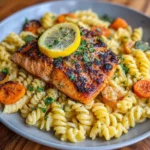
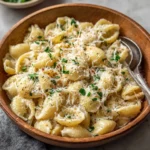
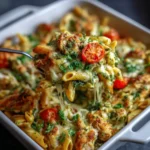
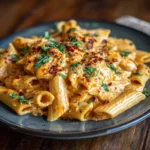
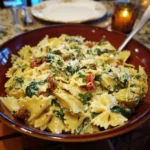
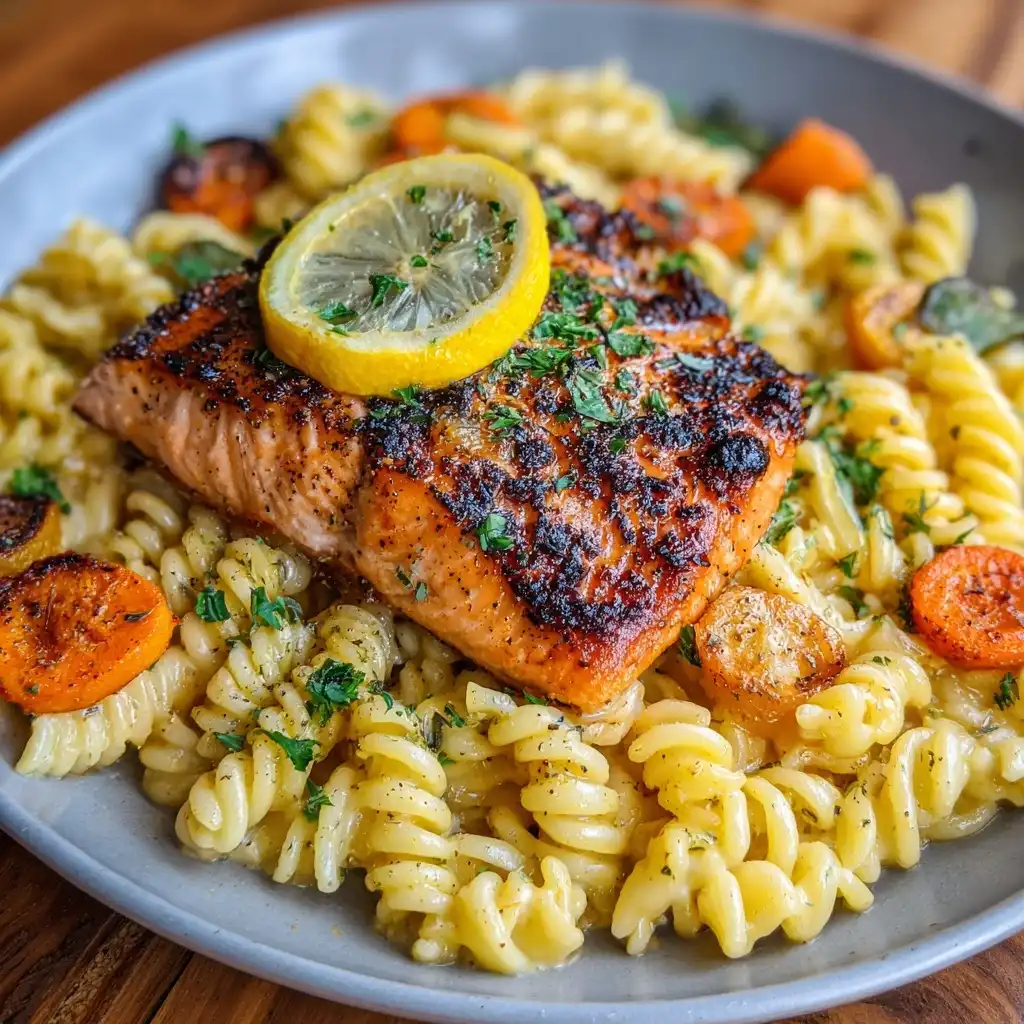
Lemon Garlic Butter Salmon Pasta is a vibrant, restaurant-worthy dish that marries the delicate richness of wild-caught salmon with the bright acidity of fresh lemon, the aromatic depth of sautéed garlic, and the luxurious silkiness of browned butter—all tossed with perfectly al dente pasta. Effortless yet elegant, this meal bridges the gap between weeknight practicality and weekend indulgence. Whether you’re cooking for one, preparing a date-night dinner, or hosting friends, its balanced flavor profile—citrusy, savory, umami-rich, and subtly sweet—delights without overwhelming. The dish celebrates simplicity done masterfully: minimal ingredients, maximal impact, and zero reliance on heavy creams or artificial seasonings. It’s nourishing, deeply flavorful, and ready in under 30 minutes—proof that gourmet dining doesn’t require hours at the stove or a pantry full of obscure ingredients.
The History
While there’s no single documented origin for “Lemon Garlic Butter Salmon Pasta,” its roots trace back to the broader evolution of Mediterranean and Pacific Northwest culinary traditions. Lemon and garlic have long been foundational in coastal Italian cuisine—think spaghetti aglio e olio—where olive oil, garlic, and citrus zest elevate humble ingredients. Meanwhile, salmon has been a dietary cornerstone for Indigenous peoples of the Pacific Northwest for over 10,000 years, revered not only as sustenance but as cultural and spiritual sustenance. The modern fusion began gaining traction in the late 20th century as American home cooks embraced global flavors and sought healthier protein alternatives to red meat. Chefs like Alice Waters (Chez Panisse) and later, food media personalities such as Ina Garten and Martha Stewart, helped popularize quick-sear salmon techniques paired with bright, herb-forward sauces. The addition of pasta—particularly short, sauce-clinging shapes like linguine, spaghetti, or fusilli—emerged organically from home kitchens seeking comfort with sophistication. By the 2010s, viral food blogs and Instagram chefs amplified its appeal, emphasizing visual appeal (golden salmon flakes, glistening butter emulsion, vibrant green herbs) and approachable technique. Today, it stands as a hallmark of contemporary “healthy indulgence”—a dish that satisfies cravings while honoring whole-food integrity and seasonal awareness.
Ingredients Breakdown
Every ingredient in this recipe plays a distinct, intentional role—no filler, no afterthoughts. Here’s why each matters:
- Salmon Fillets (skin-on or skinless): Opt for center-cut, wild-caught Atlantic or Alaskan salmon (preferably MSC-certified). Its high omega-3 content, firm texture, and rich marbling ensure moist, flaky results. Skin-on helps retain moisture during searing and adds crisp texture if rendered properly.
- Pasta (linguine, spaghetti, or bucatini): Long, slender strands capture the lemon-butter sauce beautifully. Semolina-based dried pasta offers ideal bite; gluten-free options like brown rice or lentil pasta work well for dietary needs (adjust cook time accordingly).
- Unsalted Butter: Crucial for both flavor and emulsification. Browning it (to nutty, golden “beurre noisette”) deepens complexity and adds subtle caramel notes. Unsalted allows precise sodium control.
- Fresh Garlic: Minced—not powdered—garlic delivers pungent, floral, and slightly sweet aromatics that mellow beautifully when cooked gently in butter. Too much raw garlic burns easily; too little loses impact.
- Fresh Lemons: Both zest and juice are non-negotiable. Zest contains essential oils that perfume the entire dish; juice provides balancing acidity that cuts through fat and enhances salmon’s natural sweetness. Bottled lemon juice lacks brightness and introduces off-notes.
- Extra-Virgin Olive Oil: Used only for initial searing—it has a higher smoke point than butter alone and prevents garlic from scorching. Adds grassy, peppery nuance that complements salmon’s oceanic notes.
- Shallots (optional but recommended): Finely diced shallots add layered sweetness and allium depth without overpowering. They caramelize gently in butter, bridging garlic and lemon.
- Fresh Herbs (parsley, dill, or chives): Added at the end for freshness, color, and herbal lift. Flat-leaf parsley offers clean bitterness; dill brings anise-like brightness that pairs exceptionally with salmon; chives lend mild oniony grace.
- Red Pepper Flakes (optional): A whisper adds warmth—not heat—enhancing perception of other flavors without dominating. Toast them lightly in oil first to unlock aroma.
- High-Quality Sea Salt & Freshly Cracked Black Pepper: Kosher salt ensures even seasoning; freshly ground black pepper contributes volatile oils absent in pre-ground versions. Both are critical for rounding out and elevating every element.
- Pasta Water: Often overlooked, this starchy, saline liquid is the secret weapon for binding sauce to pasta. Reserved before draining, it helps create a glossy, cohesive emulsion instead of a greasy separation.
Step-by-Step Recipe
- Prep & Measure: Bring a large pot of heavily salted water (2 tbsp kosher salt per 4 quarts) to a rolling boil. While water heats, pat salmon fillets *very* dry with paper towels—this ensures a perfect sear. Season both sides generously with salt and pepper. Mince 3–4 garlic cloves, finely dice 1 small shallot, zest 1 large lemon (avoid white pith), then juice it (you’ll need ~3 tbsp). Chop ¼ cup fresh parsley (or dill), and measure 6 tbsp unsalted butter.
- Toast & Sear Salmon: Heat 1 tbsp extra-virgin olive oil in a large, heavy-bottomed skillet (stainless steel or cast iron preferred) over medium-high heat until shimmering. Place salmon skin-side down (if using skin-on) and press gently with a spatula for 15 seconds to prevent curling. Cook undisturbed for 4–5 minutes until skin is ultra-crisp and golden, and fish is ~¾ cooked through (opaque up to center line). Flip carefully and cook 1–2 minutes more for medium doneness. Transfer to a plate, loosely tented with foil. Let rest 3 minutes—this allows juices to redistribute.
- Cook Pasta: Add pasta to boiling water. Stir immediately to prevent sticking. Cook 1 minute *less* than package directions for al dente texture (it will finish cooking in the pan). Reserve 1 cup of starchy pasta water just before draining.
- Build the Sauce Base: In the same skillet used for salmon (wipe out excess oil but leave flavorful browned bits), reduce heat to medium-low. Add butter and swirl until melted. Once foaming subsides, add shallots and sauté 2 minutes until translucent. Add garlic (and red pepper flakes, if using) and cook 45–60 seconds—just until fragrant, *not* browned. Overcooking garlic turns it bitter.
- Emulsify & Brighten: Remove skillet from heat. Stir in lemon zest and juice. Return to low heat and whisk constantly for 30 seconds to combine. The mixture should thicken slightly and become glossy—this is your base emulsion.
- Combine & Finish: Drain pasta (do not rinse) and immediately add to skillet with lemon-garlic butter. Toss vigorously with tongs for 1 minute, adding reserved pasta water 1–2 tbsp at a time until sauce coats every strand silkily. Gently flake rested salmon into large, tender pieces over pasta. Fold in gently—don’t break it up. Finish with chopped herbs, a final grind of black pepper, and a light sprinkle of flaky sea salt (like Maldon) for textural contrast.
- Serve Immediately: Portion into warmed shallow bowls. Garnish with extra lemon wedges, microgreens, or a drizzle of high-quality olive oil for sheen.
Tips
- Dry Salmon Is Non-Negotiable: Moisture is the enemy of crust. Pat fillets thoroughly—even refrigerate uncovered for 20 minutes pre-seasoning for maximum surface dryness.
- Don’t Crowd the Pan: Cook salmon in batches if needed. Overcrowding drops temperature, causing steaming instead of searing.
- Respect the Garlic Timeline: Garlic burns in under 90 seconds on medium heat. If it sizzles violently or smells sharp, reduce heat immediately.
- Use Pasta Water Strategically: Add it gradually—too much too fast dilutes flavor. Aim for a creamy, clingy consistency, not soupiness.
- Rest the Salmon: Skipping the 3-minute rest leads to dry, crumbly fish. Carryover cooking finishes it gently while retaining juiciness.
- Choose the Right Pan: Stainless steel gives superior browning and fond (those delicious browned bits); nonstick won’t develop the same depth. A wide, shallow skillet maximizes surface area for even sauce distribution.
- Adjust Acidity to Taste: Some lemons vary wildly in tartness. Taste sauce before adding pasta—add juice ½ tsp at a time until bright but balanced.
- Herb Timing Matters: Add delicate herbs *after* removing from heat to preserve their volatile oils and vibrant color. Stirring in hot pans dulls flavor and turns parsley brown.
- Butter Clarity: If butter separates (looks oily), remove from heat and whisk vigorously while adding 1 tsp cold water—this often rescues the emulsion.
- Salmon Doneness Cue: The flesh should release easily from the pan and flake with gentle pressure. Internal temp should read 125°F (52°C) for medium-rare or 135°F (57°C) for medium. It will rise 5–10°F while resting.
Variations and Customizations
This recipe is inherently adaptable—here’s how to make it your own without compromising integrity:
- Vegetable Boost: Sauté 1 cup baby spinach or arugula in the garlic butter just before adding pasta; fold in at the end for earthy bitterness. Or add roasted cherry tomatoes (tossed in olive oil, salt, and thyme at 400°F for 20 mins) for sweet-tart bursts.
- Protein Swaps: Substitute grilled shrimp (cook 2–3 min per side), seared scallops (2 min per side), or flaked smoked trout for a different oceanic twist. For vegetarian, use marinated and pan-seared king oyster mushrooms—they mimic salmon’s meaty texture and absorb lemon-butter beautifully.
- Pasta Alternatives: Swap traditional wheat pasta for whole-grain, chickpea, or konjac (shirataki) noodles for added fiber or low-carb appeal. Adjust cook times and rinse shirataki thoroughly to remove odor.
- Cheese Accents: A modest 2 tbsp grated Pecorino Romano or feta crumbles stirred in at the end adds salty, tangy depth—especially lovely with dill. Avoid mozzarella or ricotta; they mute acidity.
- Herb Rotations: Try tarragon (anise-forward, classic with fish), basil (for summery sweetness), or chervil (delicate, parsley-mint hybrid). Avoid rosemary or thyme unless finely minced—they overpower.
- Heat Level: Amp up spice with harissa paste swirled into butter, pickled jalapeño slices, or a finishing drizzle of chili crisp. For mild heat, use Aleppo pepper or smoked paprika.
- Citrus Variations: Replace half the lemon juice with yuzu, blood orange, or Meyer lemon for nuanced tartness. Lime works but can dominate—use sparingly and pair with cilantro.
- Umami Enhancers: A teaspoon of white miso paste whisked into warm butter adds profound savoriness without detectable soy flavor. Or stir in 1 tsp capers (rinsed) with the lemon juice for briny pop.
- Grain Bowls: Serve warm over farro, quinoa, or freekeh instead of pasta—add roasted beets, toasted walnuts, and goat cheese for a hearty, nutrient-dense bowl.
- Meal Prep Friendly: Cook salmon and sauce separately; store chilled up to 3 days. Reheat sauce gently, flake cold salmon in at the end to avoid overcooking. Cook pasta fresh for best texture.
Health Considerations and Nutritional Value
Lemon Garlic Butter Salmon Pasta is not just delicious—it’s a nutritionally intelligent meal built around science-backed superfoods. A standard serving (1 salmon fillet + 2 oz dry pasta + sauce) delivers approximately:
- Calories: ~620–750 kcal (varies by butter/oil amount and pasta portion)
- Protein: 38–45g — high-quality, complete protein from salmon supports muscle synthesis, satiety, and metabolic health.
- Healthy Fats: 32–40g — predominantly heart-healthy monounsaturated (olive oil) and omega-3 fatty acids (EPA/DHA from salmon). Omega-3s lower triglycerides, reduce inflammation, support brain function, and may improve mood and sleep quality.
- Carbohydrates: 45–55g — primarily complex carbs from whole-grain or legume-based pasta, offering sustained energy and gut-friendly fiber (6–8g per serving).
- Vitamins & Minerals: Exceptionally rich in Vitamin D (nearly 100% DV from salmon), B12 (critical for nerve health), selenium (powerful antioxidant), potassium (blood pressure regulation), and folate (cell repair). Lemon zest contributes bioflavonoids like hesperidin, which enhance vitamin C absorption and vascular protection.
Dietary Adaptations:
- Low-Sodium: Omit added salt; rely on lemon, herbs, and garlic for flavor. Use low-sodium broth in place of some pasta water if desired.
- Keto/Low-Carb: Replace pasta with spiralized zucchini (“zoodles”), shirataki noodles, or cauliflower rice. Increase healthy fats slightly (extra 1 tbsp butter or olive oil) to maintain satiety.
- Gluten-Free: Use certified GF pasta (brown rice, quinoa, or lentil blends). Ensure all seasonings and broth are GF-certified.
- Dairy-Free/Vegan Option: Substitute butter with high-heat avocado oil or refined coconut oil + 1 tsp nutritional yeast for umami depth. Use tofu or hearts of palm “salmon” marinated in nori, tamari, and liquid smoke.
- Pregnancy-Safe: Wild-caught salmon is low in mercury and high in DHA—ideal for fetal brain development. Avoid raw garlic or unpasteurized cheeses; fully cook all components.
Why This Beats “Creamy” Versions: Unlike heavy cream- or cheese-based salmon pastas, this relies on emulsified butter and starchy water for richness—delivering decadence without saturated fat overload, dairy bloat, or glycemic spikes. The lemon actively enhances iron absorption from plant-based sides, and garlic’s allicin compounds support immune resilience and cardiovascular health.
Ingredients
- 2 (6–7 oz) skin-on or skinless wild-caught salmon fillets, pin bones removed
- 12 oz linguine, spaghetti, or bucatini (or gluten-free alternative)
- 6 tbsp unsalted butter, cut into cubes
- 1 tbsp extra-virgin olive oil
- 1 small shallot, finely diced (about ¼ cup)
- 4 garlic cloves, minced
- Zest and juice of 1 large organic lemon (about 1 tbsp zest, 3 tbsp juice)
- ¼ cup fresh flat-leaf parsley, finely chopped (or 2 tbsp fresh dill)
- ¼ tsp red pepper flakes (optional)
- Kosher salt and freshly ground black pepper, to taste
- Flaky sea salt (e.g., Maldon), for finishing
- Lemon wedges, for serving
Directions
- Bring 4–5 quarts of water to a vigorous boil. Add 2 tablespoons kosher salt.
- Pat salmon fillets completely dry with paper towels. Season both sides generously with salt and pepper.
- Heat olive oil in a large stainless steel or cast iron skillet over medium-high heat until shimmering. Carefully place salmon in skillet, skin-side down if applicable. Press gently for 15 seconds, then cook undisturbed for 4–5 minutes until skin is deep golden and crisp. Flip and cook 1–2 minutes more. Transfer to a plate, tent loosely with foil, and rest for 3 minutes.
- Add pasta to boiling water. Cook 1 minute less than package directions. Reserve 1 cup starchy pasta water before draining. Drain pasta—do not rinse.
- In the same skillet, reduce heat to medium-low. Add butter and swirl until melted and foaming subsides (~1 minute). Add shallot and cook 2 minutes until soft. Add garlic and red pepper flakes; cook 45–60 seconds until fragrant.
- Remove skillet from heat. Stir in lemon zest and juice. Return to low heat and whisk 30 seconds until glossy.
- Add drained pasta to skillet. Toss continuously with tongs, adding reserved pasta water 1 tablespoon at a time until sauce clings luxuriously (usually ¼–½ cup needed).
- Gently fold in flaked salmon, herbs, and a final grind of black pepper. Taste and adjust salt or lemon as needed.
- Serve immediately in warmed bowls, garnished with flaky sea salt, extra herbs, and lemon wedges.
FAQ
- Can I use frozen salmon?
- Yes—but thaw it *completely* in the refrigerator overnight, then pat *extremely* dry. Never cook partially frozen salmon; it will steam rather than sear, resulting in gray, mushy texture.
- Why does my sauce break or look greasy?
- This happens when butter overheats or pasta water is added too quickly/cold. Solution: Remove from heat, whisk vigorously while adding 1 tsp cold water or a splash of lemon juice. Low, steady heat and gradual pasta water incorporation prevent separation.
- Can I make this ahead of time?
- The sauce and cooked pasta can be prepped up to 1 day ahead and refrigerated separately. Reheat sauce gently; toss with freshly cooked pasta. Cook salmon fresh—it reheats poorly and becomes rubbery.
- What’s the best pasta shape for this dish?
- Linguine and spaghetti offer ideal surface area for clinging sauce. Bucatini adds fun air pockets. Avoid very short shapes like orzo—they get lost; or very wide ribbons like pappardelle—they overwhelm the delicate salmon.
- Is skin-on salmon necessary?
- No—but highly recommended. Skin protects the flesh during cooking, retains moisture, and crisps into a delicious, nutrient-dense layer rich in collagen. If omitting, reduce cook time by 30 seconds per side.
- How do I know when salmon is perfectly cooked?
- Look for opaque pink flesh that flakes easily with a fork, with a slight translucency at the very center. Internal temperature should read 125–135°F. Remember: it continues cooking while resting.
- Can I double this recipe?
- Absolutely—just use two skillets or cook salmon in batches. Avoid doubling the sauce in one pan, which risks burning garlic or uneven emulsification.
- What wine pairs best with this dish?
- A crisp, mineral-driven white: Sauvignon Blanc (Loire Valley or New Zealand), unoaked Chardonnay, or dry Riesling. Their acidity mirrors lemon, while citrus and herbal notes harmonize with garlic and herbs. Avoid oaky or buttery wines—they clash.
- My garlic burned! What went wrong?
- Garlic was likely added to too-hot oil or left unattended. Always add it after shallots soften, reduce heat to medium-low, and stir constantly. If burnt, discard the batch—bitterness cannot be salvaged.
- Can I add cheese?
- Yes—but choose wisely. A small amount of sharp Pecorino Romano or crumbled feta adds salt and tang without masking lemon. Avoid melty cheeses like mozzarella—they create a gummy texture.
Summary
Lemon Garlic Butter Salmon Pasta is a masterclass in balance—bright citrus, aromatic alliums, velvety browned butter, and tender, omega-rich salmon unite over perfectly textured pasta in under 30 minutes.
Nourishing, restaurant-elegant, and endlessly customizable, it proves that exceptional flavor and holistic wellness aren’t mutually exclusive—they’re the natural result of respecting simple, seasonal ingredients and intentional technique.