Introduction
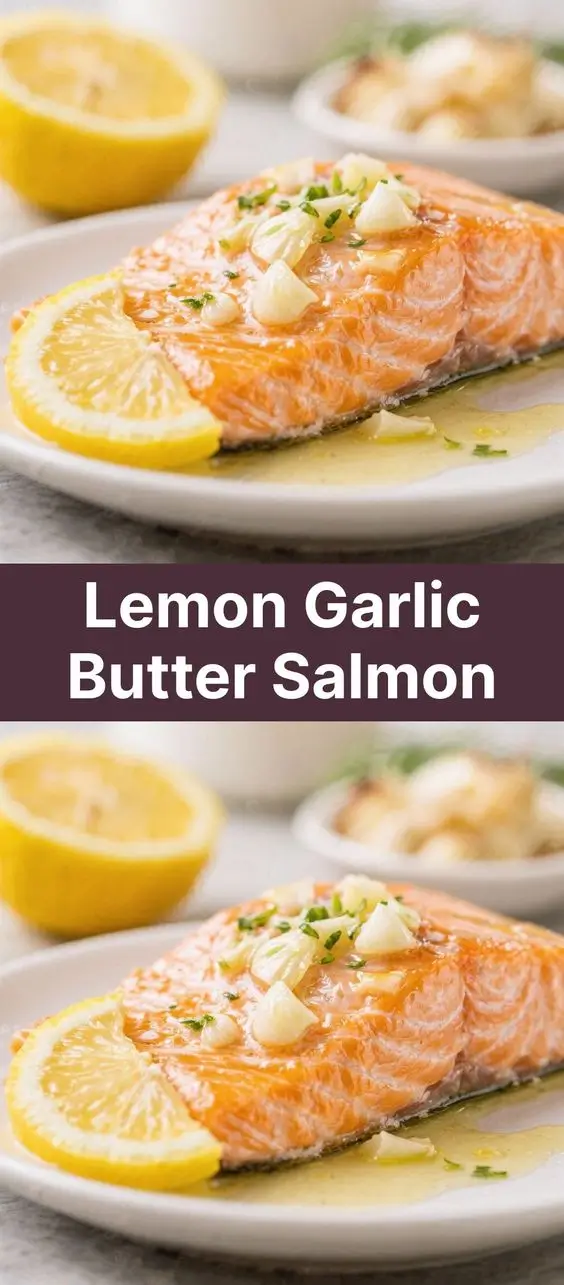
Lemon Garlic Butter Salmon is a culinary masterpiece that brings together the rich, delicate flavor of salmon with the bright acidity of lemon and the savory depth of garlic and butter. This dish strikes the perfect balance between indulgence and health, making it a favorite among home cooks and gourmet chefs alike. Whether you’re preparing a weeknight dinner or hosting an elegant weekend gathering, this recipe delivers both in taste and presentation. With its golden-brown, flaky exterior and tender, moist interior, each bite offers a burst of Mediterranean-inspired flavors that dance on your palate. The natural oils in salmon absorb the aromatic components beautifully, transforming simple ingredients into something extraordinary. Easy to prepare and even easier to love, Lemon Garlic Butter Salmon is a testament to how minimal effort can yield maximum reward in the kitchen.
The History
While salmon has been a dietary staple for centuries—especially among indigenous peoples of the Pacific Northwest and Nordic regions—the combination of lemon, garlic, and butter as a preparation method finds its roots in European cuisine, particularly French and Italian culinary traditions. In France, beurre blanc, a warm emulsion of butter and vinegar or white wine reduction, often accompanies fish dishes, laying the groundwork for butter-based sauces. Similarly, Italian cooking frequently pairs seafood with fresh garlic, herbs, and citrus, enhancing natural flavors without overpowering them. The fusion of these techniques became popularized in American kitchens during the late 20th century, as home cooks began embracing lighter, more flavorful alternatives to heavy cream-based sauces. The rise of the “healthy gourmet” movement further elevated dishes like Lemon Garlic Butter Salmon, which showcased premium ingredients prepared simply. Over time, this recipe evolved from restaurant menus into household favorites, celebrated for its elegance, ease, and nutritional benefits. Today, it stands as a modern classic—a symbol of how global influences can come together in one delicious, nourishing plate.
Ingredients Breakdown
- Salmon Fillets (6–8 oz each): Opt for wild-caught Atlantic or Pacific salmon when possible. Wild salmon tends to have a richer flavor and better fat profile than farmed varieties. Look for fillets with firm flesh, vibrant color (ranging from pink to deep orange), and a fresh, ocean-like scent.
- Unsalted Butter (½ cup): Using unsalted butter allows you to control the salt content. It also provides a clean, creamy base for the sauce, melting into a silky glaze that coats the salmon perfectly.
- Fresh Garlic (4–5 cloves, minced): Freshly minced garlic offers a pungent yet sweet aroma when sautéed in butter. Avoid pre-minced jarred garlic if possible, as it often contains preservatives and lacks brightness.
- Fresh Lemon Juice (¼ cup): Juice from 1–2 large lemons adds essential acidity that cuts through the richness of the butter and enhances the fish’s natural flavor. Always use freshly squeezed juice for optimal taste.
- Lemon Zest (1 tablespoon): Grated lemon peel contributes intense citrus fragrance and subtle bitterness, elevating the overall complexity of the dish.
- Olive Oil (2 tablespoons): A high-quality extra virgin olive oil helps sear the salmon without burning and adds heart-healthy monounsaturated fats to the cooking process.
- Fresh Parsley (¼ cup chopped): Flat-leaf parsley adds color, freshness, and a mild herbal note. It’s typically stirred into the sauce at the end or used as a garnish.
- Salt (to taste – about ¾ tsp): Enhances all other flavors. Use kosher or sea salt for best results due to their cleaner taste and texture.
- Black Pepper (½ tsp freshly ground): Adds gentle heat and depth. Freshly cracked pepper always tastes superior to pre-ground.
- Optional Additions: Red pepper flakes for heat, capers for brininess, white wine for deglazing, or Dijon mustard for tangy complexity.
Step-by-Step Recipe
- Preparation: Begin by patting the salmon fillets dry with paper towels. Excess moisture prevents proper searing. Season both sides generously with salt and freshly ground black pepper. Let them sit at room temperature for about 10–15 minutes to ensure even cooking.
- Heat the Pan: Place a large oven-safe skillet (preferably stainless steel or cast iron) over medium-high heat. Add 2 tablespoons of olive oil and allow it to shimmer but not smoke—this ensures a good sear without burning.
- Sear the Salmon: Place the salmon fillets skin-side down (if skin-on) into the hot pan. Press gently with a spatula for the first few seconds to prevent curling. Cook undisturbed for 4–5 minutes until the skin is crispy and golden brown. If your fillet is skinless, place the presentation side down first.
- Flip and Sear: Carefully flip the fillets using a wide spatula. Cook for another 2–3 minutes on the second side. At this point, the internal temperature should be around 110°F–115°F. Remove the pan from heat temporarily if finishing in the oven.
- Prepare the Garlic Butter Sauce: Reduce the heat to low. Push the salmon to the edges of the pan or transfer to a plate temporarily. Add the minced garlic to the center of the pan and sauté for about 30–45 seconds until fragrant—do not let it brown. Slowly whisk in the unsalted butter, one tablespoon at a time, allowing each piece to melt fully before adding the next.
- Add Citrus Elements: Stir in the fresh lemon juice and zest. Be cautious—adding cold liquid to hot butter may cause slight splattering. Continue stirring until the sauce becomes smooth and glossy.
- Incorporate Herbs and Finish: Remove from heat and stir in chopped parsley. For extra flavor, consider adding a pinch of red pepper flakes or a splash of white wine that’s been simmered briefly to reduce acidity.
- Finish Cooking (Optional Oven Method): If you prefer a more evenly cooked center, return the seared salmon to the pan, spoon the garlic butter mixture over the top, and bake in a preheated oven at 375°F (190°C) for 6–8 minutes, depending on thickness. Alternatively, finish entirely on the stovetop by basting the salmon with the warm butter sauce using a spoon.
- Rest Before Serving: Allow the salmon to rest for 2–3 minutes after cooking. This lets the juices redistribute, ensuring every bite remains moist and flavorful.
- Garnish and Serve: Spoon additional warm garlic butter sauce over the fillets and sprinkle with extra parsley and lemon zest. Serve immediately alongside rice, quinoa, roasted vegetables, or a crisp green salad.
Tips
- Don’t Overcook the Salmon: Salmon is best served slightly translucent in the center—at an internal temperature of 125°F–130°F. Carryover cooking will continue to raise the temperature after removal from heat.
- Baste for Extra Flavor: While the salmon is in the pan, continuously spoon the hot garlic butter over the top. This technique, known as basting, infuses the fish with flavor and creates a beautiful sheen.
- Use Fresh Ingredients: Pre-minced garlic, bottled lemon juice, or dried herbs cannot match the vibrancy of fresh counterparts. Invest in quality produce for the most authentic taste.
- Choose Thick-Cut Fillets: Uniform thickness ensures even cooking. Ask your fishmonger for center-cut portions that are at least 1 inch thick.
- Control Butter Temperature: To avoid separating the sauce, keep the heat low when incorporating butter. High heat can cause the butter to break, resulting in a greasy texture.
- Skin Crispiness Tip: For ultra-crispy skin, make sure the skin is completely dry before placing it in the pan. You can also lightly score the skin with a knife to prevent shrinking and curling.
- Make Ahead Components: While the dish is best served fresh, you can prep the garlic, chop the herbs, and juice the lemons ahead of time. Store them separately in airtight containers in the refrigerator.
- Reserve Some Sauce: Pour a small amount of the finished garlic butter sauce into a separate bowl before serving to drizzle over the plated dish for visual appeal.
- Avoid Crowding the Pan: Cook in batches if necessary. Overcrowding lowers the pan temperature and steams the fish instead of searing it.
- Check Doneness Visually: The salmon should easily flake with a fork but still appear moist. An opaque pink hue throughout indicates doneness, while a glossy center means it’s medium-rare.
Variations and Customizations
- Dairy-Free Version: Replace butter with ghee (clarified butter), avocado oil, or a plant-based butter alternative made from nuts or coconut oil. Coconut butter works well but imparts a slight sweetness.
- Herb Variations: Swap parsley for dill (classic with salmon), chives, tarragon, or cilantro for different flavor profiles. Dill especially complements lemon and garlic beautifully.
- Creamy Twist: Stir in 2–3 tablespoons of heavy cream or crème fraîche to create a richer, velvety sauce. This version pairs wonderfully with mashed potatoes or pasta.
- Asian-Inspired Fusion: Replace lemon with yuzu or lime, add grated ginger, soy sauce, sesame oil, and top with scallions and toasted sesame seeds for an umami-packed twist.
- Spicy Kick: Infuse the butter with sliced chili peppers or add a dash of sriracha, gochujang, or cayenne pepper for those who enjoy heat.
- Wine-Enhanced Sauce: After removing the salmon, deglaze the pan with ¼ cup of dry white wine (such as Sauvignon Blanc or Pinot Grigio). Simmer until reduced by half before adding butter and lemon juice for a more complex, restaurant-style sauce.
- Grilled Option: Instead of pan-searing, grill the salmon over medium heat. Brush with garlic butter during the last few minutes of grilling to prevent flare-ups.
- Baked En Papillote: Wrap seasoned salmon with lemon slices, garlic, butter, and herbs in parchment paper and bake at 400°F (200°C) for 15–18 minutes. This method locks in moisture and aroma.
- Sheet Pan Dinner: Arrange salmon on a sheet pan with chopped asparagus, cherry tomatoes, zucchini, and bell peppers. Drizzle everything with olive oil, garlic, lemon, and herbs, then roast at 400°F for 15–20 minutes.
- Smoked Salmon Upgrade: Use this garlic butter sauce as a warm topping for seared fresh salmon, then garnish with a small piece of smoked salmon for layered texture and flavor.
Health Considerations and Nutritional Value
Lemon Garlic Butter Salmon isn’t just delicious—it’s incredibly nutritious. Salmon is renowned for its high levels of omega-3 fatty acids (EPA and DHA), which support heart health, brain function, and reduce inflammation. A 6-ounce serving of cooked salmon contains approximately 340 calories, 37 grams of high-quality protein, and 20–25 grams of healthy fats. These fats include monounsaturated and polyunsaturated fats, which help maintain healthy cholesterol levels when consumed in moderation. The addition of olive oil further boosts heart-healthy fats, while garlic has been linked to immune system support and potential blood pressure regulation. Lemons contribute vitamin C—an antioxidant that aids collagen production and enhances iron absorption. However, the traditional garlic butter sauce does increase saturated fat content due to butter usage. For a healthier version, reduce the butter quantity or substitute part of it with broth or olive oil. Despite the richness, this dish remains balanced when paired with fiber-rich sides like steamed broccoli, wild rice, or a kale salad. It’s naturally gluten-free and can be adapted to dairy-free diets. Due to its nutrient density, Lemon Garlic Butter Salmon is suitable for ketogenic, paleo, and Mediterranean eating plans. Pregnant individuals should ensure salmon is properly cooked to avoid foodborne illness, though salmon is generally considered safe and beneficial during pregnancy due to its DHA content. As with any food, portion control and ingredient quality play key roles in maximizing health benefits.
Ingredients
- 4 salmon fillets (6–8 oz each, skin-on or skinless)
- ½ cup (1 stick) unsalted butter
- 4–5 cloves fresh garlic, finely minced
- Juice of 1–2 large lemons (about ¼ cup)
- 1 tablespoon lemon zest
- 2 tablespoons extra virgin olive oil
- ¼ cup fresh parsley, finely chopped
- ¾ teaspoon kosher salt (or to taste)
- ½ teaspoon freshly ground black pepper
- Optional: ¼ teaspoon red pepper flakes, 1 tablespoon capers, 2 tablespoons white wine
Directions
- Preheat your oven to 375°F (190°C) if planning to finish the salmon in the oven.
- Pat the salmon fillets dry with paper towels and season both sides with salt and pepper. Set aside to come to room temperature.
- Heat a large oven-safe skillet over medium-high heat. Add olive oil and swirl to coat the pan.
- Place salmon fillets in the pan, skin-side down if applicable. Press lightly with a spatula for stability and cook undisturbed for 4–5 minutes until skin is golden and crisp.
- Flip the fillets carefully and cook for an additional 2 minutes. Transfer the pan off the heat temporarily if finishing on the stovetop, or proceed to oven step.
- Reduce heat to low. Move salmon to the edges of the pan or place on a plate. Add minced garlic to the center and sauté for 30–45 seconds until fragrant.
- Gradually whisk in butter, one tablespoon at a time, allowing each to melt completely before adding the next.
- Stir in lemon juice, lemon zest, and optional ingredients like red pepper flakes or capers.
- Remove from heat and stir in chopped parsley.
- If finishing in the oven: Return salmon to the pan, spoon garlic butter sauce over the top, and bake for 6–8 minutes or until internal temperature reaches 125°F–130°F.
- If finishing on stovetop: Return salmon to the pan and baste continuously with the garlic butter for 3–4 minutes until desired doneness.
- Let rest for 2–3 minutes. Garnish with extra parsley, lemon slices, and a final drizzle of warm butter sauce.
- Serve immediately with your choice of side dishes.
FAQ
Q: Can I use frozen salmon?
A: Yes, but thaw it completely in the refrigerator overnight before cooking. Cooking frozen salmon may result in uneven texture and excess moisture.
Q: How do I store leftovers?
A: Store cooled salmon in an airtight container in the refrigerator for up to 2 days. Reheat gently in a skillet over low heat or enjoy cold in salads.
Q: Why did my butter sauce separate?
A: High heat or adding cold butter too quickly can cause separation. To fix, remove from heat and slowly whisk in a teaspoon of warm water or lemon juice to re-emulsify.
Q: Is it safe to eat salmon with a slightly pink center?
A: Yes. USDA recommends 145°F, but many chefs serve salmon at 125°F–130°F for optimal moisture and texture. Ensure it’s from a reputable source.
Q: Can I make this recipe ahead of time?
A: The sauce can be made in advance and gently reheated. However, salmon is best cooked fresh to preserve texture and flavor.
Q: What sides pair well with this dish?
A: Excellent pairings include garlic butter asparagus, lemon herb rice, quinoa pilaf, roasted Brussels sprouts, or a mixed greens salad with vinaigrette.
Q: Can I use margarine instead of butter?
A: Margarine is not recommended as it contains water and additives that may alter the sauce’s consistency and flavor. Stick to real butter or ghee for best results.
Q: How do I know when salmon is done?
A: Insert a fork into the thickest part and twist gently. If it flakes easily but remains moist, it’s ready. Use a meat thermometer for accuracy—aim for 125°F–130°F for medium.
Q: Can I air fry this salmon?
A: Absolutely! Air fry at 370°F for 10–12 minutes, depending on thickness. Prepare the garlic butter sauce separately and spoon over after cooking.
Q: Is this recipe keto-friendly?
A: Yes, especially if served with low-carb sides like sautéed spinach or cauliflower mash. Just monitor butter quantity if following strict macros.
Summary
Lemon Garlic Butter Salmon combines succulent, flaky salmon with a luscious sauce of butter, garlic, and fresh lemon for a dish that’s both elegant and effortless. Packed with flavor and nutrition, it’s a versatile recipe perfect for everyday meals or special occasions alike.