Introduction
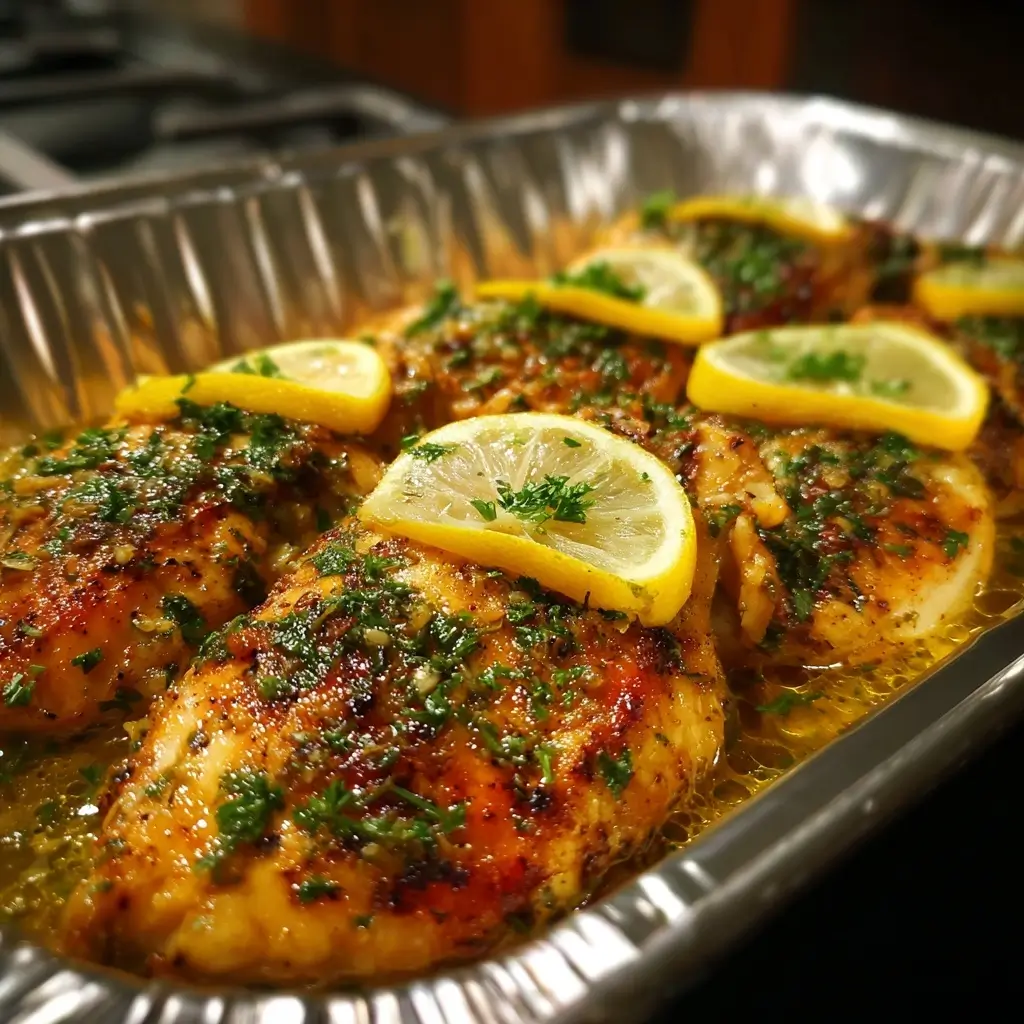
Lemon Garlic Butter Chicken is a timeless, restaurant-worthy dish that effortlessly marries bright citrus acidity, pungent aromatic depth, and luxurious, velvety richness—all in one skillet. Beloved by home cooks and professional chefs alike, this recipe transforms simple, pantry-staple ingredients into an elegant yet approachable weeknight meal. Its vibrant flavor profile—tangy, savory, herbaceous, and deeply umami—makes it equally suited for a cozy family dinner, a date-night centerpiece, or even a crowd-pleasing main course at gatherings. What truly sets this dish apart is its remarkable balance: the sharp zing of fresh lemon cuts through the decadence of browned butter and garlic, while the chicken remains succulent, tender, and perfectly seared. Unlike heavy, cream-based preparations, Lemon Garlic Butter Chicken relies on reduction, emulsification, and technique to build layers of flavor without masking the natural sweetness and juiciness of high-quality poultry. Whether you’re cooking for one or serving six, this dish delivers consistent excellence—and its versatility invites endless personalization, from Mediterranean herb accents to Asian-inspired umami twists.
The History
While no single documented “origin story” exists for Lemon Garlic Butter Chicken as a named dish, its roots run deep across multiple culinary traditions. The triumvirate of lemon, garlic, and butter has long been a cornerstone of French haute cuisine, particularly in classic preparations like poulet à la meunière (chicken in brown butter with lemon and parsley), which dates back to 19th-century Parisian bistros. Simultaneously, Mediterranean cuisines—especially Greek, Italian, and Lebanese—have celebrated lemon-garlic pairings for centuries, using them to season grilled or roasted meats, stews, and marinades. In Lebanon, tawook often features lemon and garlic in its marinade; in southern Italy, pollo al limone appears in regional cookbooks as early as the 1920s. The American home-cooking boom of the 1950s and ’60s saw these techniques democratized via glossy magazines and televised cooking shows, where butter-basting and citrus finishing became hallmarks of “gourmet” simplicity. By the 1990s and early 2000s, food blogs and cable cooking networks amplified its popularity, rebranding it as “Lemon Garlic Butter Chicken”—a searchable, SEO-friendly title that captured both its core flavors and comforting appeal. Today, it stands as a global comfort classic: a testament to how elemental ingredients, elevated by thoughtful technique, transcend trends and geography.
Ingredients Breakdown
Every exceptional Lemon Garlic Butter Chicken begins not with quantity—but with quality and intentionality. Below is a meticulous breakdown of each component, including why it matters, ideal specifications, and common pitfalls to avoid:
- Chicken Breasts (boneless, skinless): Opt for air-chilled, antibiotic-free, and preferably organic or pasture-raised breasts. Thickness matters—aim for 6–8 oz each and 1 to 1.25 inches thick. Uniform thickness ensures even cooking; thinner pieces dry out, while overly thick ones risk undercooked centers. If needed, gently pound between parchment paper to an even ¾-inch thickness. Avoid pre-brined or “enhanced” chicken, which contains added sodium and phosphates that inhibit proper browning and yield a spongy texture.
- Unsalted Butter: This is non-negotiable. Salted butter varies wildly in salt content, making seasoning control nearly impossible. Use high-fat European-style butter (82–86% fat) for superior browning, richer mouthfeel, and more stable emulsions. Cold butter cut into small cubes is essential for the final pan sauce—melting it too early causes separation.
- Fresh Garlic: Always use freshly minced or finely grated garlic—not jarred or powdered. Enzymes activated upon cutting release allicin, responsible for garlic’s pungent aroma and health benefits. Mince just before cooking; pre-minced garlic oxidizes quickly and develops bitter off-notes. For optimal flavor release, crush cloves lightly with the side of your knife before mincing.
- Lemons: Two types are used intentionally: zest and juice. Use organic lemons for zest—wax-free skins ensure no chemical residue and brighter oil extraction. Zest *before* juicing, as the fruit softens after squeezing and yields less aromatic peel. Freshly squeezed juice is critical—bottled lemon juice contains preservatives and lacks volatile citrus esters that provide top-note brightness. One medium lemon yields ~2½ tbsp juice and 1 tsp zest; always juice at room temperature for maximum yield.
- All-Purpose Flour (optional but recommended): A light dusting creates a protective barrier that promotes Maillard browning, locks in moisture, and provides starch to gently thicken the pan sauce. Use unbleached, low-protein flour—bleached flour can impart a chalky aftertaste. Gluten-free cooks can substitute rice flour or cornstarch (use 75% of the amount).
- Dry White Wine (optional but transformative): A splash (¼ cup) of crisp, acidic wine—such as Sauvignon Blanc, Pinot Grigio, or unoaked Chardonnay—adds complexity, deglazes fond beautifully, and balances richness. Avoid “cooking wine” (loaded with salt and preservatives) or sweet varieties like Riesling, which clash with lemon’s acidity.
- Fresh Herbs: Flat-leaf parsley is traditional for its clean, grassy bitterness that offsets fat. Add it at the very end—heat diminishes its volatile oils. Optional upgrades: a few leaves of fresh oregano or thyme during simmering, or chives for garnish. Dried herbs lack the nuanced oils and should be avoided unless absolutely necessary (use ⅓ the volume of fresh).
- High-Heat Cooking Oil: Avocado, grapeseed, or refined olive oil (not extra virgin) are ideal. They have smoke points above 400°F (204°C), preventing burnt flavors during searing. Extra virgin olive oil breaks down and tastes acrid when heated past 375°F.
- Sea Salt & Freshly Ground Black Pepper: Kosher salt (like Diamond Crystal) is preferred for even distribution and gentler salinity. Always season chicken *both before and after cooking*: before for interior seasoning, after for surface enhancement and sauce integration. Freshly cracked black pepper adds floral heat—pre-ground loses potency within weeks.
Step-by-Step Recipe
- Prep & Pat Dry: Remove chicken from refrigerator 20 minutes before cooking. Using paper towels, press firmly to remove *all* surface moisture—this is the #1 secret to achieving golden, non-sticking sear. Lightly season both sides with ½ tsp kosher salt and ¼ tsp black pepper.
- Flour & Rest: Place ¼ cup all-purpose flour in a shallow dish. Dredge each breast lightly, shaking off excess. Let rest uncovered on a wire rack for 10 minutes—this allows the flour to hydrate slightly and adhere better.
- Heat Pan & Oil: Heat a heavy-bottomed stainless steel or cast-iron skillet over medium-high heat for 2 minutes. Add 1 tbsp high-heat oil and swirl to coat. Test heat by flicking a drop of water—if it skitters and evaporates instantly, it’s ready.
- Sear Chicken: Place chicken in pan without crowding (cook in batches if needed). Press gently with a spatula for 3 seconds to ensure full contact. Do NOT move for 5–6 minutes until a deep golden crust forms. Flip and cook opposite side 4–5 minutes until internal temperature reaches 155°F (68°C) at thickest part. Transfer to a plate, tent loosely with foil, and rest 5 minutes (temp will rise to 165°F/74°C).
- Build Fond & Aromatics: Reduce heat to medium. Pour off excess oil, leaving ~1 tsp. Add 2 tbsp unsalted butter and let melt. Add 4–5 thinly sliced garlic cloves (or 2 tbsp minced) and sauté 45–60 seconds until fragrant but *not browned*. Stir constantly to prevent burning.
- Deglaze: Pour in ¼ cup dry white wine (or 3 tbsp low-sodium chicken broth if avoiding alcohol). Scrape vigorously with a wooden spoon to lift all caramelized bits (fond) from the pan bottom—this is pure flavor gold. Simmer 1–2 minutes until reduced by half.
- Add Lemon & Reduce: Stir in juice of 1 lemon (2½ tbsp) and 1 tsp finely grated zest. Simmer 1 minute to mellow raw acidity and concentrate flavor.
- Emulsify Sauce: Reduce heat to low. Whisk in remaining 4 tbsp cold butter, one cube at a time, waiting until each is *almost fully melted* before adding the next. Continue whisking constantly—this creates a lush, satiny, stable emulsion. Never let sauce boil after adding butter.
- Finish & Serve: Return rested chicken to pan, spooning sauce over. Simmer gently 30 seconds to warm through. Remove from heat. Stir in 2 tbsp chopped fresh parsley, a final pinch of flaky sea salt, and optional red pepper flakes. Serve immediately.
Tips
- The Rest Is Non-Negotiable: Allowing chicken to rest *before* cooking (to temper) and *after* cooking (to retain juices) makes the difference between tender and tough. Skipping either step risks rubbery texture or dry meat.
- Control Your Heat Like a Pro: Garlic burns in seconds at high heat—always reduce to medium before adding it. Conversely, searing requires sustained high heat; if the pan cools mid-sear, the chicken will steam instead of caramelize.
- Brown Butter vs. Burnt Butter: For deeper nuttiness, you may choose to brown the butter *before* adding garlic—watch closely as golden foam turns amber and smells toasty (~2 minutes). Then cool 30 seconds before proceeding. But never let it turn dark brown—that’s bitterness, not depth.
- Sauce Rescue Techniques: If sauce breaks (separates), remove from heat and whisk in 1 tsp cold water or lemon juice—this often re-emulsifies it. If too thin, simmer 30 seconds longer. If too thick, whisk in warm broth, 1 tsp at a time.
- Pan Choice Matters: Stainless steel gives best fond development; nonstick prevents sticking but sacrifices fond (and thus flavor). Cast iron retains heat superbly but requires careful temperature management to avoid scorching garlic.
- Acid Timing Is Everything: Adding lemon juice *before* reducing the wine or broth leads to excessive volatility and loss of brightness. Always add citrus *after* the liquid base is concentrated.
- Double-Zest Strategy: Grate zest from *two* lemons—one for the sauce, one reserved for garnish. The second addition right before serving delivers an aromatic “lift” that awakens the entire dish.
- Butter Cube Size: Cut butter into ½-inch cubes—not smaller. Tiny pieces melt too fast, causing sauce to break. Larger pieces won’t incorporate smoothly.
- Herb Timing Precision: Stir parsley in *off the heat*. Even residual pan warmth is enough to dull its color and aroma if added too early.
- Temperature Tool: Invest in an instant-read thermometer (e.g., ThermoWorks Thermapen). Guesswork leads to overcooked chicken—165°F (74°C) is the USDA-safe minimum, but pulling at 155°F ensures perfect carryover.
Variations and Customizations
This recipe is a masterful canvas—adaptable to dietary needs, seasonal produce, global inspirations, and personal taste. Explore these thoughtfully crafted variations:
Global Flavor Twists
- Mediterranean Lemon-Oregano: Add 1 tsp dried oregano (or 1 tbsp fresh) with garlic; finish with crumbled feta, kalamata olives, and cherry tomatoes halved and roasted separately.
- Asian-Inspired Umami Boost: Replace white wine with 2 tbsp dry sherry + 1 tsp tamari. Add 1 tsp grated fresh ginger with garlic. Garnish with scallions and sesame seeds. Optional: stir in ½ tsp chili crisp for heat and crunch.
- Herbes de Provence French Style: Infuse 1 tbsp butter with 1 tsp herbes de Provence before adding garlic. Finish with lavender honey drizzle (½ tsp) and toasted pistachios.
Dietary Adaptations
- Gluten-Free: Substitute rice flour or cornstarch for dredging. Ensure broth and wine are certified GF (some wines use gluten-containing fining agents).
- Dairy-Free: Replace butter with high-quality vegan butter (Miyoko’s or Forager) *and* finish with 1 tbsp nutritional yeast for umami depth. Note: Emulsion stability decreases—whisk vigorously and serve immediately.
- Low-Carb/Keto: Skip flour entirely. Sear chicken in oil only, then proceed with sauce. Increase healthy fats: add 1 tbsp olive oil to sauce or top with avocado slices.
- Paleo/Whole30: Omit butter and flour. Use ghee (clarified butter, dairy-free compliant) and coconut aminos instead of wine. Thicken with 1 tsp arrowroot slurry (mixed with cold water) at the end.
Protein & Texture Swaps
- Thighs Instead of Breasts: Boneless, skinless thighs offer more forgiving moisture and richer flavor. Adjust sear time: 6–7 minutes per side. Their higher fat content enhances sauce silkiness.
- Shrimp or Scallops: Sear 1 lb large shrimp (peeled/deveined) or dry-packed scallops for 1.5–2 minutes per side. Deglaze and finish sauce same way—reduce total cook time to preserve tenderness.
- Vegetarian “Chicken”: Use extra-firm tofu (pressed 30+ minutes) or seitan cutlets. Marinate 20 minutes in lemon juice, garlic, tamari, and maple syrup before dredging and searing.
Seasonal & Gourmet Upgrades
- Spring Asparagus & Peas: Blanch 1 cup asparagus tips and ½ cup fresh peas; stir into sauce just before serving.
- Summer Heirloom Tomatoes: Top finished dish with ½ cup diced heirloom tomatoes, basil ribbons, and a drizzle of aged balsamic glaze.
- Fall Sage & Apple Cider: Replace lemon zest with 4 fresh sage leaves (fried crisp in butter first); swap lemon juice for 3 tbsp apple cider vinegar + 1 tbsp local apple cider.
- Winter Citrus Medley: Use blood orange juice + zest, Meyer lemon juice, and a splash of Grand Marnier instead of wine.
Health Considerations and Nutritional Value
A single 6-oz serving of Lemon Garlic Butter Chicken (made with 1 tbsp oil, 6 tbsp butter, 1 lemon, and no added sugar or sodium beyond seasoning) delivers approximately:
- Calories: ~520 kcal
- Protein: 42g (excellent source; supports muscle repair and satiety)
- Total Fat: 34g (of which 19g is saturated fat from butter—moderation advised for heart health)
- Carbohydrates: 2g (negligible; naturally low-carb)
- Vitamin C: 35mg (39% DV—supports immunity and collagen synthesis)
- Vitamin B6 & B12: Significant amounts from chicken—critical for nerve function and red blood cell formation
- Selenium: ~30mcg (55% DV—potent antioxidant involved in thyroid metabolism)
- Allicin (from raw garlic): Though partially diminished by heat, sufficient bioactive compounds remain to support cardiovascular health and antimicrobial activity
Nutritionist Notes:
- Heart-Healthy Tweaks: Reduce butter to 3 tbsp and supplement with 1 tbsp extra-virgin olive oil in the sauce. Add 1 tbsp capers (rich in quercetin) and increase lemon juice to 3 tbsp for enhanced polyphenol content.
- Sodium Awareness: This recipe uses only ~320mg sodium (mostly from kosher salt)—well below the 2,300mg daily limit. Avoid adding soy sauce, broth, or pre-seasoned chicken to maintain control.
- Cholesterol Context: Contains ~140mg dietary cholesterol—within the 300mg/day guideline for most adults. Current science emphasizes saturated fat moderation over strict cholesterol restriction for cardiovascular risk.
- Gut Health Boost: Garlic and lemon both act as prebiotics, feeding beneficial gut bacteria. Pair with fermented sides (e.g., sauerkraut, plain Greek yogurt) for synergistic effect.
- Anti-Inflammatory Profile: High in monounsaturated fats (olive oil), antioxidants (vitamin C, selenium, flavonoids from lemon zest), and organosulfur compounds (garlic)—all clinically associated with reduced systemic inflammation.
Who Should Modify? Individuals with GERD or acid reflux may benefit from reducing lemon juice to 1 tbsp and adding 1 tsp honey to buffer acidity. Those managing high cholesterol should prioritize leaner cuts (chicken breast over thigh) and limit butter to 2 tbsp max, using broth as the primary liquid base.
Ingredients
- 2 (6–8 oz) boneless, skinless chicken breasts, pounded to ¾-inch thickness
- ¼ cup all-purpose flour (or rice flour for GF)
- 1 tsp kosher salt, divided
- ½ tsp freshly ground black pepper, divided
- 1 tbsp high-heat cooking oil (avocado or grapeseed)
- 6 tbsp unsalted butter, divided (2 tbsp + 4 tbsp), cold and cubed
- 4–5 garlic cloves, thinly sliced or finely minced
- ¼ cup dry white wine (Sauvignon Blanc or Pinot Grigio) OR low-sodium chicken broth
- 2½ tbsp fresh lemon juice (about 1 medium lemon)
- 1 tsp finely grated lemon zest (organic lemon preferred)
- 2 tbsp fresh flat-leaf parsley, finely chopped
- Flaky sea salt (Maldon), for finishing
- Optional: ¼ tsp red pepper flakes, for heat
Directions
- Bring chicken to room temperature for 20 minutes. Pat *extremely* dry with paper towels. Season both sides with ½ tsp kosher salt and ¼ tsp black pepper.
- In a shallow bowl, place flour. Dredge each chicken breast lightly, shaking off excess. Place on a wire rack and let rest uncovered for 10 minutes.
- Heat a 12-inch stainless steel or cast-iron skillet over medium-high heat for 2 minutes. Add oil and swirl to coat. When oil shimmers (test with water droplet), carefully place chicken in pan. Press gently with spatula for 3 seconds. Do not move for 5–6 minutes until deeply golden and easily releases. Flip and cook 4–5 minutes more until internal temperature reaches 155°F. Transfer to plate, tent with foil, rest 5 minutes.
- Reduce heat to medium. Pour off excess oil, leaving ~1 tsp. Add 2 tbsp butter and let melt. Add garlic; sauté 45–60 seconds until fragrant but pale—do not brown.
- Pour in wine (or broth). Scrape pan vigorously with wooden spoon to lift all browned bits. Simmer 1–2 minutes until reduced by half.
- Stir in lemon juice and zest. Simmer 1 minute.
- Reduce heat to low. Whisk in remaining 4 tbsp cold butter, one cube at a time, waiting until each is nearly melted before adding the next. Whisk constantly—do not boil.
- Return rested chicken to pan, spooning sauce over. Warm gently 30 seconds.
- Remove from heat. Stir in parsley, remaining ½ tsp kosher salt, black pepper, and optional red pepper flakes. Finish with flaky sea salt and extra lemon zest.
- Serve immediately with roasted potatoes, orzo pilaf, steamed asparagus, or crusty bread for sauce dipping.
FAQ
- Can I make this ahead of time?
- Yes—with caveats. Cook chicken and refrigerate up to 3 days. Reheat gently in sauce on low heat (do not boil). For best results, prepare sauce fresh and combine just before serving—reheating emulsified butter sauces risks breaking.
- Why does my sauce break or look greasy?
- Most commonly: butter added too quickly or at too high heat; sauce boiled after butter incorporation; or pan was too hot when garlic was added (burnt bits destabilize emulsion). Fix: Whisk in 1 tsp cold water or lemon juice off heat. Next time, use colder butter and lower heat.
- Can I use frozen chicken?
- Thaw completely in refrigerator overnight—never cook from frozen. Ice crystals create steam, preventing browning and diluting sauce. If urgent, use cold-water thaw method (sealed bag, submerged, changed every 30 min) — then pat *extra* dry.
- Is there a dairy-free version that still tastes rich?
- Absolutely. Use cultured vegan butter (not margarine) and add 1 tsp white miso paste to the sauce for umami depth. Finish with a swirl of high-quality olive oil and toasted almond slivers for mouthfeel.
- What wine pairs best with this dish?
- Opt for high-acid, low-oak whites: Albariño, Vermentino, or Grüner Veltliner. Their citrus and mineral notes mirror the lemon and cut through butter. For red lovers, try a chilled Beaujolais-Villages—light-bodied and fruity, not tannic.
- Can I cook this in the oven?
- Yes—start on stove for sear, then transfer skillet to 375°F oven for 8–10 minutes to finish. However, stovetop-only yields superior sauce control and fond development.
- My garlic tastes bitter—what went wrong?
- Burning. Garlic scorches at 300°F. Always add it *after* reducing heat, stir constantly, and remove from heat if browning begins. Pre-minced garlic also oxidizes and turns bitter—always use fresh.
- How do I store and reheat leftovers?
- Store chicken and sauce separately in airtight containers for up to 3 days. Reheat chicken in skillet with 1 tbsp broth over medium-low. Warm sauce separately, whisking in 1 tsp warm water if separated. Combine just before serving.
- Can I double this recipe?
- Certainly—but do not double the pan. Cook in batches to maintain proper sear temperature. Overcrowding drops pan temp, causing steaming and gray, soggy chicken. Reserve sauce base (wine + lemon) and scale butter accordingly.
- What sides complement this dish best?
- Classic pairings: Garlic-Herb Roasted Potatoes, Lemon-Dill Quinoa, Sautéed Spinach with Pine Nuts, or Crispy Parmesan Polenta. For low-carb: Zucchini Noodles or Cauliflower Rice. For indulgence: Truffle Mashed Potatoes or Crostini for sauce scooping.
Summary
Lemon Garlic Butter Chicken is a masterclass in balance—where the bright, cleansing acidity of fresh lemon harmonizes with the deep, aromatic warmth of slow-sautéed garlic and the sumptuous, velvety richness of slowly emulsified butter, all built upon perfectly seared, tender chicken.
Rooted in centuries-old Mediterranean and French techniques yet endlessly adaptable to modern kitchens, dietary needs, and seasonal inspiration, it remains a timeless testament to how extraordinary flavor emerges not from complexity—but from reverence for quality ingredients and precision in execution.