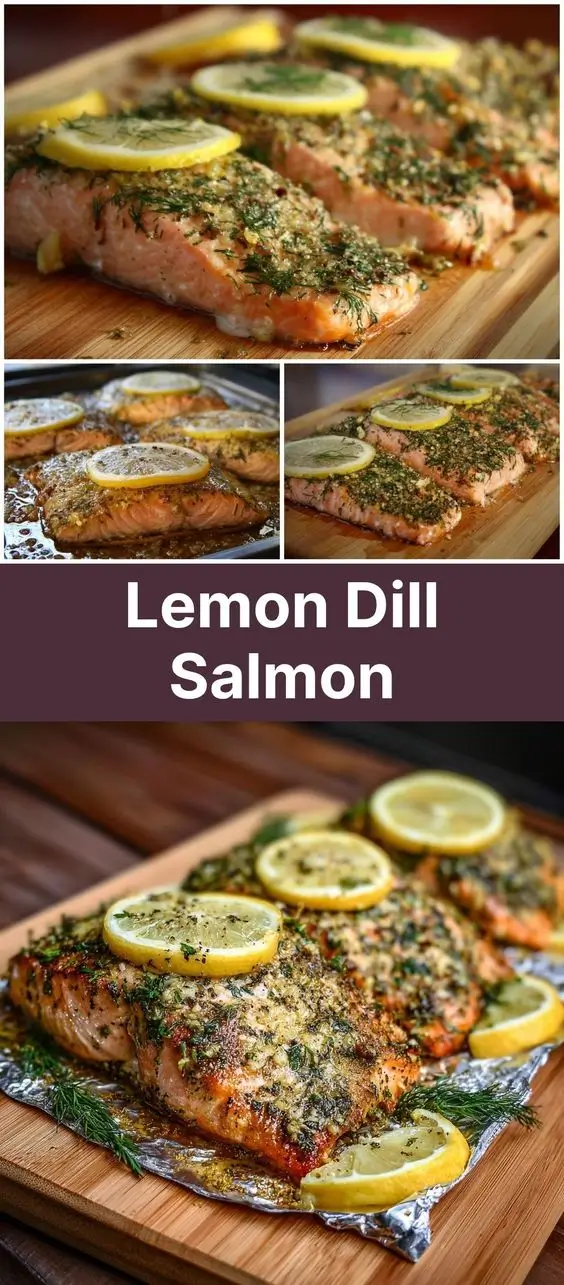
Lemon Dill Salmon: A Fresh, Flavorful Delight
The History of Lemon Dill Salmon
Lemon dill salmon is a culinary masterpiece that blends the rich traditions of Scandinavian and Mediterranean cooking. Historically, salmon has been a staple in Nordic diets for centuries, especially in countries like Norway, Sweden, and Iceland, where cold, clean waters provide ideal conditions for wild salmon. These cultures have long appreciated the delicate flavor of salmon, often preserving it through smoking or curing methods such as gravlax.
The use of fresh dill with salmon dates back to ancient times when herbs were used not only for flavor but also for their preservative qualities. Dill, native to the Mediterranean and Western Asia, made its way northward along trade routes and became a beloved herb in Northern European cuisine. Its bright, slightly sweet, and anise-like flavor pairs exceptionally well with the rich oiliness of salmon.
Meanwhile, lemons—though not native to Scandinavia—became widely available in Europe during the Roman era and later flourished in Mediterranean agriculture. The citrusy zing of lemon juice enhances the natural oils in salmon and cuts through its richness, creating a balanced and refreshing dish.
The modern version of lemon dill salmon, typically baked or grilled with fresh lemon slices and generous amounts of chopped dill, gained popularity in the 20th century as global travel and ingredient availability increased. Today, it’s a favorite in gourmet kitchens, home dining tables, and even upscale restaurants around the world, symbolizing the perfect harmony between simplicity and elegance in cooking.
Ingredients Breakdown
Creating the perfect lemon dill salmon starts with high-quality ingredients. Each component plays a vital role in enhancing flavor, texture, and overall enjoyment of the dish:
- Fresh Salmon Fillets: Opt for center-cut fillets with even thickness for consistent cooking. Wild-caught salmon is preferred for its firm texture and robust flavor, though sustainably farmed Atlantic salmon works well too. Look for vibrant pink-orange flesh with no signs of browning or dryness.
- Fresh Lemons: Two lemons are typically used—one for thin slices placed over the fish and another juiced to create a marinade base. The acidity brightens the dish and helps tenderize the salmon slightly.
- Fresh Dill: This aromatic herb is essential. Use the feathery fronds rather than the stems. Fresh dill provides a citrusy, slightly grassy note that defines the dish. Dried dill can be substituted in a pinch but lacks the vibrancy of fresh.
- Olive Oil: Extra virgin olive oil adds richness and helps carry flavors while keeping the salmon moist during baking. It also aids in browning and caramelization of the surface.
- Garlic: Minced fresh garlic introduces a subtle pungency that complements both lemon and dill without overpowering them.
- Salt and Black Pepper: Essential seasonings that enhance all other flavors. Sea salt or kosher salt is recommended for better control over salinity.
- Honey or Maple Syrup (optional): A touch of sweetness balances the tartness of lemon and brings depth to the glaze, especially when broiled at the end.
- Shallots or Red Onion (optional): Thinly sliced and layered under or on top of the salmon, they add mild sweetness and complexity when roasted.
Step-by-Step Recipe
Ingredients
- 4 salmon fillets (about 6 oz each), skin-on or skinless
- 2 large lemons
- ½ cup fresh dill, finely chopped (plus extra sprigs for garnish)
- 3 tablespoons extra virgin olive oil
- 3 cloves garlic, minced
- 1 teaspoon sea salt (or to taste)
- ½ teaspoon freshly ground black pepper
- 1 tablespoon honey or pure maple syrup (optional)
- 2 shallots, thinly sliced (optional)
Directions
- Preheat the Oven: Set your oven to 375°F (190°C). Line a baking sheet with parchment paper or lightly grease it with olive oil to prevent sticking.
- Prepare the Salmon: Pat the salmon fillets dry using paper towels. This ensures proper browning and prevents excess moisture from steaming the fish.
- Make the Lemon-Dill Marinade: In a small bowl, whisk together the juice of one lemon, 3 tablespoons of olive oil, minced garlic, chopped dill, salt, pepper, and honey (if using). Mix until well combined.
- Marinate the Salmon: Place the salmon fillets on the prepared baking sheet. Brush the marinade generously over the top and sides of each fillet. Allow it to sit for 10–15 minutes at room temperature to absorb flavors (do not marinate longer than 30 minutes due to the acid in lemon juice starting to “cook” the fish).
- Add Lemon Slices: Slice the second lemon into thin rounds. Arrange the lemon slices over the top of each salmon fillet, overlapping slightly. You can also tuck a few slices underneath the fillets for added aroma.
- Add Shallots (Optional): If using, scatter the sliced shallots over and around the salmon for extra flavor infusion.
- Bake: Transfer the baking sheet to the preheated oven. Bake for 12–15 minutes, depending on the thickness of the fillets. The salmon is done when it flakes easily with a fork and reaches an internal temperature of 145°F (63°C) at the thickest part.
- Optional Broil: For a golden-brown finish, switch the oven to broil for the last 2–3 minutes. Watch closely to avoid burning.
- Garnish and Serve: Remove from the oven and let rest for 2–3 minutes. Garnish with fresh dill sprigs and additional lemon slices. Serve immediately.
Tips for Perfect Lemon Dill Salmon
- Don’t Overcook: Salmon continues to cook slightly after removal from the oven (carryover cooking). Take it out just before it reaches your desired doneness.
- Uniform Thickness: Choose fillets of similar size and thickness to ensure even cooking. If needed, fold thinner ends under to create uniformity.
- Skin-On vs. Skin-Off: Cooking skin-on helps retain moisture and makes flipping easier if grilling. If you prefer skinless, handle gently to avoid breaking.
- Use Fresh Herbs: Dried dill won’t deliver the same brightness. Substitute only if necessary, using 1 tablespoon dried dill for every ¼ cup fresh.
- Acid Balance: Taste your marinade before applying. Adjust lemon juice or honey to balance tartness and sweetness according to preference.
- Rest Before Serving: Letting the salmon rest for a few minutes allows juices to redistribute, resulting in a moister bite.
- Save Leftover Glaze: Do not reuse marinade that touched raw fish. However, you can prepare a separate batch to drizzle over cooked salmon before serving.
- Grill Option: For a smoky twist, grill the salmon over medium heat (skin-side down first) for about 4–6 minutes per side, using a grill basket or foil to prevent sticking.
Variations and Customizations
Lemon dill salmon is incredibly versatile and can be adapted to suit different tastes, dietary needs, and occasions:
- Creamy Dill Sauce: Serve with a side of Greek yogurt or sour cream mixed with lemon zest, chopped dill, garlic, salt, and a splash of milk for a luscious sauce.
- Asian-Inspired Twist: Add a teaspoon of grated ginger and replace half the olive oil with sesame oil. Finish with soy sauce or tamari in the marinade and garnish with toasted sesame seeds and green onions.
- Dijon Mustard Glaze: Mix 1–2 tablespoons of Dijon mustard into the marinade for a tangy, slightly sharp contrast that pairs beautifully with dill and lemon.
- Herb Variations: Combine dill with parsley, chives, or tarragon for a more complex herbal profile.
- Whole Roasted Side: Instead of individual fillets, roast a whole side of salmon for entertaining. Increase cooking time accordingly and decorate with lemon wheels and fresh herb branches.
- Low-Carb/Keto Friendly: Skip the honey and serve with roasted asparagus, zucchini noodles, or cauliflower rice.
- Paleo/Whole30: Ensure all ingredients are compliant—use coconut aminos instead of honey if needed, and confirm olive oil and seasonings meet guidelines.
- Gluten-Free: This recipe is naturally gluten-free—just double-check any added sauces or sides.
- Smoked Salmon Alternative: While not cooked, you can make a cold appetizer by combining smoked salmon with lemon-dill crème fraîche on rye bread or cucumber rounds.
Health Considerations and Nutritional Value
Lemon dill salmon isn’t just delicious—it’s a powerhouse of nutrition:
- Rich in Omega-3 Fatty Acids: Salmon is one of the best sources of EPA and DHA, which support heart health, reduce inflammation, and promote brain function.
- High-Quality Protein: A 6-ounce serving delivers about 34 grams of complete protein, essential for muscle repair, satiety, and metabolic health.
- Vitamin D: Especially important for bone health and immune function, salmon is one of the few natural food sources of vitamin D.
- B Vitamins: Loaded with B12, niacin (B3), and B6, which aid energy metabolism and nervous system function.
- Selenium: An antioxidant mineral that protects cells from damage and supports thyroid health.
- Low in Saturated Fat: When prepared with minimal oil, this dish remains heart-healthy and suitable for cardiovascular diets.
- Antioxidants from Lemon and Dill: Lemon provides vitamin C, which boosts immunity and enhances iron absorption. Dill contains flavonoids and monoterpenes with anti-inflammatory properties.
Nutritional Estimate (per 6 oz fillet with marinade):
| Nutrient | Amount |
|---|---|
| Calories | 320 |
| Protein | 34g |
| Total Fat | 18g |
| Saturated Fat | 3.5g |
| Omega-3 Fats | 3.0g |
| Carbohydrates | 4g |
| Sugar | 3g (mostly from honey) |
| Fiber | 0.5g |
| Sodium | 500mg (adjustable based on salt used) |
| Vitamin D | 70% DV |
| Vitamin B12 | 150% DV |
| Selenium | 80% DV |
Note: Values may vary based on salmon source, cut, and specific ingredients used.
FAQ
Q: Can I use frozen salmon?
A: Yes, but thaw it completely in the refrigerator overnight before cooking. Never cook frozen salmon directly unless following a specific recipe designed for it, as uneven cooking may occur.
Q: How do I know when salmon is fully cooked?
A: The flesh should turn opaque and flake easily with a fork. An instant-read thermometer inserted into the thickest part should read 145°F (63°C). Some chefs prefer it slightly rarer (130–140°F) for a silkier texture.
Q: Can I make this ahead of time?
A: You can prepare the marinade and store it separately up to 2 days in advance. Assemble and bake just before serving for best results. Cooked salmon can be refrigerated for up to 3 days and reheated gently in the oven or enjoyed cold.
Q: Is it safe to eat undercooked salmon?
A: Only if it’s sushi-grade and previously frozen to kill parasites. For safety, always cook salmon to at least 145°F unless consuming raw in controlled settings.
Q: What sides go well with lemon dill salmon?
A: Excellent pairings include quinoa, wild rice pilaf, roasted vegetables (asparagus, broccoli, carrots), baby potatoes, arugula salad with lemon vinaigrette, or creamy polenta.
Q: Can I use other fish?
A: Yes! This marinade works wonderfully with trout, Arctic char, halibut, or cod. Adjust cooking times accordingly, as leaner fish cook faster and may dry out more easily.
Q: How do I store leftovers?
A: Cool completely, then place in an airtight container in the refrigerator for up to 3 days. Reheat in the oven at 275°F until warmed through, or enjoy cold in salads or sandwiches.
Q: Why did my salmon turn out dry?
A: Overcooking is the most common cause. Remove salmon from heat just before it’s fully done, as residual heat will continue cooking it. Also, ensure you’re using enough fat (oil or marinade) to keep it moist.
Summary
Lemon dill salmon combines the richness of omega-3-packed salmon with the bright, herbaceous notes of fresh dill and zesty lemon for a healthy, elegant meal that’s simple to prepare and unforgettable in flavor.
Perfect for weeknight dinners or special occasions, this dish celebrates the beauty of fresh ingredients and timeless culinary pairing—elevating everyday eating into a nourishing and delightful experience.