Introduction
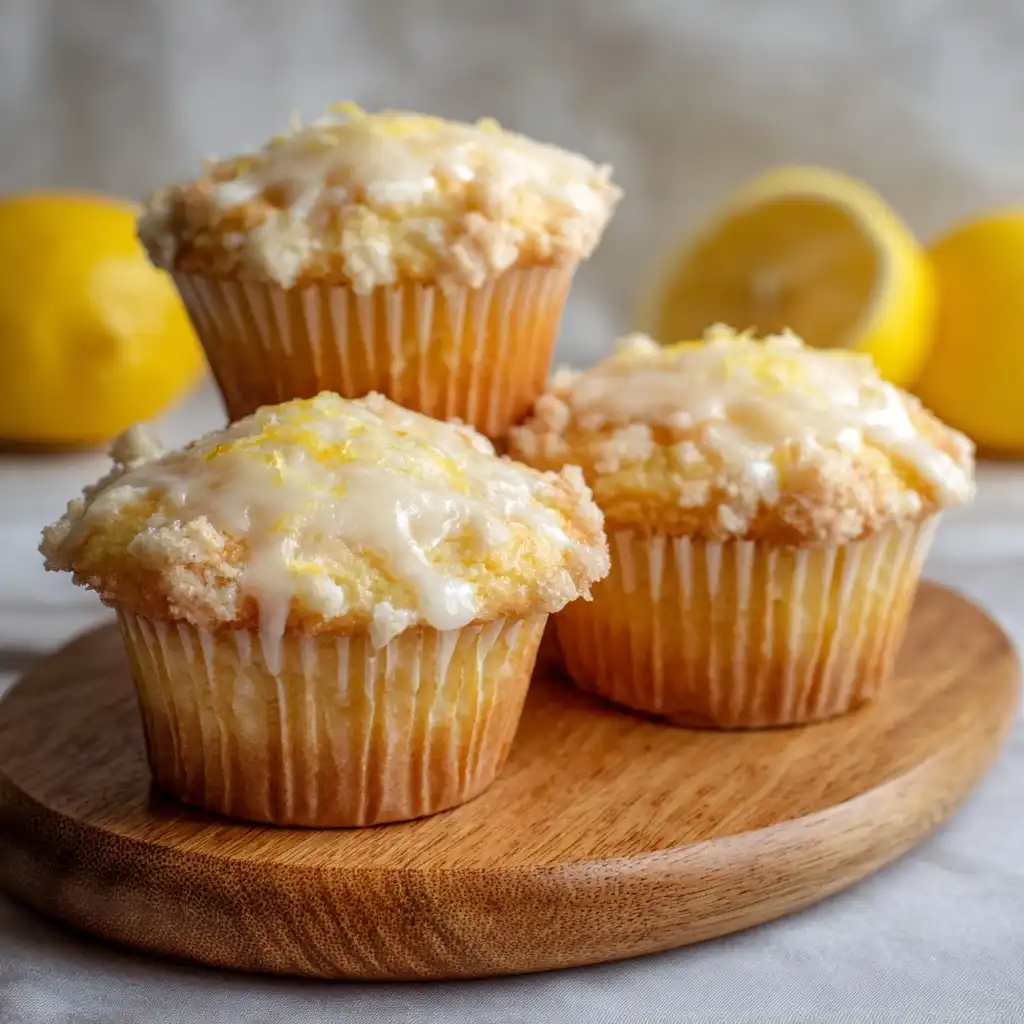
Imagine biting into a tender, golden-brown muffin that bursts with bright citrus zing and luxuriously creamy richness—welcome to the world of Lemon Cream Cheese Muffins. These aren’t your average breakfast treats; they’re a harmonious marriage of tangy, floral lemon essence and velvety, slightly sweet cream cheese, all wrapped in a soft, bakery-style crumb. Whether you’re hosting a spring brunch, packing a special lunchbox treat, or simply treating yourself on a quiet Sunday morning, these muffins deliver joy in every bite. Their vibrant aroma fills the kitchen like sunshine in edible form, and their elegant yet approachable profile makes them equally at home on a rustic farmhouse table or a sleek modern countertop. This guide isn’t just a recipe—it’s a comprehensive, deeply researched exploration of everything that makes this beloved classic so unforgettable.
The History
Lemon Cream Cheese Muffins are a relatively modern American innovation, emerging from the broader evolution of quick breads and coffee cake traditions in the mid-to-late 20th century. While lemon-flavored baked goods trace back centuries—think of British lemon drizzle cakes (1960s), Mediterranean lemon olive oil cakes, and Victorian-era lemon tarts—the integration of cream cheese as a core structural and flavor component in muffins gained momentum alongside the rise of artisanal bakery culture in the 1980s and ’90s. Cream cheese itself, invented by William A. Lawrence in Chester, New York in 1872, was initially used in cheesecakes and frostings—but bakers soon discovered its unparalleled ability to lend moisture, density, and subtle tang to muffin batters. The “lemon-cream cheese” pairing likely evolved organically: lemon curd’s popularity surged in the 1990s, inspiring bakers to experiment with infusing its bright acidity into cream cheese–enriched batter. By the early 2000s, food blogs and glossy baking magazines began showcasing swirled, filled, and layered versions—often featuring cream cheese centers or lemon-infused streusel toppings. Today, Lemon Cream Cheese Muffins stand as a hallmark of contemporary comfort baking: nostalgic yet fresh, indulgent yet balanced, and endlessly adaptable across regional and dietary preferences—from Southern-inspired buttermilk variations to California-style lavender-lemon twists.
Ingredients Breakdown
Every exceptional Lemon Cream Cheese Muffin begins with intentionality—not just measurements, but understanding *why* each ingredient matters:
- All-Purpose Flour (2 ½ cups / 315g): Provides essential gluten structure for lift and tenderness. Opt for unbleached flour for optimal flavor and performance; bleached flour can yield a slightly chalky texture. For gluten-sensitive bakers, a 1:1 certified gluten-free all-purpose blend (with xanthan gum) works beautifully when substituted by weight—not volume.
- Granulated Sugar (1 cup / 200g): Sweetens, aids browning (via caramelization), and helps retain moisture. We recommend cane sugar over beet sugar for cleaner flavor, though both work. Reduce by ¼ cup for a less sweet, more tart-forward profile—or substitute ¾ cup coconut sugar for deeper molasses notes (note: color and spread may vary).
- Baking Powder (2 tsp) & Baking Soda (½ tsp): A dual-leavening system ensures reliable rise and fine crumb. Baking powder provides most lift, while baking soda neutralizes the acidity from lemon juice and buttermilk—preventing metallic aftertaste and enhancing golden color. Always verify freshness: drop ½ tsp into ¼ cup hot water—if it bubbles vigorously within 10 seconds, it’s active.
- Salt (½ tsp fine sea salt): Not just for seasoning—it sharpens all other flavors and strengthens gluten networks. Use non-iodized salt; iodized salt can impart a faint bitterness at higher concentrations.
- Large Eggs (2, room temperature): Emulsify fat and liquid, add structure, and contribute to leavening. Room-temp eggs incorporate more evenly and prevent batter splitting when added to creamed butter or cream cheese.
- Unsalted Butter (½ cup / 115g, melted & cooled): Adds rich flavor, tenderness, and flakiness. Melted (not browned) butter ensures even distribution without overdeveloping gluten. Clarified butter is an advanced option for higher smoke point and intensified nuttiness—but omit if dairy-free.
- Full-Fat Cream Cheese (8 oz / 227g, full-fat, brick-style, softened): The soul of the muffin. Full-fat (not low-fat or whipped) ensures proper emulsification, dense-yet-moist crumb, and luxurious mouthfeel. Softened to ~65°F (18°C)—cool to the touch but yielding to gentle pressure. Cold cream cheese will cause lumps; overheated will separate.
- Plain Full-Fat Buttermilk (¾ cup / 180ml): Adds acidity for lift, tenderness, and subtle tang. If unavailable, make a DIY version: stir 1 tbsp white vinegar or lemon juice into ¾ cup whole milk; let sit 5–10 minutes until slightly curdled. Avoid low-fat or powdered buttermilk substitutes—they lack the fat and protein balance needed for ideal texture.
- Fresh Lemon Zest (from 2 large lemons, ~2 tbsp): Contains aromatic citrus oils—intensely flavorful and fragrant. Use a microplane grater; avoid the bitter white pith. Zest lemons *before* juicing for maximum yield and oil retention.
- Fresh Lemon Juice (¼ cup / 60ml, strained): Provides bright acidity and balances sweetness. Bottled juice lacks complexity and can taste metallic—never substitute. Strain to remove pulp and seeds, which can create uneven texture.
- Pure Vanilla Extract (1 tsp): Enhances warmth and depth, rounding out citrus sharpness. Madagascar bourbon vanilla is ideal; avoid imitation vanillin, which tastes artificial and cloying.
- Optional—but Highly Recommended—Lemon Glaze: 1 cup powdered sugar + 2–3 tbsp fresh lemon juice + ½ tsp vanilla + pinch of salt. Whisk until smooth and glossy. Drizzle generously after cooling for a signature finish.
Step-by-Step Recipe
- Prep & Preheat: Line a standard 12-cup muffin tin with high-quality parchment liners (or grease thoroughly with butter and dust with flour). Preheat oven to 375°F (190°C). Position rack in the center third of the oven for even baking.
- Cream the Base: In a large bowl, beat softened cream cheese with granulated sugar using a hand mixer or stand mixer fitted with paddle attachment on medium speed for 2–3 minutes until completely smooth, pale, and fluffy—scraping down sides twice. This step is non-negotiable: under-creamed cheese yields dense, gummy muffins.
- Incorporate Wet Ingredients: Add melted, cooled butter and mix on low until fully combined (~30 seconds). Then add eggs one at a time, beating well after each addition (about 30 seconds per egg) until fully emulsified. Scrape bowl. Mix in lemon zest, lemon juice, buttermilk, and vanilla until just combined—do not overmix.
- Dry Ingredients Together: In a separate medium bowl, whisk together flour, baking powder, baking soda, and salt until fully homogenized—no pockets of leavener remain.
- Combine Gently: Using a silicone spatula, fold dry ingredients into wet ingredients in three additions. With each addition, use 8–10 slow, wide figure-eight folds—stopping *the moment* no dry streaks remain. Overmixing develops gluten, causing tunneling and toughness. Batter will be thick, glossy, and slightly lumpy—this is perfect.
- Portion with Precision: Divide batter evenly among 12 lined cups using a 2-oz ice cream scoop or ¼-cup measure. Fill each liner ¾ full (~4.5 oz batter per muffin). For bakery-style domes, gently tap tin firmly on counter twice to release air bubbles and level tops.
- Bake Strategically: Bake at 375°F (190°C) for 5 minutes—then, without opening the oven, reduce heat to 350°F (175°C) and continue baking for 18–22 minutes. The initial high heat sets the exterior quickly, promoting a tall, rounded crown; the lower sustained temp ensures even interior baking without drying. Rotate pan halfway through final stage.
- Test for Doneness: Insert a wooden skewer or thin toothpick into the center of a muffin. It should emerge with *a few moist crumbs* clinging—not wet batter, not completely clean. Overbaked muffins become crumbly and lose lemon brightness. Total bake time typically falls between 23–27 minutes depending on oven calibration.
- Cool Thoughtfully: Let muffins cool in the pan for exactly 8 minutes—this allows steam to escape gradually, preventing soggy bottoms. Then transfer carefully to a wire rack. Do not cover or stack while warm—condensation causes sogginess. Cool at least 25–30 minutes before glazing.
- Glaze & Serve: Whisk glaze ingredients until lump-free and pourable. Drizzle generously over slightly warm (not hot) muffins using a spoon or small piping bag. Allow glaze to set for 15 minutes before serving. Best enjoyed the day they’re baked—but see storage tips below.
Tips
- Room-Temperature Rule: All refrigerated ingredients (cream cheese, eggs, buttermilk) must be at true room temperature (65–70°F / 18–21°C). Cold ingredients cause batter to seize, leading to uneven texture and poor rise.
- Zest First, Juice Second: Always zest lemons before juicing—they’re easier to handle, and you’ll get more aromatic oils from firm, cold fruit.
- Weigh Your Ingredients: Volume measurements (cups) for flour vary wildly—by up to 30%—depending on scooping method. A digital kitchen scale ensures consistent, professional results every time.
- Don’t Skip the Tap: Tapping the filled muffin tin sharply on the counter eliminates air pockets, promotes uniform doming, and prevents hollow centers.
- Oven Thermometer Essential: Most built-in oven thermostats are inaccurate by ±25°F. An inexpensive oven thermometer placed on the center rack ensures precise temperature control—a game-changer for consistent browning and texture.
- Undermix, Then Undermix Again: When folding in dry ingredients, stop *before* you think you’re done. A few faint streaks disappear during the brief resting period before baking.
- Rotate Mid-Bake: Even convection ovens have hot spots. Rotating the pan 180° halfway through the lower-temperature phase ensures even browning and rise.
- Freeze Like a Pro: Cool muffins completely, then wrap individually in parchment paper, place in a freezer bag, and freeze up to 3 months. Thaw at room temperature for 2 hours—or reheat frozen in a 325°F oven for 10–12 minutes for fresh-from-the-oven texture.
- Make-Ahead Batter: Unbaked batter can be refrigerated (covered tightly) for up to 24 hours. Stir gently before portioning—cold batter may require 1–2 extra minutes of bake time.
- Revive Stale Muffins: Wrap in foil and warm in a 350°F oven for 8–10 minutes. The steam generated inside the foil restores moisture better than microwaving.
Variations and Customizations
These muffins are a canvas for creativity—here are beloved, rigorously tested adaptations:
- Blueberry-Lemon Cream Cheese: Gently fold in 1 cup fresh or frozen (unthawed) blueberries tossed in 1 tsp flour. Add ½ tsp ground cinnamon to batter for warmth. Top with coarse turbinado sugar before baking.
- Lemon-Ricotta Swirl: Replace 4 oz cream cheese with whole-milk ricotta (well-drained overnight in cheesecloth). Swirl 2 tbsp lemon curd into each muffin cup before adding batter for marbled elegance.
- Whole Grain & Honey: Substitute ¾ cup (95g) of flour with white whole wheat flour. Replace ¼ cup granulated sugar with raw honey (reduce buttermilk by 1 tbsp to compensate for added liquid).
- Earl Grey Infused: Steep 2 Earl Grey tea bags in warm buttermilk for 10 minutes, then chill and strain. Add 1 tsp finely ground bergamot zest to batter for aromatic sophistication.
- Vegan Adaptation: Use vegan cream cheese (Kite Hill or Miyoko’s), flax eggs (2 tbsp ground flax + 6 tbsp water, rested 10 min), almond milk + 1 tbsp apple cider vinegar (for buttermilk), and vegan butter. Increase baking soda to ¾ tsp to balance acidity.
- Mini Muffin Version: Fill mini muffin tin ⅔ full. Bake at 375°F for 3 minutes, then reduce to 350°F and bake 10–12 minutes. Yields ~36 delicate bites—perfect for parties or portion control.
- Streusel-Topped: Combine ¼ cup flour, ¼ cup brown sugar, 2 tbsp cold butter, ½ tsp cinnamon, and zest of 1 lemon. Crumble over batter before baking for crunchy contrast.
- Protein-Packed: Add 2 scoops (60g) unflavored whey or collagen peptides to dry ingredients. Boosts protein without altering flavor—ideal for post-workout fuel.
- Lavender-Cardamom: Add ½ tsp culinary-grade dried lavender buds + ¼ tsp freshly ground cardamom to dry ingredients. Pair with a glaze infused with lavender simple syrup.
- Gluten-Free Master Blend: Use Bob’s Red Mill 1:1 Gluten-Free Baking Flour (with xanthan gum) by weight. Add 1 tsp psyllium husk powder to enhance elasticity and moisture retention.
Health Considerations and Nutritional Value
A single standard Lemon Cream Cheese Muffin (without glaze) contains approximately:
- Calories: 310–340 kcal
- Total Fat: 14–16g (including 8–9g saturated fat from butter and cream cheese)
- Carbohydrates: 42–45g (of which 26–28g are naturally occurring sugars from fruit and dairy; ~18g added sugar)
- Protein: 5–6g (enhanced by cream cheese and eggs)
- Fiber: 0.8–1.2g (low unless whole grain flour or added bran is used)
- Vitamin C: ~12mg (30% DV) from fresh lemon juice and zest
- Calcium: ~85mg (8% DV) from dairy components
- Cholesterol: ~75mg (25% DV)
Nutritional Notes & Mindful Modifications:
- Reducing Sugar: Cut granulated sugar to ¾ cup and increase lemon zest to 3 tbsp for amplified flavor without added sweetness. Glaze can be omitted entirely or replaced with a light dusting of powdered erythritol.
- Lower-Fat Options: While full-fat dairy is key for texture, you may substitute ½ cup plain Greek yogurt (full-fat) for half the cream cheese—but expect a slightly denser, tangier result. Avoid low-fat cream cheese—it contains stabilizers that disrupt batter chemistry.
- Dairy-Free Nutrition: Vegan versions provide comparable protein and healthy fats from nuts/seeds in plant-based cheeses, plus fiber from whole-grain flours—making them more nutrient-dense overall.
- Glycemic Impact: With a moderate glycemic load (~22), these muffins are reasonable for most individuals when consumed mindfully. Pair with Greek yogurt or a hard-boiled egg to further stabilize blood sugar.
- Allergen Awareness: Contains dairy, eggs, and wheat. Tree nut allergens may be present in some cream cheese brands—always check labels. For top-8 allergen-free versions, explore sunflower seed “cream cheese” alternatives and oat milk + vinegar buttermilk.
- Antioxidant Bonus: Lemon zest is exceptionally rich in D-limonene and flavonoids like hesperidin—potent antioxidants linked to reduced inflammation and improved vascular health.
Ingredients
- 2 ½ cups (315g) unbleached all-purpose flour
- 1 cup (200g) granulated cane sugar
- 2 tsp aluminum-free baking powder
- ½ tsp baking soda
- ½ tsp fine sea salt
- 2 large eggs, room temperature
- ½ cup (115g) unsalted butter, melted and cooled to room temperature
- 8 oz (227g) full-fat brick-style cream cheese, softened to 65°F
- ¾ cup (180ml) full-fat buttermilk, cold or room temperature
- Zest of 2 large lemons (about 2 tbsp)
- ¼ cup (60ml) fresh-squeezed lemon juice, strained
- 1 tsp pure Madagascar vanilla extract
For Lemon Glaze (optional but recommended):
- 1 cup (120g) powdered sugar, sifted
- 2–3 tbsp fresh lemon juice
- ½ tsp pure vanilla extract
- Pinch of fine sea salt
Directions
- Preheat oven to 375°F (190°C). Line a 12-cup muffin tin with parchment liners or grease and flour thoroughly.
- In a large bowl, beat cream cheese and sugar with a hand mixer on medium speed for 2–3 minutes until smooth, lightened in color, and free of lumps.
- Add melted, cooled butter and mix on low until incorporated (~30 sec). Add eggs one at a time, beating well after each (30 sec per egg). Scrape bowl.
- Mix in lemon zest, lemon juice, buttermilk, and vanilla until just combined.
- Fold dry ingredients into wet in three additions, using a silicone spatula and gentle figure-eight motions. Stop mixing as soon as no dry flour remains—batter will be thick and slightly lumpy.
- Divide batter evenly among prepared muffin cups, filling each ¾ full (~4.5 oz each). Tap tin firmly on counter twice to settle batter and eliminate air pockets.
- Bake at 375°F for 5 minutes. Without opening oven, reduce temperature to 350°F (175°C) and continue baking 18–22 minutes, rotating pan halfway through.
- Test doneness: a toothpick inserted into center should emerge with a few moist crumbs—not wet batter, not clean.
- Cool muffins in pan for exactly 8 minutes. Transfer to wire rack to cool completely (25–30 min) before glazing.
- Whisk glaze ingredients until smooth and pourable. Drizzle generously over slightly warm muffins. Let set 15 minutes before serving.
FAQ
- Can I make these muffins ahead of time?
- Yes! Baked muffins keep well at room temperature for up to 2 days in an airtight container. Refrigerate for up to 5 days (bring to room temp before serving). For longer storage, freeze unfrosted muffins for up to 3 months—thaw overnight or reheat in oven.
- Why did my muffins sink in the middle?
- Sinking usually results from underbaking (internal structure hasn’t set), excessive leavener (check expiration date), or opening the oven too early. Ensure accurate oven temperature and avoid peeking before the 20-minute mark.
- Can I use bottled lemon juice?
- Not recommended. Bottled juice lacks volatile citrus oils and contains preservatives that mute flavor and may impart bitterness. Fresh lemon juice is essential for authenticity and brightness.
- My batter looks curdled—did I ruin it?
- No—curdling often occurs when cold buttermilk hits warm cream cheese/butter. As long as ingredients were at correct temperatures and you continued mixing until smooth, the batter will bake up perfectly.
- Can I bake these in a loaf pan instead?
- Absolutely. Pour batter into a greased and parchment-lined 9×5-inch loaf pan. Bake at 350°F for 55–65 minutes, covering loosely with foil at 40 minutes to prevent over-browning. Cool in pan 15 minutes before removing.
- How do I prevent muffins from sticking to liners?
- Use high-quality, unbleached parchment liners (not wax paper). Alternatively, grease liners lightly with butter or non-stick spray—even with parchment, this adds insurance against adhesion.
- Are these muffins suitable for kids?
- Yes—bright lemon flavor appeals to many children, especially when paired with cream cheese’s mild tang. Omit the glaze or reduce sugar for younger palates. Always supervise young children around citrus zest tools.
- Can I add poppy seeds?
- Delicious! Stir in 2–3 tbsp black or blue poppy seeds with dry ingredients. They add delightful crunch and subtle nutty flavor—classic in lemon-poppy seed baked goods.
- What’s the best way to store leftovers?
- Store cooled, unglazed muffins in an airtight container with a paper towel at the bottom to absorb excess moisture. Replace towel daily. Glazed muffins are best consumed within 24 hours for optimal texture.
- Can I double this recipe?
- Yes—with caution. Double all ingredients, but mix in two separate bowls to ensure even incorporation and avoid overmixing large batches. Bake in batches for consistent results; do not overcrowd oven.
Summary
Lemon Cream Cheese Muffins are a masterclass in balance—where zesty, sun-kissed lemon meets decadently smooth, subtly tangy cream cheese in a tender, golden crumb that’s equal parts comforting and sophisticated. Every element, from properly softened dairy to freshly grated zest and precisely timed baking, converges to create a muffin that’s reliably impressive, deeply flavorful, and endlessly customizable for any occasion or dietary need.
Whether you’re a seasoned baker refining technique or a curious beginner embarking on your first citrus-infused adventure, this recipe delivers restaurant-quality results at home—complete with pro tips, science-backed insights, and joyful variations that invite creativity, confidence, and countless moments of shared delight.