Introduction
Lemon Butter Scallops are a culinary delight that brings together the delicate sweetness of fresh scallops with the bright, zesty tang of lemon and the rich, velvety texture of butter. This dish is a favorite in fine dining restaurants around the world, yet it can be effortlessly recreated in the comfort of your own kitchen. Perfect for romantic dinners, special occasions, or even an elevated weeknight meal, Lemon Butter Scallops offer a luxurious taste experience without requiring overly complex techniques. With just a few high-quality ingredients and careful attention to cooking times, you can achieve restaurant-quality results at home. The beauty of this dish lies not only in its elegant flavor profile but also in its versatility—easily customizable with herbs, spices, or side dishes to suit any palate.
The History
Scallops have been enjoyed by coastal civilizations for centuries, dating back to ancient Roman and Greek cuisines where they were considered delicacies fit for nobility. The practice of searing scallops in fat—particularly butter—originated in French coastal regions such as Normandy and Brittany, where dairy farming and fishing traditions intersected. These areas became renowned for their rich, butter-based seafood preparations, including what would eventually evolve into modern-day Lemon Butter Scallops. By the 19th century, French chefs began incorporating citrus elements into seafood dishes to cut through the richness of butter, enhancing both flavor and digestibility. Lemon, with its vibrant acidity, proved to be the perfect complement. Over time, this preparation method spread across Europe and later to North America, where it gained popularity in gourmet kitchens during the mid-20th century. Today, Lemon Butter Scallops are celebrated globally as a hallmark of refined yet approachable cuisine, symbolizing the harmony between land (butter) and sea (scallops).
Ingredients Breakdown
- Sea Scallops (1 lb / 450g): Fresh, dry-packed sea scallops are preferred over wet-packed, as they contain no additives and sear better due to lower water content.
- Unsalted Butter (6 tbsp): Using unsalted butter allows you to control the salt level precisely. High-fat European-style butter adds extra richness.
- Fresh Lemon Juice (3–4 tbsp): Always use freshly squeezed juice for optimal brightness and flavor; bottled lemon juice lacks vibrancy and may contain preservatives.
- Lemon Zest (1 tbsp): Adds intense citrus aroma without additional acidity. Use a microplane for fine, even grating.
- Garlic (3 cloves, minced): Freshly minced garlic provides depth and warmth. Avoid pre-minced jarred versions for superior taste.
- Extra Virgin Olive Oil (2 tbsp): Used in combination with butter to raise the smoke point and prevent burning during searing.
- Kosher Salt (to taste): Enhances natural flavors. Adjust according to preference and other salty ingredients used.
- Freshly Ground Black Pepper (½ tsp): Adds subtle heat and complexity.
- White Wine (¼ cup dry variety like Sauvignon Blanc): Optional but recommended for deglazing and creating a light pan sauce.
- Fresh Herbs (2 tbsp chopped parsley or chives): For garnish and freshness. Parsley adds color and a mild earthy note.
- Red Pepper Flakes (optional, pinch): Introduces a gentle heat that complements the citrus and sweetness of scallops.
Each ingredient plays a vital role: the butter creates a luscious mouthfeel, lemon balances with acidity, garlic adds savoriness, and herbs bring aromatic lift. Quality sourcing is key—especially for scallops and butter—to ensure the best possible outcome.
Step-by-Step Recipe
- Prepare the Scallops: Remove the small side muscle if still attached (it’s edible but chewy). Pat each scallop thoroughly dry with paper towels—this step is crucial for achieving a golden sear rather than steaming.
- Season: Season both sides of the scallops lightly with kosher salt and freshly ground black pepper. Let them sit at room temperature for about 10–15 minutes to ensure even cooking.
- Heat the Pan: Place a large stainless steel or cast iron skillet over medium-high heat. Add olive oil and allow it to shimmer but not smoke (about 1 minute).
- Sear the Scallops: Carefully place scallops in the pan, ensuring they aren’t touching. Cook undisturbed for 2–3 minutes until a deep golden crust forms. Resist the urge to move them—they should release naturally when ready.
- Flip and Finish Searing: Flip each scallop using tongs or a spatula. Cook for another 1–2 minutes depending on thickness. They should feel slightly springy when pressed—do not overcook, or they will become tough.
- Remove Scallops: Transfer seared scallops to a plate and tent loosely with foil to keep warm while preparing the sauce.
- Build the Sauce: Reduce heat to medium. Melt 4 tablespoons of butter in the same pan, then add minced garlic. Sauté for 30 seconds until fragrant but not browned.
- Optional Deglaze: Pour in white wine to deglaze the pan, scraping up any browned bits (fond), which add immense flavor. Simmer for 1–2 minutes until reduced by half.
- Add Lemon Components: Stir in fresh lemon juice and zest. Taste and adjust acidity as needed. If desired, swirl in remaining 2 tablespoons of cold butter off the heat to create a silky emulsified sauce.
- Return Scallops: Gently place scallops back into the pan, spooning sauce over them. Heat briefly for 30 seconds to re-warm without overcooking.
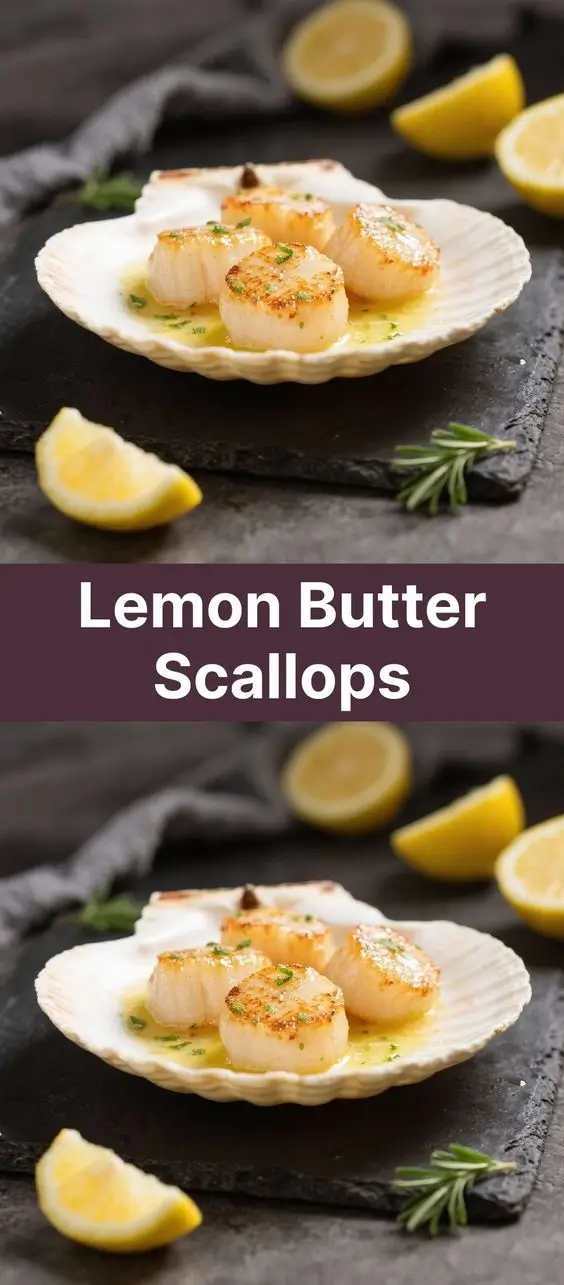
- Garnish and Serve: Sprinkle generously with chopped fresh parsley or chives and a pinch of red pepper flakes if desired. Serve immediately.
Tips
- Dry Scallops Are Key: Wet-packed scallops treated with sodium tripolyphosphate (STPP) exude excess moisture and won’t sear properly. Always look for “dry-packed” on the label.
- Cold Start Prevention: Allow refrigerated scallops to come to room temperature before cooking to avoid uneven cooking.
- Pan Choice Matters: Stainless steel or cast iron pans provide the best browning. Non-stick pans often fail to achieve a proper sear.
- Don’t Crowd the Pan: Overcrowding lowers the pan temperature and causes steaming instead of searing. Work in batches if necessary.
- Control Butter Temperature: Butter burns easily. Combine it with olive oil or clarify it beforehand for higher smoke point.
- Use Fresh Citrus: Bottled lemon juice has oxidized flavors. Freshly squeezed lemon juice makes a noticeable difference in brightness.
- Rest Before Serving: While optional, letting scallops rest briefly after searing helps retain juices.
- Sauce Consistency: For a thicker sauce, simmer longer after adding wine. For a lighter glaze, keep it thin and brothy.
- Timing Is Everything: Scallops cook quickly—overcooking turns them rubbery. Aim for internal temperature of 115–120°F (46–49°C); carryover cooking will bring them to perfect doneness.
- Basting Option: For extra richness, tilt the pan and spoon hot butter over the scallops during the final 30 seconds of cooking—a technique known as basting.
Variations and Customizations
- Creamy Lemon Butter Sauce: Stir in 2–3 tablespoons of heavy cream or crème fraîche after deglazing for a richer, more decadent sauce.
- Herb-Infused: Add fresh thyme, rosemary, or tarragon during the garlic sauté for aromatic complexity. Tarragon pairs especially well with lemon and seafood.
- Asian Fusion Twist: Replace lemon with yuzu juice, add ginger, soy sauce, and sesame oil for a Japanese-inspired version. Garnish with scallions and toasted sesame seeds.
- Spicy Arrabbiata Style: Increase red pepper flakes and finish with a drizzle of chili oil for a fiery kick.
- With Caper and Olive Tapenade: Stir in 1 tablespoon of drained capers and chopped Kalamata olives into the sauce for a Mediterranean flair.
- Wine-Free Version: Skip the wine and use seafood stock or chicken broth to deglaze the pan, maintaining flavor depth without alcohol.
- Dairy-Free Alternative: Substitute butter with vegan butter or ghee (clarified butter, which is lactose-free) and use olive oil for richness.
- Gluten-Free Friendly: Naturally gluten-free, making it ideal for those with celiac disease or gluten sensitivity—just verify all ingredients (e.g., wine) are certified GF.
- With Coconut Milk: Use coconut oil and coconut milk instead of butter and cream for a tropical twist, complemented by lime instead of lemon.
- Over Pasta or Grains: Serve atop linguine, risotto, quinoa, or couscous to make it a heartier entrée. Toss pasta directly in the sauce before plating.
- With Vegetables: Add sautéed spinach, asparagus, cherry tomatoes, or artichoke hearts to the finished dish for color, nutrients, and texture contrast.
Health Considerations and Nutritional Value
Per serving (approximately 4 oz scallops + sauce made with full butter and wine):
- Calories: ~320 kcal
- Protein: 28g – Excellent source of lean protein essential for muscle repair and satiety.
- Fat: 20g – Primarily from butter; includes saturated fat (~12g), but also beneficial monounsaturated fats from olive oil.
- Carbohydrates: 6g – Mostly from wine and minimal natural sugars in scallops.
- Sodium: ~450mg – Adjustable based on salt usage; lower-sodium versions can be made easily.
- Cholesterol: ~75mg – Moderate amount; generally acceptable within dietary guidelines unless restricted medically.
Scallops are low in calories and fat while being rich in essential nutrients such as selenium, vitamin B12, phosphorus, magnesium, and omega-3 fatty acids, which support heart and brain health. However, the traditional lemon butter sauce increases saturated fat content due to butter. To make a healthier version:
- Reduce butter quantity and replace part with chicken or fish stock.
- Use grass-fed butter for higher CLA (conjugated linoleic acid) content.
- Limit added salt and rely on herbs and lemon for flavor enhancement.
- Pair with fiber-rich sides like roasted vegetables or whole grains to improve overall meal balance.
Note: Individuals with shellfish allergies must avoid this dish entirely. Those managing cardiovascular conditions or cholesterol levels should consume butter-based sauces in moderation.
Ingredients
- 1 pound (450g) dry-packed sea scallops
- 6 tablespoons unsalted butter, divided
- 3–4 tablespoons freshly squeezed lemon juice (from 1–2 lemons)
- 1 tablespoon lemon zest (from 1 lemon)
- 3 cloves garlic, minced
- 2 tablespoons extra virgin olive oil
- Kosher salt, to taste
- Freshly ground black pepper, ½ teaspoon
- ¼ cup dry white wine (such as Sauvignon Blanc or Pinot Grigio)
- 2 tablespoons chopped fresh parsley or chives
- Pinch of red pepper flakes (optional)
Directions
- Pat scallops dry with paper towels and remove the side muscle if present. Season lightly with salt and pepper and let rest at room temperature for 10–15 minutes.
- Heat olive oil in a large stainless steel or cast iron skillet over medium-high heat until shimmering.
- Place scallops in the pan without crowding, leaving space between each. Sear undisturbed for 2–3 minutes until deeply golden brown.
- Flip scallops and cook for another 1–2 minutes until just cooked through. Transfer to a plate and cover loosely with foil.
- Reduce heat to medium, melt 4 tablespoons of butter in the same pan, then add garlic. Sauté for 30 seconds until fragrant.
- Pour in white wine to deglaze, scraping up browned bits. Simmer 1–2 minutes until slightly reduced.
- Stir in lemon juice and zest. Off the heat, whisk in remaining 2 tablespoons of cold butter to create a glossy sauce.
- Return scallops to the pan, spooning sauce over them. Warm gently for 30 seconds.
- Transfer to serving plates, drizzle with extra sauce, and garnish with parsley, chives, and a pinch of red pepper flakes if using.
- Serve immediately with your choice of side dishes such as rice, pasta, or steamed vegetables.
FAQ
Q: Can I use frozen scallops?
A: Yes, but ensure they are thawed completely in the refrigerator overnight and patted very dry before cooking. Look for IQF (“Individually Quick Frozen”) dry-packed scallops for best results.
Q: Why did my scallops stick to the pan?
A: This usually happens if the pan wasn’t hot enough, the scallops weren’t dry, or you tried to move them too soon. Wait until they form a natural crust before flipping.
Q: How do I know when scallops are done?
A: They should be opaque throughout with a slight translucency in the center. Overcooked scallops become tough and chewy.
Q: Can I make this ahead of time?
A: It’s best served immediately. However, you can prep ingredients (mince garlic, juice lemon, chop herbs) in advance. Cook scallops just before serving.
Q: What wine pairs well with Lemon Butter Scallops?
A: A crisp white wine such as Chardonnay, Sauvignon Blanc, or Pinot Grigio complements the citrus and butter beautifully.
Q: Are bay scallops suitable for this recipe?
A: Bay scallops are smaller and more tender. They cook faster (about 1–1.5 minutes per side), so monitor closely to avoid overcooking.
Q: Can I bake these instead of pan-searing?
A: While baking is possible, you’ll lose the desirable sear. For best results, stick to stovetop searing. Alternatively, sear then finish in oven if adding cheese or breadcrumbs.
Q: Is there a substitute for white wine?
A: Yes—use dry vermouth, unsalted seafood stock, or a mix of broth and a splash of vinegar for acidity.
Summary
Lemon Butter Scallops combine succulent seafood with a vibrant, creamy citrus-butter sauce for an elegant dish that’s surprisingly simple to prepare at home. With attention to quality ingredients and proper searing technique, this recipe delivers gourmet flavors in under 30 minutes.