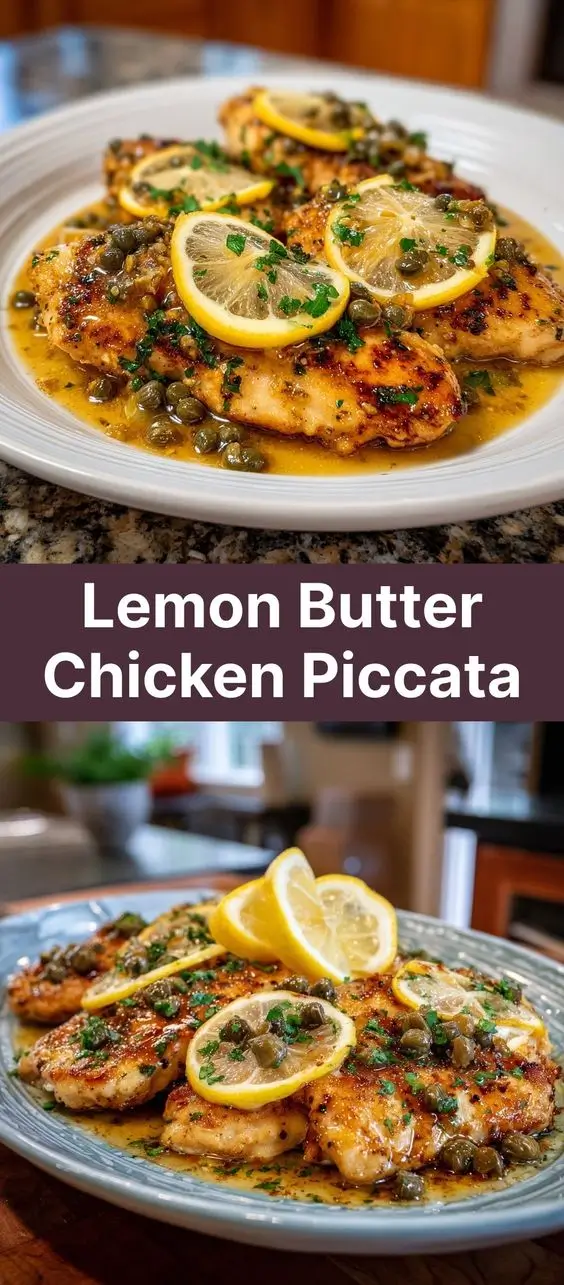
Lemon Butter Chicken Piccata: A Zesty Culinary Delight
The History of Lemon Butter Chicken Piccata
The origins of Chicken Piccata trace back to Italy, where “piccata” (pronounced peek-AH-tah) refers to a style of cooking that involves slicing meat thinly, often pounding it flat, and sautéing it in a tangy sauce made with lemon juice, butter, capers, and sometimes white wine. While the original Italian version traditionally uses veal piccata, over time American-Italian cuisine adopted chicken as a more accessible and affordable protein, giving rise to what we now know as Chicken Piccata.
This dish became particularly popular in the United States during the mid-20th century, especially in Italian-American communities across New York, New Jersey, and other northeastern regions. The bright acidity of lemon combined with the richness of butter and the briny pop of capers created a perfect balance that resonated with home cooks and restaurant-goers alike. Today, Lemon Butter Chicken Piccata is celebrated not only in homes but also on upscale bistro menus, symbolizing the elegance of simple ingredients transformed through skilled technique.
Ingredients Breakdown: What Makes It Sing?
The magic of Chicken Piccata lies in its harmonious blend of fresh, vibrant ingredients. Each component plays a crucial role in building the dish’s signature flavor profile:
- Chicken breasts: Boneless, skinless chicken breasts are typically used because they cook quickly and absorb flavors well. For best results, use thin-cut breasts or pound them to an even thickness to ensure uniform cooking.
- Flour: Used for light dredging, flour helps create a delicate golden crust while also acting as a thickening agent for the sauce when it blends with pan drippings.
- Salt and black pepper: Essential seasonings that enhance all other flavors without overpowering the dish.
- Olive oil: Provides a fruity base note and aids in sautéing. High-quality extra virgin olive oil adds depth, though a lighter variety can be used to avoid bitterness at high heat.
- Unsalted butter: Adds richness and silkiness to the sauce. Using unsalted butter allows you to control sodium levels precisely.
- Garlic: Minced fresh garlic lends aromatic complexity. Be careful not to burn it—add it toward the end of sautéing vegetables or deglazing.
- Shallot or onion: Finely chopped shallots add subtle sweetness and depth; yellow onions can be substituted if needed.
- Dry white wine: Such as Sauvignon Blanc, Pinot Grigio, or Chardonnay. Wine contributes acidity and sophistication, helping to lift the sauce. Avoid cooking wines—they contain added salt and preservatives.
- Chicken broth: Forms the liquid base of the sauce, adding savory umami. Low-sodium versions are recommended for better control over seasoning.
- Fresh lemon juice: The star ingredient. Freshly squeezed juice from Meyer or Eureka lemons provides essential tartness and brightness. Bottled juice lacks the same vibrancy.
- Lemon zest: Often overlooked, but adding a bit of zest intensifies the citrus aroma and enhances overall lemon presence without increasing acidity.
- Capers: These pickled flower buds from the Mediterranean bring a distinctive salty-briny tang that defines the dish. Rinse them lightly under water before using to remove excess vinegar.
- Fresh parsley: Chopped flat-leaf parsley is stirred in at the end for freshness, color contrast, and a mild herbal accent.
Step-by-Step Recipe: How to Make Perfect Lemon Butter Chicken Piccata
Follow this detailed guide to achieve restaurant-quality results right in your kitchen:
- Prepare the chicken: Start with 4 boneless, skinless chicken breasts (about 6 oz each). If they’re thick, slice them horizontally into two thinner cutlets or place between plastic wrap and gently pound to ¼-inch thickness using a meat mallet or rolling pin. This ensures quick, even cooking and tenderness.
- Season and dredge: In a shallow bowl, mix ½ cup all-purpose flour with 1 teaspoon salt and ½ teaspoon freshly ground black pepper. Lightly coat each chicken piece in the flour mixture, shaking off any excess. Set aside on a plate.
- Heat the pan: Heat 2 tablespoons of olive oil and 1 tablespoon of butter in a large skillet (preferably stainless steel or nonstick) over medium-high heat until shimmering but not smoking.
- Sear the chicken: Add the floured chicken pieces in a single layer—do not overcrowd the pan. Cook for about 3–4 minutes per side, until golden brown and cooked through (internal temperature should reach 165°F). Transfer to a clean plate and cover loosely with foil to keep warm.
- Make the sauce: Reduce the heat to medium. In the same skillet, add another tablespoon of butter. Stir in 2 finely chopped shallots (or ¼ cup diced onion) and sauté for 2–3 minutes until softened. Add 2 minced garlic cloves and cook for 30 seconds until fragrant.
- Deglaze: Pour in ½ cup dry white wine, scraping up any browned bits from the bottom of the pan—the fond adds incredible flavor. Simmer for 3–4 minutes until reduced by half.
- Add liquids: Stir in ¾ cup low-sodium chicken broth, ⅓ cup freshly squeezed lemon juice (from about 2 lemons), and 2 tablespoons rinsed capers. Bring to a simmer and let cook for 5 minutes to allow the sauce to concentrate slightly.
- Thicken the sauce (optional): If you prefer a thicker sauce, mix 1 teaspoon cornstarch with 1 tablespoon cold water and stir into the simmering liquid. Cook for another minute until glossy and slightly thickened.
- Finish with butter and herbs: Remove the pan from heat. Swirl in 3–4 tablespoons of cold unsalted butter, one piece at a time, stirring constantly to emulsify the sauce. This creates a rich, velvety texture known as a beurre monté. Stir in 1 tablespoon lemon zest and ¼ cup chopped fresh parsley.
- Return chicken to pan: Gently place the chicken back into the skillet, spooning sauce over each piece. Let warm for 1–2 minutes to reheat and absorb flavors.
- Serve immediately: Plate the chicken and generously drizzle with sauce. Garnish with additional parsley and lemon slices.
Tips for Success: Mastering Your Chicken Piccata
- Don’t skip the sear: A proper golden-brown crust locks in moisture and adds flavor. Ensure the pan is hot enough before adding the chicken.
- Use room-temperature chicken: Cold chicken straight from the fridge may lower the pan temperature too quickly, leading to steaming instead of searing.
- Don’t rinse the flour: After dredging, tap off excess flour but don’t wipe or rinse—it’s part of the browning process.
- Control the heat: Keep the flame steady. Too high and the sauce burns; too low and it won’t reduce properly.
- Emulsify the butter correctly: Adding cold butter off the heat prevents separation and gives the sauce a luxurious sheen.
- Baste while resting: Spoon warm sauce over the chicken just before serving to boost flavor absorption.
- Serve immediately: Piccata is best enjoyed fresh. Prolonged sitting causes the chicken to soften and the sauce to break.
- Balance the acidity: Taste the sauce before serving. If too tart, a tiny pinch of sugar or a bit more butter can mellow it out.
Variations and Customizations
While classic Lemon Butter Chicken Piccata remains timeless, creative adaptations can suit various tastes and dietary needs:
- Veal Piccata: Return to the traditional roots by substituting pounded veal cutlets for chicken. Adjust cooking time accordingly due to thinner meat.
- Mushroom Piccata: Replace chicken with portobello or cremini mushrooms for a vegetarian version. Grill or sauté mushrooms first, then proceed with the sauce.
- Seafood Piccata: Use firm fish like sole, tilapia, or cod. Sear gently to avoid breaking. Shrimp also works beautifully—cook briefly in the sauce.
- Dairy-Free Option: Substitute butter with vegan butter or omit entirely. Use olive oil and a touch of Dijon mustard for creaminess.
- Gluten-Free Version: Replace all-purpose flour with rice flour, almond flour, or a gluten-free flour blend. Ensure broth and wine are certified GF.
- Creamy Piccata: For a richer twist, stir in 2–3 tablespoons of heavy cream or crème fraîche after reducing the wine.
- Herb Variations: Experiment with thyme, tarragon, or chives in addition to parsley for different aromatic profiles.
- Spicy Kick: Add red pepper flakes (¼ tsp) when sautéing garlic for a hint of heat.
- No-Wine Version: Replace wine with additional chicken broth plus 1 tablespoon apple cider vinegar or white wine vinegar for acidity.
- One-Pan Meal: Serve over pasta, risotto, mashed potatoes, or roasted vegetables to soak up every drop of sauce.
Health Considerations and Nutritional Value
Lemon Butter Chicken Piccata can be both delicious and nutritious when prepared mindfully:
| Nutrient | Per Serving (approx. 1 chicken breast + sauce) |
|---|---|
| Calories | 380–420 kcal |
| Protein | 35–40 g |
| Total Fat | 18–22 g |
| Saturated Fat | 8–10 g |
| Carbohydrates | 10–14 g |
| Fiber | 0.5–1 g |
| Sugar | 2–3 g |
| Sodium | 600–900 mg (varies based on broth and capers) |
| Vitamin C | 30–40% DV (from lemon juice) |
| Iron | 10–12% DV |
Health Tips:
- Reduce sodium: Use low-sodium chicken broth, rinse capers thoroughly, and limit added salt.
- Lower fat: Reduce butter quantity or replace some with chicken broth. Skip dredging if desired (though you’ll lose crispness).
- Heart-healthy fats: Olive oil contributes monounsaturated fats, which support cardiovascular health.
- Lean protein source: Chicken breast is high in protein and low in saturated fat, making it ideal for muscle maintenance and weight management.
- Antioxidant boost: Lemons provide vitamin C and flavonoids, supporting immune function and reducing oxidative stress.
- Portion control: Serve with a generous side salad or steamed greens instead of pasta to keep calories balanced.
Ingredients
- 4 boneless, skinless chicken breasts (6 oz each), pounded to ¼-inch thickness
- ½ cup all-purpose flour
- 1 tsp salt
- ½ tsp freshly ground black pepper
- 2 tbsp olive oil
- 4 tbsp unsalted butter, divided
- 2 shallots, finely chopped (or ¼ cup yellow onion)
- 2 garlic cloves, minced
- ½ cup dry white wine (e.g., Sauvignon Blanc)
- ¾ cup low-sodium chicken broth
- ⅓ cup freshly squeezed lemon juice (about 2 lemons)
- 1 tbsp lemon zest
- 2 tbsp capers, rinsed and drained
- ¼ cup fresh parsley, chopped
- Lemon slices (for garnish)
Directions
- Pound chicken breasts to ¼-inch thickness. Season both sides with salt and pepper.
- In a shallow dish, combine flour, ½ tsp salt, and ¼ tsp pepper. Dredge each chicken breast lightly, shaking off excess.
- Heat olive oil and 1 tbsp butter in a large skillet over medium-high heat.
- In the same skillet, melt 1 tbsp butter. Sauté shallots for 2–3 minutes until soft. Add garlic; cook 30 seconds.
- Pour in white wine, scrape the pan, and simmer 3–4 minutes until reduced by half.
- Add chicken broth, lemon juice, capers, and lemon zest. Simmer 5 minutes.
- Optional: Thicken with cornstarch slurry (1 tsp cornstarch + 1 tbsp water).
- Remove from heat. Whisk in remaining 2–3 tbsp cold butter one piece at a time.
- Stir in parsley.
- Return chicken to skillet, spoon sauce over, and warm 1–2 minutes.
- Serve immediately with extra sauce, garnished with lemon slices and parsley.
<4>Sear chicken for 3–4 minutes per side until golden and cooked through. Transfer to a plate and cover.
FAQ
Can I make Chicken Piccata ahead of time?
Yes, but it’s best assembled just before serving. You can prep ingredients in advance: pound chicken, chop herbs, measure liquids. Cooked chicken can be refrigerated and reheated gently in the sauce.
Why did my sauce break or separate?
Adding butter at too high a heat or too quickly can cause the emulsion to break. Always remove from heat and add cold butter slowly while stirring constantly.
Can I freeze Chicken Piccata?
Freezing is not ideal due to the dairy-based sauce, which may separate upon thawing. However, cooked chicken (without sauce) freezes well for up to 3 months.
What sides go well with Chicken Piccata?
Excellent pairings include:
- Angel hair pasta or fettuccine
- Quinoa or risotto
- Roasted asparagus, green beans, or broccoli
- Garlic mashed potatoes
- A crisp arugula salad with shaved Parmesan
Is Chicken Piccata spicy?
No, it’s not inherently spicy. It’s tangy and bright from lemon, briny from capers, and rich from butter—but mild in heat unless red pepper flakes are added.
Can I use bottled lemon juice?
Freshly squeezed is strongly recommended. Bottled juice often has a metallic or flat taste due to preservatives and lacks the vibrant acidity needed for balance.
Summary
Lemon Butter Chicken Piccata is a vibrant, elegant dish that combines tender sautéed chicken with a luscious sauce of lemon, butter, capers, and white wine—offering a perfect balance of rich and tangy flavors. Simple to prepare yet impressive enough for guests, it remains a beloved staple of Italian-American cuisine.