Introduction
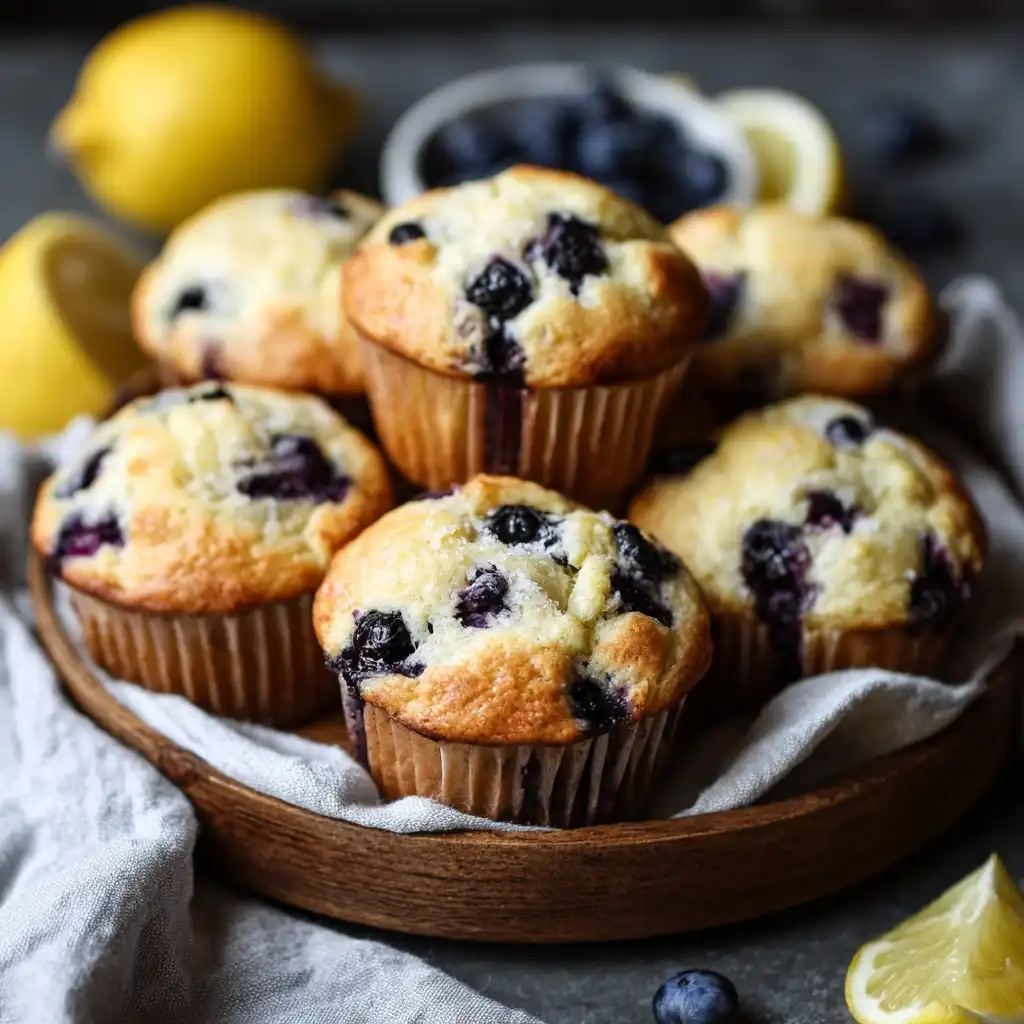
Welcome to a bright, wholesome, and irresistibly moist twist on the classic muffin—Lemon Blueberry Yogurt Muffins! These tender, golden-brown treats strike the perfect balance between zesty citrus tang, sweet bursts of juicy blueberries, and creamy, tangy depth from real yogurt. Unlike traditional muffins that can lean heavy or dry, this version is delightfully light, naturally moist, and subtly sophisticated—ideal for weekend breakfasts, afternoon snacks, school lunches, or even a refined dessert with a dollop of crème fraîche. Whether you’re a seasoned baker or just discovering your inner pastry alchemist, these muffins are approachable, forgiving, and endlessly rewarding—with every bite offering a harmonious dance of flavor, texture, and nutrition.
The History
The evolution of the Lemon Blueberry Yogurt Muffin is a delicious convergence of culinary traditions spanning continents and decades. Muffins themselves trace back to 18th-century Britain as “muffin cakes”—small, yeast-leavened rounds baked on griddles—but the modern American quick-bread muffin emerged in the mid-19th century with the advent of chemical leaveners like baking soda and powder. Blueberries, native to North America and long cherished by Indigenous peoples for their medicinal and culinary uses, entered mainstream baking in the early 20th century after Elizabeth White and Dr. Frederick Coville pioneered commercial blueberry cultivation in New Jersey (1911). Lemon’s presence in baked goods surged post–World War II, as citrus became more widely available and its bright acidity was recognized as an ideal counterpoint to sweetness. Meanwhile, yogurt—a staple in Middle Eastern, Eastern European, and Indian cuisines for millennia—began appearing in American bakes in the 1960s and ’70s as health-conscious home cooks sought natural, probiotic-rich alternatives to buttermilk or sour cream. By the 1990s, food magazines and artisanal bakeries began spotlighting yogurt’s dual superpower: tenderizing gluten *and* adding subtle tang without heaviness. The Lemon Blueberry Yogurt Muffin, therefore, is not just a recipe—it’s a cultural artifact: a testament to agricultural innovation, global ingredient exchange, and the modern desire for joyful, nutrient-dense comfort food.
Ingredients Breakdown
Every ingredient in this recipe has been intentionally selected—not only for flavor and function but for synergy, texture, and nutritional integrity:
- All-Purpose Flour (or Whole Wheat Pastry Flour Alternative): Provides essential structure through gluten formation. For optimal tenderness, we recommend unbleached all-purpose flour—or a 50/50 blend with whole wheat pastry flour for added fiber and nutty depth without compromising rise.
- Baking Powder & Baking Soda: A dual-leavening system ensures maximum lift and even crumb. Baking powder delivers reliable acid-free lift, while a small amount of baking soda neutralizes the yogurt’s acidity and enhances browning and tenderness.
- Granulated Sugar (with optional raw turbinado for topping): Sweetens and aids in browning and moisture retention. We use just enough to highlight—not mask—the lemon and blueberry notes. Turbinado sugar adds a delightful crunch and rustic sparkle to the crown.
- Large Eggs (at room temperature): Act as emulsifiers, binders, and leaveners—contributing richness, structure, and airiness. Room temperature eggs integrate seamlessly into the batter, preventing curdling when combined with yogurt.
- Plain Whole-Milk Greek Yogurt (unsweetened, full-fat preferred): The star of the show. Its high protein and fat content yield extraordinary moisture, density control, and a velvety crumb—far superior to low-fat or non-dairy alternatives in this application. The lactic acid also gently tenderizes gluten for melt-in-your-mouth softness.
- Freshly Grated Lemon Zest (from 2 large lemons): Contains aromatic lemon oil—concentrated flavor powerhouses that infuse the entire muffin with vibrant, floral-citrus brightness. Never substitute bottled zest; it lacks volatile oils and often contains preservatives.
- Freshly Squeezed Lemon Juice (3–4 tbsp): Adds bright acidity that balances sweetness and activates leaveners. Fresh juice is markedly brighter and less bitter than bottled versions.
- Unsalted Butter (melted and cooled) or High-Quality Neutral Oil (e.g., avocado or light olive oil): Butter contributes rich flavor and flakiness near the crust; oil yields a supremely moist, uniform crumb and extends shelf life. Both options are validated—choose based on preference and dietary needs.
- Fresh or Frozen Wild Blueberries (not cultivated if possible): Wild blueberries are smaller, denser, and more intensely flavored—with higher anthocyanin content (the antioxidants responsible for their deep purple hue and tart-sweet complexity). If using frozen, do *not* thaw—toss them in flour first to prevent bleeding and sinking. Cultivated blueberries work well too—just handle gently to avoid crushing.
- Pinch of Fine Sea Salt: Elevates all other flavors, reduces perceived bitterness, and strengthens gluten just enough for cohesive structure.
- Vanilla Extract (pure, not imitation): Adds warm, floral background notes that round out the citrus and berry profiles—especially important when using high-protein yogurt, which can taste slightly chalky without aromatic reinforcement.
Step-by-Step Recipe
- Preheat & Prep: Position oven rack in the center position. Preheat oven to 375°F (190°C). Line a standard 12-cup muffin tin with parchment paper liners (or grease generously with butter or coconut oil spray). Parchment liners ensure effortless release and prevent sticking—even with juicy blueberries.
- Dry Whisk: In a large bowl, whisk together 2 cups (250g) all-purpose flour, 2 tsp aluminum-free baking powder, ¼ tsp baking soda, ¾ cup (150g) granulated sugar, and ½ tsp fine sea salt until fully homogenized and aerated—about 45 seconds. Breaking up any clumps now prevents uneven leavening later.
- Blueberry Prep: In a small bowl, toss 1 ¼ cups (180g) fresh or frozen wild blueberries with 1 tbsp of the measured flour (reserve the rest for batter). This light coating creates a protective barrier, minimizing juice bleed and helping berries suspend evenly throughout the batter instead of sinking to the bottom.
- Wet Mix Assembly: In a separate medium bowl, whisk 2 large room-temperature eggs until slightly frothy (~30 sec). Add 1 cup (240g) full-fat plain Greek yogurt, ¼ cup (60ml) freshly squeezed lemon juice, 2 tbsp (6g) finely grated lemon zest, 2 tsp pure vanilla extract, and melted/cooled unsalted butter (or oil)—whisk vigorously for 60–90 seconds until completely smooth, glossy, and emulsified. A few small yogurt lumps are okay; vigorous whisking ensures no streaks remain.
- Combine Wet & Dry: Pour the wet mixture into the dry ingredients. Using a flexible silicone spatula, fold *gently* and *just until no dry streaks remain*—approximately 12–15 folds. Overmixing develops excess gluten, resulting in tough, tunnelled, or peaked muffins. The batter will be thick, glossy, and slightly lumpy—that’s ideal.
- Incorporate Blueberries: Add the floured blueberries to the batter. Fold 4–6 more times—just enough to disperse them evenly. Avoid over-stirring; a few bare spots are perfectly fine and contribute to visual appeal.
- Portion & Top: Divide batter evenly among 12 lined muffin cups—fill each about ¾ full (≈¼ cup per muffin). Smooth tops lightly with the spatula. Sprinkle each generously with ½ tsp turbinado sugar and a tiny pinch of lemon zest for crackly, fragrant crowns.
- Bake with Precision: Place tin in preheated oven. Bake for 18 minutes—then rotate pan front-to-back for even browning. Continue baking 3–5 more minutes, or until a toothpick inserted into the center of a center muffin comes out with *moist crumbs* (not wet batter, not completely clean—this ensures supreme moistness). Total bake time typically falls between 21–24 minutes depending on oven calibration and muffin size.
- Cool Strategically: Remove pan from oven and let muffins rest *in the tin* for exactly 5 minutes—this allows steam to redistribute and structure to set. Then, carefully lift each muffin by its liner and transfer to a wire rack. Cool for at least 20 minutes before serving. Patience pays off: cutting too soon releases steam prematurely, yielding gummy interiors.
Tips
- Room-Temperature Rule: Always bring eggs and yogurt to room temperature (15–20 minutes out of the fridge). Cold ingredients cause melted butter to seize, create lumps, and inhibit proper emulsion—leading to dense or greasy muffins.
- Zest Before Juicing: Always grate lemon zest *before* squeezing juice—once the fruit is cut and juiced, the peel becomes slippery and difficult to zest finely.
- Flour Your Blueberries Religiously: Even with frozen berries, never skip the flour toss. It’s the single most effective step for preventing purple batter and soggy bottoms.
- Don’t Skip the Turbinado Topping: Beyond aesthetics, coarse sugar draws moisture to the surface during baking, creating a delicate, caramelized crust that contrasts beautifully with the tender interior.
- Oven Thermometer Required: Most home ovens run hot or cold. An inexpensive oven thermometer ensures accuracy—underbaking yields gummy centers; overbaking dries them out irreversibly.
- Fill the Center Cups First: When portioning, fill the four center cups first—these bake most evenly. Then fill outward. This minimizes temperature fluctuations during loading.
- Test with a Toothpick—But Interpret Wisely: “Clean” is a myth for yogurt-based muffins. Look for *a few moist, tender crumbs* clinging to the tester—not wet batter, not dry cake. Clean = overbaked.
- Cool Completely for Best Texture: These muffins continue to steam and set internally for up to 30 minutes off the heat. Serving warm is lovely—but waiting unlocks their full tenderness and flavor harmony.
- Freeze Like a Pro: Once fully cooled, place muffins in a single layer on a parchment-lined tray and freeze uncovered for 2 hours. Then transfer to an airtight freezer bag (remove air) for up to 3 months. Thaw at room temperature or reheat in a 325°F oven for 8 minutes.
Variations and Customizations
This recipe is a masterclass in adaptability—designed to honor dietary preferences, seasonal availability, pantry constraints, and personal whims—all without sacrificing integrity:
- Gluten-Free: Substitute a certified 1:1 gluten-free all-purpose blend (like Bob’s Red Mill or King Arthur) + ½ tsp xanthan gum (if not included). Add 1 extra tbsp yogurt to compensate for GF flour’s absorbency. Expect slightly denser (but still delicious) crumb.
- Vegan: Replace eggs with 2 flax eggs (2 tbsp ground flaxseed + 6 tbsp warm water, rested 10 min); use unsweetened soy or coconut yogurt (full-fat, plain); swap butter for refined coconut oil or vegan butter. Add ¼ tsp apple cider vinegar to activate leaveners.
- Lower-Sugar: Reduce granulated sugar to ½ cup (100g) and add 2 tbsp pure maple syrup or honey to wet mix. Compensate with 1 extra tbsp yogurt to maintain moisture. Flavor remains bright; sweetness is more nuanced.
- Protein-Powered: Stir in 2 tbsp unflavored collagen peptides or whey protein isolate (vanilla works well) with dry ingredients. No texture change—just +5g protein per muffin.
- Herb-Infused: Add 1 tsp finely chopped fresh lavender buds (culinary grade) or ½ tsp dried rosemary (finely minced) to dry mix for an elegant, Provence-inspired variation.
- Double-Lemon: Add 1 tsp lemon extract along with zest and juice for amplified citrus intensity—ideal for lemon lovers and dessert applications.
- Blueberry Swirl: Reserve ¼ cup batter. Fold 2 tbsp lemon curd into reserved portion. Spoon alternating layers into cups, then swirl gently with a toothpick before baking.
- Nutty Crunch: Fold in ⅓ cup toasted sliced almonds or chopped walnuts with blueberries—or sprinkle toasted pistachios on top with turbinado sugar.
- Spiced: Add ½ tsp ground cardamom + ¼ tsp ground ginger to dry ingredients for warm, aromatic complexity that complements both lemon and blueberry.
- Mini Muffin Version: Fill mini muffin tins ⅔ full. Bake at 375°F for 11–13 minutes. Perfect for parties, kids’ lunches, or portion-controlled snacking (yields ~36).
Health Considerations and Nutritional Value
Lemon Blueberry Yogurt Muffins stand apart from conventional bakery-style muffins—not as “health food,” but as a thoughtfully composed, nutrient-responsive treat rooted in whole foods and functional ingredients:
- Probiotic-Rich Foundation: Full-fat Greek yogurt contributes live active cultures (L. acidophilus, Bifidobacterium), supporting gut microbiome diversity—linked to improved digestion, immune regulation, and even mood modulation via the gut-brain axis.
- Antioxidant Powerhouse: Blueberries rank among the highest antioxidant foods globally—loaded with anthocyanins, quercetin, and vitamin C. These compounds combat oxidative stress, reduce inflammation, support vascular health, and may enhance cognitive function and insulin sensitivity.
- Lemon’s Bioactive Benefits: Lemon zest and juice deliver limonene (a potent anticancer monoterpene), citric acid (enhancing mineral absorption, especially iron from plant sources), and vitamin C—crucial for collagen synthesis, wound healing, and antioxidant recycling.
- Smart Carbohydrate Profile: With ~22g total carbs per muffin (of which 2g are fiber and 11g natural sugars), these offer slower glucose release than refined-sugar muffins—especially when paired with protein and fat from yogurt and butter. The fiber supports satiety and microbiome feeding.
- Protein & Satiety Support: Each muffin delivers ~5–6g high-quality protein (from yogurt, eggs, and flour), promoting sustained energy and appetite regulation—making them far more satisfying than typical 100-calorie snack packs.
- No Refined Oils or Artificial Additives: Free from hydrogenated fats, artificial flavors, colors, or preservatives commonly found in store-bought muffins—reducing inflammatory load and unnecessary chemical exposure.
- Considerations for Special Diets: Naturally lower in sodium (<120mg/muffin), free from common allergens *except* dairy and egg (easily modified as noted above). For those managing blood sugar, pairing with a handful of almonds or a hard-boiled egg further stabilizes glycemic response.
- Mindful Indulgence Framework: Rather than labeling foods “good” or “bad,” this recipe honors food as nourishment *and* pleasure—supporting intuitive eating, sustainable habits, and joyful ritual around shared meals.
Ingredients
- 2 cups (250g) unbleached all-purpose flour (or 1 cup AP + 1 cup whole wheat pastry flour)
- 2 teaspoons aluminum-free baking powder
- ¼ teaspoon baking soda
- ¾ cup (150g) granulated cane sugar
- ½ teaspoon fine sea salt
- 1 ¼ cups (180g) fresh wild blueberries or frozen unsweetened wild blueberries (do not thaw)
- 2 large eggs, room temperature
- 1 cup (240g) full-fat plain Greek yogurt, room temperature
- ¼ cup (60ml) freshly squeezed lemon juice (from ~2 large lemons)
- 2 tablespoons (6g) finely grated lemon zest (from same lemons)
- 2 teaspoons pure vanilla extract
- ¼ cup (60g) unsalted butter, melted and cooled to lukewarm—or ¼ cup (60ml) mild-tasting oil (avocado, light olive, or grapeseed)
- 2 tablespoons turbinado (raw) sugar, for topping
- Extra lemon zest, for garnish (optional)
Directions
- Preheat oven to 375°F (190°C). Line a 12-cup standard muffin tin with parchment paper liners or grease thoroughly.
- In a large bowl, whisk together flour, baking powder, baking soda, sugar, and salt until uniform and airy—about 45 seconds.
- In a small bowl, toss blueberries with 1 tablespoon of the measured flour until evenly coated. Set aside.
- In a medium bowl, whisk eggs until frothy. Whisk in yogurt, lemon juice, lemon zest, vanilla, and melted butter (or oil) until completely smooth and emulsified—about 90 seconds.
- Pour wet mixture into dry ingredients. Using a flexible silicone spatula, fold gently just until no dry flour remains—12–15 strokes. Batter will be thick and slightly lumpy.
- Add floured blueberries and fold 4–6 times until evenly dispersed—do not overmix.
- Divide batter evenly among 12 muffin cups (≈¼ cup each), filling each ¾ full. Smooth tops lightly. Sprinkle each with ½ tsp turbinado sugar and a pinch of extra lemon zest.
- Bake for 18 minutes, rotate pan, then bake 3–5 more minutes—until a toothpick inserted into the center muffin emerges with moist crumbs (not wet batter, not clean).
- Let muffins cool in tin for 5 minutes. Gently lift out using liners and transfer to a wire rack. Cool at least 20 minutes before serving.
- Store cooled muffins in an airtight container at room temperature for up to 3 days, refrigerated for up to 1 week, or frozen for up to 3 months.
FAQ
- Can I use low-fat or nonfat yogurt?
- Yes—but with caveats. Low-fat yogurt increases risk of dryness and diminishes richness. If using, add 1 extra tbsp melted butter or oil, and reduce bake time by 1–2 minutes. Nonfat yogurt often yields rubbery texture; we strongly recommend full-fat for best results.
- Why do my blueberries sink to the bottom?
- Most commonly due to skipping the flour toss or overmixing the batter after adding berries. Ensure berries are thoroughly coated in flour, and fold *just* until dispersed—not until smooth.
- Can I make this batter ahead of time?
- For best texture, bake immediately. However, unbaked batter can be refrigerated (covered) for up to 12 hours. Stir gently before portioning—expect 1–2 minutes longer bake time.
- My muffins came out dense—what went wrong?
- Density usually stems from overmixing (developing gluten), cold ingredients causing seized butter, expired leaveners, or underbaking. Always whisk leaveners into dry ingredients—and test with a toothpick for *moist crumbs*, not cleanliness.
- Can I substitute milk for yogurt?
- Milk lacks the acidity, protein, and fat needed for this recipe’s signature tenderness and moisture. Buttermilk (¾ cup) + 2 tbsp sour cream can work in a pinch—but yogurt remains irreplaceable for optimal crumb and nutrition.
- Are these suitable for babies or toddlers?
- Yes—with modifications: omit added sugar entirely (rely on blueberry sweetness), use organic ingredients, ensure no choking hazards (cut into small pieces), and consult your pediatrician before introducing citrus or honey (if substituting).
- How do I prevent muffin tops from cracking excessively?
- A little crack is normal and charming! To minimize deep fissures: avoid overfilling cups, ensure oven is fully preheated (no cold start), and resist opening the oven door before 18 minutes.
- Can I add streusel or crumb topping?
- Absolutely! Combine ¼ cup flour, ¼ cup brown sugar, 2 tbsp cold butter, and ½ tsp cinnamon. Cut in butter until pea-sized crumbs form. Sprinkle generously over batter before baking.
- Why use both baking powder AND baking soda?
- Baking powder provides primary lift. Baking soda neutralizes the acidity from yogurt and lemon juice—which otherwise inhibits rise and can impart a metallic taste—while enhancing browning and tenderness. Together, they ensure optimal volume and texture.
- Can I bake these as a loaf?
- Yes! Pour batter into a greased 9×5-inch loaf pan. Bake at 350°F for 50–65 minutes, until a skewer comes out with moist crumbs. Cool in pan 15 minutes, then transfer to rack. Slice after 2+ hours for clean cuts.
Summary
Lemon Blueberry Yogurt Muffins are a luminous fusion of tradition and innovation—featuring vibrant citrus, antioxidant-rich berries, and protein-packed yogurt to yield muffins that are impossibly moist, delicately tangy, and deeply satisfying. Baked with intention and adaptable to countless dietary needs, they transform everyday moments into celebrations of flavor, nourishment, and homemade joy.