Introduction
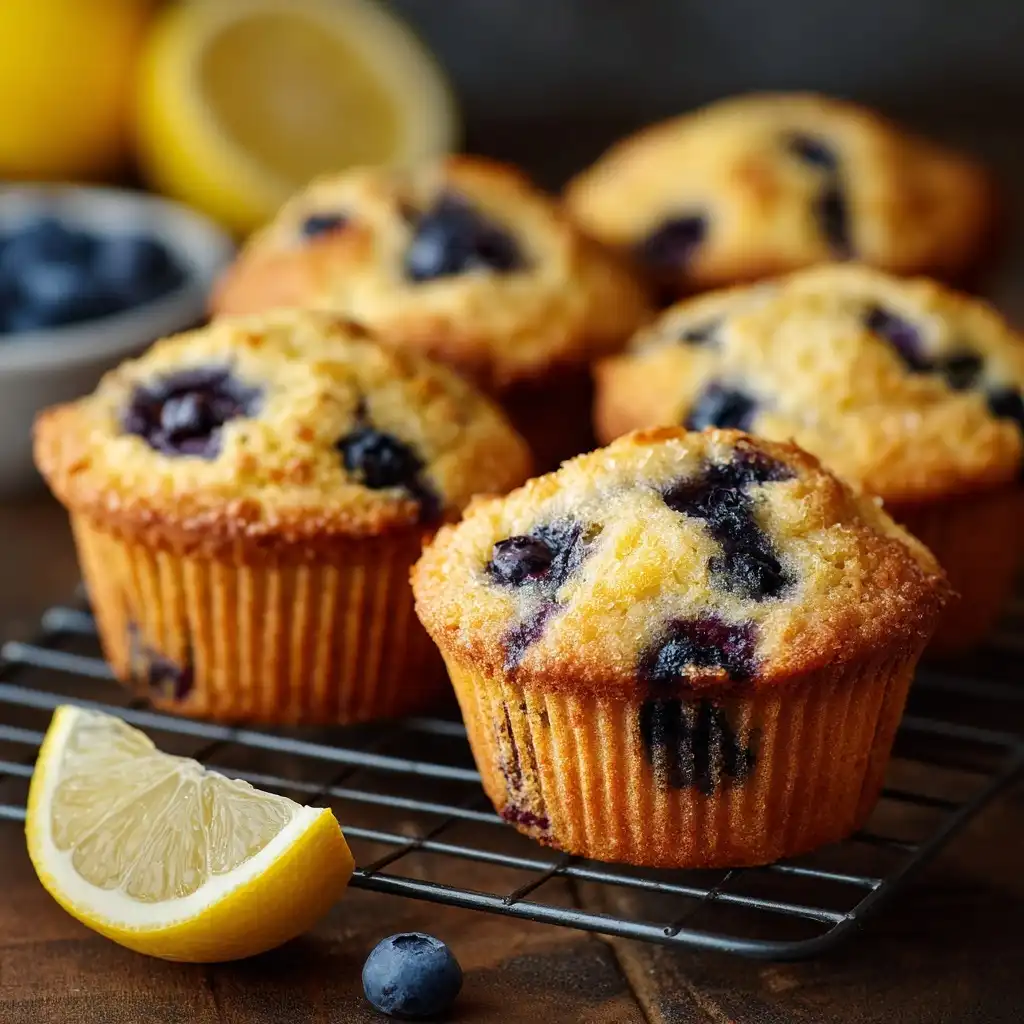
Welcome to the ultimate guide for Lemon Blueberry Protein Muffins — a delicious, nutrient-dense, and kitchen-friendly baked treat that seamlessly bridges the gap between indulgence and wellness. Whether you’re an early-morning gym enthusiast, a busy professional seeking a satisfying snack, a parent packing school lunches, or someone simply craving something sweet without the sugar crash, these muffins deliver on flavor, texture, and functional nutrition. Infused with bright citrus zest, bursts of antioxidant-rich blueberries, and high-quality protein to support muscle maintenance and satiety, each muffin is a wholesome powerhouse — moist, tender, lightly tangy, and naturally sweetened. This comprehensive resource goes far beyond a basic recipe: it explores the culinary evolution of protein-enriched baking, dissects every ingredient for purpose and substitution potential, walks you through foolproof techniques (including how to prevent soggy bottoms and blueberry sinkage), and provides science-backed insights into macros, glycemic impact, and gut-friendly adaptations. Designed for repeat bakers and first-timers alike, this guide empowers you to master, personalize, and confidently scale these muffins for any lifestyle — from keto and gluten-free to vegan and dairy-free — all while preserving their signature lemony aroma and bakery-style crumb.
The History
The story of Lemon Blueberry Protein Muffins is a modern culinary convergence — a delicious byproduct of three distinct food movements spanning over half a century. It begins with the humble American muffin, which evolved from quick-bread origins in the 18th century but didn’t gain widespread popularity until the mid-1900s, thanks to standardized baking powder, mass-produced flour, and the rise of home economics. Blueberries — native to North America and long revered by Indigenous peoples for their medicinal and nutritional properties — entered mainstream baking in the 1930s after Elizabeth White and Dr. Frederick Coville pioneered commercial cultivation in New Jersey, making them widely available for recipes like blueberry muffins, which became a breakfast staple by the 1950s. Meanwhile, lemon’s use in baked goods surged post-WWII with the advent of reliable citrus imports and the cultural embrace of bright, refreshing flavors as antidotes to heavy, wartime rations. The “protein” element, however, is the newest chapter — emerging robustly in the 2010s alongside the explosion of fitness culture, third-wave protein innovation (think clean-label whey isolates, fermented pea protein, and hydrolyzed brown rice blends), and consumer demand for functional foods. Early protein muffins were often dense, chalky, or overly sweetened with artificial additives — but advances in ingredient synergy (e.g., pairing acidic lemon juice with alkaline proteins to improve solubility and texture), improved emulsification techniques, and better understanding of starch-protein-water interactions have transformed them into tender, flavorful, and nutritionally balanced baked goods. Today’s Lemon Blueberry Protein Muffins represent not just a recipe, but a symbol of culinary progress — where heritage ingredients meet cutting-edge nutritional science and mindful eating philosophy.
Ingredients Breakdown
Every ingredient in these Lemon Blueberry Protein Muffins serves a precise functional and sensory role — no filler, no afterthoughts. Understanding *why* each component is included empowers smarter substitutions and troubleshooting:
- Protein Powder (2–2.5 scoops / ~60–75g): The nutritional cornerstone. Whey isolate is preferred for its neutral flavor, high solubility, and excellent binding properties — it contributes structure without gumminess. Plant-based alternatives like pea-rice-hemp blends work well but may require +1–2 tbsp extra liquid and ¼ tsp xanthan gum for cohesion. Avoid soy protein concentrate if sensitive to beany notes; always choose unflavored or vanilla for lemon-blueberry harmony. Note: Excess protein (>80g per batch) can dry out muffins — hydration balance is key.
- Whole Grain Oats (1 cup / 90g rolled oats, pulsed into flour): Adds fiber, gentle sweetness, and a tender crumb. Pulsing ensures fine texture and even distribution — coarse oats create grittiness. Certified gluten-free oats are essential for GF diets. Oat flour also acts as a natural binder and improves moisture retention versus refined flours.
- Almond Flour (½ cup / 48g): Provides healthy monounsaturated fats, delicate nuttiness, and a luxurious, slightly dense-yet-tender crumb. Its low-carb, grain-free nature supports keto and paleo variations. Blanched almond flour (not almond meal) yields smoother texture. Substitutes: sunflower seed flour (nut-free), coconut flour (use only ¼ cup + +2 eggs — highly absorbent).
- Baking Powder (2 tsp) & Baking Soda (¼ tsp): A dual-leavening system. Baking powder handles most lift, while baking soda (activated by lemon juice’s acidity) enhances browning, tenderness, and subtle caramelization. Never omit or swap one for the other — imbalance causes tunneling or flatness.
- Unsweetened Applesauce (⅓ cup / 80g): A fat-reducing, moisture-locking superstar. Adds natural pectin for binding, mild sweetness, and keeps muffins soft for up to 5 days. Replace with mashed banana (adds flavor), pumpkin purée (earthy note), or Greek yogurt (higher protein, tangier profile).
- Maple Syrup or Raw Honey (¼ cup / 60ml): Natural liquid sweeteners that retain moisture better than granulated sugar and contribute nuanced flavor. Maple adds caramel depth; honey offers floral brightness and antimicrobial benefits. For lower glycemic impact: monk fruit–erythritol blend (¼ cup, add 1 tbsp extra milk) or date syrup (reduce other liquids by 1 tbsp).
- Fresh Lemon Juice (3 tbsp) & Zest (from 2 large lemons): Juice provides acidity to activate leaveners and tenderize gluten/protein networks; zest delivers volatile citrus oils — the aromatic soul of the muffin. Bottled juice lacks enzymatic freshness and zest intensity. Always zest before juicing — dried zest loses 80% of its volatile compounds.
- Eggs (2 large, room temperature): Structural scaffolding — yolks add richness and emulsification; whites provide lift and stability. Flax or chia “eggs” (1 tbsp each + 2.5 tbsp water, rested 5 min) work for vegan versions but yield slightly denser crumb.
- Unsweetened Almond Milk (½ cup / 120ml): Hydration vehicle with neutral flavor and low-calorie profile. Soy or oat milk add creaminess; coconut milk (light) enhances richness. Avoid sweetened or flavored varieties unless adjusting overall sweetness intentionally.
- Fresh or Frozen Blueberries (1.25 cups / 175g): Antioxidant-rich jewels. Fresh berries give optimal burst and shape; frozen must be added *frozen* and *unthawed* to prevent bleeding — toss in 1 tsp oat flour before folding in to coat and minimize sinking. Wild blueberries offer more intense flavor and higher anthocyanin content.
- Vanilla Extract (1 tsp pure): Flavor amplifier — rounds sharp lemon notes and complements berry sweetness. Alcohol-based extract carries flavor better than imitation or paste.
- Sea Salt (½ tsp): Critical for balancing sweetness and enhancing all other flavors — don’t skip. Fine sea salt dissolves evenly; flaky salt is best reserved for topping.
- Optional Add-Ins: Chia or hemp seeds (1 tbsp) for omega-3s and crunch; poppy seeds (1 tsp) for texture and subtle nuttiness; lemon-thyme infused olive oil (replace 1 tbsp milk) for gourmet depth; a swirl of lemon curd (2 tbsp) before baking for decadent marbling.
Step-by-Step Recipe
- Preheat & Prep: Position oven rack in center. Preheat to 350°F (175°C). Line a standard 12-cup muffin tin with parchment liners (or grease thoroughly with coconut oil). Parchment prevents sticking far better than spray alone — especially important with protein-rich batters that cling.
- Pulse Oats: In a clean coffee grinder or high-speed blender, pulse rolled oats in 3–4 second bursts until finely ground into flour-like consistency (≈30 sec). Avoid over-processing into paste — stop when uniform and powdery. Measure precisely — too coarse = gritty texture; too fine = excess starch = gummy crumb.
- Whisk Dry Ingredients: In a large bowl, whisk together oat flour, almond flour, protein powder, baking powder, baking soda, and sea salt for 45 seconds until fully homogenized and aerated. Sifting isn’t required but ensures no protein clumps remain — tap bowl firmly on counter to settle, then whisk again.
- Combine Wet Ingredients: In a separate medium bowl, vigorously whisk eggs until frothy (≈30 sec). Whisk in applesauce, maple syrup/honey, lemon juice, lemon zest, vanilla, and almond milk until completely smooth and emulsified — no streaks or separation. Batter should look creamy and slightly thickened.
- Combine Wet + Dry: Pour wet mixture into dry ingredients. Use a silicone spatula to fold gently in a figure-8 motion — cut down center, sweep across bottom, fold up and over — just until *no dry streaks remain*. Overmixing develops gluten (even in oat flour) and tightens protein networks, causing toughness and tunnels. Expect lumps — they’ll bake out.
- Prepare Blueberries: While batter rests (critical step!), measure blueberries. If using frozen, keep in freezer until now. Toss berries in 1 tsp oat flour in a small bowl — this light coating absorbs surface moisture and prevents sinking and bleeding. Drain any excess juice from fresh berries on paper towels.
- Incorporate Berries: Gently fold coated blueberries into batter using 3–4 light strokes — rotate bowl 90° between folds. Stop immediately when evenly distributed. Over-folding bruises berries and turns batter purple-gray.
- Fill Muffin Cups: Divide batter evenly among 12 cups — use a 2-oz ice cream scoop for precision. Fill each liner ¾ full (≈¼ cup per muffin). Smooth tops lightly with damp spatula. Optional: press 2–3 extra whole blueberries on top for visual appeal and burst-in-mouth moments.
- Bake Strategically: Place tin in center rack. Bake 18 minutes, then rotate pan ½ turn (front-to-back) for even browning. Continue baking 3–5 more minutes — total time is 21–23 minutes. Don’t open oven before 18 min — heat loss causes collapse. Done when tops are golden, edges pull slightly from liners, and a toothpick inserted in center comes out with *moist crumbs* (not wet batter, not completely clean — a few clinging crumbs = perfect moisture).
- Cool Completely: Remove tin from oven. Let muffins rest IN the pan for 10 full minutes — this allows steam to redistribute and structure to set. Then transfer carefully to a wire rack. Cool at least 30 minutes before wrapping or storing — cutting warm causes crumbling; eating warm releases volatile lemon oils for maximum aroma.
Tips
- Room Temperature Is Non-Negotiable: Cold eggs or milk cause premature coagulation of protein and uneven mixing. Take eggs and milk out 30+ minutes ahead.
- Zest First, Juice Second: Lemon zest contains essential oils concentrated in the yellow peel — once juiced, the rind dries and loses potency. Use a microplane, not a grater.
- Don’t Skip the Rest: Letting batter sit 5–10 minutes after folding allows flours to hydrate fully and protein to relax — reduces grittiness and improves rise.
- Freeze Blueberries Solid: Even if using “fresh,” freeze them 15 minutes before folding — colder berries hold shape and release less juice during baking.
- Rotate, Don’t Peek: Oven hotspots are real. Rotating at 18 minutes ensures even browning without losing heat. Resist opening the door before then — use oven light!
- Underbake Slightly: Pull muffins at the *first sign* of doneness — carryover cooking continues for 5+ minutes outside oven. Overbaked protein muffins become crumbly and dry.
- Scale With Precision: Use a digital kitchen scale for protein powder, flours, and syrups — volume measurements vary wildly (especially protein, which compacts). Gram weights ensure consistency batch after batch.
- Grease the Top Rim: Lightly brush the exposed rim of each liner with coconut oil — prevents sticking when peeling off after cooling.
- Steam Release Trick: After cooling 30 minutes, place muffins back in empty, turned-off oven with door ajar for 5 minutes — removes residual steam and firms crumb without drying.
- Batch & Freeze Smart: Freeze unfrosted, fully cooled muffins on a tray, then transfer to airtight bag. Thaw overnight in fridge or 20 sec in microwave — texture remains near-fresh.
Variations and Customizations
These muffins are a versatile canvas — adapt freely without sacrificing integrity:
- Gluten-Free Version: Already GF if using certified GF oats and almond flour. Ensure protein powder is GF-certified (many contain barley grass or wheat-derived fillers). Add ½ tsp xanthan gum if using >70g protein.
- Vegan Version: Replace eggs with flax eggs (2 tbsp ground flax + 5 tbsp water, rested 10 min); use maple syrup (not honey); choose plant-based protein (pea/rice/hemp blend); opt for soy or oat milk. Add 1 tsp apple cider vinegar to mimic egg acidity.
- Keto/Low-Carb Version: Swap oat flour for ⅔ cup almond flour + ¼ cup coconut flour; replace maple syrup with 3 tbsp powdered erythritol + 1 tbsp water; use 1 cup raspberries (lower sugar than blueberries) or blackberries; increase almond flour to ¾ cup total for structure.
- High-Fiber Boost: Add 2 tbsp ground flaxseed + 1 tbsp psyllium husk powder (reduce almond milk by 2 tbsp); stir in after wet-dry combine.
- Double-Lemon Intensity: Add ½ tsp lemon extract + 1 tsp additional zest; drizzle cooled muffins with lemon glaze (1 cup powdered erythritol + 1½ tbsp fresh lemon juice + pinch salt).
- Blueberry-Lavender: Infuse almond milk with 1 tsp culinary lavender (steep 10 min, strain) — adds floral elegance without soapiness.
- Protein-Packed Upgrade: Stir in 2 tbsp collagen peptides (flavorless, heat-stable) + 1 tbsp hemp hearts — boosts protein to 12g+/muff without altering texture.
- Mini Muffin Batch: Fill 24-cup mini tin ⅔ full. Bake at 350°F for 11–13 minutes. Perfect for portion control, kids’ snacks, or meal prep variety.
- Savory-Sweet Twist: Reduce syrup to 1 tbsp; add ¼ tsp black pepper + 1 tbsp finely grated parmesan (omit lemon zest, keep juice); fold in ¼ cup chopped rosemary — unexpected, sophisticated, and high in umami.
- No-Bake “Muffin” Bars: Press batter into an 8×8” lined pan. Refrigerate 4+ hours or freeze 2 hours. Cut into squares — chewy, portable, and ideal for hot climates or no-oven days.
Health Considerations and Nutritional Value
A single Lemon Blueberry Protein Muffin (based on standard recipe, 12 muffins per batch) delivers approximately:
- Calories: 185–210 kcal (varies by protein type and sweetener)
- Protein: 10–13g (35–45% of calories) — high biological value (whey) or complete amino acid profile (plant blends)
- Carbohydrates: 18–22g total — 3–4g dietary fiber (12–16% DV), 7–9g naturally occurring sugars (blueberries, lemon, applesauce), <1g added sugar (if using pure maple/honey)
- Fats: 8–10g — predominantly heart-healthy monounsaturated (almond flour, olive oil option) and omega-3s (if adding chia/flax)
- Vitamins & Minerals: Excellent source of Vitamin C (lemon, blueberries), Manganese (oats, blueberries), Vitamin E (almond flour), and Polyphenols (anthocyanins in blueberries — linked to cognitive support and reduced oxidative stress)
Key Health Notes:
- Glycemic Impact: Low-to-moderate GI (~52–58) due to high fiber, protein, and healthy fats slowing glucose absorption — suitable for prediabetes and insulin resistance when paired with balanced meals.
- Digestibility: Whey isolate is highly digestible; plant proteins may cause mild bloating in sensitive individuals — start with 1 muffin and assess tolerance. Adding digestive enzymes (like bromelain from pineapple — though not in recipe) or ginger powder (¼ tsp) can aid assimilation.
- Allergen Awareness: Contains tree nuts (almonds). For nut-free: substitute sunflower seed flour + pumpkin seed flour (equal parts), use oat milk, and ensure protein is seed-based (pumpkin, hemp, or rice). Always check protein powder labels for cross-contamination warnings.
- Phytic Acid Consideration: Oats and almonds contain phytates, which can bind minerals. Soaking oats overnight or using sprouted varieties reduces this — though the modest serving size and varied diet mitigate concern for most people.
- Antioxidant Synergy: Lemon’s vitamin C enhances non-heme iron absorption from plant ingredients; blueberries’ quercetin works synergistically with lemon’s hesperidin for amplified anti-inflammatory effects.
- Not a Meal Replacement: While nutritious, these are best positioned as a substantial snack or breakfast *component*. Pair with Greek yogurt, hard-boiled egg, or avocado for a complete, blood-sugar-stabilizing meal.
Ingredients
- 1 cup (90g) certified gluten-free rolled oats, pulsed into fine flour
- ½ cup (48g) blanched almond flour
- 2 level scoops (60g) unflavored or vanilla whey protein isolate (or plant-based blend)
- 2 tsp aluminum-free baking powder
- ¼ tsp baking soda
- ½ tsp fine sea salt
- ⅓ cup (80g) unsweetened applesauce (smooth, no added sugar)
- ¼ cup (60ml) pure maple syrup or raw honey
- 3 tbsp (45ml) freshly squeezed lemon juice (from ~2 large lemons)
- Zest of 2 large lemons (≈1 tbsp finely grated)
- 1 tsp pure vanilla extract
- 2 large eggs, room temperature
- ½ cup (120ml) unsweetened plain almond milk (or soy/oat)
- 1.25 cups (175g) fresh or frozen wild blueberries, tossed in 1 tsp oat flour
Directions
- Preheat oven to 350°F (175°C). Line a 12-cup muffin tin with parchment liners or grease well.
- In a coffee grinder or blender, pulse oats in short bursts until finely ground into flour. Measure 1 cup — discard any coarse bits.
- In a large bowl, whisk together oat flour, almond flour, protein powder, baking powder, baking soda, and salt until fully combined and lump-free.
- Pour wet mixture into dry ingredients. Fold gently with a spatula using a figure-8 motion just until no dry flour remains — about 12–15 strokes. Do not overmix.
- Toss blueberries with 1 tsp oat flour in a small bowl. Gently fold into batter with 3–4 strokes — stop when evenly dispersed.
- Divide batter evenly among 12 muffin cups (≈¼ cup each), filling ¾ full. Optional: press 2–3 extra blueberries on top.
- Bake for 18 minutes, rotate pan front-to-back, then bake 3–5 more minutes until tops are golden and a toothpick inserted in center comes out with moist crumbs.
- Let muffins cool in pan for 10 minutes. Transfer to a wire rack and cool completely (≥30 minutes) before storing.
- Store cooled muffins in an airtight container at room temperature for up to 3 days, refrigerated for up to 1 week, or frozen for up to 3 months.
FAQ
- Can I use regular all-purpose flour instead of oat and almond flour?
- Yes, but it changes the nutritional profile significantly: replace oat flour with ½ cup AP flour and almond flour with ¼ cup AP flour + ¼ cup protein powder (to compensate lost protein/fat). Expect denser, less moist, higher-carb muffins — not recommended for health-focused goals.
- Why do my blueberries always sink to the bottom?
- Two main causes: 1) Batter too thin — ensure proper flour ratios and don’t over-add liquid; 2) Berries not coated — always toss in oat flour or cornstarch before folding. Also, avoid overmixing after adding berries.
- Can I make these in a blender?
- Yes — add all wet ingredients first, then dry (except berries), blend on low 10–15 sec until just combined. Then fold in berries by hand. Blender method yields ultra-smooth batter but increases risk of overmixing — stop blending immediately when uniform.
- My muffins came out dry/crumbly — what went wrong?
- Most common culprits: too much protein powder (measure by weight), overbaking (check at 21 min), using old baking powder, or substituting applesauce with oil (oil doesn’t bind like pectin-rich applesauce). Try adding 1 tbsp extra milk next time.
- Are these safe for kids?
- Absolutely — they’re naturally sweetened, packed with brain-boosting antioxidants, and free of artificial colors or preservatives. Just ensure protein powder is free of stevia/erythritol if under age 3, and monitor for nut allergies.
- Can I add chocolate chips?
- Yes! Fold in ⅓ cup dark chocolate chips (70% cacao or higher) along with blueberries. For lower sugar: use cacao nibs (2 tbsp) — adds crunch and bitter contrast to lemon.
- How do I prevent a domed top or cracked crown?
- Overmixing, too-high oven temp, or excessive leavening cause cracks. Ensure accurate oven temp (use oven thermometer), avoid opening oven early, and don’t overfill cups. A slight dome is normal and desirable.
- Can I double the recipe?
- Yes — but mix in two separate batches for best results. Doubling leaveners and liquids in one bowl risks uneven distribution and inconsistent rise. Use same mixing technique and timing.
- What’s the best protein powder brand for minimal aftertaste?
- Top-rated for clean flavor: Naked Whey, Legion Whey+, Now Foods True Nutrition Unflavored Whey, or Orgain Simple Proteins (plant-based). Always check third-party testing (Labdoor, ConsumerLab) for heavy metals and purity.
- Can I make these sugar-free?
- Yes — replace maple syrup with ¼ cup powdered monk fruit-erythritol blend + 1 tbsp water. Reduce almond milk by 1 tbsp to compensate moisture. Texture remains excellent, and glycemic load drops to near-zero.
Summary
Lemon Blueberry Protein Muffins are a nutritionally intelligent, chef-crafted fusion of vibrant citrus, antioxidant-rich berries, and high-quality protein — delivering exceptional taste, texture, and functional benefits in every moist, tender, golden-brown bite. Backed by culinary history, ingredient science, and adaptable techniques, they empower health-conscious bakers to enjoy dessert-level satisfaction without compromise — whether fueling workouts, supporting metabolic health, accommodating dietary needs, or simply savoring a moment of mindful, homemade joy.