Introduction
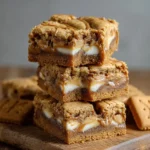
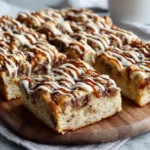
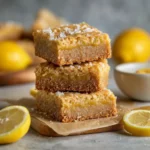
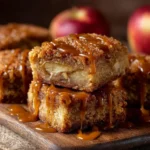
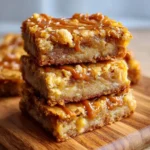
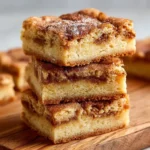
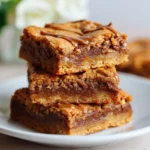
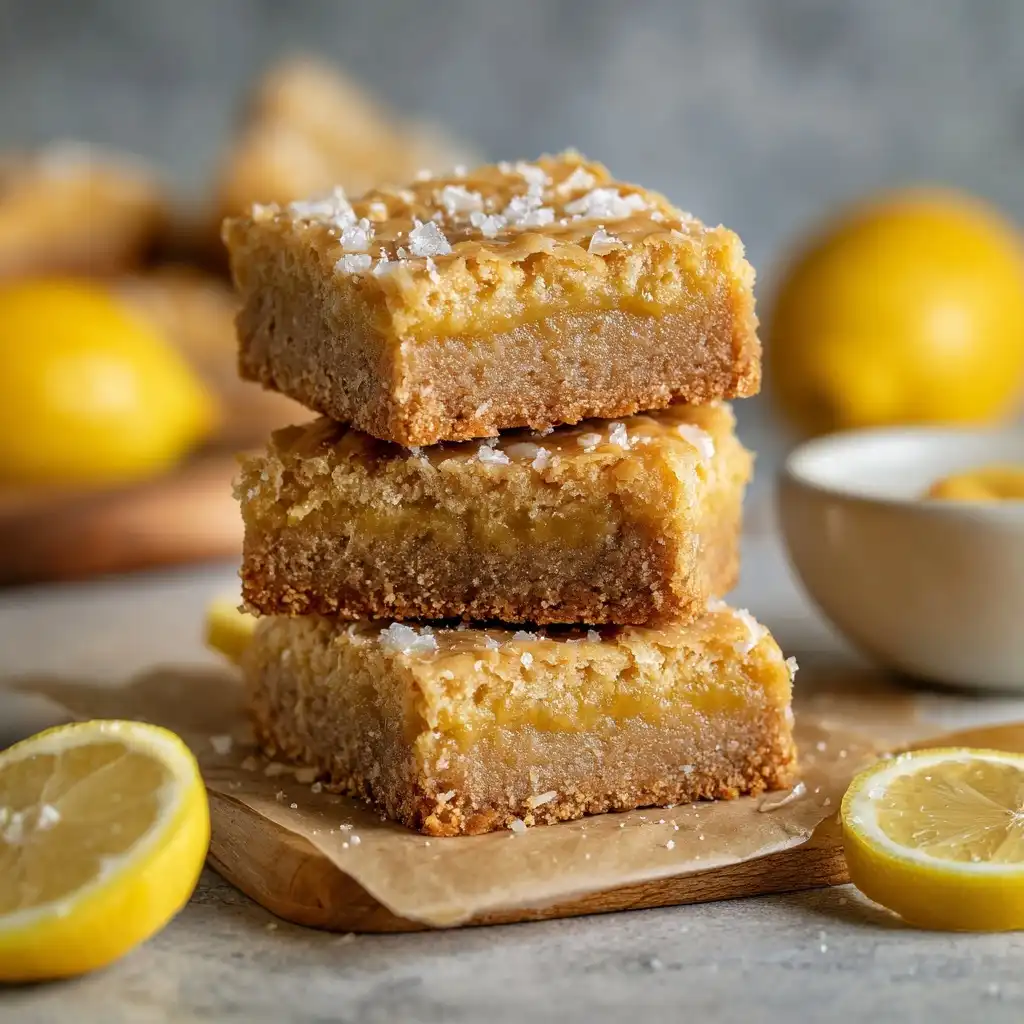
Lemon Blondie Bars are the sun-drenched, zesty cousin of classic brownies—rich, buttery, and deeply comforting, yet brilliantly brightened with the vibrant tang of fresh lemons. Unlike their chocolate-laden counterparts, blondies rely on brown sugar, vanilla, and a generous dose of citrus to deliver a sophisticated balance of caramelized sweetness and refreshing acidity. These bars straddle the perfect line between cakey tenderness and chewy density, with a golden, slightly crackled top that glistens under a dusting of powdered sugar or a glossy lemon glaze. Whether served at a spring brunch, packed into lunchboxes, or enjoyed as an after-dinner treat with a cup of Earl Grey, Lemon Blondie Bars evoke nostalgia while feeling utterly modern—a testament to how a few simple, high-quality ingredients can transform into something extraordinary. Their approachable technique makes them ideal for bakers of all levels, yet their nuanced flavor profile ensures they impress even the most discerning palates.
The History
Blondies trace their origins to the late 19th and early 20th centuries in the United States, emerging as a natural evolution of brownies—themselves a distinctly American invention popularized in the 1890s. While brownies were developed as a quick, no-mess alternative to cakes (often baked in pans without frosting or layers), blondies arose when bakers omitted cocoa powder and leaned into the deep molasses notes of brown sugar, enriched with butter and eggs. The earliest known printed recipe for “blondies” appeared in the 1906 edition of Fannie Farmer’s Boston Cooking-School Cookbook, though they were often listed simply as “brown sugar cake” or “butterscotch squares.” Lemon variations, however, took longer to gain traction—citrus was historically expensive and less accessible year-round, and early 20th-century home cooks often reserved lemon for pies and meringue-topped desserts. It wasn’t until the post–World War II era, with the rise of suburban baking culture, improved citrus distribution, and the popularity of boxed mixes (like Jell-O’s 1950s “Lemon Fluff” campaigns), that lemon-infused bar cookies began appearing regularly in women’s magazines such as Good Housekeeping and community cookbooks. By the 1970s and ’80s, lemon blondies had become a staple at church socials and potlucks, especially in Midwest and Pacific Northwest regions where lemon zest was prized for cutting through rich, butter-heavy batters. Today, they represent a joyful fusion of heritage technique and contemporary flavor sensibility—honoring tradition while embracing brightness, balance, and seasonal integrity.
Ingredients Breakdown
Every exceptional Lemon Blondie Bar begins with intentionality—not just in measurement, but in selection and understanding the functional role each ingredient plays. Below is a detailed, chef-level analysis:
- Unsalted Butter (1 cup / 2 sticks, room temperature): Provides richness, moisture, and structure. Room temperature ensures proper creaming with sugar for optimal aeration and texture. Salted butter is discouraged due to inconsistent sodium levels, which can mute citrus notes and throw off overall balance.
- Packed Light Brown Sugar (1¼ cups): The backbone of blondie depth—molasses content contributes caramel complexity and hygroscopic properties that retain moisture. Dark brown sugar may be substituted for deeper flavor, but light is preferred for its cleaner sweetness that lets lemon shine.
- Granulated Sugar (½ cup): Adds fine-textured sweetness and aids in creating a delicate, slightly crisp top layer during baking. Its lower moisture content helps control spread and promotes surface tension.
- Large Eggs (2, room temperature): Act as emulsifiers and structural agents. Room temperature ensures uniform incorporation and prevents the batter from seizing. The yolks add fat and richness; whites contribute lift and binding.
- Pure Vanilla Extract (2 tsp): Not optional—it rounds out sharp citrus acidity and adds warm, floral undertones. Imitation vanilla lacks the nuanced compounds needed to harmonize with lemon’s volatile oils.
- Fresh Lemon Zest (from 3–4 medium lemons, ~2 tbsp finely grated): Contains aromatic lemon oil stored in the peel’s flavedo layer—this is where 90% of lemon’s fragrance resides. Always zest before juicing, and avoid the bitter white pith.
- Fresh Lemon Juice (⅓ cup, ~2 large lemons): Provides bright acidity and tenderizes gluten. Bottled juice lacks enzymatic freshness and contains preservatives that dull flavor and may cause curdling. Strain to remove pulp and seeds for smooth texture.
- All-Purpose Flour (1¾ cups, spooned & leveled): The structural scaffold. Too much compacts the bars; too little yields collapse. Spooning (not scooping) prevents overpacking. For gluten-sensitive bakers, a 1:1 certified gluten-free flour blend with xanthan gum works well—but expect slight textural variance.
- Finely Ground Cornstarch (2 tbsp): A secret weapon—it inhibits gluten formation, yielding a more tender, melt-in-the-mouth crumb without sacrificing integrity. Also improves shelf life by reducing starch retrogradation.
- Baking Powder (1 tsp): Not traditional in many blondie recipes, but included here for subtle lift and to counteract the density lemon juice can impart. Ensures bars remain airy rather than leaden.
- Fine Sea Salt (¾ tsp): Enhances all flavors—including citrus—and balances sweetness. Coarse salt won’t dissolve evenly and may create salty pockets.
- Optional Add-Ins: Toasted poppy seeds (1 tbsp), dried lavender buds (¼ tsp, culinary grade), or chopped candied ginger (⅓ cup) elevate complexity without overwhelming.
Step-by-Step Recipe
- Preheat & Prep: Position oven rack in center position. Preheat oven to 350°F (175°C). Grease a 9×13-inch metal baking pan (nonstick or aluminized steel recommended) and line with parchment paper, leaving 2-inch overhang on two opposite sides for easy lifting. Lightly grease parchment.
- Cream Butter & Sugars: In a large bowl using a stand mixer fitted with paddle attachment (or hand mixer), beat room-temperature butter, brown sugar, and granulated sugar on medium-high speed for 4–5 minutes until pale, fluffy, and thoroughly combined—scraping bowl halfway. Proper creaming incorporates air, ensuring tender crumb and preventing greasiness.
- Add Wet Ingredients: Add eggs one at a time, beating on medium speed for 45 seconds after each addition until fully incorporated and glossy. Beat in vanilla, then zest, then lemon juice—mixing only until just combined after each addition. Overmixing at this stage develops gluten and causes toughness.
- Whisk Dry Ingredients: In a separate medium bowl, whisk together flour, cornstarch, baking powder, and salt until completely homogenous—no streaks, no lumps. Sift if desired for absolute uniformity.
- Combine Gently: Reduce mixer speed to low. Gradually add dry ingredients in three additions, mixing only until *just* no dry streaks remain—approximately 15–20 seconds per addition. Batter will be thick, glossy, and pourable but not runny. Use a silicone spatula for final fold to ensure bottom is fully integrated.
- Pour & Smooth: Scrape batter into prepared pan. Use an offset spatula or the back of a spoon to spread evenly, pressing gently into corners. Tap pan firmly on counter twice to release air bubbles and level surface.
- Bake with Precision: Bake 32–38 minutes. Begin checking at 32 minutes: bars are done when edges are golden and slightly pulled away from pan, top is set with fine cracks, and a toothpick inserted 1 inch from edge comes out with moist crumbs (not wet batter); center should still wobble *slightly*—it will continue cooking from residual heat. Rotate pan front-to-back at 20 minutes for even browning.
- Cool Completely: Place pan on a wire rack. Cool *undisturbed* for 1 hour—this allows structure to set and prevents crumbling. For clean cuts, refrigerate uncovered for 2 additional hours (or overnight). Slice with a hot, wiped knife for razor-sharp edges.
Tips
- Zest First, Juice Second: Always zest whole, unwashed lemons first—cold fruit yields finer, drier zest. Wash only if lemons are waxed or visibly soiled (dry thoroughly before zesting).
- Measure Citrus Accurately: Lemon size varies widely. Use a small juicer or reamer—not hands—to extract maximum juice without bitterness. Measure juice in a liquid measuring cup placed on a level surface at eye level.
- Don’t Skip the Cornstarch: It’s not a thickener here—it’s a texture modulator. Substituting with more flour yields denser, drier bars.
- Room Temperature Is Non-Negotiable: Cold eggs or butter cause separation, leading to greasy, uneven bars. If rushed, cut butter into ½-inch cubes and let sit 10 minutes; place eggs in warm water for 5 minutes.
- Underbake Slightly: Blondies firm up dramatically as they cool. Pulling them out when the center is *just* set ensures chewy, fudgy perfection—not cakey or dry.
- Cooling Discipline: Cutting warm bars guarantees ragged edges and loss of shape. Patience rewards you with bakery-quality squares every time.
- Parchment Is Essential: Foil tears; greased pans stick. Parchment + overhang = flawless release and effortless cleanup.
- Storage Strategy: Keep cooled, unglazed bars airtight at room temperature up to 3 days, refrigerated up to 1 week, or frozen (wrapped in parchment + foil) up to 3 months. Thaw overnight in fridge before serving.
Variations and Customizations
Lemon Blondie Bars are a masterclass in adaptable elegance. Here are thoughtfully developed variations—each tested for structural integrity, flavor harmony, and ease of execution:
- Lemon-Raspberry Swirl: Fold in ¾ cup fresh or frozen (unthawed) raspberries *gently* after batter is mixed. Alternate spoonfuls of batter and ¼ cup seedless raspberry jam; swirl once with a knife. Adds tart-sweet contrast and jewel-toned marbling.
- Lemon Blueberry Streusel: Top batter with streusel made from ½ cup rolled oats, ¼ cup brown sugar, 3 tbsp cold butter, 1 tsp cinnamon, and 1 tbsp lemon zest. Scatter 1 cup fresh blueberries over batter first. Bake as directed—streusel crisps, berries burst.
- Lemon-Poppy Seed: Add 2 tbsp poppy seeds with dry ingredients. Optional: stir in 1 tsp lemon oil (food-grade) with juice for amplified aroma. Toast seeds lightly beforehand for nuttier depth.
- Lavender-Honey Lemon: Replace 2 tbsp granulated sugar with local raw honey. Infuse 1 tsp culinary lavender in warm melted butter for 5 minutes before creaming; strain. Reduces lemon juice by 1 tbsp to accommodate honey’s moisture.
- Coconut-Lemon: Substitute ¼ cup flour with toasted unsweetened coconut flakes. Fold in ½ cup shredded coconut with batter. Finish with coconut whipped cream and lime zest.
- Vegan Adaptation: Use vegan butter (Miyoko’s or Earth Balance), flax eggs (2 tbsp ground flax + 5 tbsp water, rested 10 min), and replace brown sugar with coconut sugar (add 1 extra tbsp lemon juice to balance). Cornstarch remains key.
- Gluten-Free Version: Use King Arthur Measure for Measure GF blend (includes xanthan). Add ½ tsp xanthan gum if blend doesn’t contain it. Increase bake time by 3–5 minutes; test with toothpick near center.
- Mini Bar Muffins: Line standard muffin tin with paper liners. Fill ⅔ full. Bake 18–22 minutes. Perfect for portion control or gifting.
Health Considerations and Nutritional Value
While Lemon Blondie Bars are inherently a treat—not a health food—their composition offers surprising nutritional nuance when examined beyond calories. Per standard 2″ × 2″ bar (recipe yields approx. 24 bars):
- Calories: ~215 kcal — moderate for a dessert bar, largely from complex carbohydrates (brown sugar) and healthy fats (butter).
- Sugar Content: ~24g total sugars (18g added) — significantly less than many store-bought bars (often 28–32g). Using ¼ cup less brown sugar reduces by ~5g without compromising texture.
- Fat Profile: ~11g fat (7g saturated) — butter contains butyric acid, linked to gut health and anti-inflammatory effects in moderation. Substituting half butter with avocado oil reduces sat fat by 3g and adds monounsaturated fats.
- Fiber & Micronutrients: ~0.5g fiber (enhanced to 1.2g with 2 tbsp wheat bran added to dry ingredients). Lemon zest provides bioflavonoids (hesperidin, diosmin) with antioxidant and vascular-supportive properties. One bar delivers ~15% DV vitamin C (from juice + zest) and trace folate, potassium, and magnesium.
- Glycemic Impact: Medium GI (~62) — lower than white cake (74) due to brown sugar’s molasses and fat content slowing glucose absorption. Pairing with Greek yogurt or berries further lowers glycemic load.
- Allergen Notes: Contains dairy, eggs, gluten, and tree nuts (if using almond extract or nut-based add-ins). Naturally soy-free and corn-free (verify vanilla and baking powder labels).
- Mindful Enjoyment Tips: Serve with herbal tea (chamomile or mint) to aid digestion; pair with ½ cup mixed berries for added fiber and polyphenols; savor slowly—one bar satisfies more than two low-quality alternatives.
Important: These bars are not suitable for those with severe citrus allergies (rare but possible), lactose intolerance (unless modified), or celiac disease (unless certified GF). Always consult a registered dietitian for personalized nutrition guidance.
Ingredients
- 1 cup (2 sticks / 227g) unsalted butter, room temperature
- 1¼ cups (265g) packed light brown sugar
- ½ cup (100g) granulated sugar
- 2 large eggs, room temperature
- 2 teaspoons pure vanilla extract
- 2 tablespoons finely grated lemon zest (from 3–4 medium lemons)
- ⅓ cup (80ml) fresh lemon juice (from 2 large lemons)
- 1¾ cups (220g) all-purpose flour, spooned & leveled
- 2 tablespoons (16g) cornstarch
- 1 teaspoon baking powder
- ¾ teaspoon fine sea salt
Directions
- Preheat oven to 350°F (175°C). Grease a 9×13-inch metal baking pan and line with parchment paper, leaving 2-inch overhang on two opposite sides.
- In a large bowl, beat butter, brown sugar, and granulated sugar with a mixer on medium-high until pale and fluffy, about 4–5 minutes, scraping bowl halfway.
- Add eggs one at a time, beating 45 seconds after each. Beat in vanilla, then zest, then lemon juice—mixing only until combined after each.
- In another bowl, whisk together flour, cornstarch, baking powder, and salt until fully blended.
- Reduce mixer speed to low. Add dry ingredients in three parts, mixing just until no dry streaks remain—do not overmix.
- Pour batter into prepared pan. Spread evenly with an offset spatula. Tap pan firmly twice on counter.
- Bake 32–38 minutes, rotating pan at 20 minutes, until edges are golden and a toothpick 1 inch from edge comes out with moist crumbs.
- Cool in pan on wire rack for 1 hour. For clean slices, refrigerate uncovered 2 hours or overnight. Lift out using parchment overhang and cut into 24 bars.
FAQ
- Can I use bottled lemon juice?
- No—bottled juice lacks volatile citrus oils, contains preservatives (like sodium benzoate) that react with baking powder, and imparts a flat, metallic aftertaste. Fresh is essential for authenticity and chemistry.
- Why did my bars sink in the center?
- Most commonly caused by undercreaming butter/sugar (trapping insufficient air), opening oven too early (temperature shock), or inaccurate oven calibration. Use an oven thermometer and avoid peeking before 25 minutes.
- Can I make these ahead for an event?
- Absolutely. Baked, cooled bars keep beautifully for 3 days at room temperature in an airtight container layered with parchment. For best flavor, glaze or dust with powdered sugar no more than 2 hours before serving.
- My batter seems too thick—is that normal?
- Yes! Lemon blondie batter is intentionally dense and glossy—similar to soft cookie dough. If it’s runny or soupy, you’ve likely added too much juice or used cold eggs/butter.
- How do I prevent lemon flavor from fading?
- Layer citrus: zest in batter for oil infusion, juice for acidity, and finish with a lemon glaze (powdered sugar + lemon juice + pinch salt) or lemon sugar dusting (zest + sugar, pulsed fine) right before serving.
- Can I double the recipe?
- Not recommended in a single batch—lemon juice’s acidity affects leavening unpredictably at scale. Instead, bake two separate 9×13 batches or use two 8×8 pans (reduce bake time to 28–32 minutes).
- What’s the best way to store leftovers?
- Store unglazed bars airtight at room temperature up to 3 days. For longer storage, freeze bars individually wrapped in parchment + foil for up to 3 months. Thaw in fridge overnight—never microwave.
- Can I substitute oil for butter?
- You can—but texture suffers. Oil yields cakier, less rich bars with diminished crust formation. If necessary, use refined coconut oil (melted & cooled) for neutral flavor and better structure than vegetable oil.
Summary
Lemon Blondie Bars are a masterful marriage of nostalgic comfort and vibrant, sun-kissed sophistication—built on a foundation of deeply caramelized brown sugar, velvety butter, and the unmistakable, exhilarating brightness of freshly zested and juiced lemons.
With meticulous attention to ingredient temperature, citrus quality, and precise bake timing, they emerge as perfectly balanced treats: tender yet chewy, sweet yet refreshingly tart, humble in origin yet unforgettable in impact—ideal for sharing, celebrating, or savoring in quiet, golden-hour solitude.