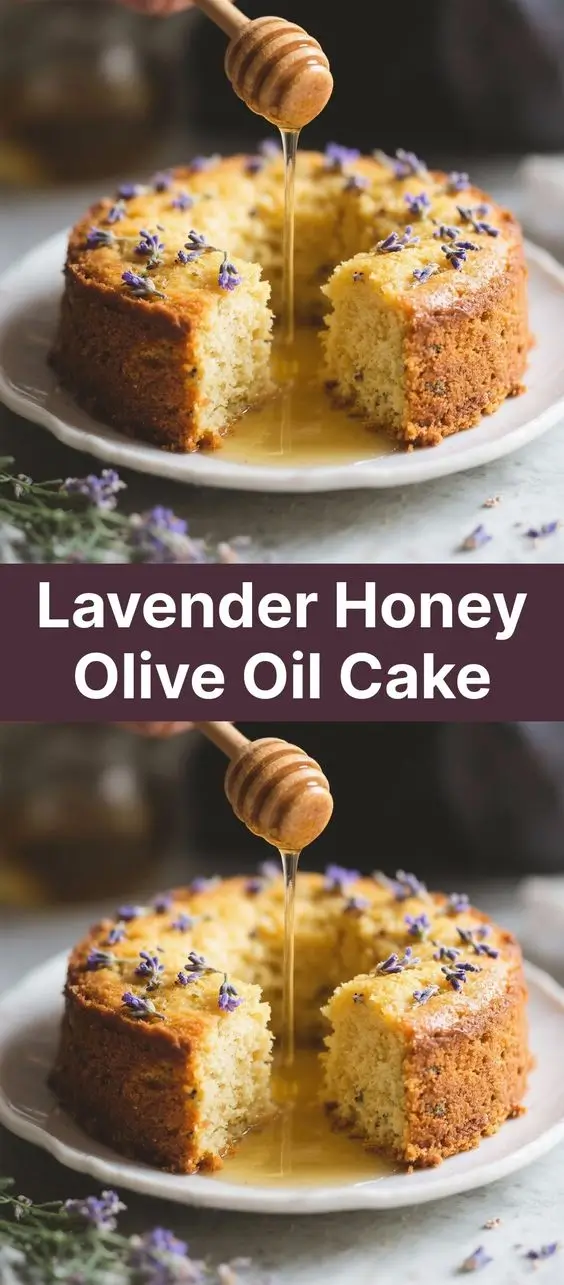
Lavender Honey Olive Oil Cake: A Fragrant Delight from the Mediterranean
The History
The origins of olive oil in baking can be traced back to ancient Mediterranean civilizations, where olive oil was a staple ingredient long before butter became popular in European kitchens. In regions like Greece, southern Italy, and Provence in France, olive oil was not only used for savory dishes but also embraced in sweet preparations due to its smooth texture and rich flavor profile. The use of honey as a natural sweetener predates refined sugar by centuries, making it a traditional choice in many old-world desserts.
Combining lavender into this culinary tradition brings a touch of Provençal elegance. Lavender has been cultivated in the hills of southern France for its aromatic properties and medicinal uses since Roman times. Its delicate floral notes began appearing in both savory rubs and desserts during the Renaissance, particularly in areas like Haute-Provence, renowned for high-quality culinary lavender. When artisan bakers started experimenting with infusing honey with dried lavender buds, the result was a naturally fragrant syrup that elevated simple cakes into luxurious treats.
The modern Lavender Honey Olive Oil Cake is a celebration of slow food traditions—where quality ingredients are honored and simplicity reigns supreme. This cake gained popularity in the early 2000s among farm-to-table chefs and home bakers seeking healthier, more flavorful alternatives to butter-based cakes. It embodies rustic charm and botanical sophistication, often served at garden parties, farmers’ markets, and fine dining brunches. Today, it stands as a symbol of mindful indulgence, marrying wellness-conscious ingredients with exquisite taste.
Ingredients Breakdown
Every ingredient in the Lavender Honey Olive Oil Cake serves a purpose—not just for flavor, but for texture, moisture, and health benefits. Let’s explore each one:
- Extra Virgin Olive Oil (½ cup): The star of the show. High-quality extra virgin olive oil provides a lush, velvety crumb and subtle fruitiness. Unlike butter, which can weigh down cakes, olive oil keeps the texture tender and moist without being greasy. Choose a mild or medium-strength EVOO with grassy or peppery notes, avoiding overly bitter oils.
- Honey (⅔ cup): Preferably raw and locally sourced, honey adds sweetness with depth. When infused with lavender, it imparts a gentle floral aroma. Honey also helps retain moisture, giving the cake a longer shelf life. Its natural acidity reacts slightly with baking soda, aiding in leavening.
- Dried Culinary Lavender (1½ teaspoons): Essential for authentic flavor. Only use food-grade lavender labeled for consumption—ornamental varieties may contain pesticides. The buds should be finely crushed before use to release their essential oils and prevent woody texture in the final product.
- All-Purpose Flour (1¾ cups): Provides structure. For a lighter texture, some bakers substitute part of the flour with cake flour. Gluten-free versions can use a 1:1 gluten-free blend, though the crumb will be slightly denser.
- Baking Powder (1½ teaspoons) & Baking Soda (½ teaspoon): These leavening agents work together—baking powder offers lift, while baking soda reacts with honey’s acidity for a tender rise.
- Salt (½ teaspoon): Balances sweetness and enhances all flavors. Sea salt or kosher salt works best.
- Eggs (3 large): At room temperature, eggs emulsify the batter, trap air for fluffiness, and contribute to the cake’s golden color and richness.
- Plain Greek Yogurt (½ cup): Adds tanginess and moisture while keeping fat content lower than using additional oil or butter. It also improves the cake’s shelf life and creates a denser yet soft crumb.
- Vanilla Extract (1 teaspoon): Pure vanilla complements the floral notes of lavender without overpowering them. Avoid artificial extracts for best results.
- Lemon Zest (from 1 lemon): Brightens the entire profile. Citrus cuts through the richness of olive oil and balances the perfume of lavender, preventing the cake from tasting too soapy.
- Milk (¼ cup, optional): Used to adjust consistency if the batter seems too thick. Whole milk or plant-based alternatives like almond or oat milk work well.
Step-by-Step Recipe
- Prepare the Lavender-Infused Honey: In a small saucepan over low heat, warm the honey with dried lavender buds for 5–7 minutes, stirring occasionally. Do not boil. Remove from heat, cover, and let steep for 20–30 minutes. Strain through a fine-mesh sieve lined with cheesecloth to remove all buds. Set aside to cool. (This step ensures even distribution of flavor without gritty bits.)
- Preheat Oven & Prepare Pan: Preheat your oven to 350°F (175°C). Grease a 9-inch round cake pan or loaf pan with olive oil and dust lightly with flour, or line with parchment paper for easy removal.
- Whisk Dry Ingredients: In a medium bowl, sift together flour, baking powder, baking soda, salt, and lemon zest. Whisk thoroughly to aerate and ensure even leavening.
- Cream Wet Ingredients: In a large mixing bowl, whisk the eggs until frothy. Add the lavender-infused honey, olive oil, Greek yogurt, and vanilla extract. Beat with a hand mixer or whisk until smooth and well combined—about 2–3 minutes. The mixture should look creamy and emulsified.
- Combine Wet and Dry: Gradually add the dry ingredients to the wet mixture, folding gently with a spatula until just incorporated. Do not overmix; stop as soon as no flour streaks remain. Overmixing activates gluten and leads to a tough cake.
- Adjust Consistency: If the batter feels too thick (like cookie dough), slowly stir in milk, one tablespoon at a time, until it reaches a pourable but not runny consistency—similar to pancake batter.
- Pour and Smooth: Transfer the batter into the prepared pan, spreading evenly with an offset spatula. Tap the pan gently on the counter to release air bubbles.
- Bake: Place in the center of the preheated oven and bake for 40–50 minutes. Begin checking at 40 minutes: insert a toothpick into the center—it should come out clean or with a few moist crumbs. The top should be golden brown and spring back when lightly pressed.
- Cool Properly: Allow the cake to cool in the pan for 15 minutes, then run a knife around the edges and invert onto a wire rack to cool completely. Cooling prevents collapse and allows flavors to settle.
- Optional Glaze: For added elegance, prepare a simple glaze by mixing ½ cup powdered sugar with 1–2 tablespoons of milk and ½ teaspoon of lavender honey. Drizzle over the cooled cake. You can also sprinkle edible dried lavender buds or lemon zest on top for visual appeal.
Tips
- Use Fresh Lavender: Old or stale lavender loses potency. Store dried buds in an airtight container away from light and heat. Crush them between your fingers before adding to release fragrance.
- Room Temperature Ingredients: Cold eggs or yogurt can cause the olive oil to seize or curdle the batter. Let everything sit out for 30 minutes before starting.
- Don’t Overbake: Olive oil cakes continue to cook slightly after removal from the oven due to retained heat. Pull it when the center still feels slightly soft—it firms up during cooling.
- Choose Mild Olive Oil: Strong, pungent oils can dominate the delicate lavender. Opt for a fruity, buttery EVOO from Spain or California.
- Let the Cake Rest: For best texture, wrap the cooled cake in beeswax wrap or store in an airtight container overnight. The moisture redistributes, enhancing tenderness.
- Double Infuse for Intensity: For stronger lavender flavor, steep the honey twice—once initially, strain, then re-steep fresh buds in the same honey.
- Use a Scale: For precision, measure flour by weight (220g) rather than volume to avoid dense results.
Variations and Customizations
The beauty of this cake lies in its adaptability. Here are inspired ways to make it your own:
- Lemon-Lavender Swirl: Add 2 tablespoons of lemon juice to the batter and swirl in extra lavender honey before baking for a marbled effect.
- Berry-Infused: Fold in 1 cup of fresh blueberries, raspberries, or blackberries. Toss them in 1 tablespoon of flour first to prevent sinking.
- Almond Flour Version: Replace half the all-purpose flour with almond flour for a nutty, keto-friendly twist (note: will be denser).
- Orange Blossom Twist: Substitute lemon zest with orange zest and use orange blossom water instead of vanilla for a Middle Eastern flair.
- Spiced Lavender: Add ½ teaspoon of ground cardamom or cinnamon for warmth, especially lovely in fall and winter months.
- Mini Cakes: Bake in a muffin tin for individual servings—reduce time to 20–25 minutes.
- Vegan Adaptation: Replace eggs with flax eggs (3 tbsp ground flaxseed + 9 tbsp water), use plant-based yogurt, and ensure honey alternative like agave or maple syrup (though true “honey” flavor will be lost).
- Olive Oil & Rosemary Savory-Sweet: Reduce sugar to ½ cup, omit honey, and add 1 tablespoon chopped fresh rosemary for a cheese course companion.
Health Considerations and Nutritional Value
Compared to traditional butter cakes, the Lavender Honey Olive Oil Cake offers several nutritional advantages:
- Heart-Healthy Fats: Extra virgin olive oil is rich in monounsaturated fats and antioxidants like polyphenols, which support cardiovascular health and reduce inflammation.
- Natural Sweeteners: Honey contains trace enzymes, vitamins, and minerals. While still a sugar, it has a lower glycemic index than white sugar and offers antimicrobial properties.
- Probiotics: Greek yogurt contributes beneficial bacteria for gut health, along with protein and calcium.
- No Trans Fats: Unlike shortening or margarine, olive oil contains zero trans fats.
- Antioxidant-Rich Lavender: Culinary lavender contains linalool and linalyl acetate, compounds studied for calming effects and antioxidant activity.
That said, moderation is key. This cake still contains carbohydrates and natural sugars. A typical slice (1/8 of cake) contains approximately:
| Nutrient | Amount per Slice |
|---|---|
| Calories | 280–320 |
| Total Fat | 16–18g |
| Saturated Fat | 3–4g |
| Carbohydrates | 38–42g |
| Sugars | 22–26g (mostly natural) |
| Protein | 5–6g |
| Fiber | 1–2g |
| Sodium | 180–220mg |
Note: Values vary based on substitutions and exact ingredients used. For diabetics, consider reducing honey and using a monk fruit-honey blend. Always consult dietary needs with a healthcare provider.
Ingredients
- ½ cup high-quality extra virgin olive oil, plus extra for greasing
- ⅔ cup raw honey
- 1½ teaspoons dried culinary lavender buds
- 1¾ cups all-purpose flour (or 220g by weight)
- 1½ teaspoons baking powder
- ½ teaspoon baking soda
- ½ teaspoon fine sea salt
- Zest of 1 lemon
- 3 large eggs, room temperature
- ½ cup plain Greek yogurt
- 1 teaspoon pure vanilla extract
- ¼ cup milk (optional, for thinning)
Directions
- In a small saucepan, gently warm honey and lavender over low heat for 5–7 minutes. Remove from heat, cover, and steep for 30 minutes. Strain and cool.
- Preheat oven to 350°F (175°C). Grease and flour a 9-inch round or loaf pan.
- Sift flour, baking powder, baking soda, salt, and lemon zest into a bowl. Whisk to combine.
- In a large bowl, whisk eggs until fluffy. Add lavender honey, olive oil, yogurt, and vanilla. Beat until smooth and emulsified.
- Gradually fold dry ingredients into wet mixture until just combined. Add milk if needed for proper consistency.
- Pour batter into prepared pan and smooth the top.
- Bake 40–50 minutes, until golden and a toothpick comes out clean.
- Cool in pan 15 minutes, then transfer to a wire rack. Glaze if desired.
- Serve at room temperature, ideally the next day for optimal texture.
FAQ
- Can I use fresh lavender instead of dried?
- No—fresh lavender contains too much moisture and is far less concentrated in flavor. Dried culinary lavender is ideal for baking.
- Is lavender safe to eat?
- Yes, but only food-grade lavender. Avoid florist or garden-center varieties unless labeled edible.
- Why did my cake turn out dense?
- Overmixing, expired leavening agents, cold ingredients, or too much flour can cause density. Measure accurately and mix gently.
- Can I freeze this cake?
- Yes! Wrap tightly in plastic and foil. Freeze for up to 3 months. Thaw at room temperature.
- How long does it keep?
- Store in an airtight container at room temperature for 3–4 days, or refrigerate for up to 1 week.
- Can I omit the yogurt?
- You can replace it with sour cream or applesauce, but yogurt contributes the best balance of tang and moisture.
- What if I don’t like the taste of olive oil?
- Try a very mild, buttery-tasting olive oil. Alternatively, substitute half with avocado oil for neutrality.
Summary
The Lavender Honey Olive Oil Cake is a harmonious fusion of Mediterranean tradition and modern wellness, featuring heart-healthy fats, natural sweetness, and aromatic floral notes.
With its moist crumb, delicate fragrance, and endless customization options, it’s a timeless dessert that delights the senses and nourishes the soul.