Korean Beef Bowls
Introduction
Korean Beef Bowls are a delicious fusion of traditional Korean flavors and modern American-style bowl meals. Inspired by the beloved Korean dish, bulgogi (marinated grilled beef), these bowls bring together savory, sweet, and umami-rich flavors in a convenient, customizable format. Whether you’re a fan of Korean cuisine or simply looking for a quick and tasty meal, Korean Beef Bowls are a perfect choice for any day of the week.
The History
The origins of Korean Beef Bowls can be traced back to the growing popularity of Korean food in the West, particularly in the United States. As Korean barbecue gained traction in the late 20th and early 21st centuries, chefs and home cooks alike began adapting traditional dishes into more approachable, bowl-style formats. The result was a creative and satisfying meal that retained the essence of Korean flavors while being easy to eat and customize. Today, Korean Beef Bowls are a staple in many fast-casual restaurants and home kitchens, especially among health-conscious eaters and foodies looking for bold flavors.
Ingredients Breakdown
The beauty of Korean Beef Bowls lies in their versatility and the balance of textures and flavors. Here’s a breakdown of the key components:
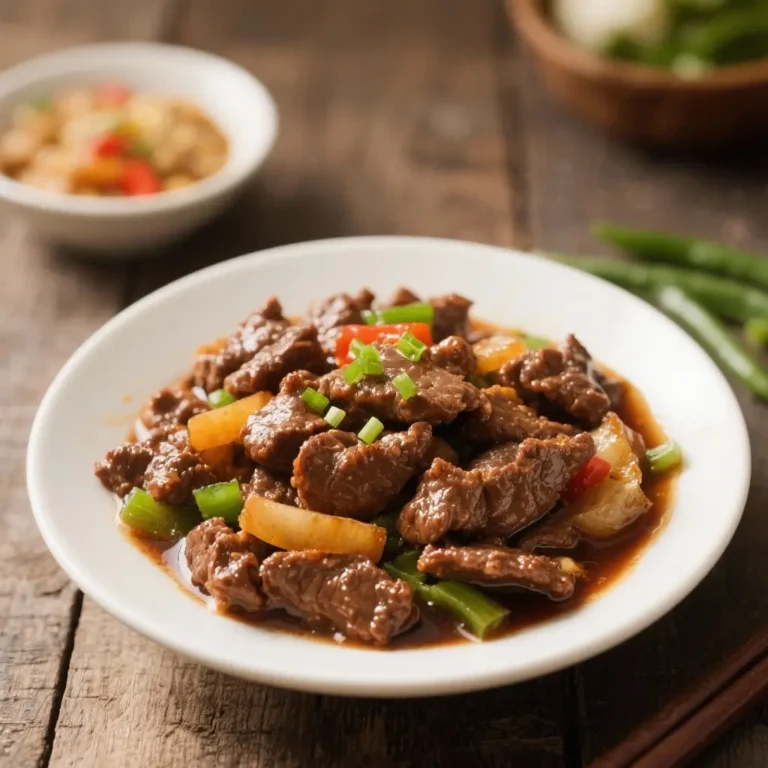
- Protein: Thinly sliced ribeye or sirloin beef, marinated in a sweet and savory sauce.
- Base: Steamed white or brown rice, quinoa, or cauliflower rice for a low-carb option.
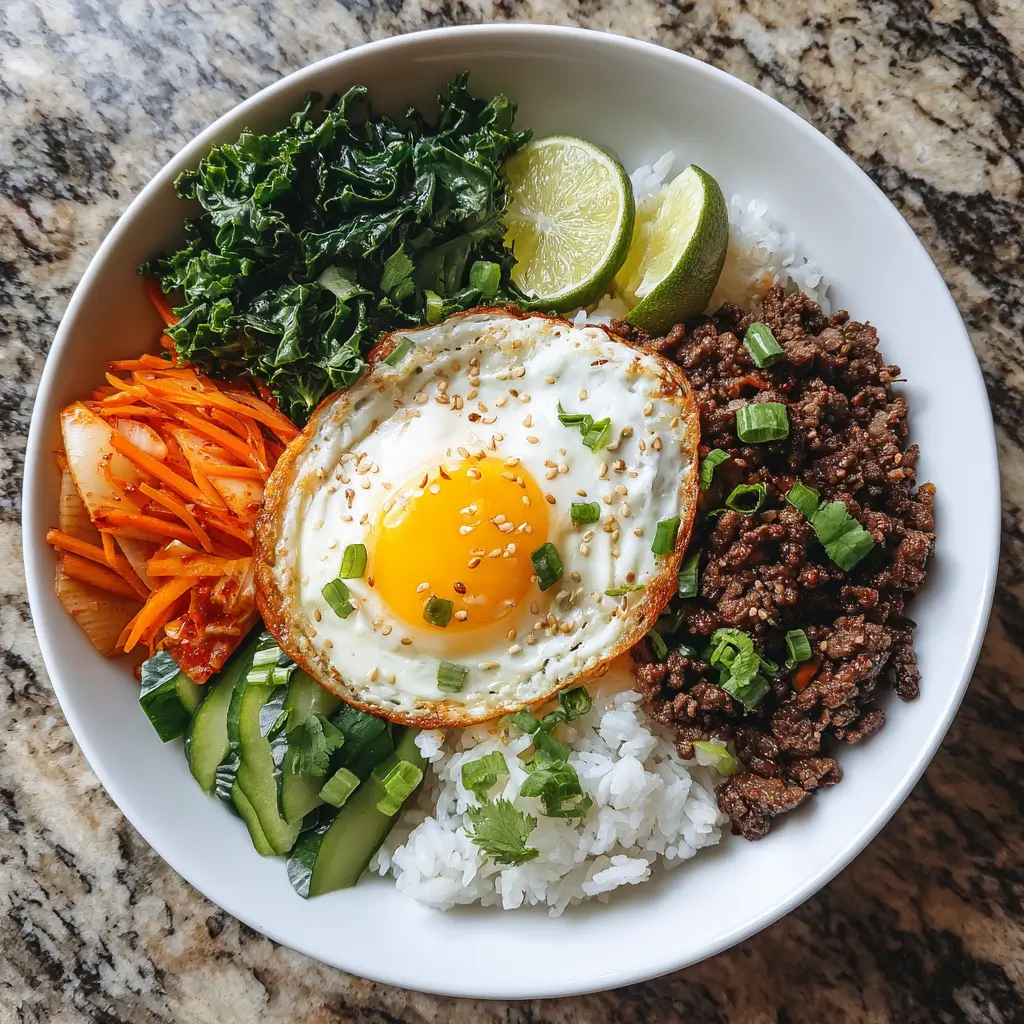
- Veggies: A colorful mix of vegetables like carrots, cucumbers, bell peppers, spinach, and kimchi.
- Marinade: Soy sauce, gochujang (Korean chili paste), garlic, sesame oil, honey or sugar, and ginger.
- Toppings: Sesame seeds, green onions, fried egg, avocado, and spicy gochujang mayo.
Step-by-Step Recipe
- Prepare the Marinade: In a bowl, mix 1/4 cup soy sauce, 2 tablespoons gochujang, 1 tablespoon sesame oil, 1 tablespoon honey, 2 minced garlic cloves, 1 teaspoon grated ginger, and a splash of rice vinegar.
- Marinate the Beef: Add 1 lb of thinly sliced beef to the marinade and let it sit for at least 30 minutes (or overnight in the fridge).
- Cook the Beef: Heat a skillet or grill pan over medium-high heat. Cook the beef in batches until browned and cooked through, about 3–4 minutes per batch.
- Cook the Base: Prepare 2 cups of rice or quinoa according to package instructions.
- Prepare the Veggies: Julienne carrots, thinly slice cucumbers and bell peppers, and sauté or steam spinach until wilted.
- Assemble the Bowl: Start with a base of rice, add cooked beef, veggies, and your favorite toppings like kimchi, sesame seeds, and a fried egg.
Tips
- For the best texture, slice the beef against the grain when preparing it.
- If you’re short on time, use pre-sliced beef from the grocery store or marinate the beef the night before.
- Use a cast-iron skillet for a smoky char flavor similar to Korean barbecue.
- To save time, cook a large batch of rice or quinoa at the start of the week.
- Add a splash of rice vinegar to the marinade for a brighter flavor.
Variations and Customizations
Korean Beef Bowls are incredibly versatile. Here are some creative ways to switch things up:
- Protein Swap: Substitute beef with chicken, tofu, or shrimp for a different twist.
- Low-Carb Base: Use cauliflower rice or a bed of mixed greens instead of regular rice.
- Spice Level: Adjust the amount of gochujang or add chopped fresh chili for more heat.
- Global Fusion: Add ingredients like mango, avocado, or even teriyaki sauce for a tropical or Japanese-inspired version.
- Meal Prep: Prepare all components ahead of time and store them separately for quick assembly during the week.
Health Considerations and Nutritional Value
Korean Beef Bowls can be a healthy and balanced meal when made with lean proteins, whole grains, and plenty of vegetables. Here’s a general nutritional breakdown for a standard serving:
- Calories: ~450–600 kcal per serving
- Protein: ~25–30g from beef and optional egg or tofu
- Carbs: ~40–50g depending on the base used
- Fats: ~10–15g, mostly from sesame oil and beef fat
For a healthier version, use brown rice or quinoa, lean cuts of beef, and increase the amount of non-starchy vegetables. Kimchi adds probiotics and fiber, while a fried egg boosts protein and healthy fats. Avoid excessive sugar in the marinade by using natural sweeteners like honey or maple syrup in moderation.
Ingredients
- 1 lb thinly sliced ribeye or sirloin beef
- 1/4 cup soy sauce
- 2 tablespoons gochujang (Korean chili paste)
- 1 tablespoon sesame oil
- 1 tablespoon honey or brown sugar
- 2 cloves garlic, minced
- 1 teaspoon grated ginger
- 1–2 tablespoons water or rice vinegar (optional)
- 2 cups cooked rice or quinoa
- 1 carrot, julienned
- 1/2 cucumber, thinly sliced
- 1/2 red bell pepper, sliced
- 1 cup spinach, sautéed or steamed
- Kimchi (optional)
- 1 fried egg per serving (optional)
- Sesame seeds and chopped green onions for garnish
Directions
- In a large bowl, combine soy sauce, gochujang, sesame oil, honey, garlic, ginger, and water or rice vinegar. Mix well.
- Add the sliced beef to the marinade and toss to coat. Let it marinate for at least 30 minutes or up to 24 hours in the fridge.
- Cook the rice or quinoa according to package instructions.
- Heat a skillet or grill pan over medium-high heat. Add a small amount of oil if needed.
- Cook the beef in batches for 2–3 minutes per side, until browned and cooked through. Remove and set aside.
- Prepare all the vegetables and set aside.
- Assemble each bowl with a base of rice, topped with beef, veggies, kimchi, a fried egg (if desired), and garnished with sesame seeds and green onions.
FAQ
Can I use frozen vegetables?
Yes, you can use frozen vegetables in a pinch, but fresh or lightly sautéed veggies offer a better texture and flavor.
Is gochujang necessary?
Gochujang is a key ingredient for authentic Korean flavor. If unavailable, you can substitute with a mix of miso paste and chili sauce, though the flavor will differ slightly.
Can I make this dish ahead of time?
Yes! You can prep the beef, rice, and vegetables separately and store them in the fridge for up to 3–4 days. Assemble just before eating for the best texture.
How can I make this dish spicier?
Increase the amount of gochujang or add a spoonful of gochugaru (Korean chili flakes) to the marinade. You can also drizzle extra spicy gochujang sauce over the finished bowl.