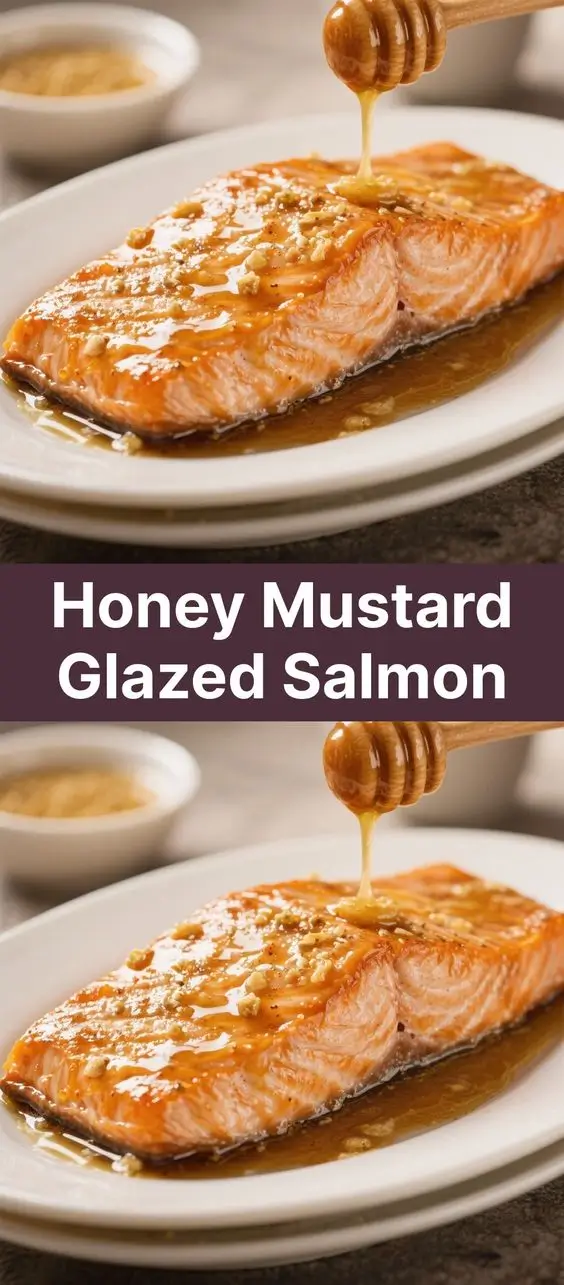
Honey Mustard Glazed Salmon: A Perfect Harmony of Sweet and Savory
There are few dishes that manage to balance elegance, simplicity, and bold flavor quite like honey mustard glazed salmon. Whether you’re preparing a weeknight dinner or hosting a weekend brunch, this dish stands out as a nutritious and delicious option that delights both seasoned food lovers and casual home cooks alike. The rich, buttery texture of salmon pairs exquisitely with the tangy-sweet notes of a homemade honey mustard glaze, creating a culinary experience that’s hard to resist.
The History Behind the Dish
The combination of salmon and mustard has roots that stretch back centuries across various cultures. In Nordic and Scandinavian traditions, salmon has long been preserved using brines and smoke, often served with pungent condiments like mustard to cut through its richness. Meanwhile, honey has been used globally since ancient times—not only as a natural sweetener but also for its preservative qualities and health benefits.
The fusion of these two ingredients into what we now know as honey mustard glaze began gaining popularity in North American cuisine during the mid-20th century. As convenience foods rose in demand, bottled honey mustard dressings became pantry staples. However, it wasn’t until the 1980s and ’90s—when gourmet home cooking became more accessible—that chefs and home cooks started crafting elevated versions from scratch, pairing them with proteins like chicken, pork, and especially salmon.
Today, honey mustard glazed salmon is celebrated not just for its delectable taste but also for its adaptability. It appears on restaurant menus from fine dining establishments to casual bistros and remains a favorite among health-conscious eaters due to the nutritional profile of both key components: wild-caught salmon and natural honey.
Ingredients Breakdown: What Makes This Dish Shine?
The beauty of honey mustard glazed salmon lies in its simplicity and quality of ingredients. Each component plays a vital role in building layers of flavor and texture. Here’s a detailed look at each ingredient and why it matters:
- Salmon Fillets (skin-on preferred): Opt for fresh, wild-caught Atlantic or sockeye salmon if possible. Wild salmon contains higher levels of omega-3 fatty acids and has a firmer texture than farmed alternatives. The skin helps protect the delicate flesh during cooking and crisps up beautifully when seared.
- Honey: Raw, unfiltered honey brings natural sweetness and floral complexity. Its viscosity also contributes to the glossy finish of the glaze. Avoid overly processed honey, which may lack depth of flavor.
- Dijon Mustard: This French-style mustard offers a smooth yet sharp tanginess that cuts through the fat in salmon. It emulsifies well with other liquids and enhances the overall mouthfeel of the glaze.
- Whole Grain Mustard: Adds texture and bursts of earthy, slightly spicy flavor. The visible seeds give the glaze visual appeal and a rustic character.
- Fresh Garlic (minced): Provides aromatic depth and warmth. Fresh garlic is always preferable over powdered forms for maximum impact.
- Lemon Juice (freshly squeezed): Brightens the entire dish, balancing sweetness with acidity. Lemon also aids in tenderizing the fish slightly and boosts antioxidant content.
- Olive Oil: Used both in the glaze and for searing, extra virgin olive oil adds heart-healthy monounsaturated fats and promotes browning.
- Soy Sauce or Tamari: Introduces umami and saltiness without overpowering. For gluten-free diets, tamari is an excellent substitute.
- Smoked Paprika (optional): Imparts a subtle smokiness that complements the richness of salmon, enhancing the grilled or roasted effect even when baked.
- Salt and Black Pepper (to taste): Essential seasonings that elevate all other flavors.
- Fresh Herbs (such as dill or parsley, chopped): Used as garnish, they add freshness and color contrast.
Step-by-Step Recipe: How to Make Honey Mustard Glazed Salmon at Home
Follow these detailed instructions to create a perfectly cooked honey mustard glazed salmon every time. This method works equally well for baking, broiling, pan-searing, or grilling.
Preparation Time:
15 minutes
Cooking Time:
12–18 minutes (depending on thickness)
Total Time:
Approximately 30 minutes
Servings:
4 people
Ingredients
- 4 salmon fillets (about 6 oz each, skin-on preferred)
- 1/3 cup honey (preferably raw)
- 2 tablespoons Dijon mustard
- 1 tablespoon whole grain mustard
- 2 cloves garlic, minced
- 2 tablespoons fresh lemon juice (about half a lemon)
- 1 tablespoon olive oil (plus more for greasing or searing)
- 1 tablespoon low-sodium soy sauce or tamari
- 1/2 teaspoon smoked paprika (optional)
- Salt and freshly ground black pepper, to taste
- Fresh dill or parsley, chopped (for garnish)
- Lemon slices (for serving)
Directions
- Preheat the Oven (if baking): If you’re baking the salmon, preheat your oven to 400°F (200°C). Line a baking sheet with parchment paper or lightly grease it with olive oil to prevent sticking.
- Prepare the Salmon: Pat the salmon fillets dry with paper towels. This step is crucial—it ensures better browning and prevents steaming. Place the fillets skin-side down on the prepared baking sheet or in a skillet if pan-searing.
- Season the Fish: Lightly season both sides of the salmon with salt and pepper. Be gentle; salmon is delicate and can flake easily.
- Make the Honey Mustard Glaze: In a small bowl, whisk together the honey, Dijon mustard, whole grain mustard, minced garlic, lemon juice, olive oil, soy sauce, and smoked paprika (if using). Stir until completely smooth and emulsified. Taste and adjust seasoning—you might want a touch more lemon for brightness or honey for sweetness depending on your preference.
- Apply the First Coat of Glaze: Brush about half of the glaze evenly over the top of each salmon fillet, making sure to cover the surface completely. Reserve the remaining glaze for later use.
- Cook the Salmon: You have several options here:
- Baking: Bake in the preheated oven for 12–15 minutes, or until the internal temperature reaches 125–130°F (52–54°C) for medium-rare, or up to 145°F (63°C) for well-done according to FDA guidelines. Baste with the reserved glaze halfway through.
- Pan-Searing: Heat 1 tablespoon of olive oil in an oven-safe skillet over medium-high heat. Sear the salmon skin-side down for 4–5 minutes until golden and crisp. Flip carefully, brush with glaze, then transfer the skillet to the oven and bake for 6–8 minutes.
- Grilling: Preheat the grill to medium-high. Oil the grates well. Grill salmon skin-side down for 5–7 minutes, baste with glaze, then flip and cook for another 3–4 minutes.
- Broiling: Place the glazed salmon under the broiler for 6–8 minutes, watching closely to avoid burning the honey-based glaze.
- Rest and Garnish: Remove the salmon from heat and let it rest for 3–5 minutes. This allows juices to redistribute, ensuring moist, tender flakes. Drizzle with any leftover warm glaze, sprinkle with fresh herbs, and serve with lemon wedges on the side.
Tips for Success: Mastering Your Glazed Salmon
- Don’t Overcook the Salmon: One of the most common mistakes is overcooking salmon, resulting in dry, chalky flesh. Remember that salmon continues to cook slightly after removal from heat due to carryover cooking. Aim for slightly underdone if you prefer moist results.
- Use a Meat Thermometer: Insert it into the thickest part of the fillet. For optimal texture, pull the salmon out at around 125°F (52°C); residual heat will bring it to 135°F (57°C), ideal for medium doneness.
- Watch the Glaze While Cooking: Honey burns easily. When broiling or grilling, keep a close eye during the final minutes. If the glaze starts to char too quickly, tent loosely with foil.
- Room Temperature Start: Letting the salmon sit at room temperature for 10–15 minutes before cooking helps it cook more evenly.
- Skin Crisp Tip: For ultra-crispy skin, pat the skin very dry and place it directly onto a hot oiled surface without moving it until ready to flip.
- Double the Glaze: If you love extra sauce for drizzling or dipping, consider doubling the glaze recipe. Leftovers can be stored and used within a week on salads, sandwiches, or roasted vegetables.
Variations and Customizations
Honey mustard glazed salmon is incredibly versatile. With minor tweaks, you can transform it into different global-inspired dishes or accommodate dietary needs. Here are some creative variations:
- Spicy Honey Mustard Salmon: Add 1/2 teaspoon crushed red pepper flakes or 1 tablespoon sriracha to the glaze for a fiery kick.
- Maple-Dijon Twist: Replace half the honey with pure maple syrup for a deeper, autumnal flavor profile.
- Herb-Infused Glaze: Stir in 1 teaspoon of dried thyme, tarragon, or herbes de Provence for an aromatic enhancement.
- Asian-Inspired Version: Substitute soy sauce with coconut aminos, add 1 teaspoon grated ginger, and finish with sesame seeds and green onions.
- Citrus Variants: Swap lemon juice for orange or lime juice. Orange pairs particularly well with honey, adding a juicy sweetness.
- Dairy-Free & Vegan Option (for the glaze): While salmon itself isn’t vegan, this glaze works wonderfully on tofu steaks or portobello mushrooms for plant-based meals.
- Low-Sugar Adaptation: Use sugar-free maple-flavored syrup or monk fruit sweetener blended with a thickener like xanthan gum to mimic honey’s consistency for keto-friendly diets.
- Almond-Crusted Salmon: After glazing, press slivered almonds onto the surface before baking for added crunch and healthy fats.
Health Considerations and Nutritional Value
Honey mustard glazed salmon isn’t just delicious—it’s packed with nutrients essential for long-term wellness. Let’s break down the health benefits of its core ingredients:
Nutritional Highlights per Serving (approx. 6 oz salmon + full glaze):
- Calories: ~380 kcal
- Protein: ~34g – supports muscle repair, satiety, and metabolic function
- Fat: ~22g – primarily heart-healthy unsaturated fats, including omega-3s
- Omega-3 Fatty Acids: ~2,000–2,500 mg – reduces inflammation, supports brain and cardiovascular health
- Honey: Natural sugars (~15g per serving), antioxidants, trace enzymes, and antibacterial properties
- Mustard: Low in calories, contains selenium and glucosinolates (potential anti-cancer compounds)
- Garlic: Allicin-rich, known for immune-boosting and cholesterol-lowering effects
- Lemon Juice: High in vitamin C and citric acid, aiding iron absorption and digestion
Health Benefits Summary:
- Heart Health: Omega-3s in salmon reduce triglycerides, lower blood pressure, and decrease risk of arrhythmias.
- Brain Function: Regular consumption of fatty fish is linked to reduced cognitive decline and improved mood regulation.
- Anti-Inflammatory Effects: The synergy between omega-3s, antioxidants in honey, and polyphenols in olive oil combats chronic inflammation.
- Balanced Energy: The protein-fat-carbohydrate ratio provides sustained energy without spiking insulin excessively.
Dietary Notes:
- Gluten-Free: Use tamari instead of soy sauce to make this dish gluten-free.
- Keto-Friendly (with modification): Reduce honey amount or replace with low-carb alternative.
- Pescatarian Approved: Naturally fits within pescatarian lifestyles.
- Diabetic Considerations: Monitor portion size due to natural sugars in honey. Pair with high-fiber sides like quinoa or roasted broccoli to mitigate glycemic response.
Frequently Asked Questions (FAQ)
Can I make the honey mustard glaze ahead of time?
Absolutely! Prepare the glaze up to 5 days in advance and store it in an airtight container in the refrigerator. Let it come to room temperature or gently warm before using to restore fluidity.
Is it safe to eat slightly pink salmon?
Yes. Properly handled and cooked salmon should be opaque and flake easily with a fork. The center may remain slightly translucent pink—that’s normal and indicates moisture retention. As long as it reaches at least 125°F internally and smells fresh (not fishy), it’s safe to consume.
Can I freeze honey mustard glazed salmon?
You can freeze cooked salmon for up to 3 months, though texture may degrade slightly upon thawing. For best results, freeze unglazed portions and apply the glaze fresh after reheating. Reheat slowly in the oven at 275°F until warmed through.
What sides go well with honey mustard salmon?
Excellent pairings include:
- Roasted asparagus or Brussels sprouts
- Quinoa, brown rice, or wild rice pilaf
- Steamed green beans with almonds
- Mixed greens salad with vinaigrette
- Mashed sweet potatoes or cauliflower
- Crusty whole-grain bread
Why did my glaze burn?
Honey caramelizes and burns quickly at high temperatures. To prevent this, avoid setting your oven above 400°F unless finishing briefly under the broiler. Also, baste later in the cooking process rather than at the beginning.
Can I use frozen salmon?
Yes, but ensure it’s fully thawed in the refrigerator overnight before cooking. Cooking frozen salmon leads to uneven texture and excess moisture release.
Is wild salmon better than farmed?
Wild salmon generally has fewer contaminants, less saturated fat, and more omega-3s. Farmed salmon can contain antibiotics and higher PCB levels depending on sourcing. Look for sustainably farmed options certified by organizations like ASC or Seafood Watch.
Summary
Honey mustard glazed salmon combines the luxurious richness of salmon with a vibrant, sweet-tangy glaze made from wholesome ingredients, offering a restaurant-quality meal that’s simple enough for everyday cooking.
Packed with essential nutrients, adaptable to numerous diets, and bursting with flavor, this dish earns its place as a modern classic in healthy, gourmet home cooking.