Introduction
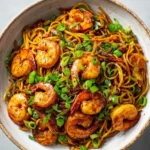
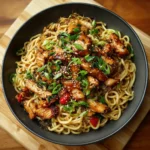
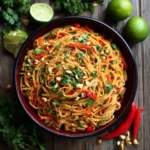
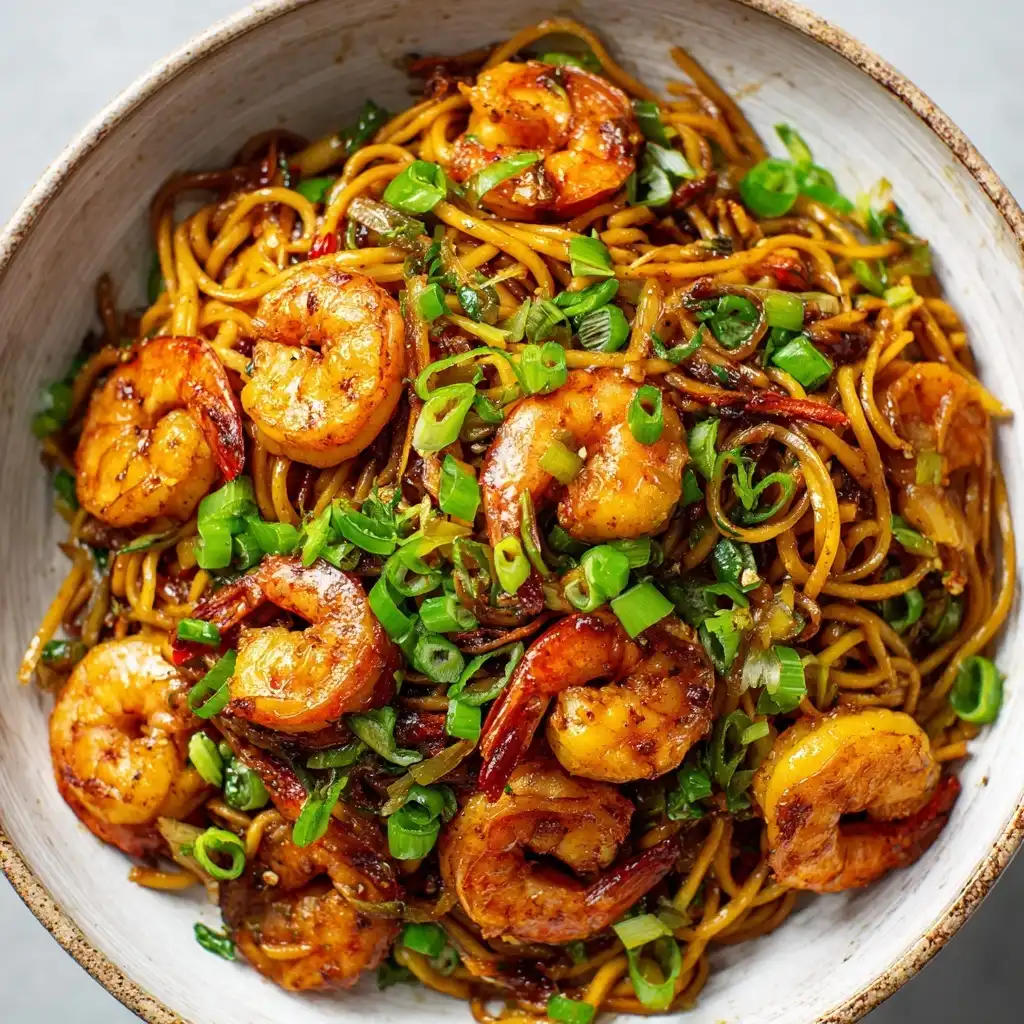
Honey Garlic Shrimp Lo Mein is a beloved fusion dish that masterfully bridges the bold, umami-rich traditions of Chinese stir-fry cuisine with the sweet-savory comfort of American-Asian home cooking. Unlike traditional lo mein—which emphasizes chewy wheat noodles tossed in a light soy-based sauce—this elevated version features plump, succulent shrimp glazed in a glossy, deeply aromatic honey-garlic reduction, then folded into tender-crisp vegetables and springy egg noodles. It’s a restaurant-quality meal that’s surprisingly approachable for weeknight cooking: vibrant, balanced, deeply flavorful, and endlessly adaptable. Whether you’re seeking a quick dinner solution, a crowd-pleasing centerpiece for family gatherings, or a versatile base for dietary customization (gluten-free, low-carb, keto-friendly, or plant-based alternatives), Honey Garlic Shrimp Lo Mein delivers on taste, texture, and satisfaction—all while coming together in under 30 minutes from prep to plate.
The History
Lo mein—literally “tossed noodles” in Cantonese—originated in southern China as a simple, economical way to repurpose leftover boiled noodles with available proteins and vegetables, bound by a light, savory sauce. As Chinese immigrants settled across North America in the late 19th and early 20th centuries, regional adaptations emerged to suit local palates and ingredient availability. The “American-Chinese” culinary canon was born—not as imitation, but as creative evolution. Dishes like chop suey, chow mein, and eventually lo mein were reimagined with sweeter, thicker, more robust sauces; increased use of cornstarch for glossy viscosity; and proteins like shrimp, which became widely accessible along coastal U.S. regions. The honey-garlic flavor profile gained prominence in the mid-to-late 20th century, influenced by both Southeast Asian condiment traditions (e.g., Thai sweet chili and Vietnamese nuoc cham inflections) and the growing popularity of honey as a natural, pantry-staple sweetener in American kitchens. By the 1980s and ’90s, honey garlic sauce appeared on menus nationwide—from suburban takeout counters to upscale pan-Asian bistros—and soon found its perfect vehicle in lo mein. Today, Honey Garlic Shrimp Lo Mein stands as a testament to culinary hybridity: honoring Chinese noodle craftsmanship while embracing global sweetness, modern convenience, and the universal love of perfectly seared seafood.
Ingredients Breakdown
Every exceptional Honey Garlic Shrimp Lo Mein begins with intentional, high-quality components—each playing a distinct sensory and functional role:
- Shrimp: Large (26/30 or 31/40 count), peeled and deveined, preferably wild-caught Gulf or Pacific shrimp for superior sweetness and firm texture. Patting dry ensures optimal sear—not steam—and prevents sauce dilution.
- Noodles: Traditional lo mein noodles (fresh or refrigerated wheat-based egg noodles) offer ideal chew and sauce adhesion. Alternatives include dried ramen (rinsed and oiled), udon (for extra heartiness), or gluten-free brown rice noodles (soaked per package instructions). Avoid spaghetti unless necessary—it lacks the alkaline bite and surface grip crucial for lo mein authenticity.
- Aromatics: Fresh garlic (minced, not powdered) provides pungent depth; ginger (finely grated or julienned) adds bright, citrusy heat; and green onions (both white and green parts) contribute layered allium sweetness and fresh finish.
- Sauce Base: Low-sodium soy sauce balances salt without overpowering; oyster sauce (vegetarian versions available) imparts velvety umami and body; rice vinegar lends subtle tang to cut richness; and toasted sesame oil—added at the end—unlocks nutty, complex fragrance.
- Sweetener & Glaze: Raw, unfiltered honey (not processed clover-only) offers enzymatic complexity and gentle floral notes. Its natural fructose content caramelizes beautifully during high-heat tossing. A small splash of maple syrup can be substituted for nuanced earthiness—or molasses for deeper, smokier sweetness in winter variations.
- Vegetables: A triad of color, crunch, and nutrition: crisp bok choy (stems and leaves separated for staggered cooking), vibrant bell peppers (red/yellow/orange for sweetness and vitamin C), and slender snow peas (blanched or quickly stir-fried for bright green pop). Optional additions: shredded carrots, sliced shiitake mushrooms, baby corn, or water chestnuts for textural contrast.
- Thickener: Cornstarch slurry (cornstarch + cold water) creates the signature clingy, lacquered sheen without gumminess. Arrowroot powder works equally well for paleo or grain-free needs and yields a clearer, more delicate glaze.
- Finishing Touches: Toasted sesame seeds (white or black), crushed roasted peanuts or cashews, and a final drizzle of chili oil or sriracha for optional heat. Lime wedges on the side invite acidity balance—a nod to Vietnamese and Thai interpretations.
Step-by-Step Recipe
- Prep All Ingredients (Mise en Place): This is non-negotiable. Slice bell peppers into thin 2-inch strips; separate bok choy stems (chop into 1-inch pieces) and leaves (roughly torn); julienne ginger; mince 4–5 garlic cloves; slice green onions diagonally; peel and devein shrimp; pat *very* dry with paper towels; cook noodles according to package directions (al dente—1 minute less than recommended), rinse under cold water, toss with 1 tsp neutral oil (e.g., peanut or grapeseed) to prevent sticking, and set aside.
- Make the Sauce: In a small bowl, whisk together ¼ cup low-sodium soy sauce, 2 tbsp oyster sauce, 2 tbsp honey, 1 tbsp rice vinegar, 1 tsp toasted sesame oil, ½ tsp white pepper, and ¼ tsp red pepper flakes (optional). Set aside. In a separate ramekin, mix 1½ tsp cornstarch with 1 tbsp cold water until fully dissolved—this is your slurry.
- Blanch or Quick-Sauté Greens: Bring 2 quarts water to boil. Add bok choy stems and snow peas; blanch 60 seconds. Drain, rinse under cold water, and drain thoroughly. (Alternatively, heat 1 tsp oil in wok over high heat, add stems and peas, stir-fry 1½ minutes until bright green and slightly tender-crisp.) Set aside with leaves.
- Wok-Heat & Sear Shrimp: Heat wok or heavy-bottomed skillet over highest possible heat until smoking lightly. Add 1½ tbsp neutral oil. When shimmering, add shrimp in single layer—do not crowd. Cook 1–1.5 minutes per side until opaque and lightly golden at edges. Remove immediately to a clean plate—do not let residual heat overcook.
- Build Flavor Base: Reduce heat to medium-high. Add 1 tsp oil if needed. Swirl in ginger and white parts of green onions; stir 15 seconds until fragrant. Add minced garlic; stir constantly 20–30 seconds—just until golden, never browned (bitterness risk).
- Combine & Glaze: Return shrimp to wok. Pour in prepared sauce. Stir constantly 30 seconds to coat. Add cornstarch slurry. Continue stirring vigorously 60–90 seconds as sauce thickens, bubbles, and turns glossy—coating shrimp and aromatics evenly. Reduce heat to medium if boiling too aggressively.
- Integrate Noodles & Veggies: Add cooked, oiled noodles and blanched bok choy (stems first, then leaves). Using two utensils (chopsticks + tongs or two spoons), gently toss and fold—lifting and turning rather than stirring—to evenly distribute sauce without breaking noodles. Toss 2–3 minutes until noodles are heated through and fully glistening. If too dry, add 1 tsp warm broth or water; if too wet, cook 30 seconds longer.
- Final Seasoning & Garnish: Taste and adjust: a pinch of sugar if too sharp, splash of vinegar if too cloying, dash of soy if too bland. Remove from heat. Fold in reserved green onion tops and a final ½ tsp toasted sesame oil. Transfer to warmed serving platter or individual bowls.
Tips
- Dry Shrimp = Better Sear: Excess moisture causes steaming instead of caramelization. After peeling/deveining, lay shrimp on triple-layered paper towels, press gently, and refrigerate uncovered 10 minutes before cooking.
- Wok Hei Is Key: That elusive “breath of the wok”—the smoky, charred nuance—is achieved only with extreme heat and swift movement. Preheat wok until wisps of smoke rise, then work quickly. Electric stovetops benefit from a seasoned carbon steel wok and patience.
- Noodle Texture Matters: Overcooked noodles turn mushy and absorb too much sauce. Always undercook by 1 minute, rinse in cold water to halt cooking, and coat with oil to preserve springiness.
- Garlic Timing Prevents Bitterness: Add garlic *after* ginger and *just before* liquid. It cooks in seconds—golden is ideal; brown is acrid.
- Sauce Thickens Off-Heat: Cornstarch reaches full thickness 1–2 minutes after removing from flame. Let rest 1 minute before serving for optimal cling.
- Double the Sauce? Not Always: Extra sauce makes noodles soggy. If doubling the recipe, increase thickener proportionally—but keep sauce volume identical per batch.
- Resist Over-Stirring: Folding > stirring preserves noodle integrity and encourages even glazing. Use upward lifting motions.
- Prep Ahead Smartly: Sauce, slurry, and vegetable cuts can be made up to 2 days ahead and refrigerated. Shrimp should be prepped same-day for food safety and texture.
- Rest Before Serving: Let plated lo mein sit 2 minutes—allows sauce to settle into nooks and enhances mouthfeel.
- Leftovers Reheat Well: Gently steam or microwave with 1 tsp water covered, stirring halfway. Avoid prolonged reheating—shrimp toughens.
Variations and Customizations
This recipe is a canvas—designed for creativity, dietary alignment, and seasonal inspiration:
- Protein Swaps: Chicken breast (thinly sliced, velveting optional), flank steak (marinated 30 min in 1 tsp soy + 1 tsp rice wine + ½ tsp cornstarch), firm tofu (extra-firm, pressed & pan-seared), or tempeh (steamed then marinated). For pescatarians: scallops or squid rings (cook 30 sec max).
- Vegetable Rotations: Asparagus (blanched), broccoli florets (roasted for nuttiness), zucchini ribbons (raw or lightly sautéed), kimchi (added at end for funk), or charred corn kernels (summer twist). Swap bok choy for napa cabbage or Swiss chard.
- Noodle Alternatives: Shirataki (zero-calorie, rinsed well), soba (buckwheat—adds earthy depth), glass noodles (mung bean—soak 15 min), or spiralized zucchini/konjac (low-carb “zoodles”). Adjust cook times accordingly.
- Sauce Twists:
- Spicy Honey Garlic: Add 1 tbsp gochujang + 1 tsp lime zest
- Umami Bomb: Replace 1 tbsp soy with mushroom soy sauce + 1 tsp nutritional yeast
- Citrus Bright: Substitute rice vinegar with yuzu juice + orange zest
- Smoky Depth: Dash of liquid smoke + smoked paprika (¼ tsp)
- Herbal Freshness: Finish with chopped cilantro, Thai basil, or mint
- Dietary Adaptations:
- Gluten-Free: Tamari or coconut aminos instead of soy; GF oyster sauce (or hoisin alternative); certified GF noodles. Verify cornstarch is GF (most are).
- Keto/Low-Carb: Replace noodles with cauliflower rice (sautéed until dry) or shirataki; use erythritol-based honey substitute (e.g., ChocZero) + extra sesame oil for satiety.
- Vegan: Omit shrimp; use marinated baked tofu or king oyster mushrooms; swap oyster sauce for vegetarian “oyster” sauce or mushroom broth reduction; ensure honey substitute is agave or date syrup.
- Paleo/Whole30: Skip honey—use 1½ tbsp pure maple syrup (if compliant) or date paste; sub coconut aminos for soy; omit oyster sauce or use fermented fish sauce (check Whole30 approval).
- Global Inspirations:
- Thai-Inspired: Add 1 tbsp tamarind paste + crushed peanuts + lime leaf ribbons
- Korean Fusion: Mix in 1 tsp gochugaru + ½ tsp toasted sesame seeds + pickled radish
- Japanese Accent: Finish with bonito flakes + nori strips + yuzu kosho
- Hawaiian Twist: Pineapple chunks (grilled or fresh) + macadamia nuts + coconut aminos
Health Considerations and Nutritional Value
A 1½-cup serving (approx. 380g) of homemade Honey Garlic Shrimp Lo Mein—with standard ingredients and moderate oil—offers a nutrient-dense, balanced profile:
- Calories: ~420–480 kcal (varies by noodle type and oil quantity)
- Protein: 28–32g (shrimp is complete protein—rich in selenium, iodine, and B12)
- Carbohydrates: 52–60g (mostly complex carbs from noodles; fiber ~3–4g from vegetables)
- Fats: 9–12g (predominantly heart-healthy monounsaturated fats from peanut/sesame oil; negligible saturated fat)
- Vitamins & Minerals: Excellent source of Vitamin C (bell peppers, bok choy), Vitamin A (beta-carotene in carrots/peppers), Vitamin K (bok choy), iron (shrimp + fortified noodles), and zinc (shrimp). Ginger and garlic provide anti-inflammatory compounds (gingerol, allicin).
Considerations:
- Sodium Awareness: Soy and oyster sauces contribute ~700–900mg sodium per serving. Opt for low-sodium versions, reduce added salt, and boost flavor with citrus zest, herbs, and toasted spices instead.
- Sugar Mindfulness: Honey adds natural sugars (~18g per serving). For lower glycemic impact, use half honey + half unsweetened applesauce, or incorporate cinnamon and star anise to enhance perceived sweetness.
- Oil Optimization: Use high-smoke-point oils (avocado, refined peanut) and measure precisely—1½ tbsp total for entire recipe avoids excess calories.
- Allergen Notes: Contains shellfish (shrimp), gluten (soy/oyster sauce, wheat noodles), sesame (oil/seeds), and potential soy/nuts. Always verify labels for hidden allergens (e.g., oyster sauce may contain wheat).
- Heart Health: Shrimp’s cholesterol content (165mg/serving) is no longer considered problematic for most people—especially when paired with fiber-rich veggies and unsaturated fats. Focus on overall dietary pattern, not isolated nutrients.
- Digestive Benefits: Fermented elements (soy sauce, optional kimchi) support gut microbiota; ginger aids motilin release and reduces nausea; fiber promotes satiety and regularity.
For those managing diabetes, hypertension, or kidney disease, consult a registered dietitian to tailor portions, sodium, and protein levels—though this dish remains highly modifiable within clinical guidelines.
Ingredients
- 1 lb large raw shrimp (26/30 or 31/40 count), peeled and deveined
- 12 oz fresh lo mein noodles (or dried egg noodles—see notes)
- 2 tbsp neutral oil (peanut, grapeseed, or avocado), divided
- 1 tbsp fresh ginger, finely grated or julienned
- 4–5 garlic cloves, minced (about 1½ tbsp)
- 4 green onions, thinly sliced (white and green parts separated)
- 2 cups baby bok choy, stems and leaves separated, chopped
- 1 large red bell pepper, thinly sliced
- ½ cup snow peas, trimmed
- For the Honey Garlic Sauce:
- ¼ cup low-sodium soy sauce (or tamari for GF)
- 2 tbsp oyster sauce (or vegetarian oyster sauce)
- 2 tbsp raw honey (or maple syrup for vegan)
- 1 tbsp unseasoned rice vinegar
- 1 tsp toasted sesame oil
- ½ tsp freshly ground white pepper
- ¼ tsp red pepper flakes (optional)
- For the Slurry:
- 1½ tsp cornstarch (or arrowroot)
- 1 tbsp cold water
- Garnishes:
- 1 tbsp toasted sesame seeds
- 2 tbsp chopped roasted peanuts or cashews
- Lime wedges, for serving
- Extra drizzle of chili oil or sriracha (optional)
Directions
- Prepare all ingredients as directed in Step-by-Step Recipe (Mise en Place is essential). Cook noodles until al dente, rinse in cold water, toss with 1 tsp neutral oil, and set aside.
- Bring a pot of salted water to boil. Blanch bok choy stems and snow peas for 60 seconds. Drain, rinse under cold water, and drain thoroughly. Set aside with bok choy leaves.
- In a small bowl, whisk together all Honey Garlic Sauce ingredients until smooth. In another small dish, combine cornstarch and cold water; stir until completely dissolved.
- Heat a 14-inch wok or heavy-bottomed skillet over the highest possible heat until lightly smoking. Add 1 tbsp neutral oil and swirl to coat.
- Add shrimp in a single layer. Cook undisturbed 1–1.5 minutes until pink and lightly golden on bottom. Flip and cook 1 more minute until just opaque. Transfer immediately to a clean plate—do not overcook.
- Reduce heat to medium-high. Add remaining 1 tbsp oil. Swirl in ginger and white parts of green onions; stir 15 seconds until fragrant. Add minced garlic; stir constantly 20–30 seconds until golden.
- Return shrimp to wok. Pour in prepared sauce. Stir constantly 30 seconds to coat. Add cornstarch slurry. Continue stirring vigorously 60–90 seconds until sauce thickens, bubbles, and becomes glossy.
- Add cooked noodles, blanched bok choy stems, bell pepper, and snow peas. Using two utensils, gently fold and lift for 2–3 minutes until noodles are heated through and fully coated.
- Add bok choy leaves and green onion tops. Toss gently 30 seconds. Remove from heat. Drizzle with remaining ½ tsp toasted sesame oil.
- Divide among warmed bowls. Garnish generously with toasted sesame seeds, chopped nuts, and lime wedges. Serve immediately with optional chili oil or sriracha on the side.
FAQ
- Can I use frozen shrimp?
- Yes—but thaw completely in the refrigerator overnight (never at room temperature), then pat *extremely* dry. Frozen shrimp releases more water, so increase initial sear time by 15–20 seconds per side and reduce sauce liquid by 1 tsp to compensate.
- Why do you rinse the noodles?
- Rinsing halts the cooking process, removes excess starch (preventing clumping), and cools them for immediate sautéing—ensuring they absorb sauce instead of steaming in residual heat.
- Can I make this ahead of time?
- Yes! Sauce and slurry keep refrigerated for 5 days. Vegetables can be prepped 2 days ahead. Cook noodles same-day for best texture. Fully assembled lo mein is best fresh—but leftovers reheat well (see Tips).
- My sauce is too thin—what went wrong?
- Common causes: cornstarch slurry wasn’t mixed thoroughly (lumps won’t thicken), sauce didn’t reach a full simmer (cornstarch needs heat activation), or too much liquid was added. Fix: Simmer 30 seconds longer, or mix ½ tsp cornstarch + 1 tsp water and whisk in.
- My sauce is too thick or gloppy?
- Over-reduction or too much cornstarch. Whisk in 1–2 tsp warm broth, water, or rice vinegar 1 tsp at a time until desired consistency returns.
- Can I air-fry the shrimp first?
- Air-frying yields juicy, evenly cooked shrimp with minimal oil—but lacks wok hei. Toss shrimp with 1 tsp oil, ¼ tsp salt, and ⅛ tsp white pepper; air-fry at 400°F (200°C) for 6–7 minutes, shaking halfway. Proceed with sauce steps.
- Is there a way to make it spicier without adding heat?
- Absolutely. Use black garlic (fermented—sweet, balsamic, umami), Szechuan peppercorns (citrusy tingle), or gochujang (fermented chili paste with depth)—all add complexity beyond capsaicin burn.
- What’s the best way to store leftovers?
- Cool completely, then store in an airtight container for up to 3 days. Separate shrimp and noodles if storing >24 hours to prevent sogginess. Reheat gently with 1 tsp water in covered skillet over medium-low heat, stirring occasionally.
- Can I freeze this dish?
- Not recommended—the noodles become gummy and shrimp texture degrades significantly upon thawing. Freeze *components* separately: sauce (up to 3 months), blanched veggies (up to 2 months), or raw shrimp (properly sealed, up to 6 months).
- Why use white pepper instead of black?
- White pepper has a smoother, earthier heat that complements the sweetness without the sharp, floral bite of black pepper—creating a more harmonious, restaurant-style balance.
Summary
Honey Garlic Shrimp Lo Mein is a vibrant, restaurant-worthy fusion dish that celebrates the perfect harmony of sweet, savory, umami, and aromatic flavors—built on tender-crisp vegetables, springy noodles, and succulent, expertly glazed shrimp.
With meticulous prep, smart substitutions, and mindful technique, it transforms from takeout indulgence into a nourishing, customizable, weeknight triumph that satisfies cravings, supports wellness goals, and invites endless culinary exploration.