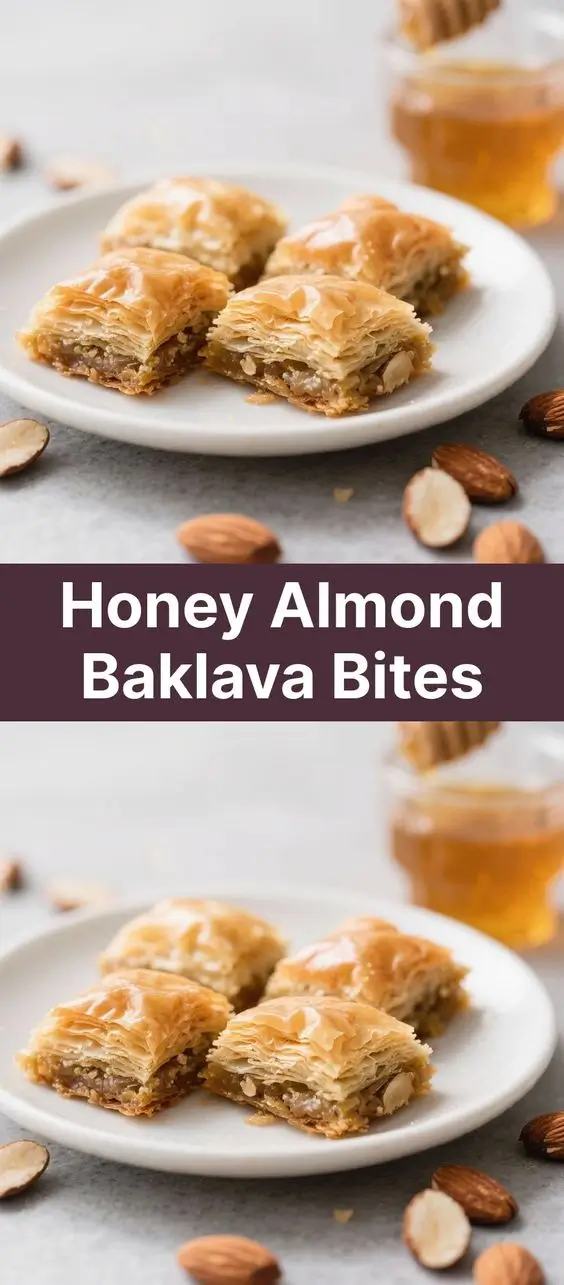
Honey Almond Baklava Bites: A Sweet Bite of History and Flavor
The History of Baklava: From Ancient Palaces to Modern Dessert Plates
Baklava, the rich, flaky, syrup-soaked pastry beloved around the world, has a history as layered as its phyllo dough. While its exact origins are hotly debated among historians, food scholars generally agree that baklava evolved in the imperial kitchens of the Ottoman Empire, reaching its peak during the 15th to 17th centuries. However, earlier versions may have existed in Ancient Mesopotamia as early as the 8th century BCE, where a similar dessert made with bread, nuts, and honey was consumed.
The word “baklava” is thought to derive from the Turkish language, although some linguists trace it back to Mongolian or Azerbaijani roots. It became a staple in the Topkapi Palace kitchens in Istanbul, where royal confectioners refined the recipe using delicate layers of hand-stretched phyllo dough, finely chopped nuts—typically walnuts or pistachios—and sweet syrups infused with rosewater or citrus. As the Ottoman Empire expanded, so did baklava’s influence, adapting to regional tastes across Greece, the Balkans, the Levant, and North Africa.
In Greece, almonds became more prominent, especially in regions like Thessaloniki and the Aegean islands. This shift laid the foundation for what we now know as Honey Almond Baklava—a version that emphasizes the nutty richness of toasted almonds and the floral sweetness of pure honey. The “bites” variation emerged more recently, catering to modern preferences for portion-controlled, elegant desserts perfect for parties, weddings, and holiday platters.
Today, Honey Almond Baklava Bites represent a harmonious blend of ancient tradition and contemporary convenience. They honor the meticulous craftsmanship of their ancestors while fitting seamlessly into today’s fast-paced lifestyle. Whether served at a Middle Eastern tea ceremony or presented on a dessert table at a chic urban wedding, these little gems continue to symbolize hospitality, celebration, and culinary artistry.
Ingredients Breakdown: What Makes These Bites So Irresistible?
The magic of Honey Almond Baklava Bites lies not just in their taste but in the careful selection and preparation of each ingredient. Every component plays a vital role in creating the final symphony of crunch, chew, sweetness, and aroma.
- Phyllo Dough (Filo Pastry): The foundation of any great baklava, phyllo dough consists of paper-thin sheets made from flour, water, and a small amount of oil or vinegar. When baked, these layers crisp up beautifully while absorbing just enough syrup to remain tender without becoming soggy. Fresh or frozen phyllo works well, though thawing must be done slowly to prevent tearing.
- Almonds: Whole natural almonds are preferred for their buttery flavor and firm texture. Toasted lightly before use, they release essential oils that enhance their richness. Blanched or sliced almonds can also be used depending on desired mouthfeel—finely ground for a paste-like center or coarsely chopped for added crunch.
- Honey: High-quality, pure honey brings floral depth and natural sweetness. Lighter varieties like orange blossom or acacia honey work best, allowing the nuttiness to shine through. Avoid processed blends with corn syrup, which lack complexity and can overpower delicate flavors.
- Unsalted Butter: Used generously to brush between each layer of phyllo, melted unsalted butter ensures crispness and golden color. Clarified butter is sometimes preferred because it has a higher smoke point and imparts a cleaner taste.
- Sugar: Works alongside honey in the syrup to balance viscosity and sweetness. Granulated sugar dissolves easily and helps create the signature sticky glaze that coats each bite.
- Water: Dilutes the sugar-honey mixture to form a light syrup that penetrates the pastry evenly without making it wet.
- Lemon Juice: A small splash prevents crystallization of the sugar syrup, ensuring a smooth, glossy finish. It also adds a subtle tang that cuts through the sweetness.
- Spices – Cinnamon & Optional Cardamom: Ground cinnamon adds warmth and pairs exquisitely with almonds. Some variations include a pinch of ground cardamom for an exotic, slightly citrusy note common in Levantine desserts.
- Vanilla Extract: Enhances overall aroma and rounds out the flavor profile when added to the nut filling or syrup.
- Rosewater or Orange Blossom Water (Optional): Just a few drops infuse the syrup with perfumed elegance, evoking traditional Middle Eastern confections. Use sparingly—too much can dominate the palate.
Together, these ingredients form a luxurious yet balanced treat that satisfies both the senses and the soul.
Step-by-Step Recipe: Crafting Perfect Honey Almond Baklava Bites at Home
Making baklava at home may seem intimidating due to the delicate nature of phyllo dough, but with patience and attention to detail, anyone can master this classic dessert. Follow this detailed guide to create flawless Honey Almond Baklava Bites every time.
Ingredients List
- 1 package (16 oz / about 40 sheets) frozen phyllo dough, thawed overnight in the refrigerator
- 2 cups raw almonds, finely chopped or coarsely ground
- 1/2 cup granulated sugar
- 1 teaspoon ground cinnamon
- 1/4 teaspoon ground cardamom (optional)
- 1 teaspoon vanilla extract
- 1 cup unsalted butter, melted (preferably clarified)
- 3/4 cup honey
- 1/2 cup water
- 1/2 cup granulated sugar (for syrup)
- 1 tablespoon fresh lemon juice
- 1/2 teaspoon vanilla extract (for syrup)
- 1/2 teaspoon rosewater or orange blossom water (optional)
Directions
- Preheat Oven & Prepare Pan: Preheat your oven to 350°F (175°C). Grease a 9×13-inch baking dish thoroughly with butter. For easier removal, line the bottom with parchment paper leaving overhangs on two sides.
- Prepare Nut Filling: In a large bowl, combine chopped almonds, 1/2 cup sugar, cinnamon, cardamom (if using), and vanilla extract. Mix well until evenly distributed. Set aside.
- Handle Phyllo Dough Carefully: Unroll thawed phyllo dough and place it on a clean surface. Cover the stack with a damp kitchen towel to prevent drying and cracking as you work—one exposed sheet can dry out within minutes!
- Layer the Base: Place one sheet of phyllo into the prepared pan, letting excess hang over edges slightly. Brush gently but completely with melted butter. Repeat this process—adding one sheet at a time, brushing each with butter—until you’ve used half the package (about 20 sheets).
- Add the Nut Mixture: Evenly spread the almond filling over the buttered phyllo base, pressing down lightly to form an even layer. Be careful not to compress too hard, as this affects texture later.
- Create the Top Layers: Begin adding the remaining phyllo sheets one by one, again brushing each with melted butter. Aim for another 15–20 layers to fully encase the filling. Finish with a butter-brushed top layer.
- Cut Before Baking: Using a very sharp knife, cut the unbaked baklava into small squares or diamonds (rhombuses). Cut all the way through to the bottom but avoid sawing motions that might lift layers. Traditional diamond shapes are made by cutting diagonally in one direction, then crossing at an angle.
- Bake Until Golden: Place the dish in the preheated oven and bake for 45–55 minutes, or until the top is deep golden brown and crisp. Rotate the pan halfway through for even browning.
- Prepare Syrup While Baking: In a medium saucepan, combine 3/4 cup honey, 1/2 cup sugar, 1/2 cup water, lemon juice, and 1/2 tsp vanilla. Bring to a boil over medium heat, stirring occasionally. Reduce heat and simmer for 10–12 minutes until slightly thickened. Remove from heat and stir in rosewater if using. Let cool slightly (warm syrup is ideal—not boiling hot).
- Soak Immediately After Baking: As soon as the baklava comes out of the oven, pour the warm syrup evenly over the entire surface. Work slowly and steadily to ensure full coverage. The hot pastry will absorb the syrup dramatically—this is key to achieving the perfect moist interior with crisp exterior.
- Cool Completely: Allow the baklava to cool at room temperature for at least 4 hours, preferably overnight. This resting period allows flavors to meld and textures to stabilize. Cutting too early results in crumbling.
- Serve as Bites: Once cooled and set, gently remove from the pan using parchment overhangs. Place on a cutting board and re-cut if needed into uniform bite-sized pieces (approx. 1-inch squares). Serve plain or garnish with crushed pistachios, edible flowers, or a dusting of powdered sugar.
Tips for Success: Mastering the Art of Baklava Making
- Thaw Phyllo Properly: Never rush the thawing process. Transfer frozen phyllo to the fridge 24 hours before use. Rapid thawing causes condensation, leading to soggy, torn sheets.
- Keep Phyllo Covered: Always keep unused sheets under a damp cloth. Even brief exposure to air can cause them to dry out and crack.
- Use Clarified Butter: Regular melted butter contains milk solids that can burn. Clarified butter (ghee) browns less and enhances shelf life and crispness.
- Toasting Nuts First: Lightly toast almonds in a dry skillet over medium heat for 5–7 minutes before chopping. This intensifies their flavor significantly.
- Syrup Temperature Matters: Pour warm—not cold or scalding—syrup over hot baklava. Cold syrup makes layers tough; boiling syrup can make them mushy.
- Don’t Skip the Resting Time: Patience pays off. Allowing baklava to sit for several hours or overnight improves texture and sweetness distribution.
- Sharp Knife Is Essential: Dull blades drag and tear phyllo. Use a serrated or chef’s knife and apply steady pressure with minimal movement.
- Storage Tip: Store in an airtight container at room temperature for up to 2 weeks. Freeze unfilled layers or finished bites for longer storage (up to 3 months).
Variations and Customizations: Make It Your Own
While traditional Honey Almond Baklava Bites are divine on their own, there’s plenty of room for creativity. Here are some inspired variations to suit different palates and occasions:
- Nut Variations: Swap almonds for pistachios, walnuts, hazelnuts, or a mix. Try pecans for a Southern twist, or macadamia nuts for tropical flair.
- Gluten-Free Option: Though challenging, gluten-free phyllo alternatives exist (often made from rice flour). Alternatively, experiment with thin rice paper layers brushed with butter (texture differs slightly).
- Vegan Adaptation: Replace butter with refined coconut oil or vegan margarine. Use agave nectar or maple syrup instead of honey to keep it plant-based.
- Mini Muffin Tin Bites: Press small circles of phyllo into greased mini muffin tins, layer with nuts, fold or top with more phyllo, and bake. Creates adorable individual servings perfect for parties.
- Chocolate Drizzle: After cooling, drizzle melted dark or white chocolate over the tops for a decadent touch.
- Fruit-Infused Syrup: Add a splash of pomegranate molasses or reduced apricot puree to the syrup for fruity complexity.
- Spice Twists: Experiment with nutmeg, allspice, or clove in tiny amounts. Or add saffron threads steeped in warm milk for a Persian-inspired luxury version.
- Salted Honey Glaze: Sprinkle flaky sea salt over the soaked baklava just before serving for a trendy sweet-salty contrast.
- Herbal Notes: Infuse the syrup with fresh mint or lavender (use dried culinary lavender sparingly) for aromatic sophistication.
- Crunch Factor: Mix sesame seeds, crushed biscotti, or crushed pretzels into the nut filling for extra texture.
Health Considerations and Nutritional Value
While undeniably indulgent, Honey Almond Baklava Bites do offer some nutritional benefits when enjoyed in moderation.
Nutritional Highlights
- Almonds: Rich in healthy monounsaturated fats, protein, fiber, vitamin E, magnesium, and antioxidants. Known to support heart health and satiety.
- Honey: Contains trace enzymes, amino acids, and antioxidants. Has antimicrobial properties and a lower glycemic index than refined sugar (though still high in calories).
- Phyllo Dough: Low in fat inherently but absorbs butter during preparation. Made primarily from wheat flour, so provides carbohydrates and some B-vitamins.
Dietary Concerns
- High Calorie Content: Each bite (approx. 1 inch square) contains 80–120 calories, mostly from fats and sugars. Portion control is essential, especially for those managing weight or diabetes.
- Sugar Levels: Significant amounts of honey and sugar make this dessert unsuitable for low-sugar diets. Diabetics should consume only occasionally and monitor blood glucose closely.
- Gluten Presence: Traditional phyllo contains gluten, making it inappropriate for celiacs unless certified gluten-free versions are used.
- Nut Allergies: Almonds are tree nuts—this recipe is unsafe for individuals with tree nut allergies. Substitutions like sunflower seeds may be possible but alter flavor drastically.
- Lactose-Free Potential: If using clarified butter (which removes milk solids), the recipe can be lactose-free. Confirm butter source if sensitivity exists.
Healthier Tweaks
- Reduce sugar in syrup by 25% and compensate with extra honey for natural sweetness.
- Use nut blends with higher proportions of almonds and lower added sugars.
- Brush phyllo with olive oil spray instead of full-fat butter to reduce saturated fat (may affect crispness).
- Serve smaller portions paired with Greek yogurt or fresh berries to balance the meal.
FAQ: Frequently Asked Questions About Honey Almond Baklava Bites
Can I make baklava ahead of time?
Yes! Baklava actually improves after sitting for 12–24 hours. You can prepare it up to 5 days in advance and store at room temperature in an airtight container.
Why did my baklava turn out soggy?
This usually happens when cold syrup is poured over hot pastry, or too much syrup is used. Ensure syrup is warm and measured accurately. Also, under-baking leads to soft layers—bake until deeply golden.
Can I freeze baklava?
Absolutely. Freeze unglazed baked baklava for up to 3 months. Thaw, then soak with freshly made warm syrup before serving. Fully assembled baklava freezes well too—just wrap tightly to prevent freezer burn.
Is baklava supposed to be crunchy?
Ideally, yes—crisp on the outside with a slightly chewy, syrup-infused interior. Over time, it softens slightly but shouldn’t become mushy.
Can I use store-bought phyllo?
Definitely. Most grocery stores carry frozen phyllo dough brands like Athens or Filo Factory. Read reviews and check for thickness—thinner sheets yield better results.
How many bites does this recipe yield?
Depending on size, expect 36–48 bite-sized pieces from a standard 9×13-inch pan. Smaller cuts = more elegant hors d’oeuvres; larger = satisfying dessert squares.
What can I substitute for honey?
Maple syrup or agave nectar work in a pinch, though they change the flavor profile. For authenticity, stick with floral honeys like tupelo, acacia, or orange blossom.
Can I make mini baklava cups in a muffin tin?
Yes! Use small circles of phyllo pressed into greased tins, layered with nuts and butter, topped with more phyllo, and baked. Great for parties and portion control.
Do I have to use lemon juice in the syrup?
Highly recommended. Lemon juice prevents sugar crystallization, giving the syrup a smooth, glassy texture. Omitting it risks graininess.
Why did my phyllo crack while layering?
Drying out is the main culprit. Keep stacked sheets covered with a damp towel at all times. Work quickly and avoid drafts near your workspace.
Summary
Honey Almond Baklava Bites are a luxurious fusion of flaky phyllo, toasted almonds, and fragrant honey syrup—an exquisite dessert rooted in centuries of culinary tradition. Easy to customize and perfect for sharing, these golden morsels deliver unforgettable flavor in every bite.