Introduction
Welcome to a wholesome, energizing twist on a beloved classic: Healthy Oatmeal Blueberry Muffins. These muffins are more than just a tasty breakfast or snack—they’re a thoughtfully crafted fusion of nutrition, flavor, and convenience. Designed with mindful eating in mind, they replace refined flours and sugars with whole-food alternatives while preserving that tender crumb, gentle sweetness, and burst of juicy blueberries we all love. Whether you’re fueling a busy school morning, prepping for post-workout recovery, supporting digestive health, or simply seeking a satisfying yet guilt-free treat, these muffins deliver on every front—without compromise.
The History
Oatmeal muffins trace their roots back to early 20th-century American home baking, when resourceful cooks began incorporating rolled oats into quick breads to add heartiness and stretch pantry staples during leaner times. Blueberries—native to North America and long revered by Indigenous peoples for their medicinal and culinary uses—were gradually integrated as commercial cultivation expanded in the 1930s. The modern “healthy” iteration emerged alongside the whole-foods movement of the 1970s and gained momentum in the 2000s with rising awareness of fiber’s role in metabolic health, the glycemic impact of refined carbohydrates, and the antioxidant power of deeply pigmented fruits. Today’s healthy oatmeal blueberry muffins reflect decades of nutritional science, culinary innovation, and a collective shift toward ingredient transparency—honoring tradition while embracing evidence-based wellness.
Ingredients Breakdown
Every ingredient in this recipe was selected for its functional and nutritional contribution—not just flavor or texture. Here’s why each matters:
- Old-Fashioned Rolled Oats (Gluten-Free Certified, if needed): Rich in soluble beta-glucan fiber, which helps lower LDL cholesterol, stabilize blood sugar, and promote satiety. Their hearty texture adds natural structure without refined flour.
- Whole Wheat Pastry Flour (or White Whole Wheat Flour): Milled from soft red or white wheat, it offers more fiber, B vitamins, and phytonutrients than all-purpose flour—but with a lighter protein content for tender muffins.
- Unsweetened Applesauce (Homemade Preferred): Acts as a natural fat replacer and binder, contributing pectin for moisture retention and subtle sweetness—plus vitamin C and polyphenols.
- Pure Maple Syrup (Grade A Dark or Amber): A minimally processed sweetener containing zinc, manganese, and over 24 distinct antioxidants. Its low glycemic index (54) makes it gentler on blood sugar than granulated sugar (65) or honey (58).
- Plain Greek Yogurt (Nonfat or 2%): Adds protein (6–8g per ¾ cup), probiotics for gut health, and lactic acid for gentle leavening and tenderness. Opt for unsweetened, unflavored varieties to avoid hidden sugars.
- Pasteurized Egg Whites (or Whole Egg + Extra White): Boosts protein without excess saturated fat; egg whites provide structure and lift. For vegan adaptation, flax or chia “eggs” work beautifully.
- Almond Milk (Unsweetened, Calcium-Fortified): A low-calorie, dairy-free liquid base rich in vitamin E and often fortified with DHA, calcium, and vitamin D—ideal for lactose-sensitive individuals.
- Baking Powder & Baking Soda: Double-acting leaveners that ensure consistent rise and airy texture—even with dense, high-fiber batters.
- Ground Cinnamon & Pure Vanilla Extract: Anti-inflammatory spices that enhance insulin sensitivity (cinnamon) and deepen aroma without added sugar. Use only alcohol-based, non-GMO vanilla for purity.
- Fresh or Frozen Wild Blueberries (Not Cultivated): Wild blueberries contain up to twice the anthocyanins—potent antioxidants linked to improved cognitive function, cardiovascular protection, and reduced oxidative stress. Their smaller size distributes evenly, and frozen berries (used straight from freezer) prevent batter discoloration and sinking.
- Chia Seeds or Ground Flaxseed (Optional but Recommended): Omega-3 ALA powerhouses that double as natural binders and fiber boosters—supporting hormonal balance and regularity.
- Pinch of Sea Salt: Enhances flavor perception and balances sweetness—while providing trace minerals like magnesium and potassium.
Step-by-Step Recipe
- Preheat & Prep: Position oven rack in center. Preheat oven to 350°F (175°C). Line a standard 12-cup muffin tin with unbleached parchment liners—or lightly grease with coconut oil. Optional: Sprinkle liners with 1 tsp rolled oats per cup for extra crunch.
- Combine Dry Ingredients: In a large bowl, whisk together 1 ½ cups old-fashioned oats, ¾ cup whole wheat pastry flour, 1 tsp baking powder, ¼ tsp baking soda, 1 tsp ground cinnamon, ¼ tsp sea salt, and (if using) 2 tbsp ground flaxseed or chia seeds. Ensure no clumps remain—especially in the baking soda.
- Mix Wet Ingredients Separately: In a medium bowl, vigorously whisk ⅔ cup unsweetened applesauce, ⅓ cup pure maple syrup, ⅓ cup plain nonfat Greek yogurt, ¼ cup unsweetened almond milk, 2 large pasteurized egg whites (or 1 whole egg + 1 white), and 1 tsp pure vanilla extract until completely emulsified and smooth—about 90 seconds. Let rest 2 minutes to allow flax/chia to gel (if included).
- Combine Wet + Dry Gently: Pour wet mixture into dry ingredients. Using a silicone spatula, fold *just until no dry streaks remain*—approximately 12–15 strokes. Do not overmix; batter will be thick and slightly lumpy. Overmixing develops gluten and yields dense, tough muffins.
- Fold in Blueberries: Gently fold in 1 ¼ cups fresh or frozen wild blueberries. If using frozen, do not thaw—this prevents bleeding and maintains structure. For extra insurance against sinking, toss berries in 1 tsp of the oat-flour blend before folding in.
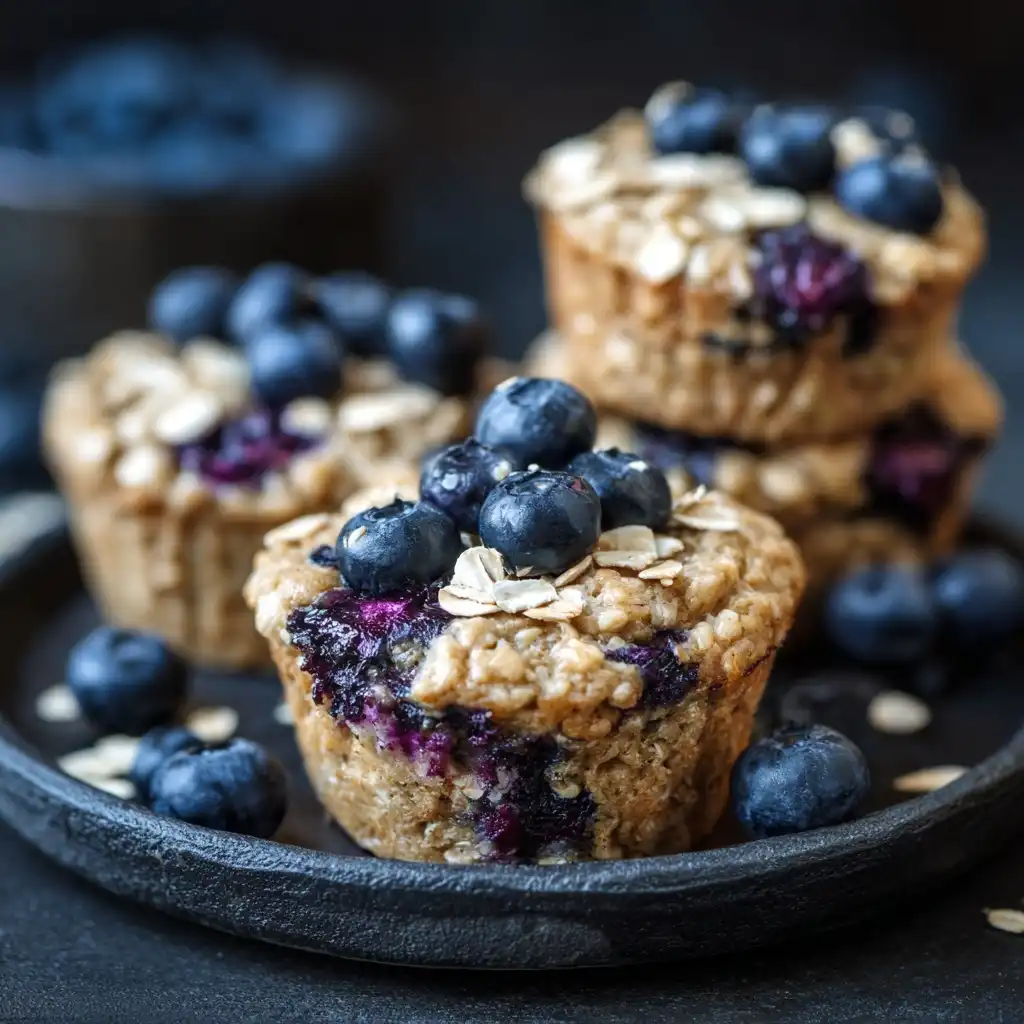
- Portion & Top: Divide batter evenly among 12 lined cups (a 2-tbsp scoop works perfectly). Each should be filled ~¾ full. Optional toppings: sprinkle with 1 tsp rolled oats + ¼ tsp cinnamon + 2–3 reserved blueberries per muffin for visual appeal and textural contrast.
- Bake with Precision: Place tin in center oven rack. Bake for 22–26 minutes—rotating halfway at 12 minutes for even browning. Muffins are done when tops are golden, edges pull slightly from cups, and a toothpick inserted into the center comes out clean *or with moist crumbs* (not wet batter). Avoid overbaking—oats dry out quickly.
- Cool Strategically: Let muffins cool in the pan for exactly 8 minutes—this sets the crumb and prevents collapse. Then transfer to a wire rack to cool fully (30+ minutes) before storing or serving. Cutting into warm muffins releases steam and causes gummy texture.
Tips
- Oat Soak Hack: For ultra-tender muffins, soak oats in almond milk for 10 minutes before adding other dry ingredients—this softens fibers and improves digestibility.
- Blueberry Bleeding Prevention: Always use wild blueberries when possible; their thicker skins resist bursting. If using cultivated, rinse and pat *completely dry*, then toss in 1 tsp cornstarch before folding in.
- Batch Baking Efficiency: Double the dry mix and store in an airtight container for up to 3 weeks. When ready to bake, just add wet ingredients and blueberries—perfect for weekday mornings.
- Altitude Adjustments: Above 3,000 ft? Reduce baking powder by ⅛ tsp, increase liquid by 1 tbsp, and add 1 extra tbsp yogurt for moisture retention.
- Don’t Skip the Rest: Letting the mixed batter sit 5 minutes before portioning allows oats to hydrate and gluten to relax—yielding more even rise and better texture.
- Freeze Like a Pro: Cool completely, then freeze unfrosted muffins in a single layer on a parchment-lined tray. Once solid (2 hrs), transfer to labeled, date-coded freezer bags. They’ll keep for up to 4 months. Thaw at room temp (30 min) or reheat in toaster oven at 325°F for 5–6 minutes.
- Moisture Meter Trick: Insert an instant-read thermometer—the internal temp should reach 205–210°F for perfect doneness. Below 200°F = gummy; above 215°F = dry.
Variations and Customizations
This foundational recipe is endlessly adaptable—nutritionally and culturally responsive. Try these chef-tested twists:
- Lemon-Blueberry Zest: Add 1 tbsp finely grated organic lemon zest + 1 tsp lemon juice to wet ingredients. Swap 1 tbsp maple syrup for 1 tsp raw local honey for brightness.
- Protein-Packed Power Muffins: Stir in 2 scoops (40g) unflavored or vanilla plant-based protein powder + 2 tbsp hemp hearts. Increase almond milk by 2 tbsp to compensate.
- Nut-Free School-Safe Version: Replace almond milk with oat or soy milk; omit nuts/seeds and add 1 extra tbsp ground flax + 1 tsp psyllium husk for binding.
- Overnight Oat Muffin Prep: Mix dry + wet (minus blueberries) the night before; refrigerate covered. In AM, fold in berries and bake—no mixing fatigue!
- Spiced Chai Variation: Replace cinnamon with 1 tsp chai spice blend (cinnamon, cardamom, ginger, cloves, black pepper) and add ¼ tsp brewed strong chai tea (cooled) to wet ingredients.
- Gluten-Free Adaptation: Use certified GF oat flour + ¼ cup tapioca starch + ¼ cup almond flour. Add ½ tsp xanthan gum. Verify all labels—oats are often cross-contaminated.
- Vegan Version: Substitute egg whites with 2 tbsp ground flax + 6 tbsp water (let sit 5 min); use coconut yogurt and maple-sweetened applesauce. Add 1 tsp apple cider vinegar to react with baking soda.
- Low-Carb/Keto-Friendly Option: Replace oats with 1 cup blanched almond flour + ¼ cup coconut flour + 2 tbsp ground psyllium. Use monk fruit–maple blend (½ cup) and add 2 tbsp MCT oil for richness.
- Mini-Muffin Magic: Fill 24 mini-muffin cups and bake 13–16 minutes. Perfect for kids’ lunches, portion control, or grab-and-go snacks.
- Breakfast Loaf Format: Pour batter into a greased 8×4-inch loaf pan. Bake 45–52 minutes. Slice into 10 servings—ideal for meal prep and slicing consistency.
Health Considerations and Nutritional Value
Per standard muffin (based on 12 total, no toppings):
- Calories: ~185 kcal — balanced between complex carbs, plant-based protein, and heart-healthy fats.
- Macronutrient Profile: 5g protein (30% from Greek yogurt + eggs + oats), 32g total carbs (7g dietary fiber—nearly 28% of daily value), 3g fat (mostly unsaturated from oats and minimal oil).
- Glycemic Load: Estimated GL of 9 — low, thanks to high fiber, protein, and low-glycemic sweeteners. Ideal for prediabetics and insulin-resistant individuals.
- Antioxidant Powerhouse: One muffin delivers ~120mg anthocyanins—equivalent to half a cup of fresh blueberries—and 2.5mg vitamin E (17% DV) from almonds/oats.
- Digestive Support: 7g fiber includes both soluble (beta-glucan) and insoluble (bran) types—feeding beneficial gut bacteria (prebiotic effect) while promoting regular motility.
- Cardiovascular Benefits: Oats’ beta-glucan has FDA-approved claim: “Soluble fiber from foods such as oats, as part of a diet low in saturated fat and cholesterol, may reduce the risk of heart disease.”
- Considerations & Modifications:
- For Lower Sodium: Omit added salt—rely on natural sodium in yogurt and milk (still under 100mg/serving).
- For Higher Iron Absorption: Serve with vitamin C–rich foods (e.g., orange slices, bell pepper strips) to enhance non-heme iron uptake from oats and whole grains.
- Allergen Notes: Naturally nut-free (unless almond milk used); easily adapted for top-9 allergen avoidance. Always verify oat certification for celiac safety.
- Pregnancy/Nursing Support: Excellent source of folate (from whole grains), calcium (fortified milk/yogurt), and choline (egg whites)—all critical for fetal brain development and maternal metabolism.
Ingredients
- 1 ½ cups old-fashioned rolled oats (certified gluten-free, if needed)
- ¾ cup whole wheat pastry flour (or white whole wheat flour)
- 1 tsp aluminum-free baking powder
- ¼ tsp baking soda
- 1 tsp ground cinnamon
- ¼ tsp fine sea salt
- 2 tbsp ground flaxseed or chia seeds (optional but recommended)
- ⅔ cup unsweetened applesauce (homemade preferred)
- ⅓ cup pure maple syrup (Grade A dark amber)
- ⅓ cup plain nonfat Greek yogurt
- ¼ cup unsweetened almond milk (or oat/soy milk)
- 2 large pasteurized egg whites (or 1 whole egg + 1 white)
- 1 tsp pure vanilla extract
- 1 ¼ cups wild blueberries (fresh or frozen, unthawed)
- Optional topping: 2 tbsp rolled oats + ½ tsp cinnamon + 6 extra blueberries
Directions
- Preheat oven to 350°F (175°C). Line a 12-cup muffin tin with parchment liners or lightly grease with coconut oil.
- In a large bowl, whisk together oats, whole wheat pastry flour, baking powder, baking soda, cinnamon, sea salt, and flax/chia seeds (if using) until thoroughly combined.
- In a separate medium bowl, whisk applesauce, maple syrup, Greek yogurt, almond milk, egg whites, and vanilla until smooth and fully emulsified (~90 sec). Let stand 2 minutes.
- Pour wet ingredients into dry ingredients. Using a silicone spatula, fold gently *just until combined*—do not overmix. Batter will be thick and slightly lumpy.
- Gently fold in blueberries. For best distribution and to prevent sinking, toss berries in 1 tsp of the dry mixture first.
- Scoop batter evenly into prepared muffin cups (about ¼ cup per cup, or 2 tbsp + 1 tsp). Smooth tops lightly. Optional: sprinkle with oat-cinnamon-blueberry topping.
- Bake for 22–26 minutes, rotating pan halfway through, until tops are golden and a toothpick inserted into the center comes out clean or with moist crumbs.
- Cool muffins in pan for exactly 8 minutes, then transfer to a wire rack to cool completely before storing or serving.
FAQ
- Can I use quick oats instead of old-fashioned?
- No—quick oats absorb liquid too rapidly and break down, resulting in gummy, dense muffins. Stick with old-fashioned or large-flake oats for ideal texture and fiber integrity.
- Why do my muffins sink in the middle?
- Most commonly due to underbaking (check with thermometer—205–210°F), opening the oven too early (<18 min), or overmixing the batter. Also ensure your baking powder is fresh (replace every 6 months).
- Can I make these nut-free for school?
- Absolutely. Swap almond milk for oat, soy, or coconut milk—and confirm your oats and yogurt are nut-free processed. All other ingredients are naturally nut-free.
- How do I store them to keep them moist?
- Cool completely, then store in an airtight container lined with a paper towel at room temperature for up to 3 days. For longer storage, freeze individually wrapped in parchment + freezer bag (up to 4 months). Never refrigerate—they dry out rapidly.
- Are frozen blueberries okay? Do I need to thaw them?
- Yes—and do NOT thaw. Frozen wild blueberries hold shape and color better. Tossing them in dry flour/oats before folding in prevents bleeding and sinking.
- Can I add nuts or chocolate chips?
- You can—but note: walnuts or pecans add healthy fats (great for satiety), while dark chocolate chips (>70% cacao) add flavonoids. Limit to ⅓ cup total to preserve nutritional balance and avoid excessive calories.
- Why is Greek yogurt used instead of regular yogurt?
- Greek yogurt is strained, yielding double the protein, less sugar, and thicker consistency—critical for moisture control and structural integrity in low-fat muffins.
- Can I make these in a blender?
- Yes—but pulse only until just combined. Over-blending heats the batter and develops gluten, leading to toughness. Better to whisk by hand for optimal texture.
- What’s the best way to reheat frozen muffins?
- For best texture: thaw at room temp 30 min, then warm in a toaster oven at 325°F for 5–6 minutes. Avoid microwaving unless necessary—then heat at 50% power for 25 seconds, check, and repeat once only.
- Can I reduce the maple syrup further?
- You can decrease to 3 tbsp—but below that, the muffins become dry and lack binding. Compensate with 1 extra tbsp applesauce or yogurt to retain moisture.
Summary
These Healthy Oatmeal Blueberry Muffins are a nutrient-dense, fiber-rich, antioxidant-packed breakfast or snack—crafted with whole grains, real fruit, and minimally processed sweeteners to support sustained energy, digestive wellness, and metabolic balance.
They’re endlessly customizable, freezer-friendly, school-safe, and grounded in both culinary tradition and modern nutritional science—proving that truly healthy food can be deeply satisfying, joyful to bake, and nourishing in every bite.