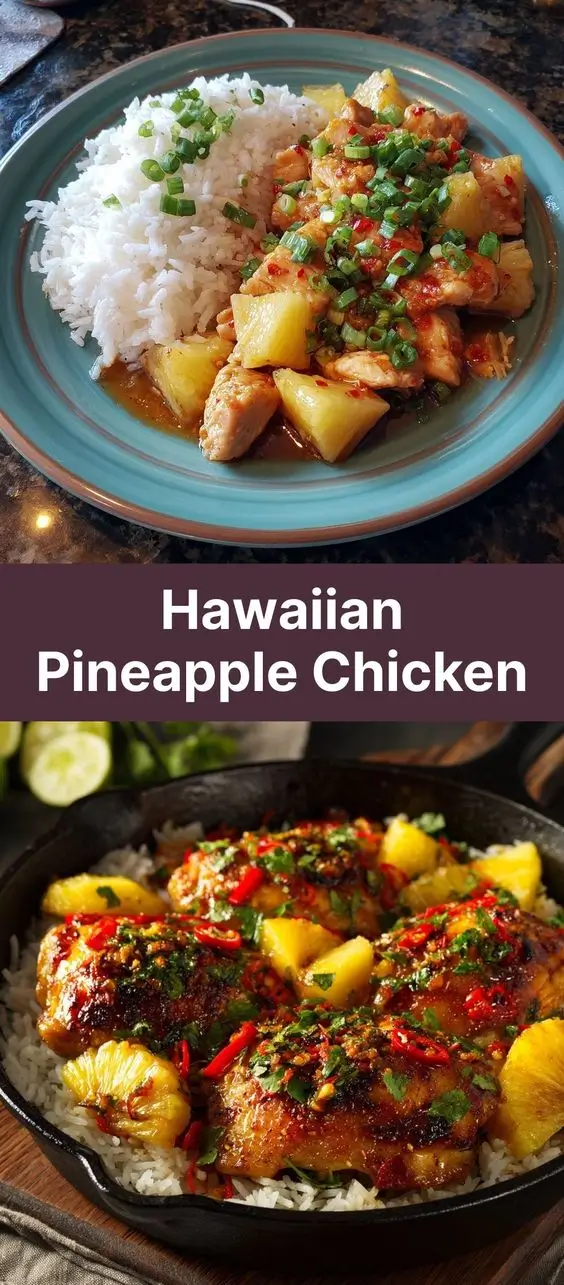
Hawaiian Pineapple Chicken: A Tropical Delight for Your Taste Buds
Hawaiian Pineapple Chicken is a vibrant, sweet-and-savory dish that brings the flavors of the tropics straight to your kitchen. With its juicy chunks of chicken, tangy pineapple, and glossy glaze, this recipe has become a favorite across American households and beyond. Whether you’re preparing a weeknight dinner or hosting a summer gathering, this colorful dish promises to satisfy both adventurous eaters and picky palates alike. Let’s dive into the full story behind this beloved meal, from its origins to every detail you need to recreate it at home.
The History of Hawaiian Pineapple Chicken
Despite its name, Hawaiian Pineapple Chicken—also known as Pineapple Chicken Stir-Fry or Sweet and Sour Pineapple Chicken—does not originate from traditional Hawaiian cuisine. Instead, it emerged from mid-20th-century American-Chinese fusion cooking, particularly popularized in the 1960s and 70s by Chinese-American restaurants seeking to adapt their dishes to Western palates. The addition of sweet elements like pineapple and sugar appealed to American tastes, leading to the creation of hybrid dishes such as General Tso’s Chicken and Orange Chicken.
The use of pineapple in savory dishes can be traced back to Polynesian culinary traditions, where tropical fruits were often incorporated into meals. However, the specific combination of chicken, bell peppers, and canned pineapple in a sweet-sour sauce was largely an American innovation. Over time, the dish became associated with “Hawaiian” themes due to the island’s reputation for pineapples (thanks to Dole Plantation) and tropical paradise imagery. Thus, “Hawaiian” became more of a marketing term than a geographic one.
Today, Hawaiian Pineapple Chicken remains a staple on restaurant menus across North America and has found its way into home kitchens worldwide. Its enduring popularity stems from its balance of flavors, ease of preparation, and visual appeal—making it a go-to option for family dinners and potlucks.
Ingredients Breakdown: What Makes This Dish Shine?
The magic of Hawaiian Pineapple Chicken lies in its harmonious blend of ingredients, each contributing texture, flavor, and aroma. Here’s a detailed look at what goes into this tropical masterpiece:
- Chicken Breast (or Thighs): Boneless, skinless chicken breasts are most commonly used for their lean texture and mild flavor, which absorb the sauce beautifully. Chicken thighs can be substituted for a richer, juicier result.
- Fresh or Canned Pineapple Chunks: Fresh pineapple offers superior sweetness and enzymes (like bromelain), but canned pineapple in juice (not syrup) works well and ensures consistent softness. Reserve some of the liquid for enhancing the sauce.
- Bell Peppers: Red and green bell peppers add crunch, color contrast, and subtle sweetness. Some variations include yellow or orange peppers for even more vibrancy.
- Onion: Yellow or red onions provide a savory base note and help build depth when sautéed.
- Garlic: Fresh minced garlic adds pungency and complexity, essential for balancing the sweetness.
- Ginger: Freshly grated ginger introduces a warm, slightly spicy undertone that complements the fruitiness of pineapple.
- Soy Sauce: Provides saltiness and umami. Low-sodium soy sauce helps control salt levels without sacrificing flavor.
- Ketchup or Tomato Paste: Adds body and a hint of tangy sweetness to the sauce. Ketchup is more accessible; tomato paste gives a deeper richness.
- Rice Vinegar or Apple Cider Vinegar: Introduces acidity to cut through the sweetness and brighten the overall taste.
- Brown Sugar or Honey: Enhances caramelization and rounds out the sour notes. Brown sugar adds molasses depth, while honey lends floral nuances.
- Cornstarch: Used to thicken the sauce into a glossy, restaurant-style glaze.
- Vegetable Oil: For stir-frying—neutral oils like canola, grapeseed, or avocado oil work best.
- Green Onions and Sesame Seeds (optional garnish): Add freshness and nutty aroma upon serving.
Optional additions may include bamboo shoots, water chestnuts, or jalapeños for heat. Always consider ingredient quality—using fresh produce and real spices elevates the dish significantly.
Step-by-Step Recipe: How to Make Hawaiian Pineapple Chicken at Home
Follow this detailed guide to create restaurant-quality Hawaiian Pineapple Chicken right in your own kitchen. This version serves 4–6 people and takes about 35–40 minutes from start to finish.
Ingredients
- 1.5 lbs (680g) boneless, skinless chicken breasts, cut into 1-inch cubes
- 1 cup fresh or canned pineapple chunks (reserve ½ cup juice if using canned)
- 1 red bell pepper, sliced into strips
- 1 green bell pepper, sliced into strips
- 1 medium yellow onion, sliced
- 3 cloves garlic, minced
- 1 tbsp fresh ginger, grated
- 3 tbsp vegetable oil (divided)
- ¼ cup low-sodium soy sauce
- ¼ cup ketchup
- 3 tbsp brown sugar (packed)
- 2 tbsp rice vinegar
- 1 tsp cornstarch mixed with 2 tbsp cold water (slurry)
- Salt and black pepper to taste
- Cooked white rice, brown rice, or jasmine rice (for serving)
- Chopped green onions and toasted sesame seeds (for garnish)
Directions
- Prepare Ingredients: Cut chicken into uniform cubes for even cooking. Slice bell peppers and onions. Mince garlic and grate ginger. Drain pineapple, reserving juice if canned.
- Cook the Chicken: Heat 2 tablespoons of oil in a large skillet or wok over medium-high heat. Add chicken in a single layer and cook until golden brown and cooked through (about 5–7 minutes). Season lightly with salt and pepper. Remove chicken and set aside.
- Sauté Vegetables: In the same pan, add remaining 1 tablespoon of oil. Sauté onions for 2 minutes until slightly translucent. Add bell peppers, garlic, and ginger. Stir-fry for another 3–4 minutes until vegetables are tender-crisp.
- Make the Sauce: In a bowl, whisk together soy sauce, ketchup, brown sugar, rice vinegar, and ½ cup reserved pineapple juice (or water if using fresh pineapple). Pour mixture into the pan with vegetables and bring to a simmer.
- Thicken the Sauce: Stir cornstarch slurry and add it gradually to the simmering sauce. Cook for 1–2 minutes, stirring constantly, until the sauce thickens to a glossy consistency.
- Combine Everything: Return cooked chicken and pineapple chunks to the pan. Stir gently to coat all ingredients in the sauce. Simmer for 2–3 minutes to allow flavors to meld.
- Taste and Adjust: Sample the dish. Add more soy sauce for saltiness, sugar for sweetness, or vinegar for tang as needed.
- Serve Hot: Spoon the pineapple chicken over steamed rice. Garnish with chopped green onions and a sprinkle of toasted sesame seeds.
Note: For extra flavor, marinate the chicken in 1 tbsp soy sauce and 1 tsp cornstarch for 15–20 minutes before cooking. This enhances tenderness and helps the sauce cling better.
Pro Tips for Perfect Hawaiian Pineapple Chicken
- Uniform Cutting: Ensure chicken and vegetables are cut to similar sizes for consistent cooking.
- Don’t Overcook Chicken: Remove chicken promptly after browning to prevent dryness. It will reheat in the sauce later.
- Use Fresh Aromatics: Fresh garlic and ginger make a noticeable difference compared to powdered versions.
- Control Sweetness: If the dish turns out too sweet, balance it with a splash of vinegar or lime juice.
- Double the Sauce? If serving over lots of rice or want leftovers, increase sauce ingredients by 50%.
- High Heat is Key: Stir-frying over high heat prevents soggy vegetables and promotes caramelization.
- Add Pineapple Late: Adding pineapple toward the end preserves its shape and prevents mushiness.
- Rest Before Serving: Let the dish sit for 2–3 minutes off the heat so the sauce settles and coats evenly.
Variations and Customizations
Hawaiian Pineapple Chicken is highly adaptable. Here are creative ways to personalize it:
- Spicy Kick: Add 1 diced jalapeño, a few dashes of sriracha, or ½ tsp red pepper flakes to the sauce.
- Pineapple Substitutes: Try mango, peaches, or apricots for a different fruity twist.
- Vegetarian Version: Replace chicken with tofu, tempeh, or chickpeas. Press and pan-fry tofu first for crispiness.
- Gluten-Free Option: Use tamari instead of soy sauce and ensure all other ingredients are certified gluten-free.
- Keto-Friendly Twist: Omit sugar, use a keto-approved sweetener like erythritol, and reduce pineapple quantity. Serve over cauliflower rice.
- Slow Cooker Method: Combine all ingredients (except cornstarch slurry) in a slow cooker. Cook on low for 4–6 hours. Thicken sauce on stove afterward.
- Grilled Version: Skewer chicken, pineapple, and peppers. Brush with sauce and grill for a smoky flavor.
- Teriyaki Fusion: Replace ketchup with teriyaki sauce for a deeper, more complex profile.
- Noodle Bowl Style: Toss with udon, soba, or rice noodles instead of serving over rice.
Health Considerations and Nutritional Value
While delicious, it’s important to understand the nutritional profile of Hawaiian Pineapple Chicken, especially if you’re managing dietary goals.
Nutrition Per Serving (approx. 1 cup with rice):
- Calories: ~400–450 kcal
- Protein: 28–32g (excellent source from chicken)
- Carbohydrates: 50–60g (mainly from rice, sugar, and fruit)
- Sugars: 20–25g (partially natural from pineapple, partially added)
- Fat: 8–12g (mostly healthy unsaturated fats from oil)
- Sodium: 600–800mg (can be reduced with low-sodium soy sauce)
- Vitamins & Minerals: Rich in Vitamin C (from bell peppers and pineapple), B6 (chicken), and antioxidants.
Health Tips:
- Reduce Sugar: Cut brown sugar by half or use monk fruit sweetener. Rely on natural sweetness from ripe pineapple.
- Lower Sodium: Choose low-sodium soy sauce or coconut aminos. Rinse canned pineapple to remove excess salt.
- Increase Fiber: Serve over brown rice, quinoa, or wild rice blend.
- Boost Veggies: Double the amount of bell peppers or add broccoli, zucchini, or snap peas.
- Watch Portion Size: Stick to 1 cup of rice per person and fill half the plate with vegetables.
- Bromelain Benefit: Pineapple contains bromelain, an enzyme that aids digestion and has anti-inflammatory properties.
This dish can fit into balanced diets when modified mindfully. It provides protein for muscle repair, carbohydrates for energy, and essential micronutrients from fruits and vegetables.
Frequently Asked Questions (FAQ)
Q: Can I use frozen pineapple?
A: Yes, but thaw and drain it well first. Frozen pineapple may release more water, so adjust thickening accordingly.
Q: Can I make this ahead of time?
A: Absolutely. Prepare up to a day in advance and store in the refrigerator. Reheat gently on the stove to avoid overcooking.
Q: Why did my sauce turn out too thin/thick?
A: Too thin? Simmer longer or add more slurry (1 tsp cornstarch + 1 tbsp water). Too thick? Whisk in small amounts of water or pineapple juice.
Q: Is canned pineapple as good as fresh?
A: Fresh is preferable for texture and lower sugar, but canned works fine. Just avoid heavy syrup-packed varieties.
Q: Can I freeze Hawaiian Pineapple Chicken?
A: Yes, though texture may soften slightly upon thawing. Freeze without rice for best results. Thaw overnight and reheat slowly.
Q: Can I bake it instead of stir-frying?
A: Yes! Toss everything in a baking dish and bake at 375°F (190°C) for 25–30 minutes, stirring halfway.
Q: What kind of rice pairs best?
A: Jasmine rice is ideal due to its fragrant, slightly sticky nature. Basmati, sushi rice, or brown rice also work well.
Q: Can I use chicken wings or drumettes?
A: Definitely! Bake or fry the wings first, then toss in the sauce for a sticky appetizer-style dish.
Summary
Hawaiian Pineapple Chicken is a delightful fusion dish that combines tender chicken, sweet pineapple, and colorful bell peppers in a glossy, tangy-sweet sauce—perfectly balanced and bursting with tropical flair. Easy to customize, nutritious when adapted, and universally loved, it’s a must-have recipe for any home cook looking to bring sunshine to the dinner table.