Introduction
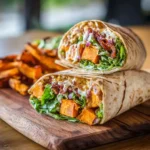
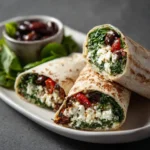
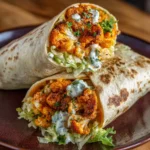
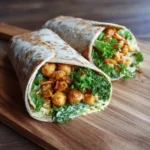
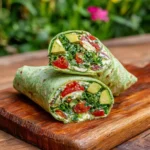
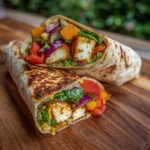
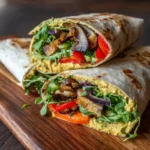
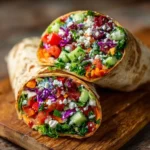
Grilled Lamb Kofta Wrap is a vibrant, aromatic, and deeply satisfying Middle Eastern street food classic that has captivated palates across continents. More than just a meal, it’s an experience—tender, spiced lamb skewers nestled in warm, pliable flatbread and generously adorned with cooling sauces, crisp vegetables, and zesty garnishes. Whether enjoyed at a bustling Beirut souk, a sun-drenched Mediterranean terrace, or your own backyard grill, this dish embodies the soulful balance of bold spices, smoky char, and fresh contrast. Its versatility makes it ideal for weeknight dinners, summer cookouts, mezze spreads, or even elegant dinner parties—effortlessly bridging tradition and modern culinary creativity.
The History
Lamb kofta traces its origins to ancient Mesopotamia over 2,500 years ago, where minced meat mixed with herbs and spices was shaped around reeds or swords and cooked over open flames—a practical, portable, and flavorful solution for nomadic tribes and early urban cooks alike. The word “kofta” derives from the Persian verb *koftan*, meaning “to pound” or “to grind,” reflecting the traditional hand-chopping technique used before modern grinders existed. As trade routes flourished along the Silk Road and through the Ottoman Empire, kofta evolved regionally: Turkish şiş köfte emphasized skewering and grilling; Iranian koobideh often omitted onions for a finer texture; Lebanese and Syrian versions embraced allspice, cinnamon, and mint for warmth and brightness. The wrap format—encasing grilled kofta in flatbread—emerged more recently in Levantine street food culture, influenced by the rise of fast-casual dining and global fusion trends. Today, the Grilled Lamb Kofta Wrap stands as a delicious testament to centuries of culinary exchange, adaptation, and communal joy around fire, spice, and shared bread.
Ingredients Breakdown
Understanding each component deepens both appreciation and execution. The magic lies not in complexity—but in intentionality, quality, and synergy.
- Lamb: Use freshly ground lamb shoulder (15–20% fat)—its marbling ensures juiciness and rich flavor. Avoid pre-ground “lean” blends, which dry out easily on the grill. Pasture-raised or grass-fed lamb offers superior depth and aroma.
- Aromatics: Yellow onion (finely grated, then squeezed dry) adds sweetness and moisture without grit; garlic (freshly minced) delivers pungent backbone; fresh parsley and mint (stems removed, finely chopped) lend herbal brightness and structural lightness.
- Spices: Ground cumin (toasted and cooled), coriander, allspice, smoked paprika (for subtle earthiness—not heat), and a whisper of ground cinnamon create a layered, warm, and nuanced profile. Avoid pre-mixed “kofta spice” blends unless verified for freshness—they often contain fillers and stale oils.
- Binders & Enhancers: Freshly cracked black pepper, fine sea salt, a splash of lemon juice (brightens fat), and a drizzle of high-quality extra-virgin olive oil (adds silkiness and helps bind). Optional but recommended: a small amount of soaked bulgur wheat (fine #1) for tenderness and moisture retention—especially helpful when using leaner cuts.
- Wrap Components: Authentic options include saj bread (ultra-thin, blistered over convex metal), markook, or high-quality whole-wheat or spinach lavash. Pita works well if warmed and gently steamed to regain pliability. Never use cold, stiff flatbreads—they tear and mute texture.
- Toppings & Accompaniments: Tzatziki or Lebanese labneh (garlicky, tangy, creamy); shredded romaine or butter lettuce (cool crunch); thinly sliced red onion (soaked in lemon water for mellow sharpness); pickled turnips (vibrant magenta, vinegary-sweet); chopped tomatoes or cucumber ribbons; fresh mint and parsley sprigs; and a final flourish of sumac or za’atar for citrusy-herbal lift.
Step-by-Step Recipe
- Prep the Lamb Mixture (30 min + chilling): In a large stainless-steel or ceramic bowl, combine 1.5 lbs (680 g) freshly ground lamb shoulder, ½ cup finely grated yellow onion (squeezed dry in cheesecloth), 4 cloves garlic (minced), ¼ cup each finely chopped fresh flat-leaf parsley and mint, 1 tsp toasted and ground cumin, 1 tsp toasted and ground coriander, ½ tsp ground allspice, ½ tsp smoked paprika, ¼ tsp ground cinnamon, 1 tsp fine sea salt, ½ tsp freshly cracked black pepper, 1 tbsp fresh lemon juice, and 1 tbsp extra-virgin olive oil. For optimal texture and binding, add 2 tbsp fine bulgur wheat soaked in 3 tbsp cold water for 10 minutes, then drained. Using clean hands, mix gently but thoroughly for 2–3 minutes—just until ingredients are evenly distributed and the mixture begins to feel slightly sticky and cohesive. Overmixing warms the fat and compacts the meat, leading to dense, chewy kofta. Cover and refrigerate for at least 1 hour (up to 24 hours) to allow flavors to meld and proteins to relax.
- Shape the Kofta (15 min): Lightly oil your hands. Divide mixture into 12 equal portions (about 2.5 oz / 70 g each). Roll each into a smooth ball, then flatten slightly and shape into ovals approximately 4 inches long and 1 inch thick. If using metal skewers, press gently onto flat-sided skewers (flat helps prevent spinning); if using bamboo, soak for 30+ minutes first. Alternatively, form free-form logs on parchment-lined trays—ideal for grill pans or cast-iron griddles.
- Preheat & Prep Grill (10 min): Heat a charcoal, gas, or wood-fired grill to medium-high (400–450°F / 200–230°C). Clean grates thoroughly and oil generously with a high-smoke-point oil (e.g., avocado or grapeseed) using tongs and a folded paper towel. Have a spray bottle of water nearby for flare-ups.
- Grill to Perfection (10–12 min total): Place kofta diagonally across grill grates to achieve signature crosshatch sear marks. Grill uncovered for 4–5 minutes per side, rotating 90° halfway through each side for even charring and maximum surface caramelization. Resist pressing down—this squeezes out precious juices. Internal temperature should reach 155–160°F (68–71°C) for juicy, tender results (carryover cooking will bring it to safe 165°F). Remove and rest on a wire rack for 3–5 minutes—this allows juices to redistribute.
- Warm the Flatbread (2 min): While kofta rests, warm flatbreads directly over low flame or on a dry cast-iron skillet for 20–30 seconds per side until soft, pliable, and lightly speckled. Stack wrapped in a clean kitchen towel to retain steam and flexibility.
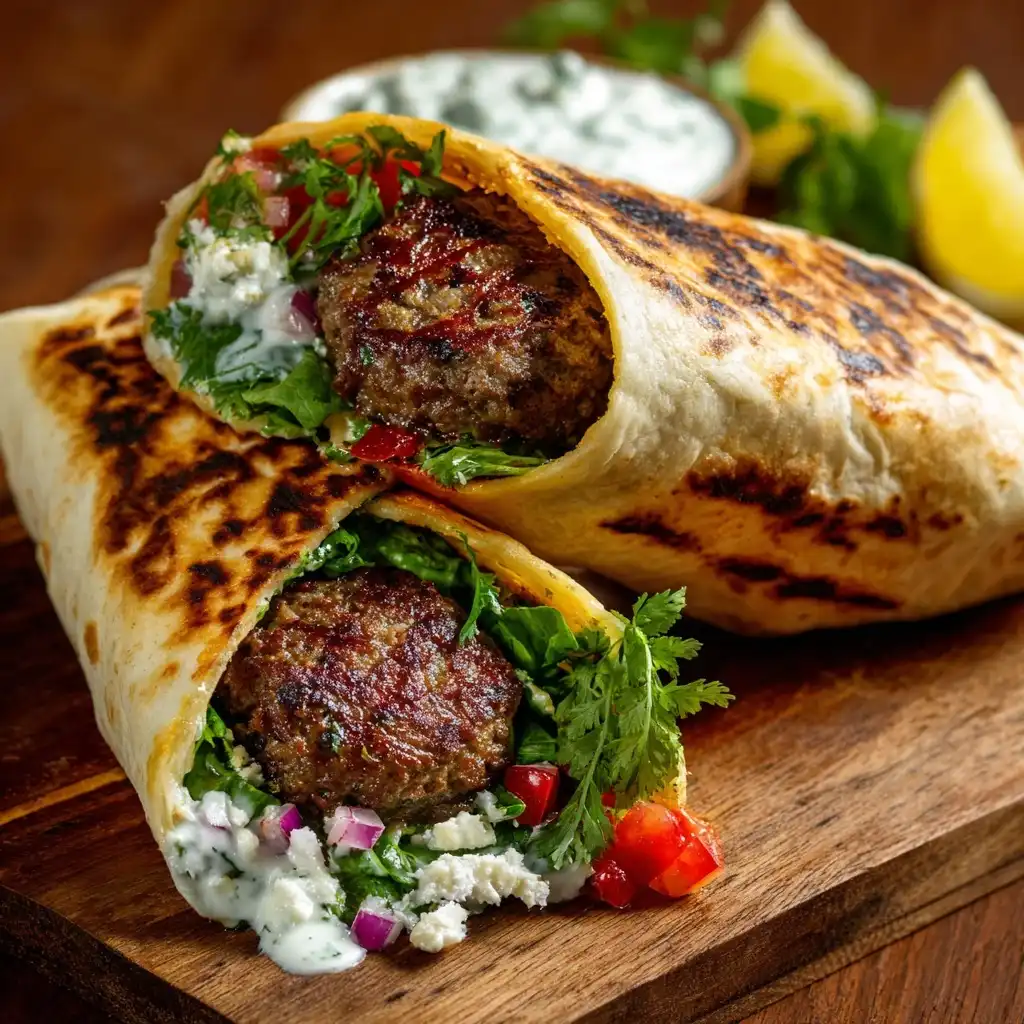
- Assemble with Intention (5 min): Lay flatbread flat. Spread 2–3 tbsp tzatziki or labneh in a wide stripe down the center. Arrange 2–3 kofta logs slightly overlapping. Top with lettuce, red onion, tomato, pickled turnips, fresh herbs, and a generous dusting of sumac. Fold bottom third up, fold sides inward, then roll tightly from bottom to top—like a burrito—to encase all elements snugly. Serve immediately, seam-side down.
Tips
- Chill Everything: Cold meat, cold bowl, cold hands—this prevents fat smearing and keeps texture light and airy.
- Test Fry First: Before shaping all kofta, pan-fry a small patty to taste and adjust seasoning—salt levels vary widely by brand and cut.
- Salt Timing Matters: Salt only after mixing aromatics and spices—salting raw meat too early can draw out moisture and toughen proteins.
- Skewer Smarts: Use flat, stainless-steel skewers (not round) for stability and even heat transfer. Soak wooden skewers *minimum* 30 minutes—but better yet, avoid them entirely for consistent results.
- Grill Geometry: Diagonal placement gives more surface contact, faster sear, and visual appeal. Rotate precisely—timing is everything for even doneness.
- No Peek Rule: Don’t lift or move kofta during the first 4 minutes—let the crust form naturally for easy release.
- Rest Religiously: Skipping the rest leads to dry, crumbly kofta. Those few minutes make the difference between good and extraordinary.
- Bread Flexibility: If flatbread cracks, warm it longer or brush lightly with olive oil and return to heat for 10 seconds—it regains elasticity beautifully.
- Sauce Consistency: Tzatziki should be thick enough to cling—not run. Strain Greek yogurt overnight in cheesecloth if needed; grate cucumber finely and squeeze *all* liquid out.
- Make-Ahead Mastery: Mix and chill kofta up to 24 hours ahead; shape skewers up to 12 hours ahead (cover tightly). Flatbreads can be warmed and wrapped in foil 1 hour ahead and held in a low oven (200°F).
Variations and Customizations
This recipe is a canvas—not a constraint. Embrace regional twists, dietary needs, seasonal shifts, and personal preferences:
- Protein Swaps: Ground beef (85/15 blend), lamb-beef mix (classic Lebanese), ground chicken or turkey (add 1 tbsp tahini + extra olive oil for moisture), or plant-based crumbles (lentil-walnut-mushroom blend seasoned identically).
- Spice Spectrum: Add ¼ tsp cayenne or Aleppo pepper for gentle heat; swap smoked paprika for sweet or hot varieties; introduce cardamom (ground green) for floral intrigue; or finish with dried rose petals and orange blossom water in the mix for Persian flair.
- Herb Horizons: Replace half the parsley with cilantro for Latin-Middle Eastern fusion; add dill or chives for brightness; or incorporate lemon thyme or oregano for Mediterranean depth.
- Gluten-Free Wrap: Use large, pliable gluten-free tortillas, coconut wraps, or butter lettuce cups for a low-carb, grain-free alternative—pair with roasted eggplant ribbons for structure.
- Vegan Version: Blend cooked brown lentils, mashed white beans, walnuts, grated zucchini (squeezed), oats, tamari, lemon, and full kofta spice blend. Pan-sear or bake until firm. Serve in warmed rice paper or collard green wraps with dairy-free “tzatziki” (cashew-coconut base).
- Breakfast Kofta Wrap: Add crumbled feta and a soft-scrambled egg layer; top with harissa-spiked tomato jam and microgreens.
- Gourmet Garnish Bar: Set out sumac, pomegranate molasses drizzle, preserved lemon bits, toasted pine nuts, crumbled goat cheese, grilled halloumi strips, or chili oil for interactive customization.
- Meal Prep Friendly: Cook kofta in batches, cool completely, and freeze on parchment-lined trays. Once solid, transfer to airtight bags (up to 3 months). Reheat on grill, air fryer (375°F for 6–8 min), or skillet.
Health Considerations and Nutritional Value
When prepared mindfully, Grilled Lamb Kofta Wrap is a nutrient-dense, balanced meal rich in high-quality protein, healthy fats, antioxidants, and fiber. A standard serving (2 kofta logs + 1 whole-wheat flatbread + ¼ cup tzatziki + vegetables) contains approximately:
- Calories: ~520–620 kcal (varies by fat content and toppings)
- Protein: 32–38 g (supporting muscle maintenance, satiety, and metabolic health)
- Fat: 28–34 g (predominantly monounsaturated and saturated—lamb fat contains conjugated linoleic acid [CLA], linked to anti-inflammatory benefits)
- Carbohydrates: 32–40 g (mostly complex carbs and fiber from whole-grain flatbread and vegetables)
- Fiber: 6–9 g (from whole grains, herbs, onions, cucumbers, and optional bulgur)
- Vitamins & Minerals: Excellent source of iron (heme iron—highly bioavailable), zinc, vitamin B12, selenium, vitamin K (from greens and herbs), and vitamin C (from lemon, tomatoes, onions). Mint and parsley deliver apigenin and luteolin—potent flavonoids with neuroprotective and anti-cancer properties.
Dietary Notes:
- Heart Health: Moderate portion sizes, leaner lamb trimmings, and abundant fresh herbs/vegetables support cardiovascular wellness. Limit added sodium by controlling salt in mix and choosing low-sodium labneh/tzatziki.
- Low-Carb/Keto: Serve kofta over cauliflower rice or in lettuce cups; omit flatbread and increase healthy fats (avocado slices, olive oil drizzle).
- Anti-Inflammatory Focus: Boost with turmeric-infused olive oil in the mix, extra ginger (¼ tsp grated), and double the parsley/mint—both rich in polyphenols.
- Food Safety: Always use a meat thermometer. Lamb kofta must reach 160°F minimum (per USDA) for ground lamb due to surface bacteria incorporation during grinding. Never serve undercooked or pink-centered kofta.
- Allergen Awareness: Naturally nut-free and soy-free. Check labels on store-bought tzatziki (may contain dairy, garlic, cucumber) and flatbreads (wheat/gluten, sesame). Vegan versions require careful label scrutiny for hidden dairy or egg derivatives.
Ingredients
- 1.5 lbs (680 g) freshly ground lamb shoulder (15–20% fat)
- ½ cup yellow onion, finely grated and squeezed very dry (about ½ medium onion)
- 4 garlic cloves, finely minced
- ¼ cup fresh flat-leaf parsley, finely chopped (stems removed)
- ¼ cup fresh mint leaves, finely chopped (stems removed)
- 1 tsp ground cumin (toasted and freshly ground preferred)
- 1 tsp ground coriander (toasted and freshly ground preferred)
- ½ tsp ground allspice
- ½ tsp smoked paprika (sweet or mild)
- ¼ tsp ground cinnamon
- 1 tsp fine sea salt (adjust to taste)
- ½ tsp freshly cracked black pepper
- 1 tbsp fresh lemon juice (about ½ lemon)
- 1 tbsp extra-virgin olive oil
- 2 tbsp fine bulgur wheat (#1), soaked in 3 tbsp cold water for 10 minutes, then drained well
- 12 (6-inch) whole-wheat or saj-style flatbreads, warmed and pliable
- ¾ cup authentic tzatziki or strained Lebanese labneh (see Tips for consistency)
- 2 cups shredded romaine or butter lettuce
- ½ red onion, very thinly sliced and soaked in lemon water (1 tbsp lemon juice + ¼ cup water) for 10 minutes, drained
- 1 medium tomato, seeds removed and finely diced—or ½ cup cucumber ribbons
- ¼ cup pickled red turnips (traditional magenta variety), thinly sliced
- Fresh mint and parsley sprigs, for garnish
- Sumac or za’atar, for finishing
Directions
- In a large chilled bowl, combine lamb, grated onion (well squeezed), garlic, parsley, mint, cumin, coriander, allspice, smoked paprika, cinnamon, salt, pepper, lemon juice, olive oil, and soaked/drained bulgur. Using clean hands, mix gently but thoroughly for 2–3 minutes until evenly combined and slightly tacky. Do not overwork.
- Cover bowl tightly with plastic wrap or lid. Refrigerate for at least 1 hour—and ideally 2–4 hours—to deepen flavor and improve texture.
- Lightly oil hands. Divide mixture into 12 equal portions (~70 g each). Roll into balls, then shape into 4-inch oval logs (~1 inch thick). Thread onto flat stainless-steel skewers (or place on parchment-lined tray if grilling free-form).
- Preheat grill to medium-high (400–450°F). Clean and oil grates thoroughly.
- Place kofta diagonally across grates. Grill uncovered for 4–5 minutes, rotate 90°, then cook 4–5 minutes more. Flip, rotate again, and grill second side for 4–5 minutes each segment—total 10–12 minutes. Internal temp should read 155–160°F. Rest on wire rack 3–5 minutes.
- Warm flatbreads individually over low flame or dry skillet until soft and pliable (20–30 sec/side). Keep stacked and wrapped in towel.
- To assemble: Spread tzatziki down center of flatbread. Place 2–3 rested kofta logs on sauce. Top with lettuce, lemon-soaked red onion, tomato or cucumber, pickled turnips, herbs, and sumac.
- Fold bottom edge up over filling, fold both sides inward, then roll tightly from bottom to top. Press seam gently to seal. Serve immediately, seam-side down.
FAQ
- Can I make kofta ahead and freeze them?
- Yes—shape skewers or logs, place on parchment-lined tray, freeze until solid (2 hours), then transfer to airtight freezer bag. Freeze up to 3 months. Thaw overnight in fridge or grill from frozen (add 2–3 minutes per side).
- Why does my kofta fall apart on the grill?
- Common causes: insufficient chilling, overmixing, too much moisture (wet onion/herbs), lack of binder (bulgur/oil), or grilling on cold or un-oiled grates. Ensure meat is cold, mixture is sticky—not wet—and grates are screaming hot and well-oiled.
- Can I bake kofta instead of grilling?
- Absolutely. Preheat oven to 425°F (220°C). Line sheet pan with parchment or foil. Arrange kofta on rack set over pan. Bake 14–18 minutes, turning once halfway, until deeply browned and internal temp reaches 160°F.
- What’s the best substitute for lamb if I don’t eat it?
- Ground beef (85/15) offers closest texture and richness. For lighter fare, try ground chicken thigh (not breast) + 1 tbsp tahini + extra olive oil + ½ tsp poultry seasoning. Chickpea-lentil-walnut vegan blend also works beautifully when seasoned assertively.
- Is sumac necessary? What does it do?
- Not mandatory—but highly recommended. Sumac is a tart, crimson Middle Eastern berry powder with bright lemony acidity and subtle fruity notes. It cuts through richness, enhances herbs, and adds authentic nuance. Substitute with lemon zest + pinch of vinegar if unavailable—but seek it out for true character.
- Can I prepare this entirely on a stovetop?
- Yes! Use a heavy-bottomed cast-iron grill pan or skillet over medium-high heat. Preheat 5 minutes, oil generously, then cook kofta 4–5 min per side—pressing gently with spatula only after first crust forms. Finish with broiler (2 min) for charred edges if desired.
- How do I keep the flatbread from tearing when wrapping?
- Warm thoroughly—cold bread is brittle. Steam it: wrap in damp paper towel and microwave 15 sec, or heat directly over gas flame 10 sec/side. Brush lightly with olive oil before warming for extra suppleness. Fold slowly and firmly—not hurriedly.
- My tzatziki is watery—how do I fix it?
- Strain Greek yogurt overnight in cheesecloth or fine-mesh sieve over bowl. Grate cucumber on large holes, then squeeze *every drop* of liquid using hands or clean towel. Mix chilled, thickened yogurt with cucumber, garlic, lemon, dill, salt—and chill 1 hour before serving.
- Can kids enjoy this dish?
- Yes—with simple tweaks: reduce or omit black pepper and allspice; increase mint and parsley for freshness; skip red onion or use milder white onion; offer plain labneh instead of garlicky tzatziki; and serve kofta on the side for dipping. Many children love the mild, savory-sweet profile.
- What wine or beverage pairs best?
- For red: a medium-bodied, low-tannin red like Grenache or Beaujolais Villages complements lamb without overpowering spices. For white: chilled Assyrtiko (Greek) or Verdejo (Spanish) with zesty acidity balances richness. Non-alcoholic: mint-lemon sparkling water, hibiscus iced tea, or ayran (yogurt drink) are traditional and refreshing.
Summary
Grilled Lamb Kofta Wrap is a time-honored, flavor-forward Middle Eastern staple—featuring aromatic, herb-flecked lamb skewers grilled to smoky perfection, then elegantly enfolded in warm flatbread with cooling tzatziki, vibrant vegetables, and zesty garnishes.
Rooted in ancient culinary wisdom and endlessly adaptable, it delivers exceptional nutrition, textural harmony, and cultural resonance—making every bite a celebration of fire, spice, freshness, and shared humanity.