Introduction
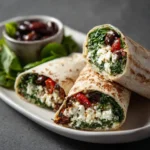
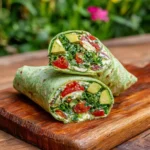
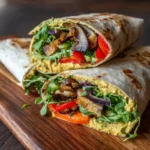
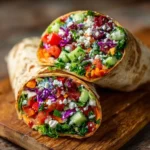
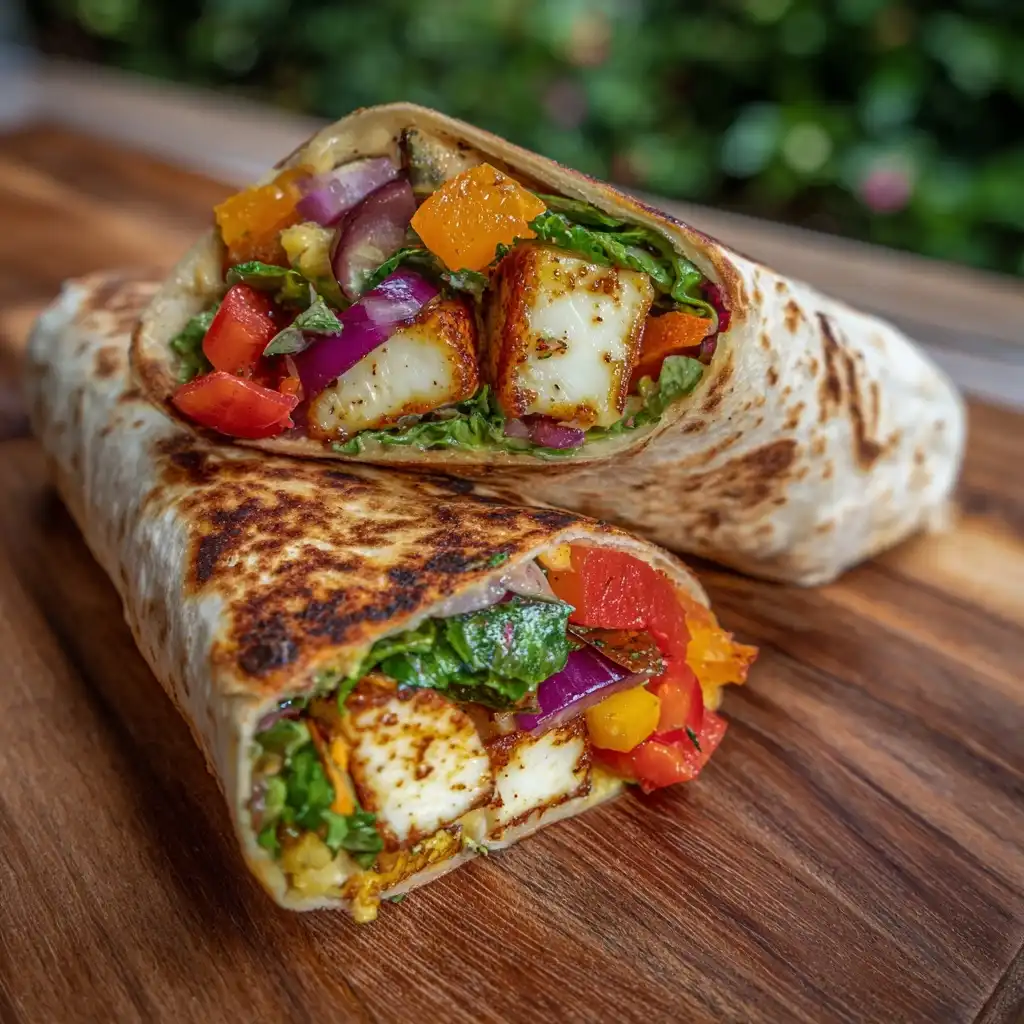
Imagine biting into a warm, golden-brown, squeaky slab of halloumi cheese nestled in a soft, pliable whole-grain wrap—surrounded by vibrant, smoky grilled vegetables, zesty lemon-tahini drizzle, and fresh herbs. The Grilled Halloumi Veggie Wrap is more than just a meal—it’s a celebration of Mediterranean flavors, textural harmony, and effortless elegance. Born from the sun-drenched kitchens of Cyprus and refined across cosmopolitan food scenes from London to Los Angeles, this wrap marries tradition with modern plant-forward sensibility. It’s vegetarian (naturally), inherently satisfying without being heavy, and adaptable enough for weeknight dinners, picnic baskets, post-workout fuel, or even elegant appetizers when deconstructed into bite-sized pinwheels. Whether you’re a lifelong halloumi devotee or encountering it for the first time, this recipe invites curiosity, customization, and deep, savory joy—all wrapped up in one delicious, handheld package.
The History
Halloumi’s story begins over 2,000 years ago on the island of Cyprus, where resourceful shepherds developed a unique brined cheese that could withstand the island’s scorching summers without refrigeration. Made traditionally from a blend of sheep’s and goat’s milk (sometimes with a touch of cow’s milk), halloumi is distinguished by its high melting point—a result of heating the curds in their own whey during production. This gives it that iconic “squeak” when bitten raw and allows it to hold its shape beautifully on the grill or in a pan. Historically, halloumi was preserved in saltwater brine and served as a protein-rich staple alongside olives, tomatoes, and flatbreads. Its global ascent began in earnest in the late 20th century, accelerated by EU Protected Designation of Origin (PDO) status granted in 2008—ensuring only cheese made in Cyprus using traditional methods can bear the true name “halloumi.” Meanwhile, the concept of the veggie wrap evolved parallel to the rise of health-conscious, portable eating culture in the 1980s and ’90s, particularly in North America and Western Europe. Food trucks, delis, and wellness cafés fused Middle Eastern flatbreads (like lavash and pita), Greek-inspired fillings, and grilling techniques—culminating in today’s Grilled Halloumi Veggie Wrap: a delicious cross-cultural heirloom that honors ancient craftsmanship while embracing contemporary values of simplicity, sustainability, and flavor-first vegetarianism.
Ingredients Breakdown
Every element in this wrap plays a deliberate role—not just in taste, but in texture, temperature contrast, acidity, and nutritional balance. Let’s explore each component with culinary intentionality:
- Halloumi Cheese (8 oz / 225g): The star. Opt for authentic Cypriot halloumi (look for PDO labeling) for superior firmness, salt balance, and grilling resilience. Its high pH and low moisture content prevent melting, while its natural saltiness amplifies other ingredients. Avoid pre-sliced versions if possible—they often contain added starches or preservatives that hinder caramelization.
- Seasonal Grilled Vegetables (about 3 cups total): A rotating cast chosen for color, sweetness, and structural integrity under heat. Classic trio: zucchini (thin ribbons or half-moons—tender-crisp, subtly sweet), red bell pepper (strips—juicy, smoky, vitamin-C rich), and red onion (¼-inch rounds—sharpness mellows into jammy sweetness). Seasonal stars: eggplant (salted & pressed first), portobello caps (umami depth), cherry tomatoes (skewered & blistered), or fennel (anise-kissed crunch).
- Extra-Virgin Olive Oil (¼ cup + more for brushing): Not just fat—it’s aromatic backbone. Use a robust, peppery Greek or Spanish EVOO for grilling; finish with a delicate, buttery Italian or Californian oil for drizzling.
- Fresh Herbs (½ cup packed): Flat-leaf parsley (bright, grassy) and mint (cool, floral) are non-negotiable. Basil adds summery sweetness; dill lends a subtle tang. Always add herbs *after* grilling to preserve volatile oils and vibrancy.
- Lemon-Tahini Sauce (¾ cup): The unifying binder. Tahini (sesame paste) provides creamy richness and calcium; fresh lemon juice cuts through fat and activates tahini’s nuttiness; garlic adds pungent depth; maple syrup or date syrup balances acidity; a pinch of cumin ties it all to the Mediterranean-Middle Eastern lineage. No dairy, no mayo—just clean, complex emulsion.
- Wraps (4 large): Choose wisely: whole-wheat or spelt tortillas offer fiber and earthy notes; spinach or tomato-infused wraps add visual pop and subtle flavor; gluten-free options like cassava or almond-flour wraps work well if certified. Warm them gently before filling—they become pliable and less prone to tearing.
- Supporting Cast (optional but transformative): Pickled red onions (for bright acidity), baby arugula (peppery bite), crumbled kalamata olives (briny umami), toasted pine nuts or slivered almonds (toasted crunch), harissa drizzle (North African heat), or a sprinkle of sumac (tart, crimson citrus note).
Step-by-Step Recipe
- Prep the Halloumi: Drain halloumi from brine and pat *extremely* dry with paper towels—moisture is the enemy of grill marks. Slice into ¼-inch thick slabs (not too thin—too fragile; not too thick—won’t cook through). Lightly brush both sides with olive oil and season with freshly ground black pepper (skip extra salt—the cheese is already salty).
- Fire Up & Prep Veggies: Preheat grill (or grill pan) to medium-high (400–425°F / 200–220°C). While heating, slice vegetables uniformly for even cooking. Toss zucchini, peppers, and onions in 2 tbsp olive oil, 1 tsp dried oregano, black pepper, and a pinch of smoked paprika (for depth). Do *not* add salt yet—the halloumi will contribute enough.
- Grill the Halloumi: Place slices directly on hot grates. Grill undisturbed for 2–3 minutes until deep golden-brown grill marks form and edges begin to curl slightly. Flip carefully with tongs (they’re sturdy but delicate) and grill 2–3 more minutes. Remove and let rest on a wire rack—this prevents steaming and keeps them crisp.
- Grill the Vegetables: Add veggies to the grill in batches, turning occasionally. Zucchini and peppers take 4–6 minutes; onions need 5–7 minutes until tender-crisp with charred edges. Remove each batch as done and let cool slightly on a tray—don’t pile them; steam makes them soggy.
- Make the Lemon-Tahini Sauce: In a bowl, whisk together ⅓ cup well-stirred tahini, 3 tbsp fresh lemon juice, 1 minced garlic clove, 1 tsp maple syrup, ¼ tsp ground cumin, ¼ tsp sea salt, and 3–4 tbsp cold water until smooth, creamy, and pourable (add water gradually—consistency should coat the back of a spoon).
- Warm & Prep Wraps: Heat wraps individually on the grill or in a dry skillet for 20–30 seconds per side until soft and pliable. Stack between a clean kitchen towel to keep warm and steamy.
- Assemble with Intention: Lay a warm wrap flat. Spread 2 tbsp lemon-tahini sauce in a wide stripe down the center, leaving 2-inch borders. Layer 2–3 halloumi slices slightly overlapping. Top with grilled veggies, a generous handful of fresh herbs, and any optional toppings (arugula, pickled onions, etc.). Drizzle lightly with extra sauce and a final thread of olive oil.
- Wrap Like a Pro: Fold bottom flap up over filling, then fold left and right flaps inward. Roll tightly away from you, tucking filling in as you go. Press seam-side down. For transport, wrap snugly in parchment paper, then foil—or serve open-faced for maximum visual appeal.
Tips
- Dry Halloumi Thoroughly: This is the #1 secret to achieving those coveted, shatteringly crisp grill marks instead of steaming.
- Don’t Crowd the Grill: Give halloumi space—overcrowding drops temperature and causes steaming instead of searing.
- Resist the Urge to Move It: Let halloumi develop crust before flipping. If it sticks, it’s not ready—wait 15–30 seconds more.
- Grill Veggies Separately: Different vegetables have different cook times. Zucchini cooks faster than onions—grill in stages to avoid mush or char.
- Rest Before Slicing (If Serving Open-Faced): Let assembled wraps sit 2–3 minutes before cutting in half—this allows flavors to marry and sauce to gently permeate.
- Use Room-Temp Halloumi: Cold cheese contracts on the grill and may crack. Take it out of the fridge 15 minutes before cooking.
- Double the Sauce: It keeps refrigerated for 5 days—and doubles as a dip for pita chips, a dressing for grain bowls, or a marinade base for tofu or chicken.
- Grill Pan Hack: No outdoor grill? Use a cast-iron grill pan over medium-high heat. Preheat 5 minutes, then proceed as directed. A flat griddle works too—just reduce heat slightly to prevent burning.
- Wrap Tightness Matters: Too loose = filling falls out. Too tight = wrap tears. Aim for snug but yielding pressure—like rolling a sushi mat.
- Toast Your Wraps After Filling: For restaurant-level crispness, place the finished wrap seam-side down in a lightly oiled skillet over medium heat for 60–90 seconds per side until golden and slightly blistered.
Variations and Customizations
This recipe is a canvas—not a commandment. Here’s how to make it yours:
- Vegan Version: Swap halloumi for grilled, marinated tofu (pressed extra-firm, soaked in lemon-zest-tamari-maple marinade) or store-bought vegan halloumi (brands like Violife or Follow Your Heart). Boost umami with sautéed shiitakes or sun-dried tomatoes.
- Gluten-Free: Use certified GF wraps (cassava, coconut, or almond flour-based). Ensure tahini and spices are GF-certified (some blends contain wheat starch).
- Low-Carb/Keto: Skip the wrap entirely! Serve grilled halloumi and veggies over a bed of massaged kale or shredded cabbage, drizzled generously with sauce. Or use large butter lettuce leaves as scoops.
- Mediterranean Twist: Add crumbled feta, chopped cucumber, diced tomato, and a sprinkle of dried oregano and lemon zest.
- Lebanese-Inspired: Swap tahini sauce for toum (garlic sauce), add pickled turnips, and garnish with pomegranate arils and fresh mint.
- Spicy Southwest: Brush halloumi with chipotle adobo before grilling; swap veggies for grilled corn, black beans, and poblano strips; use lime-cilantro crema instead of tahini.
- Breakfast Wrap: Add a soft-scrambled egg or avocado slices, and a pinch of za’atar or everything bagel seasoning.
- Meal Prep Friendly: Grill halloumi and veggies ahead; store separately in airtight containers for up to 4 days. Assemble wraps fresh—sauce and herbs stay brightest when added last minute.
- Kid-Friendly: Skip raw garlic in sauce; add mild roasted sweet potato cubes and a sprinkle of shredded cheddar for familiarity.
- Gourmet Upgrade: Marinate halloumi 30 minutes in olive oil, lemon zest, thyme, and cracked pink peppercorns. Finish wrap with edible flowers (nasturtiums, pansies) and microgreens.
Health Considerations and Nutritional Value
Per serving (1 wrap, approx. 520 calories), this Grilled Halloumi Veggie Wrap delivers impressive macro- and micronutrient synergy:
- Protein Powerhouse: Halloumi provides ~14g high-quality, complete protein per serving—including all nine essential amino acids. Paired with tahini (5g protein) and vegetables, it supports muscle maintenance and satiety.
- Smart Fats: Olive oil and tahini supply monounsaturated fats (heart-healthy oleic acid) and omega-6 fatty acids in balanced ratio—anti-inflammatory and supportive of cholesterol metabolism.
- Fiber-Rich Foundation: Whole-grain wraps (~6–8g fiber) plus grilled vegetables (zucchini: 2g/serving; peppers: 3g) promote digestive health, steady blood sugar, and prolonged fullness—crucial for weight management.
- Vitamin & Mineral Density: Red peppers deliver >200% DV vitamin C; spinach or arugula add vitamins K and A; halloumi is naturally rich in calcium (70% DV), selenium, and zinc; lemon juice enhances non-heme iron absorption from plant foods.
- Sodium Note: Halloumi is naturally high in sodium (approx. 350mg per serving). To moderate intake: rinse briefly before grilling, skip added salt on veggies, and choose low-sodium wraps. Those with hypertension should enjoy 2–3x/week rather than daily.
- Dairy Consideration: Halloumi is lower in lactose than most cheeses due to its production method—many lactose-sensitive individuals tolerate it well. Always consult your healthcare provider if uncertain.
- Not Just “Vegetarian”—It’s Nutrient-Dense Vegetarian: Unlike many meatless meals reliant on refined carbs or cheese-only fillings, this wrap prioritizes whole-food vegetables, healthy fats, and functional herbs—making it a truly nourishing, not just abstinent, choice.
Ingredients
- 8 oz (225g) block halloumi cheese, drained and patted very dry
- 1 medium zucchini, sliced lengthwise into ¼-inch ribbons
- 1 large red bell pepper, deseeded and cut into ½-inch strips
- 1 small red onion, cut into ¼-inch rounds
- ¼ cup extra-virgin olive oil (plus more for brushing)
- 1 tsp dried oregano
- Freshly ground black pepper
- ½ tsp smoked paprika (optional, for depth)
- 4 large whole-wheat or spelt tortillas (10-inch diameter)
- ½ cup packed flat-leaf parsley leaves
- ¼ cup packed fresh mint leaves
- ¼ cup toasted pine nuts or slivered almonds (optional)
- 2 tbsp pickled red onions (optional)
- 2 cups baby arugula (optional)
For the Lemon-Tahini Sauce:
- ⅓ cup well-stirred tahini (preferably hulled, untoasted)
- 3 tbsp fresh lemon juice (about 1 large lemon)
- 1 garlic clove, finely minced or grated
- 1 tsp pure maple syrup or date syrup
- ¼ tsp ground cumin
- ¼ tsp fine sea salt
- 3–4 tbsp cold water (to adjust consistency)
Directions
- In a small bowl, whisk together tahini, lemon juice, garlic, maple syrup, cumin, and salt. Whisk vigorously, then add water 1 tablespoon at a time until smooth, creamy, and pourable—like heavy cream. Set aside.
- Preheat grill or grill pan to medium-high (400–425°F). Brush grates lightly with oil.
- Pat halloumi extremely dry. Slice into ¼-inch thick slabs. Brush both sides lightly with olive oil and season generously with black pepper.
- In a bowl, toss zucchini, bell pepper, and red onion with 2 tablespoons olive oil, oregano, smoked paprika (if using), and several grinds of black pepper.
- Grill halloumi 2–3 minutes per side until deeply golden and slightly puffed. Transfer to a wire rack; let rest 2 minutes.
- Grill vegetables in batches: zucchini and peppers 4–5 minutes, turning once; onions 5–7 minutes until tender-crisp and charred. Remove and let cool slightly on a tray.
- Warm tortillas on the grill or in a dry skillet for 20–30 seconds per side until soft and pliable. Keep wrapped in a clean kitchen towel.
- Assemble: Spread 2 tablespoons lemon-tahini sauce down center of each wrap. Layer with 2–3 halloumi slices, grilled veggies, herbs, arugula, pickled onions, and toasted nuts.
- Drizzle with extra sauce and a final thread of olive oil. Fold bottom edge up, then fold in sides, and roll tightly. Serve immediately—or wrap in parchment + foil for on-the-go enjoyment.
FAQ
- Can I bake halloumi instead of grilling?
- Absolutely! Preheat oven to 425°F (220°C). Place halloumi slices on a parchment-lined baking sheet. Bake 12–15 minutes, flipping halfway, until golden and slightly puffed. Broil 1–2 minutes for extra crispness—but watch closely!
- Why does my halloumi stick to the grill?
- Two main culprits: insufficient preheating (grill must be hot enough to sear instantly) or excess moisture on the cheese. Pat *thoroughly* dry—and never move it until it releases naturally.
- Can I make this ahead for lunch prep?
- Yes—with smart layering. Grill halloumi and veggies up to 4 days ahead; store separately in airtight containers. Make sauce up to 5 days ahead. Assemble wraps the morning of—wrap tightly in parchment then foil. Sauce stays vibrant, veggies retain texture, and halloumi stays squeaky.
- Is halloumi safe for pregnant people?
- Yes—if pasteurized. Most commercial halloumi sold in the US, UK, Canada, and Australia is pasteurized. Always check the label for “pasteurized milk.” Avoid raw, artisanal, or imported unlabeled versions unless verified.
- What’s the best substitute if I can’t find halloumi?
- Try paneer (Indian cheese)—it’s similarly high-melting and mild, though less salty. Queso blanco or young farmer’s cheese also work. Avoid mozzarella or feta—they melt or crumble.
- My tahini sauce seized and turned lumpy—what went wrong?
- Tahini is sensitive to cold liquids. Always start with room-temperature lemon juice and water. If it seizes, keep whisking—adding water ½ tsp at a time—until it emulsifies again. A blender ensures foolproof smoothness.
- Can I freeze grilled halloumi?
- Not recommended. Freezing alters its dense, springy texture, making it rubbery or grainy upon thawing. Best enjoyed fresh or refrigerated for short-term storage.
- How do I get maximum “squeak” from halloumi?
- Serve it slightly warm or at room temperature—not piping hot or chilled. The squeak comes from the interaction of its protein matrix and your teeth—heat relaxes it just enough to sing without dissolving.
- Are there low-sodium alternatives to halloumi?
- Look for “low-salt” halloumi (some Cypriot producers offer it). Alternatively, use grilled, marinated tempeh or extra-firm tofu pressed and baked with tamari, nutritional yeast, and lemon zest for savory depth without sodium overload.
- Can I use an air fryer?
- Yes! Air fry halloumi at 375°F (190°C) for 8–10 minutes, flipping halfway, until golden and crisp. Grill veggies separately or use the air fryer basket in batches at 400°F for 10–12 minutes, shaking halfway.
Summary
The Grilled Halloumi Veggie Wrap is a masterclass in Mediterranean minimalism—celebrating the extraordinary texture and savory depth of authentic halloumi, the caramelized sweetness of seasonal vegetables, and the bright, creamy balance of house-made lemon-tahini sauce—all enrobed in a warm, pliable whole-grain wrap.
Effortlessly customizable, nutritionally robust, and endlessly adaptable for dietary needs—from vegan and gluten-free to keto and kid-approved—it’s not just a recipe, but a versatile, joyful framework for mindful, flavorful, and deeply satisfying vegetarian eating.