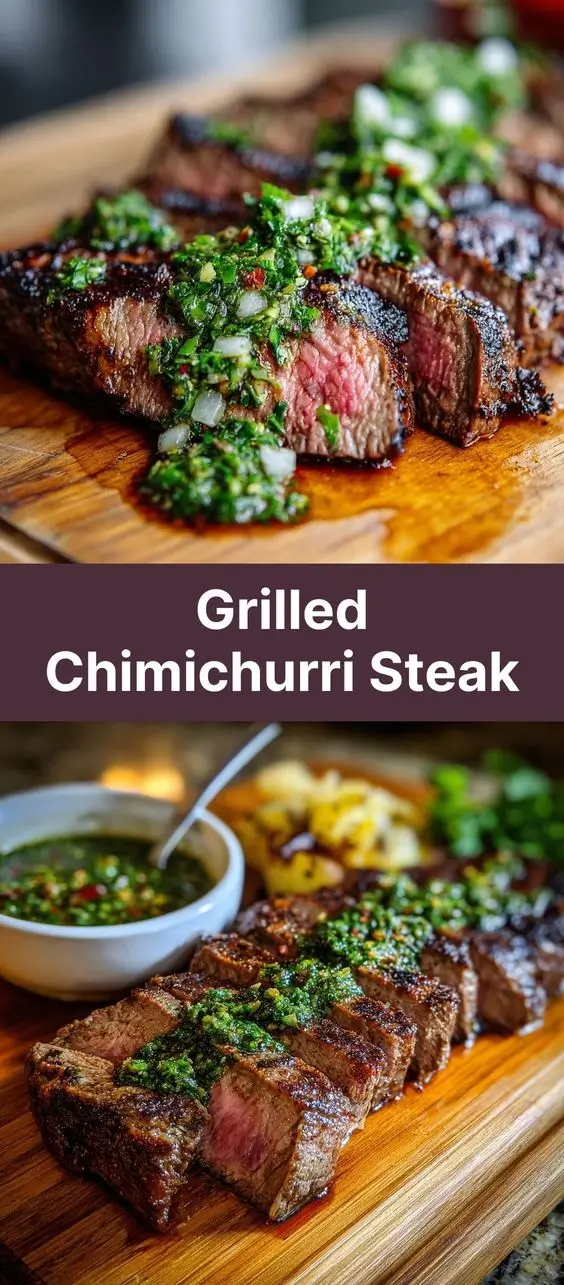
Grilled Chimichurri Steak: A Flavorful Journey from Argentina to Your Backyard
The History of Chimichurri and Grilled Steak
The story of grilled chimichurri steak begins in the lush pampas of Argentina, where gauchos—South American cowboys—roamed vast grasslands tending to cattle. Over open fires fueled by wood or charcoal, these skilled horsemen grilled beef cuts to perfection, developing a tradition that would become central to Argentine culture. While the exact origins of chimichurri sauce remain debated, most food historians believe it emerged in the 19th century as a vibrant, herb-based condiment used to enhance the flavor of grilled meats.
Some say the name “chimichurri” is derived from the English phrase “Jimmy’s curry,” a playful reference to British immigrants attempting to season meat with unfamiliar spices. Others argue it comes from Basque or Spanish roots, possibly linked to the word “tximitxurri,” meaning “a mix-up” or “mixture.” Regardless of its etymology, chimichurri became inseparable from Argentine asado—the country’s cherished barbecue tradition—and eventually spread across Latin America and the world.
Today, grilled chimichurri steak is celebrated not only for its bold taste but also for symbolizing communal dining, slow cooking, and respect for high-quality ingredients. From backyard barbecues in Texas to gourmet restaurants in Paris, this dish continues to captivate palates with its rustic elegance and zesty freshness.
Ingredients Breakdown: What Makes This Dish Shine
The magic of grilled chimichurri steak lies in the harmony between perfectly cooked beef and the bright, tangy punch of homemade chimichurri sauce. Let’s dive into each component:
For the Chimichurri Sauce:
- Fresh Parsley (flat-leaf): The backbone of the sauce, providing an earthy, slightly peppery base. Flat-leaf parsley has a more robust flavor than curly varieties.
- Garlic: Freshly minced garlic adds pungency and depth. Its sharpness mellows slightly when mixed into the oil-based sauce.
- Red Wine Vinegar: Offers acidity that cuts through the richness of the steak, balancing the overall flavor profile.
- Olive Oil (extra virgin): Acts as the carrier for all flavors, adding silkiness and fruitiness. Choose a high-quality brand for best results.
- Red Pepper Flakes: Introduce gentle heat and complexity. Adjust quantity based on your spice tolerance.
- Oregano (dried): Contributes a warm, aromatic note typical of Mediterranean herbs. Some traditional recipes use fresh oregano, but dried works well here due to its concentrated flavor.
- Lemon Juice (optional): Adds brightness and enhances the vinegar’s tartness. Not always traditional, but many modern versions include it for extra zing.
- Salt and Black Pepper: Essential seasonings that bring out the natural flavors of every ingredient.
For the Steak:
- Steak Cut (e.g., Ribeye, Sirloin, Flank, or Skirt Steak): These cuts are ideal for grilling due to their marbling and ability to absorb marinades. Ribeye offers rich fat content; flank and skirt steaks are leaner but highly flavorful when sliced against the grain.
- Olive Oil: Used to coat the steak before seasoning, helping spices adhere and promoting even searing.
- Kosher Salt and Freshly Ground Black Pepper: Simple yet effective seasonings that enhance the meat’s natural umami.
- Optional Marinade Additions: Soy sauce, Worcestershire sauce, or a splash of red wine can be added for deeper flavor, though purists prefer just salt and pepper.
Step-by-Step Recipe: How to Make Grilled Chimichurri Steak
Follow these detailed steps to create a restaurant-quality grilled chimichurri steak at home.
Step 1: Prepare the Chimichurri Sauce (Can Be Made Ahead)
- Gather 1 cup of fresh flat-leaf parsley, finely chopped (remove thick stems).
- Mince 4–5 cloves of garlic depending on preference.
- In a medium bowl, combine parsley, garlic, ½ teaspoon red pepper flakes, 1 teaspoon dried oregano, ¼ cup red wine vinegar, juice of half a lemon (optional), ½ teaspoon sea salt, and freshly ground black pepper to taste.
- Slowly whisk in ¾ cup extra virgin olive oil until emulsified. The mixture should have a loose pesto-like consistency.
- Cover and let the sauce sit at room temperature for 30 minutes to allow flavors to meld. For stronger flavor, refrigerate for up to 4 hours and bring back to room temperature before serving.
Step 2: Select and Prepare the Steak
- Choose a well-marbled cut such as ribeye (1–1.5 inches thick), sirloin, flank, or skirt steak. Allow the steak to come to room temperature for about 30–45 minutes before grilling.
- Pat the steak dry with paper towels to ensure proper browning.
- Drizzle both sides lightly with olive oil, then season generously with kosher salt and freshly ground black pepper. Avoid over-seasoning—let the meat shine.
- (Optional) For added tenderness and flavor, marinate the steak in a mixture of olive oil, garlic, and a splash of red wine for 2–4 hours in the refrigerator. Bring back to room temperature before grilling.
Step 3: Preheat the Grill
- Preheat your grill to high heat (around 450°F–500°F). Gas grills should be set to high; charcoal grills should have hot coals covered with a light layer of ash.
- Clean the grates thoroughly, then oil them using tongs and a folded paper towel dipped in vegetable oil to prevent sticking.
Step 4: Grill the Steak
- Place the steak on the hottest part of the grill at a 45-degree angle to create attractive crosshatch marks.
- Grill for 4–6 minutes per side for medium-rare (internal temperature of 130°F–135°F), adjusting time based on thickness and desired doneness.
- Use a meat thermometer inserted into the thickest part (not touching bone or fat) for accuracy.
- Avoid pressing down on the steak with a spatula—this squeezes out precious juices.
- For thicker cuts like ribeye, consider the reverse-sear method: finish cooking in a 375°F oven after initial sear, then return to the grill for final char.
Step 5: Rest and Slice
- Transfer the grilled steak to a cutting board and tent loosely with foil. Let rest for 8–10 minutes. This allows juices to redistribute, ensuring a moist, tender bite.
- If using flank or skirt steak, slice thinly against the grain at a diagonal angle to maximize tenderness.
Step 6: Serve with Chimichurri
- Place the steak on a platter or individual plates.
- Spoon a generous amount of chimichurri sauce over the top or serve on the side for dipping.
- Garnish with additional chopped parsley or a drizzle of olive oil if desired.
Tips for the Perfect Grilled Chimichurri Steak
- Use Fresh Herbs: Never substitute dried parsley—it lacks the vibrancy essential to authentic chimichurri.
- Balancing Acidity: If the sauce tastes too sharp, add a touch more olive oil. Too oily? Add a splash more vinegar.
- Let Chimichurri Marinate: Even 30 minutes makes a difference, but letting it sit for 2–4 hours intensifies the flavor.
- Don’t Overcook the Steak: Especially with leaner cuts like flank, overcooking leads to toughness. Aim for medium-rare to medium.
- Resting Is Non-Negotiable: Skipping the resting step results in dry steak, no matter how well you grilled it.
- Grill Lid Up or Down? For thinner cuts (<1 inch), leave the lid open. For thicker steaks, close the lid to maintain consistent heat.
- Charcoal vs. Gas: Charcoal imparts a smokier flavor preferred by many, but gas grills offer better temperature control. Either works—just master your equipment.
- Slice Against the Grain: Crucial for tougher cuts like flank or skirt steak. Cutting perpendicular to muscle fibers shortens them, making each bite easier to chew.
Variations and Customizations
While traditional chimichurri sticks to parsley, garlic, vinegar, and oil, creative cooks have developed exciting variations:
Green Chimichurri (Traditional)
The classic version described above—bright, garlicky, and herbaceous.
Red Chimichurri (Chimichurri Rojo)
Add 2–3 roasted red peppers or a tablespoon of tomato paste for a richer, slightly sweet twist. Some versions include a small amount of smoked paprika.
Herb Variations
Substitute up to one-third of the parsley with fresh cilantro, oregano, or even mint for a unique profile. Cilantro brings a citrusy note popular in some Mexican adaptations.
Spice Level Adjustments
For milder sauce, omit red pepper flakes entirely. For heat lovers, add a finely diced jalapeño or serrano pepper, or a few drops of hot sauce.
Marinated Chimichurri Steaks
Soak flank or skirt steak in half the chimichurri sauce for 2–4 hours before grilling. Reserve the other half for serving. Note: Do not reuse marinade that touched raw meat unless boiled first.
Alternative Cooking Methods
- Pan-Seared: Use a cast-iron skillet on high heat for indoor preparation. Finish with a spoonful of butter and garlic for basting.
- Broiling: Place steak on a broiler pan under high heat, flipping once. Watch closely to avoid burning.
- Smoking: Smoke the steak at 225°F until internal temp reaches 115°F, then reverse-sear on a hot grill for crust.
Dietary Adaptations
- Keto-Friendly: Naturally low-carb and keto-compliant. Serve with cauliflower mash or grilled vegetables.
- Gluten-Free: Ensure all ingredients (especially vinegar and seasonings) are certified gluten-free if needed.
- Dairy-Free: No dairy involved—perfect for lactose-sensitive individuals.
Health Considerations and Nutritional Value
Grilled chimichurri steak isn’t just delicious—it can be part of a balanced diet when enjoyed in moderation.
Nutritional Highlights (per 6 oz ribeye steak + ¼ cup chimichurri sauce):
- Calories: ~550 kcal
- Protein: ~42g (excellent source for muscle repair and satiety)
- Fat: ~40g (mostly unsaturated from olive oil; saturated fat present in beef)
- Carbohydrates: ~4g (primarily from herbs and vinegar)
- Fiber: ~1g
- Vitamin K: High (from parsley—supports blood clotting and bone health)
- Vitamin C: Moderate (parsley and lemon juice contribute immune-boosting vitamin C)
- Iron: Rich in heme iron (highly absorbable form found in animal products)
- Zinc and B Vitamins: Abundant in beef, supporting metabolism and immune function
Health Tips:
- Portion Control: Stick to 4–6 oz portions to manage saturated fat intake.
- Choose Leaner Cuts: Opt for sirloin or flank steak if monitoring fat consumption.
- Heart-Healthy Fats: Extra virgin olive oil contains monounsaturated fats linked to reduced cardiovascular risk.
- Antioxidant-Rich Sauce: Parsley and garlic contain antioxidants that may reduce inflammation.
- Limit Sodium: Reduce added salt in both steak and sauce if managing hypertension. Use potassium-rich herbs to boost flavor naturally.
- Grilling Safety: Avoid charring excessively, as burnt meat can produce heterocyclic amines (HCAs), potentially carcinogenic compounds. Marinating in acidic mixtures like chimichurri may help reduce HCA formation.
Ingredients
For the Chimichurri Sauce:
- 1 cup fresh flat-leaf parsley, finely chopped
- 4–5 garlic cloves, minced
- ¾ cup extra virgin olive oil
- ¼ cup red wine vinegar
- 1 tsp dried oregano
- ½ tsp red pepper flakes (adjust to taste)
- Juice of ½ lemon (optional)
- ½ tsp sea salt
- Freshly ground black pepper to taste
For the Steak:
- 2 steaks (ribeye, sirloin, flank, or skirt), 6–8 oz each, 1–1.5 inches thick
- 1 tbsp olive oil (for coating steak)
- 1 tsp kosher salt
- ½ tsp freshly ground black pepper
Directions
- Make the chimichurri: In a bowl, combine parsley, garlic, oregano, red pepper flakes, red wine vinegar, lemon juice (if using), salt, and pepper. Whisk in olive oil until blended. Let sit for 30+ minutes before serving.
- Prepare the steak: Remove from fridge 30–45 minutes before grilling. Pat dry, brush with olive oil, and season with salt and pepper.
- Heat the grill: Preheat to high (450°F–500°F). Clean and oil grates.
- Grill the steak: Place on grill at an angle. Cook 4–6 minutes per side for medium-rare, or until internal temperature reaches 130°F–135°F.
- Rest the steak: Transfer to a plate, tent with foil, and rest for 8–10 minutes.
- Slice (if applicable): Cut flank or skirt steak against the grain into thin strips.
- Serve: Plate steak and spoon chimichurri generously on top. Serve immediately.
FAQ
Can I make chimichurri ahead of time?
Yes! Chimichurri tastes even better after sitting for a few hours. Store in an airtight container in the refrigerator for up to 5 days. Bring to room temperature before serving.
Can I freeze chimichurri sauce?
Yes, though texture may change slightly due to oil separation. Freeze in ice cube trays, then transfer to a bag. Thaw in the fridge and re-whisk before use.
What steak is best for chimichurri?
Ribeye, flank, skirt, and sirloin are top choices. Flank and skirt absorb flavors well and pair beautifully with the sauce.
Is chimichurri spicy?
Traditionally, it has mild heat from red pepper flakes. Adjust to your preference or omit for a gentler taste.
Can I use dried parsley?
No—dried parsley lacks the freshness and color vital to chimichurri. Always use fresh.
How do I store leftover grilled steak?
Cool within two hours, then refrigerate in an airtight container for up to 4 days. Reheat gently in a skillet or enjoy cold in salads.
Can I use white wine vinegar instead of red wine vinegar?
Yes, though red wine vinegar provides a deeper, fruitier acidity. White wine vinegar is lighter but still effective.
Why did my chimichurri separate?
Oil and vinegar naturally separate. Simply whisk or shake before serving to recombine.
Can I blend the chimichurri?
You can, but traditionally it’s hand-chopped for texture. Blending creates a smoother, pesto-like consistency—acceptable in modern takes.
Is grilled chimichurri steak suitable for special diets?
It’s naturally gluten-free, dairy-free, keto-friendly, and paleo-compliant. Just verify ingredient labels if strict dietary needs apply.
Summary
Grilled chimichurri steak combines succulent, perfectly seared beef with a vibrant, herb-packed sauce rooted in Argentine tradition. Easy to make yet impressive enough for guests, it’s a celebration of fire, flavor, and simplicity.