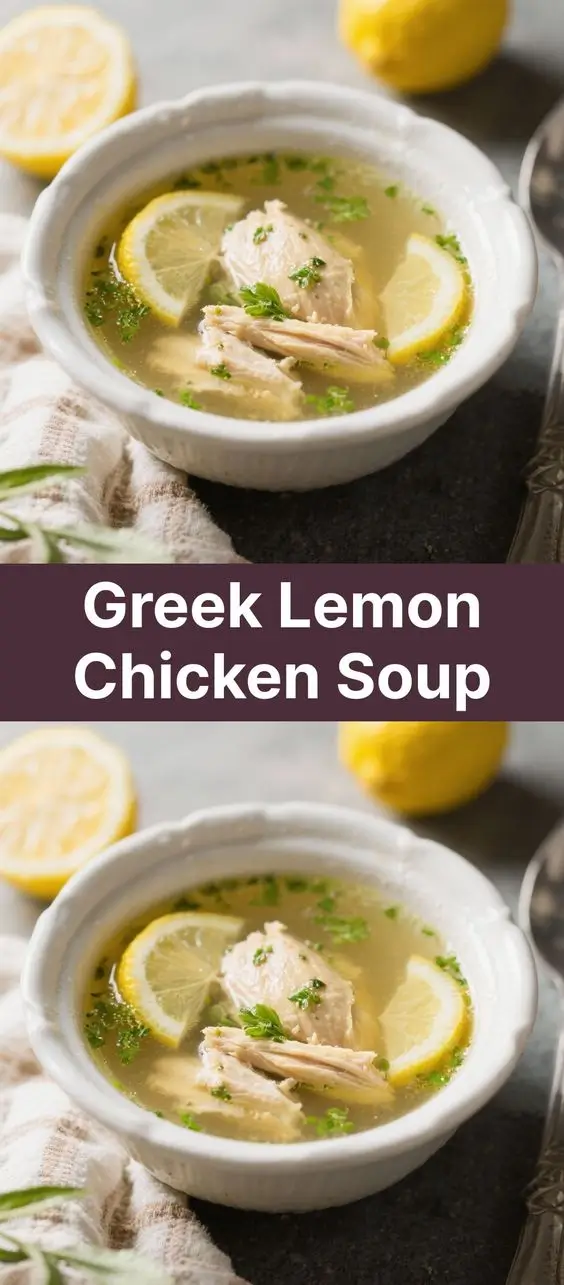
Greek Lemon Chicken Soup (Avgolemono): A Comforting Classic with a Citrus Twist
Greek Lemon Chicken Soup, known as Avgolemono in Greece, is a velvety, nourishing soup that blends the richness of chicken broth with the bright tang of lemon and the creamy texture of egg-lemon liaison. Revered for generations across Greek households and Mediterranean regions, this soul-warming dish is more than just comfort food—it’s a cultural treasure steeped in tradition, history, and culinary finesse.
The History: Tracing the Origins of Avgolemeno
The roots of Avgolemono stretch deep into the annals of Byzantine cuisine. The name itself comes from the Greek words avgo (egg) and lemoni (lemon), highlighting the soup’s defining ingredients. While its exact origin is debated, food historians believe this soup evolved during the Byzantine Empire (circa 330–1453 AD), where egg-thickened sauces were commonly used to enrich broths and stews.
Unlike roux- or cream-based soups common in Western Europe, Avgolemono uses a clever emulsion of beaten eggs and lemon juice to thicken the broth—a technique both economical and elegant. This method allowed home cooks to create luxurious textures without dairy, making it ideal for Lenten meals when animal products were restricted. Over time, the soup became a staple not only in Greece but also in Sephardic Jewish communities, parts of Turkey, and the broader Eastern Mediterranean region.
In modern times, Greek Lemon Chicken Soup has become synonymous with healing—often served to those recovering from illness due to its soothing warmth and nutrient density. It’s a centerpiece at family gatherings, holidays like Easter, and even everyday dinners, symbolizing care, tradition, and the simple beauty of well-balanced flavors.
Ingredients Breakdown: What Makes Avgolemono Unique
The magic of Greek Lemon Chicken Soup lies in its simplicity and balance. Each ingredient plays a crucial role in building flavor, texture, and nutritional value. Here’s a detailed look at what goes into an authentic Avgolemono:
- Chicken Broth – Preferably homemade from simmered chicken bones and meat, rich in collagen and depth of flavor. Store-bought low-sodium versions work in a pinch, but homemade yields superior taste.
- Chicken Meat – Usually boneless, skinless thighs or breast, poached until tender and shredded. Thighs offer more moisture and flavor, while breasts are leaner.
- Rice – Short-grain white rice (like Arborio or jasmine) is traditional. It releases starch as it cooks, naturally thickening the soup. Some variations use orzo pasta instead, turning it into a heartier “orizino” style.
- Lemon Juice – Freshly squeezed is non-negotiable. It provides the signature tartness that defines the soup. Bottled juice lacks brightness and can introduce off-flavors.
- Eggs – Large, free-range eggs are essential for the emulsion. They combine with lemon juice to form a silky sauce that thickens the hot broth without curdling when tempered properly.
- Onion and Garlic – Finely chopped onion sautéed in olive oil forms the aromatic base. Minced garlic adds depth and warmth.
- Olive Oil – Extra virgin olive oil is used for sautéing and finishing. It imparts a fruity, grassy note that complements the lemon.
- Fresh Dill – A quintessential herb in Greek cooking, dill adds a fresh, slightly anise-like aroma that lifts the entire dish.
- Salt and Black Pepper – To taste. These seasonings enhance all other components without overpowering.
- Optional Additions – Carrots, celery, bay leaf, or a splash of dry white wine can be used to deepen the broth’s complexity.
The synergy between the egg-lemon mixture and the hot broth is what sets Avgolemono apart. This emulsion creates a smooth, custard-like consistency without any cream or flour—making it naturally gluten-free (if using rice) and suitable for many dietary preferences.
Step-by-Step Recipe: How to Make Authentic Greek Lemon Chicken Soup
Follow this detailed guide to prepare a restaurant-quality bowl of Avgolemono in your own kitchen. With patience and attention to tempering, you’ll achieve a perfectly smooth, vibrant soup every time.
Ingredients
- 1 lb (450g) boneless, skinless chicken breasts or thighs
- 8 cups (2 liters) chicken broth (homemade preferred)
- 1 cup (180g) short-grain white rice (Arborio or jasmine)
- 1 medium yellow onion, finely diced
- 2 cloves garlic, minced
- 3 tbsp extra virgin olive oil
- 4 large eggs
- ⅔ cup (160ml) freshly squeezed lemon juice (from about 4–5 lemons)
- ¼ cup fresh dill, finely chopped
- Salt and freshly ground black pepper, to taste
- Optional: 1 carrot, finely diced; 1 celery stalk, diced; 1 bay leaf
Directions
- Poach the Chicken: Place the chicken in a large pot and cover with chicken broth. Bring to a gentle simmer over medium heat. Cook for 15–20 minutes until the chicken is fully cooked through (internal temperature of 165°F/74°C). Remove chicken, reserve broth, and let chicken cool slightly. Shred into bite-sized pieces using two forks. Set aside.
- Prepare the Aromatics: In the same pot (now emptied of chicken but full of reserved broth), heat olive oil over medium heat. Add diced onion and optional carrot and celery. Sauté for 6–8 minutes until softened and translucent. Stir in garlic and cook for another 30 seconds until fragrant.
- Cook the Rice: Add the rice to the pot and stir to coat with oil. Pour in the reserved chicken broth. If needed, add a bit more water or broth to maintain 8 cups total liquid. Add bay leaf if using. Bring to a boil, then reduce heat to low, cover, and simmer for 15–18 minutes, or until rice is tender and beginning to break down slightly.
- Shred and Return Chicken: Once rice is cooked, remove the bay leaf and stir in the shredded chicken. Keep the soup on very low heat—do not boil at this stage.
- Temper the Eggs and Lemon (Avgolemono Mixture): In a medium bowl, whisk together the eggs until smooth. Gradually add the lemon juice while continuing to whisk. This mixture must be well combined and frothy.
- Tempering Process (Critical Step): Slowly ladle about 1½ cups of the hot broth from the soup into the egg-lemon mixture, whisking constantly. This gradual addition raises the temperature of the eggs without cooking them prematurely (preventing scrambling).
- Thicken the Soup: Once tempered, slowly pour the egg-lemon mixture back into the main pot, stirring continuously. Mix gently but thoroughly. Allow the soup to warm over the lowest possible heat for 3–5 minutes—do not let it boil, or the eggs will curdle.
- Finish and Serve: Remove from heat. Stir in most of the fresh dill, reserving some for garnish. Taste and adjust seasoning with salt and pepper. The soup should be creamy, tangy, and fragrant.
- Garnish and Enjoy: Ladle into bowls and sprinkle with remaining dill. Drizzle with a touch of extra virgin olive oil for added richness, if desired.
Tips for Perfect Greek Lemon Chicken Soup
- Use Fresh Lemon Juice: Never substitute bottled lemon juice. Freshly squeezed lemons provide the bright acidity essential to the dish’s character.
- Temper Carefully: This is the most crucial step. Adding the hot broth too quickly or failing to whisk will result in scrambled eggs. Go slow and steady.
- Low Heat Only: After adding the avgolemono mixture, keep the soup below simmering point. Even small bubbles can break the emulsion.
- Choose the Right Rice: Short-grain rice works best because it releases more starch, contributing to the soup’s creamy body.
- Make Ahead Tip: You can prepare the soup base (broth, chicken, rice) up to a day in advance. Refrigerate separately from the egg-lemon mixture. Reheat gently before tempering and finishing.
- Storage: Store leftovers in an airtight container in the refrigerator for up to 3 days. Reheat very gently on the stove over low heat, stirring frequently. Note: The soup may thicken upon cooling; thin with a little water or broth when reheating.
- No Microwave Finish: Avoid microwaving the soup after adding the egg-lemon mixture, as uneven heating will cause curdling.
Variations and Customizations
While traditional Avgolemono is beloved in its classic form, regional and personal twists abound. Here are several popular variations to suit different tastes and dietary needs:
- Orzo Avgolemono: Replace rice with orzo pasta for a thicker, more substantial soup. Toast the orzo lightly in olive oil before adding broth for enhanced flavor.
- Vegetarian Version: Omit chicken and use mushroom or vegetable broth. Add diced potatoes or chickpeas for protein and texture. Ensure the egg-lemon emulsion is still used for authenticity.
- Dairy-Enhanced Creaminess: Though not traditional, a splash of heavy cream or Greek yogurt (added off-heat) can make the soup even richer.
- Spicy Kick: Add a pinch of red pepper flakes or a dash of cayenne when sautéing onions for a subtle heat.
- Herb Variations: Substitute dill with parsley or a mix of parsley and mint for a different herbal profile.
- Gluten-Free Orzo Alternative: Use gluten-free orzo or quinoa instead of rice to cater to gluten-sensitive diets.
- Seafood Avgolemono: In coastal regions, fish or shellfish broth with poached cod or shrimp is used for a delicate, briny version.
- Fasting-Friendly (Nistisimos): During religious fasts, Greeks make a vegan version using only vegetables, legumes, and omitting eggs and chicken. Potato-based versions are common.
Health Considerations and Nutritional Value
Greek Lemon Chicken Soup isn’t just delicious—it’s also packed with health benefits that contribute to overall wellness. Here’s a breakdown of its nutritional profile and therapeutic qualities:
Nutritional Highlights (Per Serving, Approx. 1.5 cups):
- Calories: ~280–320 kcal
- Protein: 25–30g (supports muscle repair and immune function)
- Carbohydrates: 30–35g (mainly from rice, providing sustained energy)
- Fat: 8–10g (mostly heart-healthy monounsaturated fats from olive oil)
- Vitamin C: High (from lemon juice—boosts immunity and aids iron absorption)
- B Vitamins: Especially B12 and B6 (from eggs and chicken—support metabolism and brain health)
- Iron and Zinc: Important for oxygen transport and immune defense
- Antioxidants: From dill and lemon (fight oxidative stress)
Health Benefits:
- Supports Immune Function: The high vitamin C content from lemon juice helps fight infections, making this soup ideal during cold and flu season.
- Hydrating and Soothing: Warm broth alleviates congestion and keeps you hydrated—especially helpful when sick.
- Easy to Digest: The smooth texture and gentle ingredients make it suitable for sensitive stomachs or post-illness recovery.
- Anti-Inflammatory Properties: Olive oil contains oleocanthal, a natural compound with anti-inflammatory effects similar to ibuprofen.
- Collagen-Rich (If Homemade Broth): Bone-in chicken simmered long enough releases collagen, which supports joint, skin, and gut health.
- Balanced Macronutrients: Offers a good mix of protein, complex carbs, and healthy fats—ideal for sustained energy and satiety.
Dietary Notes:
- Gluten-Free: Yes, if made with rice and certified GF broth.
- Dairy-Free: Yes, by default—no milk or cream required.
- Keto-Friendly? Not traditionally, due to rice. However, you can reduce carbs by using cauliflower rice (though texture will differ).
- High Cholesterol Concerns: Contains eggs—those monitoring cholesterol should consume in moderation. Egg whites can be used instead of whole eggs to reduce fat and cholesterol.
Frequently Asked Questions (FAQ)
Why did my soup curdle?
Curdling usually happens when the egg-lemon mixture is exposed to too much heat too quickly. Always temper the eggs by slowly adding hot broth while whisking, and never let the soup boil after adding the avgolemono mixture.
Can I freeze Greek Lemon Chicken Soup?
Freezing is not recommended due to the egg content. When thawed and reheated, the emulsion often breaks, resulting in a grainy texture. It’s best enjoyed fresh or stored refrigerated for up to 3 days.
Can I make this soup ahead of time?
Yes! Prepare the broth, chicken, and rice base in advance and refrigerate. When ready to serve, reheat gently and then prepare and temper the egg-lemon mixture fresh.
What can I use instead of rice?
You can substitute with orzo, quinoa, barley, or even small pasta like pastina. For low-carb options, try cauliflower rice (add at the end to avoid mushiness).
Is Avgolemono served hot or cold?
Traditionally served hot, though some enjoy it warm or even slightly chilled in summer. Never serve it boiling hot after adding eggs.
Can I use lime instead of lemon?
Lime changes the flavor profile significantly and is more acidic. While it might work in a pinch, it won’t taste authentically Greek. Stick to lemon for best results.
How do I fix a broken emulsion?
If the soup starts to curdle, immediately remove from heat and blend with an immersion blender for a smoother texture. Alternatively, start with a fresh egg yolk, whisk in a little hot broth, then slowly incorporate the broken soup.
Can I double the recipe?
Yes, but ensure you have a large enough pot and increase the tempering volume accordingly. Double the egg-lemon mixture and take extra care when combining.
Summary
Greek Lemon Chicken Soup (Avgolemono) is a timeless, creamy, and tangy soup made from chicken broth, shredded chicken, rice, and a silky egg-lemon emulsion, embodying centuries of Mediterranean tradition and culinary wisdom.
Delicious, nutritious, and healing, this comforting dish balances bright citrus notes with savory depth, making it a beloved favorite for families, food lovers, and anyone seeking a taste of authentic Greek hospitality.