Introduction
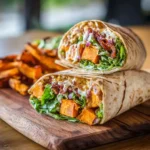
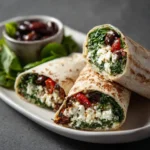
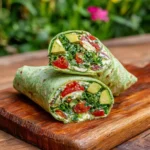
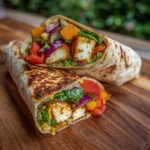
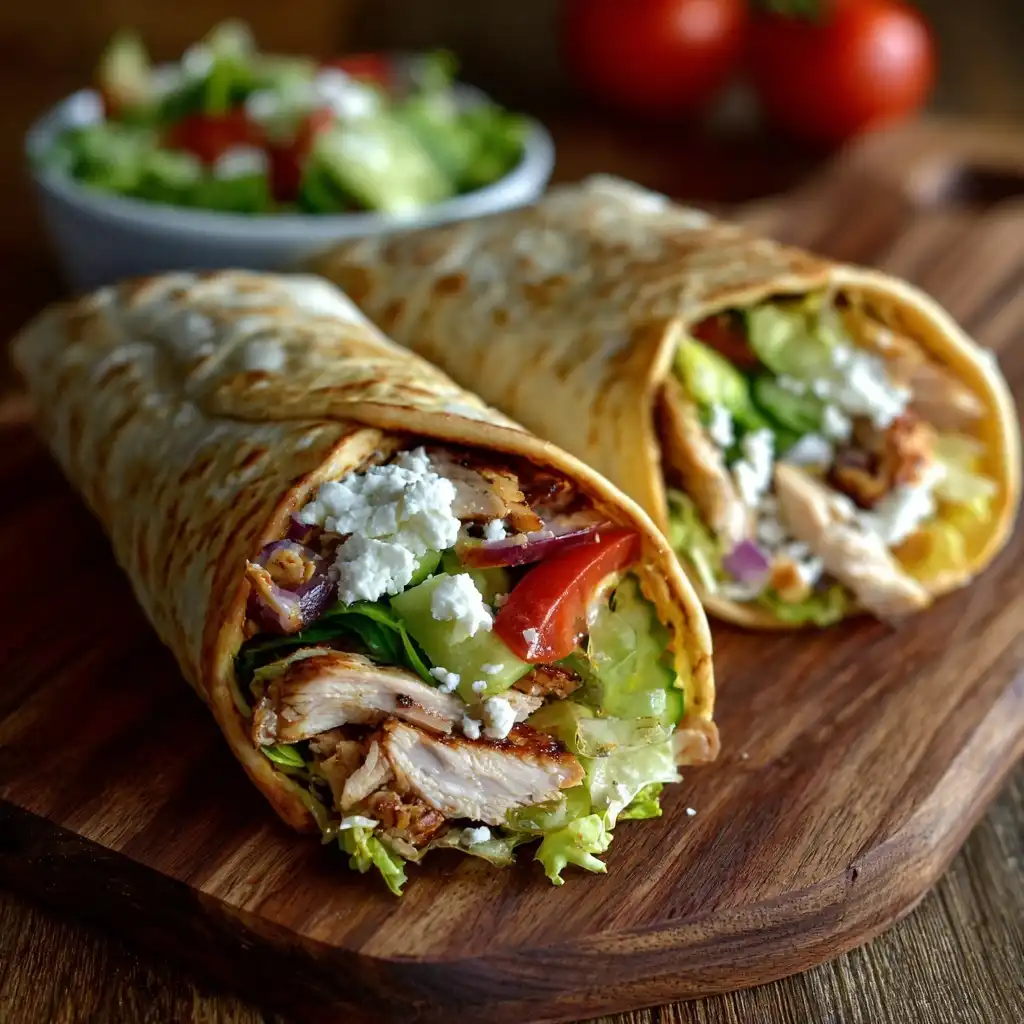
The Greek Chicken Gyro Wrap is a vibrant, flavorful, and satisfying fusion of Mediterranean tradition and modern convenience—bringing the soul of Athens to your kitchen table. Unlike its lamb-based counterpart, this version celebrates lean, marinated chicken breast or thigh, slow-cooked or grilled to tender perfection, then nestled in warm pita bread with crisp vegetables, creamy tzatziki, and bold herbal notes. It’s more than just street food—it’s a culinary narrative of sun-drenched islands, bustling Athenian markets, and generations-old techniques reimagined for today’s health-conscious, time-aware home cooks. Whether served at a summer picnic, packed for lunch, or enjoyed as a weeknight dinner, the Greek Chicken Gyro Wrap delivers bold authenticity without compromise—balancing zest, creaminess, smokiness, and freshness in every bite.
The History
The gyro (pronounced “YEE-roh”) traces its roots to early 20th-century Greece, evolving from the Turkish döner kebab and Middle Eastern shawarma, but it was distinctly Hellenized through local ingredients, spices, and preparation methods. While traditional gyros originally featured pork or lamb stacked vertically on a rotisserie, chicken gyros emerged later—first gaining traction in Greek-American communities during the mid-to-late 20th century as a leaner, more accessible alternative. In Greece itself, chicken gyros became increasingly popular from the 1980s onward, especially in urban centers and tourist hubs where demand for lighter, quicker, and family-friendly options soared. The wrap format—as opposed to the classic open-faced pita pocket—was largely an American innovation, born from food trucks, campus cafeterias, and health-focused eateries seeking portability, reduced mess, and customizable layering. Today, the Greek Chicken Gyro Wrap stands as a transatlantic symbol of culinary adaptation: honoring regional herbs like oregano and dill, respecting yogurt-based sauces rooted in pastoral dairy traditions, and embracing the global shift toward protein-forward, vegetable-rich, minimally processed meals—all while retaining unmistakable Greek soul.
Ingredients Breakdown
Every exceptional Greek Chicken Gyro Wrap begins with intentionality—not just in selection, but in understanding *why* each component matters:
- Chicken: Boneless, skinless chicken breasts (for leanness and clean flavor) or thighs (for juiciness and forgiving texture). Thinly sliced or butterflied for even marinade penetration and rapid cooking.
- Marinade Base: Extra-virgin olive oil acts as both carrier and flavor enhancer—rich in polyphenols and essential for tenderizing. Fresh lemon juice provides acidity to break down proteins while adding brightness; its citric acid also helps preserve color and prevent oxidation.
- Aromatic Alliums: Finely minced garlic and red onion contribute enzymatic depth (alliinase in garlic activates under acid/heat) and subtle sweetness when caramelized during grilling.
- Dried Herbs: Authentic Greek oregano (Origanum vulgare hirtum)—earthy, slightly peppery, and far more robust than Mexican or common oregano—is non-negotiable. A whisper of dried dill adds floral-anise nuance reflective of Aegean coastal cuisine.
- Warm Spices: Smoked paprika (not sweet or hot) imparts gentle smokiness reminiscent of charcoal-grilled souvlaki; a pinch of ground cumin bridges Greek and Levantine palates without overpowering.
- Salt & Pepper: Diamond Crystal kosher salt ensures even seasoning and optimal moisture retention; freshly cracked black pepper adds volatile aromatic oils that bloom under heat.
- Tzatziki Sauce: Full-fat, strained Greek yogurt (5%–10% fat) provides body, tang, and probiotic richness. Cucumber must be deseeded and salted then squeezed dry—this prevents watery separation and concentrates vegetal sweetness. Fresh dill and mint lend dual herbal dimensions: dill for grassy depth, mint for cooling lift.
- Pita Bread: Authentic Greek pita is soft, pliable, and pocketless—a round, slightly puffed flatbread baked at high heat. For wraps, seek “gyro pita” or “wrap pita”: thicker than lahmajoun bread but thinner than Turkish lavash, with enough elasticity to hold fillings without tearing. Whole wheat or sourdough-fermented versions add fiber and nuanced fermentation notes.
- Fresh Vegetables: Shredded romaine or iceberg offers cool crunch and neutral base; thinly sliced red onion adds sharp-sweet bite; ripe tomato (heirloom or vine-ripened) contributes umami-rich juiciness; crumbled feta cheese (PDO-protected sheep’s milk feta from Lesbos or Serres) delivers salty, tangy, granular complexity that melts slightly against warm chicken.
- Optional Garnishes: Kalamata olives (pitted, halved), fresh oregano sprigs, lemon wedges for finishing acidity, and a drizzle of high-quality olive oil infused with lemon zest or oregano.
Step-by-Step Recipe
- Prepare the Chicken: Place 1.5 lbs (680 g) boneless, skinless chicken breasts or thighs on a clean cutting board. Using a sharp chef’s knife, slice *against the grain* into ½-inch thick strips (for tenderness), or butterfly whole pieces to ¼-inch thickness. Place in a non-reactive bowl (glass or stainless steel).
- Make the Marinade: In a separate bowl, whisk together ⅓ cup extra-virgin olive oil, ¼ cup freshly squeezed lemon juice, 4 large garlic cloves (minced to a paste), 1 small red onion (finely grated), 2 tsp dried Greek oregano, 1 tsp smoked paprika, ½ tsp ground cumin, 1 tsp Diamond Crystal kosher salt, and ½ tsp freshly cracked black pepper. Taste marinade—it should taste boldly seasoned, as some salt will remain on the surface after cooking.
- Marinate: Pour marinade over chicken, ensuring all pieces are fully coated. Cover and refrigerate for *minimum 2 hours*, ideally 4–8 hours (but no longer than 24 hours—excess acid can cause mushiness). Flip once halfway through.
- Prep Tzatziki: While chicken marinates, peel and grate 1 medium English cucumber (about 1 cup). Place in a clean kitchen towel and squeeze *vigorously* until nearly dry. In a medium bowl, combine 1.5 cups full-fat Greek yogurt, squeezed cucumber, 2 tbsp fresh dill (chopped fine), 1 tbsp fresh mint (chopped), 1 small garlic clove (minced), 1 tbsp lemon juice, ½ tsp salt, and 2 tbsp olive oil. Stir gently. Refrigerate covered for at least 30 minutes to allow flavors to meld.
- Cook the Chicken: Heat a cast-iron skillet, grill pan, or outdoor grill to medium-high (375–400°F / 190–200°C). Lightly oil the surface. Shake excess marinade from chicken (do not rinse). Cook in batches without crowding: 3–4 minutes per side for breast, 4–5 minutes per side for thighs, until deeply golden, slightly charred at edges, and internal temperature reaches 165°F (74°C). Transfer to a wire rack to rest 5 minutes—this retains juices and prevents soggy pita.
- Warm the Pita: Heat a dry skillet over medium heat. Warm each pita for 20–30 seconds per side until pliable and lightly toasted. Alternatively, wrap 4 pitas in damp paper towels and microwave for 20 seconds. Keep wrapped in a clean kitchen towel to retain steam and flexibility.
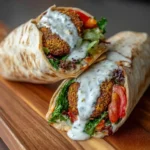
- Assemble the Wrap: Lay one warm pita flat on a clean surface. Spread 3–4 tbsp tzatziki in a horizontal stripe across the center, leaving 2-inch margins on left and right. Layer 4–5 oz cooked chicken evenly over sauce. Top with ½ cup shredded romaine, 2 tbsp thinly sliced red onion, 3–4 tomato slices, 2 tbsp crumbled feta, and 4–5 halved Kalamata olives (if using). Optional: a sprinkle of fresh dill or oregano, and a light drizzle of olive oil.
- Wrap with Precision: Fold the bottom third up over the filling. Fold the left and right sides inward snugly. Roll tightly upward from the bottom, tucking in loose ends as you go. If serving immediately, serve open-ended. For portable wraps, wrap tightly in parchment paper, then foil—or use reusable beeswax wrap for eco-conscious packing.
Tips
- Maximize Flavor Penetration: Score chicken lightly with a knife before marinating—especially helpful for thicker cuts—to create channels for marinade absorption without compromising structural integrity.
- Garlic Paste Secret: Rub minced garlic with a pinch of salt on your cutting board and drag the side of the knife back and forth until it forms a smooth, fragrant paste. This releases allicin and prevents harsh raw bite.
- Grill Marks Matter: For authentic char, preheat grill or skillet until smoking lightly. Place chicken perpendicular to grates, press gently for 10 seconds, then rotate 90° for crosshatch sear—adds visual appeal and traps juices.
- Tzatziki Texture Tip: Strain tzatziki again through a fine-mesh sieve for 10 minutes before serving if excess whey appears—yogurt consistency should be thick enough to mound, not pool.
- Pita Flexibility Hack: If pitas tear easily, brush each side lightly with olive oil before warming—oil lubricates gluten strands, enhancing stretch without ripping.
- Meal Prep Friendly: Marinate chicken and make tzatziki up to 3 days ahead. Store separately in airtight containers. Cook chicken day-of or up to 2 days ahead—reheat gently in skillet with 1 tsp olive oil to restore crispness.
- No-Sog Rule: Always layer tzatziki *first*, then chicken *while still warm*—its residual heat slightly melts feta and softens onions. Add cold veggies last to maintain crunch. Never assemble more than 30 minutes before serving.
- Leftover Magic: Shred leftover chicken and fold into Greek-style omelets, grain bowls with farro and roasted peppers, or stuff into hollowed zucchini boats with feta and herbs for a low-carb twist.
Variations and Customizations
This recipe is gloriously adaptable—celebrating regional diversity, dietary needs, seasonal abundance, and personal preference—without sacrificing authenticity:
- Vegetarian Gyro Wrap: Replace chicken with marinated, grilled halloumi cheese (sliced ½-inch thick, marinated 30 min in lemon-oregano oil) or spiced chickpea patties (mashed chickpeas, cumin, coriander, tahini, breadcrumbs, pan-fried until golden).
- Low-Carb/Keto Option: Skip pita entirely. Serve chicken and toppings over a bed of butter lettuce cups or in nori sheets for a Mediterranean “sushi wrap.” Increase healthy fats with avocado slices and extra olive oil.
- Whole30/Paleo Compliant: Use coconut aminos instead of soy-based sauces (though none are in original), ensure tzatziki contains only compliant yogurt (check for no added sugar or gums), and opt for almond flour “pita” flatbreads or collard green wraps.
- Spice-Lover’s Version: Add ¼ tsp crushed red pepper flakes to marinade and a few thin rings of pickled jalapeño to the wrap. Finish with harissa-infused tzatziki (stir in ½ tsp harissa paste).
- Herb-Forward Garden Gyro: Double the fresh dill and mint in tzatziki; add chopped parsley, chives, and edible pansies. Swap tomato for grilled zucchini ribbons and roasted cherry tomatoes.
- Oven-Roasted Batch Method: For feeding a crowd: Arrange marinated chicken on a parchment-lined sheet pan. Roast at 425°F (220°C) for 18–22 minutes, flipping halfway, until golden and cooked through. Rest, then slice.
- Breakfast Gyro Wrap: Scramble eggs with feta and spinach, layer with warm chicken, tzatziki, and roasted red peppers. Sprinkle with sumac for tart, lemony brightness.
- Seafood Twist: Substitute grilled shrimp or flaked grilled cod (marinated in same blend minus cumin, plus a touch of saffron water) for chicken—pair with lemon-dill tzatziki and arugula instead of romaine.
Health Considerations and Nutritional Value
A thoughtfully prepared Greek Chicken Gyro Wrap is a nutrient-dense, balanced meal aligned with Mediterranean Diet principles—consistently ranked #1 by U.S. News & World Report for heart health, diabetes prevention, and longevity. Per standard serving (1 wrap with 5 oz chicken, 1 pita, ¼ cup tzatziki, and full veggie/feta garnish), approximate values are: 520–580 kcal, 42–46g protein, 24–28g healthy fats (primarily monounsaturated from olive oil and yogurt), 32–38g complex carbohydrates, and 6–8g dietary fiber. Key health highlights include:
- Lean Protein Power: Chicken breast provides complete amino acids, B6 for metabolism, and selenium for antioxidant defense—especially vital for thyroid and immune function.
- Probiotic-Rich Fermentation: Authentic Greek yogurt contains live cultures (Lactobacillus bulgaricus, Streptococcus thermophilus) supporting gut microbiome diversity, linked to reduced inflammation and improved mood regulation via the gut-brain axis.
- Polyphenol Density: Extra-virgin olive oil supplies oleocanthal (a natural anti-inflammatory compound akin to ibuprofen) and hydroxytyrosol—potent antioxidants shown to reduce LDL oxidation and arterial plaque formation.
- Phytonutrient Synergy: Garlic’s allicin, lemon’s hesperidin, oregano’s rosmarinic acid, and cucumber’s cucurbitacins work synergistically to modulate oxidative stress and support cellular repair.
- Low Glycemic Impact: With moderate carb load, high protein/fat content, and vinegar-free acidity (lemon vs. acetic acid), this wrap promotes steady blood glucose response—ideal for prediabetic or insulin-sensitive individuals.
- Considerations: Those with lactose intolerance may tolerate strained Greek yogurt well (90% lactose removed), but can substitute coconut yogurt + lemon juice + dill for dairy-free tzatziki. Gluten-sensitive individuals should verify pita is certified gluten-free (many “Greek” pitas contain wheat); use certified GF flatbread or lettuce cups. Sodium content (~680 mg) is moderate—reduce salt in marinade and skip added olives/feta if on strict low-sodium protocol.
Ingredients
- 1.5 lbs (680 g) boneless, skinless chicken breasts or thighs, sliced into ½-inch strips or butterflied
- ⅓ cup extra-virgin olive oil (preferably Greek or Spanish, cold-pressed)
- ¼ cup freshly squeezed lemon juice (about 1–2 large lemons)
- 4 large garlic cloves, minced to paste
- 1 small red onion, finely grated (about ½ cup)
- 2 tsp dried Greek oregano (not Italian or Mexican blend)
- 1 tsp smoked paprika (sweet or mild, not hot)
- ½ tsp ground cumin
- 1 tsp Diamond Crystal kosher salt (or ¾ tsp fine sea salt)
- ½ tsp freshly cracked black pepper
- 1.5 cups full-fat Greek yogurt (5%–10% milkfat, strained)
- 1 medium English cucumber (about 1 cup grated and squeezed dry)
- 2 tbsp fresh dill, finely chopped
- 1 tbsp fresh mint, finely chopped
- 1 small garlic clove, minced
- 1 tbsp fresh lemon juice
- 2 tbsp extra-virgin olive oil (for tzatziki)
- 4 authentic Greek-style pitas (6–7 inches wide, soft and pliable)
- ½ cup shredded romaine or iceberg lettuce
- 2 tbsp thinly sliced red onion
- 3–4 thin slices ripe tomato (heirloom or vine-ripened)
- 2 tbsp crumbled authentic feta cheese (sheep’s or sheep-goat blend, PDO-certified preferred)
- 4–5 Kalamata olives, pitted and halved (optional)
- Fresh dill or oregano sprigs, lemon wedges, and extra olive oil for garnish
Directions
- Place chicken in a non-reactive bowl. In a separate bowl, whisk together olive oil, lemon juice, minced garlic paste, grated red onion, dried oregano, smoked paprika, cumin, salt, and pepper until emulsified.
- Pour marinade over chicken, tossing thoroughly to coat every piece. Cover and refrigerate for 2–8 hours (avoid exceeding 24 hours).
- Prepare tzatziki: Grate cucumber, salt lightly, and squeeze *thoroughly* in a clean towel until dry. In a medium bowl, combine yogurt, squeezed cucumber, dill, mint, minced garlic, lemon juice, salt, and 2 tbsp olive oil. Stir gently. Cover and chill at least 30 minutes.
- Heat a heavy skillet or grill pan over medium-high heat until shimmering. Lightly oil surface. Shake excess marinade from chicken (do not rinse). Cook in batches without overcrowding: 3–4 min per side for breast, 4–5 min per side for thighs, until golden-brown and internal temp reaches 165°F (74°C). Transfer to wire rack; rest 5 minutes.
- Warm pitas: Heat dry skillet over medium. Warm each pita 20–30 sec per side until soft and pliable. Stack and wrap in a clean kitchen towel to keep warm and steamy.
- To assemble: Lay pita flat. Spread 3–4 tbsp tzatziki horizontally across center. Top with warm chicken, then romaine, red onion, tomato, feta, and olives. Garnish with fresh herbs and a drizzle of olive oil.
- Wrap tightly: Fold bottom edge up over filling, fold sides in, then roll firmly upward. Wrap in parchment + foil for carry, or serve open-ended.
- Enjoy immediately—or refrigerate components separately for up to 3 days. Reheat chicken gently before assembling.
FAQ
- Can I use store-bought tzatziki?
- Yes—but read labels carefully. Many commercial versions contain gums (xanthan, guar), preservatives, excessive sugar, or low-fat yogurt that separates. For best texture and probiotic benefit, homemade is strongly recommended. If buying, choose refrigerated, plain Greek yogurt-based brands with ≤5g sugar per serving and visible cucumber flecks.
- Why does my pita always tear when wrapping?
- Pita tears due to dryness, cold temperature, or insufficient gluten relaxation. Always warm pitas until pliable (not brittle), and wrap immediately after heating while still steamy. Brushing lightly with olive oil before warming adds flexibility. If using frozen pita, thaw completely in fridge overnight, then warm—not straight from freezer.
- Can I cook the chicken on a grill outdoors?
- Absolutely—and highly encouraged! Preheat grill to medium-high. Oil grates well. Skewer chicken strips (if using breast) to prevent falling through. Grill 4–5 minutes per side, rotating 90° halfway for crosshatch marks. Close lid to retain heat and smoke infusion.
- How do I prevent tzatziki from getting watery in the wrap?
- Two keys: 1) Squeeze cucumber *aggressively*—it should yield almost no liquid when pressed. 2) Assemble no more than 20–30 minutes before eating. If prepping ahead, pack tzatziki separately and spread just before wrapping.
- Is there a shortcut for marinating?
- For same-day cooking: Use a vacuum sealer bag with marinade and chicken, seal, and marinate at room temperature for 45–60 minutes (never exceed 90 min unrefrigerated). Or use a sous vide immersion circulator at 140°F (60°C) for 1.5 hours—yields ultra-tender, evenly cooked chicken with zero guesswork.
- What’s the best way to reheat leftovers?
- Reheat chicken only—not the entire assembled wrap. Gently pan-sear in olive oil over medium-low heat for 2–3 minutes per side until warmed through. Avoid microwaving chicken alone—it dries out. Tzatziki and veggies should be added fresh.
- Can I freeze marinated chicken?
- Yes! Freeze marinated chicken in portioned, airtight freezer bags (remove air) for up to 3 months. Thaw overnight in fridge—do not thaw at room temperature. Discard marinade after thawing; do not reuse.
- What wine or beverage pairs best with this dish?
- A crisp, mineral-driven Assyrtiko from Santorini (high acidity, citrus-zest notes) complements the lemon and herbs beautifully. For non-alcoholic: sparkling water with lemon and a sprig of mint, or chilled hibiscus tea (rosehip + orange peel) for tart, refreshing contrast.
Summary
The Greek Chicken Gyro Wrap is a masterclass in Mediterranean balance—tender, herb-marinated chicken meets cool, garlicky tzatziki and vibrant vegetables, all swaddled in warm, pillowy pita for a handheld celebration of flavor, nutrition, and cultural storytelling. It’s effortlessly scalable, deeply nourishing, and endlessly customizable—proving that tradition and innovation don’t compete, they converse.
Whether you’re honoring Greek culinary heritage, optimizing for protein and gut health, or simply craving a meal that’s as joyful to assemble as it is delicious to devour, this wrap delivers—with every bite, a taste of the Aegean sun, the aroma of oregano on wind-swept hills, and the quiet pride of a recipe passed down, adapted, and loved anew.