Introduction
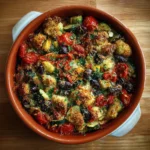
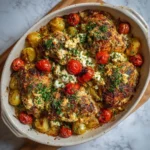
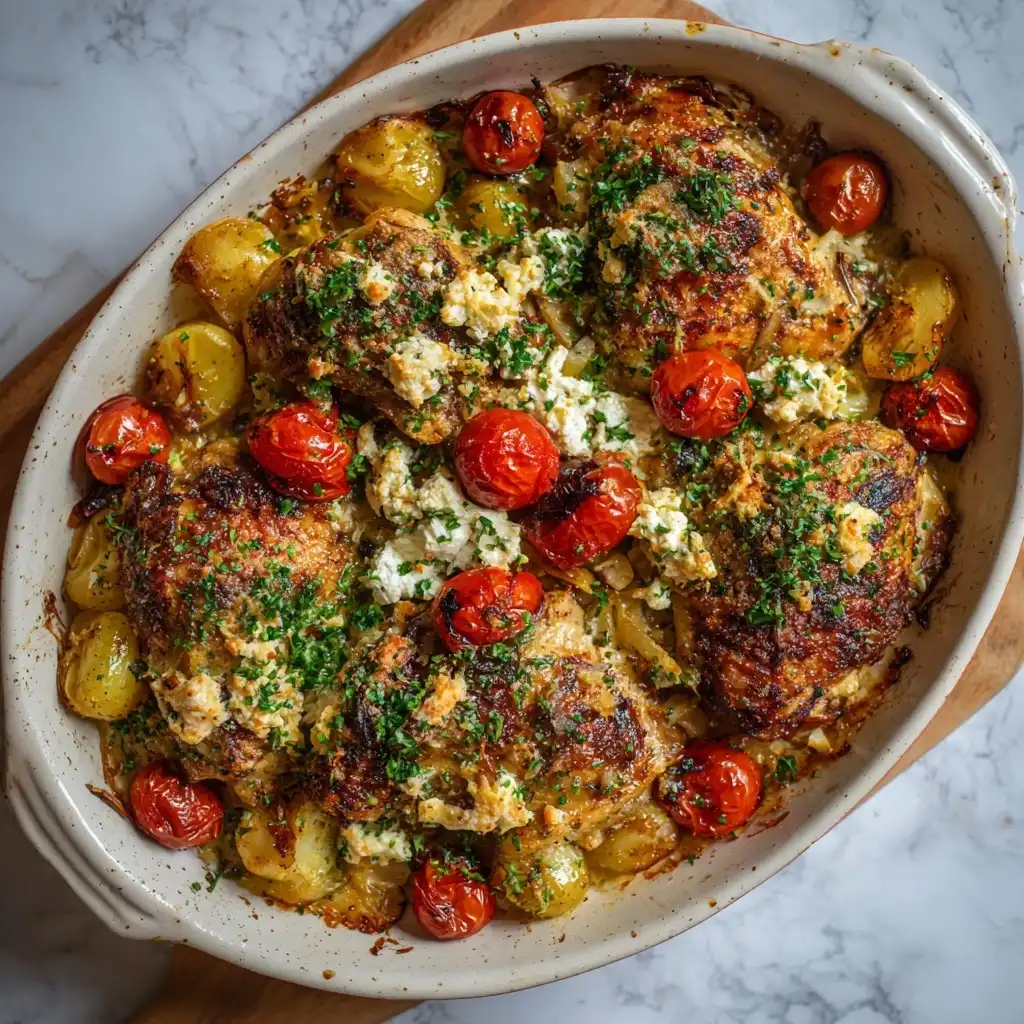
Greek Chicken Casserole is a vibrant, wholesome, and deeply satisfying one-dish meal that brings the sun-drenched flavors of the Mediterranean straight to your dinner table. Combining tender, herb-infused chicken with tangy feta, briny kalamata olives, juicy tomatoes, crisp cucumbers, and aromatic oregano, this casserole masterfully balances richness, brightness, and texture—all while requiring minimal hands-on effort. Unlike traditional casseroles laden with heavy creams or canned soups, this version celebrates authenticity: it’s built on fresh, whole-food ingredients inspired by classic Greek meze and home-cooked village fare. Whether you’re meal prepping for the week, hosting a casual family dinner, or seeking a nourishing yet fuss-free weeknight solution, Greek Chicken Casserole delivers bold flavor, comforting warmth, and unmistakable Mediterranean soul—without compromise.
The History
While “Greek Chicken Casserole” as a named dish is a modern American adaptation, its roots run deep in centuries-old Greek culinary traditions rooted in simplicity, seasonality, and resourcefulness. Ancient Greeks relied on the “Mediterranean triad”—wheat, olive oil, and wine—alongside abundant herbs, legumes, vegetables, and modest amounts of poultry and dairy. Roasted or braised chicken appeared in regional dishes across Crete, the Peloponnese, and the islands, often finished with lemon, garlic, and wild oregano. The use of feta cheese dates back over 3,000 years, with references in Homer’s Odyssey, while kalamata olives have been cultivated in Messenia since antiquity. The concept of baking proteins with vegetables and cheese evolved naturally in rural Greece, where clay ovens (fournos) were used to slow-roast meats alongside seasonal produce. In the mid-20th century, Greek immigrants brought these techniques to North America, where home cooks began adapting them into accessible, oven-friendly formats—giving rise to today’s beloved casserole iterations. This recipe honors that lineage: no shortcuts on quality, no dilution of flavor, just honest food shaped by history, geography, and generations of culinary wisdom.
Ingredients Breakdown
Every ingredient in this Greek Chicken Casserole serves both functional and flavorful purpose—nothing is filler, everything has intention:
- Chicken Breast or Thighs: Boneless, skinless chicken breasts offer lean protein and clean texture; thighs provide richer flavor, higher moisture retention, and forgiving tenderness during baking—ideal for meal prep or longer cook times.
- Olive Oil (Extra Virgin): Not just fat—it’s the aromatic foundation. Authentic Greek EVOO contributes polyphenols, a peppery finish, and essential fat-soluble flavor carriers for herbs and spices.
- Yellow Onion & Garlic: A fragrant soffritto base. Yellow onion offers sweetness when caramelized; fresh garlic adds pungent depth that mellows beautifully in the oven.
- Cherry or Grape Tomatoes: Burst with acidity and natural sugar. Their high skin-to-flesh ratio ensures concentrated flavor and textural contrast—not watery like larger beefsteak varieties.
- Cucumber (English or Persian): Added raw *after* baking for cool crunch and enzymatic brightness. English cucumbers are ideal—thin-skinned, low-seed, and non-bitter.
- Kalamata Olives: Brine-cured, purple-black, and almond-shaped. Their robust, fruity, slightly smoky salinity cuts through richness and echoes traditional Greek table spreads.
- Feta Cheese (Block, Not Crumbled): Authentic Greek feta made from sheep’s (or sheep/goat mix) milk, aged in brine. Block feta holds structure when baked, softens luxuriously, and offers superior creaminess and tang versus pre-crumbled versions loaded with anti-caking starches.
- Fresh Dill & Oregano: Dill lends anise-tinged freshness (especially lovely with cucumber); Greek oregano (Origanum vulgare hirtum) is more floral, camphorous, and potent than Mexican or common oregano—non-negotiable for authenticity.
- Lemon Zest & Juice: Zest delivers volatile citrus oils for aromatic lift; juice adds bright acidity that balances fat and salt—critical for palate cleansing and flavor layering.
- Red Wine Vinegar: A subtle but strategic acidulant. Its nuanced fruitiness complements tomatoes better than plain white vinegar and enhances the perception of freshness without overpowering.
- Dried Greek Seasoning Blend (Optional but Recommended): A house blend of dried oregano, thyme, marjoram, rosemary, and a whisper of orange peel—used sparingly to deepen background notes without monotony.
- Salt & Freshly Ground Black Pepper: Sea salt for clean mineral balance; coarse black pepper cracked at the last moment for volatile piperine heat.
Note: No flour, no roux, no condensed soup—this casserole relies on natural gelatin from chicken, emulsified olive oil, and reduced tomato juices to create a luscious, cohesive sauce.
Step-by-Step Recipe
- Prep & Preheat: Position oven rack in center position. Preheat oven to 375°F (190°C). Lightly grease a 9×13-inch ceramic or glass baking dish (avoid reactive metals like aluminum for lemon/feta).
- Season & Sear Chicken: Pat chicken dry with paper towels. Season generously on both sides with salt, pepper, and 1 tsp dried Greek seasoning (if using). Heat 2 tbsp olive oil in a large stainless steel or cast iron skillet over medium-high heat until shimmering. Add chicken in a single layer—do not crowd—and sear 4–5 minutes per side until golden brown and just cooked through (160°F internal). Transfer to a plate; tent loosely with foil.
- Sauté Aromatics: In same skillet, reduce heat to medium. Add diced onion and sauté 4–5 minutes until softened and translucent. Stir in minced garlic and cook 45 seconds until fragrant—do not brown.
- Build Tomato Base: Add cherry tomatoes, ¼ tsp red pepper flakes (optional), remaining ½ tsp dried Greek seasoning, and a pinch of salt. Cook 5–6 minutes, stirring occasionally, until tomatoes blister, soften, and release juices. Mash gently with a wooden spoon to encourage thickening.
- Layer Casserole: Spread tomato-onion mixture evenly into prepared baking dish. Arrange seared chicken on top in a single layer. Drizzle with remaining 1 tbsp olive oil, lemon juice, and red wine vinegar. Sprinkle evenly with crumbled feta, halved kalamatas, and half the fresh oregano and dill.
- Bake: Cover dish tightly with aluminum foil (tent to prevent cheese sticking). Bake 20 minutes. Remove foil and bake uncovered 10–12 minutes more, until feta is lightly golden at edges and chicken registers 165°F internally. Let rest 8–10 minutes—critical for sauce setting and carryover cooking.
- Finish & Serve: Gently fold in raw cucumber ribbons, lemon zest, remaining fresh herbs, and a final drizzle of high-quality EVOO. Adjust salt and pepper. Serve warm or at room temperature.
Tips
- Chicken Texture Secret: For ultra-tender chicken, brine breasts 30 minutes in 4 cups cold water + ¼ cup kosher salt before patting dry and seasoning. Thighs benefit from a 15-minute dry brine (salt only) to enhance juiciness.
- No-Soggy Cucumber: Slice cucumber just before serving—not before baking. Use a mandoline for uniform, delicate ribbons that won’t overwhelm.
- Feta Integrity: Crumble feta with your fingers—not a fork—to preserve creamy clumps. Cold feta crumbles cleaner; chill block 10 minutes before crumbling.
- Lemon Timing: Always add lemon zest *after* baking. Heat destroys its volatile citrus oils, muting aroma and brightness.
- Oven Variance Hack: If your oven runs hot, reduce temp to 360°F and extend covered time by 3 minutes. Use an instant-read thermometer—not guesswork—for perfect doneness.
- Resting Is Non-Negotiable: Skipping the 8–10 minute rest causes sauce to weep and chicken to dry out. This allows juices to reabsorb and flavors to marry.
- Skillet-to-Oven Safety: Ensure your skillet is oven-safe up to 400°F (check manufacturer specs). If not, transfer tomato base to baking dish before adding chicken.
- Acid Balance: Taste sauce before baking. If too sharp, add ½ tsp honey or maple syrup. If too flat, add another squeeze of lemon.
- Herb Substitution Wisdom: No fresh dill? Use 1 tsp dried dill weed—but add it with dried seasoning in Step 4. Never substitute parsley for dill here—it lacks the necessary anise resonance.
- Leftover Magic: Store cooled casserole in airtight container up to 4 days. Revive by sprinkling with water, covering with damp paper towel, and microwaving in 30-second bursts—or bake at 325°F for 15 minutes covered.
Variations and Customizations
Protein Swaps
- Lemon-Herb Shrimp: Replace chicken with 1 lb peeled, deveined shrimp. Skip searing—add raw shrimp in Step 5 and reduce bake time to 12–15 minutes total (uncovered after 8 mins).
- Spiced Lamb: Use 1.5 lbs ground lamb. Brown thoroughly, draining excess fat. Add 1 tsp ground cinnamon, ½ tsp ground allspice, and 1 tbsp tomato paste with aromatics in Step 3.
- Vegetarian Delight: Omit chicken. Boost heartiness with 1 can rinsed chickpeas (added with tomatoes), 1 cup crumbled halloumi (added in last 5 minutes), and ½ cup chopped roasted red peppers.
Dietary Adaptations
- Gluten-Free: Naturally compliant—just verify all seasonings and vinegars are certified GF (most are).
- Keto/Low-Carb: Increase healthy fats: add ¼ cup sliced almonds (toasted) and 2 tbsp capers with olives. Reduce tomatoes to 1 cup and add ½ cup chopped artichoke hearts (marinated, drained).
- Dairy-Free: Substitute feta with ½ cup crumbled tofu “feta” (marinated 1 hr in lemon juice, olive oil, apple cider vinegar, oregano, salt) or high-quality vegan feta. Note: flavor profile shifts but remains delicious.
- Whole30/Paleo: Omit feta and olives. Replace with ½ cup chopped preserved lemon rind (rinsed) and ¼ cup chopped fresh mint. Add 1 diced zucchini with tomatoes for bulk.
Flavor Twists
- Grilled Mediterranean: Char chicken and cherry tomatoes on grill first—adds smoky complexity. Finish assembly and bake as directed.
- Herb-Forward Garden: Triple fresh herbs: add 2 tbsp chopped mint and 1 tbsp chopped basil with finishing step. Swap kalamatas for green Sicilian olives.
- Spicy Santorini: Add 1 finely diced roasted red pepper and 1 tsp smoked paprika with tomatoes. Garnish with pickled red onions.
- Breakfast Casserole Version: Stir 6 whisked eggs and ¼ cup milk into warm casserole post-bake. Top with extra feta and bake 15–18 min at 350°F until set.
Health Considerations and Nutritional Value
This Greek Chicken Casserole is nutritionally intentional—designed to support sustained energy, gut health, anti-inflammatory pathways, and metabolic balance. A standard serving (1/6 of recipe) contains approximately:
- Calories: 320–360 kcal (varies by chicken cut and oil amount)
- Protein: 32–38g — high-biological-value complete protein from chicken supports muscle maintenance, satiety, and thermogenesis.
- Fat: 16–20g — predominantly monounsaturated (olive oil, olives, feta) and omega-3s (from grass-fed feta if available), linked to improved cholesterol profiles and reduced cardiovascular risk.
- Carbohydrates: 8–11g — primarily from tomatoes and onions (low-glycemic, fiber-rich), with negligible added sugar.
- Fiber: 3–4g — from tomatoes, cucumber, onions, and optional additions like chickpeas or zucchini.
- Sodium: ~620mg — significantly lower than most casseroles (often 1,000+ mg) thanks to no broth, canned goods, or processed cheeses. Adjustable by reducing olives/feta or using low-sodium feta.
Functional Benefits:
- Olive Oil Phenols: Oleocanthal in EVOO exhibits natural COX-inhibiting activity—similar to ibuprofen—supporting joint and vascular health.
- Lycopene Bioavailability: Cooking tomatoes in olive oil increases absorption of this potent antioxidant by up to 3-fold—linked to reduced prostate cancer and UV skin damage risk.
- Probiotic Potential: Brined olives and traditionally cured feta contain lactic acid bacteria—supporting microbiome diversity when consumed regularly.
- Vitamin K2: Grass-fed feta provides menaquinone-4 (MK-4), critical for calcium metabolism, arterial elasticity, and bone mineralization.
- Low-Insulinogenic: Minimal refined carbs and high protein/fat content promote stable blood glucose and reduced insulin spikes—beneficial for prediabetes, PCOS, and weight management.
Contraindications & Mindful Modifications:
- Hypertension: Limit olives to ¼ cup/serving and rinse thoroughly. Opt for reduced-sodium feta or increase lemon/herbs for flavor compensation.
- Lactose Sensitivity: Authentic Greek feta is naturally very low in lactose (<0.1g per oz) due to aging—but those with severe intolerance may prefer dairy-free alternatives.
- Gout or High Uric Acid: Chicken is moderate-purine; limit to 4 oz/serving and pair with generous cucumber/tomato volume to alkalize urine pH.
- GERD/Acid Reflux: Reduce lemon juice by half and omit red pepper flakes. Add 1 tsp grated fresh ginger to tomato base for soothing effect.
Ingredients
- 1.5 lbs boneless, skinless chicken breasts or thighs, cut into 1.5-inch pieces
- 3 tbsp extra virgin olive oil, divided (plus extra for finishing)
- 1 medium yellow onion, finely diced
- 4 cloves garlic, minced
- 1.5 cups cherry or grape tomatoes, halved
- ½ tsp red pepper flakes (optional)
- 1 tsp dried Greek seasoning blend (oregano, thyme, marjoram, rosemary, orange peel)
- 1 tsp kosher salt, plus more to taste
- ½ tsp freshly ground black pepper
- 4 oz authentic Greek feta cheese, cold and crumbled (¾ cup)
- ⅓ cup kalamata olives, pitted and halved
- Zest of 1 large lemon
- 2 tbsp fresh lemon juice
- 1 tbsp red wine vinegar
- 1 English cucumber (about 1 cup), julienned or ribboned with peeler
- 3 tbsp fresh dill, chopped
- 2 tbsp fresh oregano leaves, chopped (or 1 tsp dried Greek oregano added with dried blend)
Directions
- Preheat oven to 375°F (190°C). Lightly grease a 9×13-inch baking dish.
- Pat chicken very dry. Season with 1 tsp Greek seasoning, 1 tsp salt, and ½ tsp pepper.
- Heat 2 tbsp olive oil in a large oven-safe skillet over medium-high heat. When oil shimmers, add chicken in single layer. Sear 4–5 minutes per side until golden and internal temp reaches 160°F. Transfer to plate; tent with foil.
- In same skillet, reduce heat to medium. Add onion; sauté 4–5 minutes until soft. Stir in garlic; cook 45 seconds.
- Add tomatoes, red pepper flakes (if using), remaining ½ tsp Greek seasoning, and pinch of salt. Cook 5–6 minutes, mashing tomatoes slightly, until thickened.
- Spread tomato mixture into prepared baking dish. Arrange chicken on top. Drizzle with remaining 1 tbsp olive oil, lemon juice, and red wine vinegar.
- Sprinkle evenly with feta, olives, and half each of dill and oregano.
- Cover tightly with foil. Bake 20 minutes.
- Remove foil. Bake uncovered 10–12 minutes, until feta is lightly golden and chicken reaches 165°F.
- Let rest 8–10 minutes. Gently fold in cucumber, lemon zest, remaining dill and oregano, and final drizzle of EVOO. Adjust seasoning. Serve warm or at room temperature.
FAQ
- Can I make this ahead of time?
- Absolutely. Assemble through Step 6 (before baking), cover tightly, and refrigerate up to 24 hours. Add 5 minutes to covered bake time. For freezer storage: assemble fully, freeze unbaked up to 3 months. Thaw overnight in fridge before baking (add 10–15 minutes total time).
- Why does the recipe specify “authentic Greek feta”?
- EU Protected Designation of Origin (PDO) Greek feta is made exclusively from sheep’s milk (min. 70%) or sheep/goat blend, aged in brine for ≥2 months. It contains no preservatives, stabilizers, or cow’s milk—delivering superior texture, tang, and mouthfeel. Non-Greek “feta-style” cheeses often use cow’s milk, citric acid, and gums, resulting in rubbery texture and flat flavor that fails to melt properly.
- My sauce turned out watery—what went wrong?
- Most commonly: tomatoes weren’t cooked down enough in Step 5, or chicken wasn’t patted dry before searing (excess moisture steams instead of sears). Also, using overripe or watery tomatoes (e.g., heirlooms) increases liquid. Next time, increase tomato cook time by 2 minutes and blot chicken thoroughly.
- Can I use frozen chicken?
- Yes—but thaw completely in fridge first. Never bake from frozen, as it leads to uneven cooking, excessive moisture, and potential food safety risk. If short on time, use cold-water thaw method (submerge sealed chicken in cold water, changing every 30 min) — takes ~1.5 hours for 1.5 lbs.
- Is there a grain-free way to make this more filling?
- Yes! Stir in 1 cup cooked cauliflower rice or shredded zucchini (squeezed dry) with the tomato base. Or serve over a bed of massaged kale or butter lettuce—topping the casserole with the greens preserves their crunch and nutrients.
- What wine pairs best with this dish?
- A crisp, high-acid white like Assyrtiko from Santorini (mineral-driven, citrusy, saline) or a dry rosé from Peloponnese. For red lovers, choose a light-bodied, low-tannin option like Xynomavro from Naoussa—its tart red fruit and herbal notes harmonize with oregano and feta.
- Can I air-fry this?
- Yes—with adjustments. Use a 9-inch round cake pan or oven-safe air fryer basket. Cook at 375°F for 12 minutes covered with foil, then 8 minutes uncovered. Check early—air fryers vary widely. Best for smaller batches (4 servings max).
- How do I keep leftovers from drying out?
- Store in shallow airtight container with 1–2 tsp olive oil and 1 tsp lemon juice spooned over top. Reheat gently—microwave covered with damp paper towel, or bake covered at 325°F for 12–15 minutes. Stir in fresh cucumber and herbs after reheating.
Summary
Greek Chicken Casserole is a celebration of Mediterranean integrity—featuring seared chicken, slow-simmered tomatoes, briny kalamatas, creamy feta, and vibrant fresh herbs, all unified by golden extra virgin olive oil and zesty lemon. It’s a nutritionally balanced, make-ahead masterpiece that delivers restaurant-worthy flavor with home-kitchen ease.
Authentic, adaptable, and endlessly nourishing, this casserole proves that wholesome eating need never sacrifice depth, joy, or the unmistakable taste of sun-ripened Greece.