Introduction
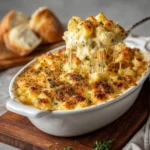
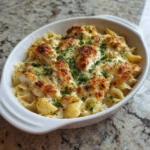
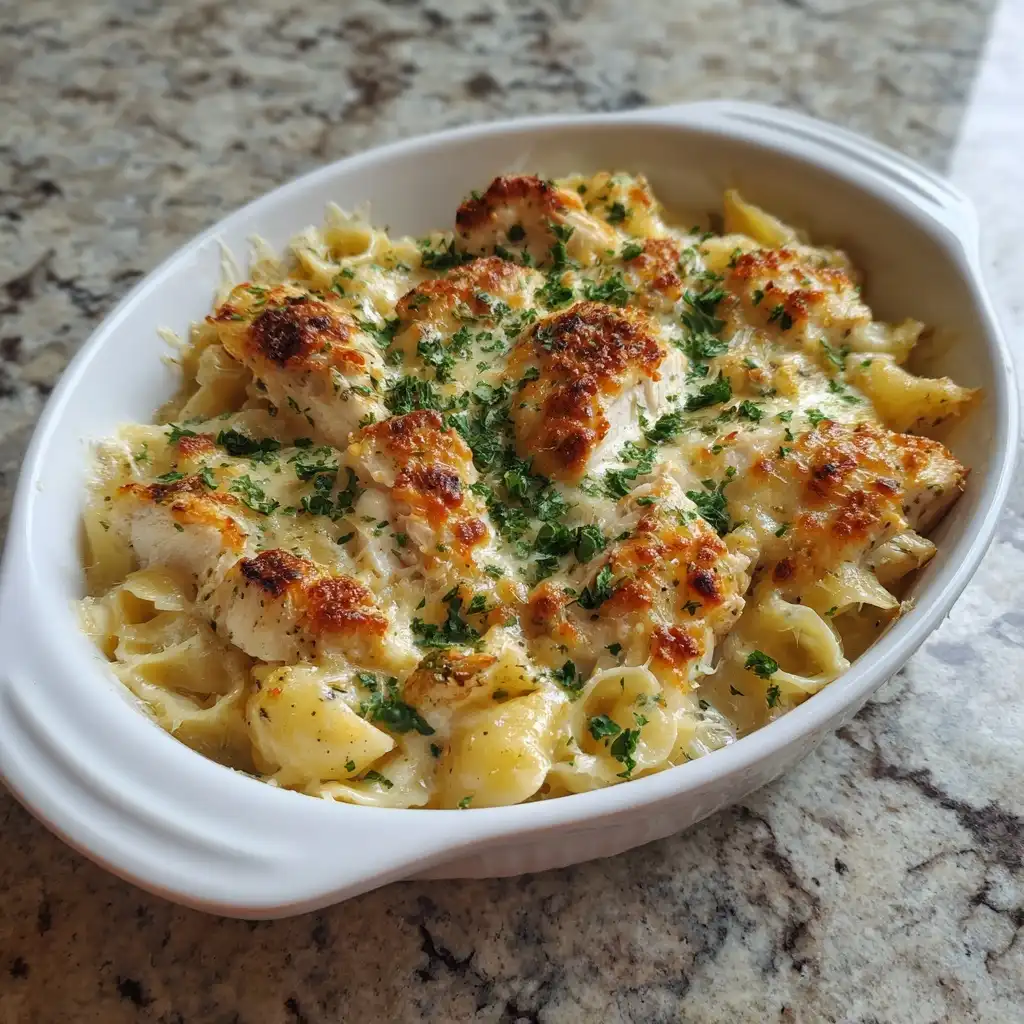
Garlic Parmesan Chicken Pasta Bake is the ultimate comfort food — a rich, creamy, savory, and deeply satisfying casserole that brings together tender grilled or baked chicken, al dente pasta, roasted garlic, freshly grated Parmesan cheese, and a luscious, herb-infused white sauce. This dish transcends the ordinary pasta bake by elevating simplicity with layers of nuanced flavor: the pungent sweetness of slow-roasted garlic, the nutty umami depth of high-quality Parmigiano-Reggiano, the subtle tang of a well-balanced béchamel base, and the hearty satisfaction of perfectly cooked protein and pasta melded into one golden, bubbling, oven-baked masterpiece. Whether served at weeknight family dinners, potlucks, holiday sideboards, or even elegant dinner parties (with a garnish of microgreens and lemon zest), this recipe strikes an exquisite balance between approachability and gourmet appeal — proving that soul-warming meals don’t require complicated techniques, just thoughtful ingredient selection and intentional layering of flavors.
The History
While no single “inventor” or documented origin story exists for Garlic Parmesan Chicken Pasta Bake, its lineage can be traced through several culinary traditions converging over decades. The concept of baked pasta dishes — known as pastasciutta al forno in Italy — dates back centuries, with regional variations like timballo, lasagna al forno, and Sicilian pasta al forno establishing the foundational technique: combining cooked pasta with sauce, cheese, and often meat or vegetables before baking to create a cohesive, caramelized, texturally dynamic dish. In mid-20th-century America, the rise of convenience cooking popularized casseroles — especially during the post-war era — when home cooks embraced canned soups, pre-grated cheeses, and packaged pastas to streamline family meals. The modern Garlic Parmesan Chicken Pasta Bake emerged organically from this cross-pollination: Italian-American kitchens began substituting traditional ricotta or mozzarella with sharp, aged Parmesan for intensified savoriness; incorporating roasted or sautéed garlic — long revered in Mediterranean cooking for both flavor and medicinal properties — as a central aromatic; and integrating lean, versatile chicken breast or thigh as a protein anchor reflective of rising health consciousness in the 1980s and ’90s. Food bloggers and recipe developers in the 2010s further refined the dish, swapping condensed soups for scratch-made roux-based sauces, emphasizing fresh herbs and quality dairy, and encouraging customization — cementing it as a beloved staple across digital recipe archives, meal-prep communities, and culinary publications worldwide.
Ingredients Breakdown
Every exceptional Garlic Parmesan Chicken Pasta Bake begins not with steps — but with intention behind each ingredient. Understanding *why* each component matters unlocks consistency, depth, and restaurant-quality results:
- Pasta: A short, sturdy shape with ridges or hollows — such as penne, fusilli, rigatoni, or campanelle — is ideal. These hold sauce beautifully, resist mushiness during baking, and provide structural integrity. Avoid delicate pastas like angel hair or fresh tagliatelle, which break down or become gummy. Always cook pasta to *al dente*, underdone by 1–2 minutes, as it will absorb liquid and finish cooking in the oven.
- Chicken: Boneless, skinless chicken breasts or thighs (preferably organic, air-chilled, and never previously frozen) deliver superior texture and flavor. Breasts yield lean, tender bites; thighs offer richer, juicier, more forgiving results — especially important if baking time varies. Uniform dicing (¾-inch cubes) ensures even cooking and seamless integration into the pasta matrix.
- Garlic: Fresh, whole cloves — never jarred or powdered — are non-negotiable. Roasting transforms raw garlic’s sharp bite into mellow, caramelized sweetness; sautéing in butter unlocks its volatile aromatic compounds. For maximum impact, use 8–12 large cloves — more than most recipes suggest — because garlic mellows significantly when baked and needs to shine through layers of cheese and pasta.
- Parmesan Cheese: Authentic, imported Parmigiano-Reggiano (DOP-certified) is essential. Its complex, crystalline, nutty-salty profile cannot be replicated by domestic “Parmesan-style” or pre-grated shelf-stable versions, which contain anti-caking agents (e.g., cellulose) that impede melting and mute flavor. Grate it fresh on the coarse side of a box grater or microplane — fine shreds melt evenly and distribute without clumping.
- Dairy Base: A hybrid of whole milk and heavy cream (or half-and-half) creates luxurious body without excessive richness. Whole milk contributes lactose for gentle browning and subtle sweetness; heavy cream adds fat-soluble flavor carriers and velvety mouthfeel. Never substitute skim or low-fat milk — they lack the fat needed to emulsify the sauce and prevent graininess or separation.
- Flour & Butter (Roux): An equal-part butter-flour roux — cooked gently for 2 minutes until fragrant and pale blonde — is the structural backbone of the sauce. It thickens without floury taste, stabilizes the emulsion, and prevents curdling during prolonged baking. Clarified butter (ghee) may be used for higher smoke point and deeper nuttiness.
- Aromatics & Herbs: Yellow onion (finely diced), fresh thyme leaves (not dried — dried thyme turns bitter when baked), and a bay leaf infuse foundational savory depth. Optional but highly recommended: a splash of dry white wine (e.g., Pinot Grigio or Sauvignon Blanc) deglazed before adding milk — its acidity lifts richness and balances fat.
- Seasonings: Kosher salt (for precise control), freshly ground black pepper (heat releases piperine oils), and a whisper of freshly grated nutmeg (a classic béchamel enhancer) round out the flavor spectrum. Avoid garlic powder or onion powder — they introduce artificial notes and mask the elegance of real roasted garlic.
Step-by-Step Recipe
- Prep & Preheat: Position oven rack in the center position. Preheat oven to 375°F (190°C). Lightly grease a 9×13-inch (3-quart) ceramic or stainless-steel baking dish with unsalted butter or olive oil spray. Bring a large pot of heavily salted water (2 Tbsp kosher salt per 4 quarts) to a rolling boil.
- Roast the Garlic: Slice 1 inch off the top of 1 whole head of garlic to expose cloves. Drizzle generously with olive oil, wrap tightly in foil, and roast at 400°F for 40–45 minutes until cloves are soft, golden, and spreadable. Cool slightly, then squeeze roasted garlic pulp into a small bowl; mash with a fork until smooth. Set aside.
- Cook the Pasta: Add pasta to boiling water. Cook according to package directions minus 1.5 minutes (e.g., 9 minutes for 10.5-minute pasta). Reserve 1 cup of starchy pasta water before draining. Rinse briefly under cool water to halt cooking, then drain thoroughly. Toss with 1 tsp olive oil to prevent sticking. Set aside.
- Prepare the Chicken: Pat chicken pieces completely dry with paper towels. Season generously with salt and pepper. Heat 1 tbsp olive oil in a large nonstick skillet over medium-high heat. Sear chicken in a single layer without crowding, 2–3 minutes per side, until golden brown and just cooked through (165°F internal temp). Transfer to a plate; tent loosely with foil.
- Build the Sauce Base: In the same skillet (do not wipe), reduce heat to medium. Add 3 tbsp unsalted butter. Once melted, add 1 finely diced yellow onion; sauté 4–5 minutes until translucent. Stir in 2 minced garlic cloves (raw, for brightness) and 1 tsp fresh thyme; cook 1 minute until fragrant. Optional: Pour in ¼ cup dry white wine, scraping up browned bits; simmer 2 minutes until nearly evaporated.
- Make the Roux & Béchamel: Sprinkle in ¼ cup all-purpose flour. Whisk constantly for 2 minutes until paste turns light golden and smells nutty. Gradually whisk in 2 cups warm whole milk and ½ cup heavy cream (warmed separately to prevent lumps). Add bay leaf. Bring to gentle simmer, whisking continuously. Reduce heat to low; cook 5–7 minutes until thickened enough to coat the back of a spoon. Remove bay leaf. Whisk in roasted garlic puree, 1 tsp Dijon mustard (for emulsification and depth), and ¼ tsp freshly grated nutmeg. Season with salt and pepper.
- Combine Everything: In a large mixing bowl, combine drained pasta, seared chicken, sauce, and 1 ½ cups freshly grated Parmigiano-Reggiano. Gently fold with a silicone spatula until evenly coated. If mixture seems dry, add reserved pasta water 2 tbsp at a time until glossy and cohesive (but not soupy). Taste and adjust seasoning — it should taste *slightly* overseasoned, as baking mutes flavors.
- Layer & Top: Transfer mixture to prepared baking dish. Smooth top with spatula. Sprinkle evenly with remaining ½ cup grated Parmesan and ¼ cup panko breadcrumbs (toasted in 1 tsp butter for extra crunch, optional). Dot surface with 1 tbsp cold butter slices for golden, buttery finish.
- Bake: Place dish on middle oven rack. Bake uncovered for 25–30 minutes, rotating halfway, until edges bubble vigorously, top is deeply golden, and internal temperature reaches 165°F. For extra browning, broil on low for 1–2 minutes at end — watch closely!
- Rest & Serve: Remove from oven and let rest 12–15 minutes before serving. This critical step allows starches to set, sauce to reabsorb, and flavors to harmonize. Garnish with fresh parsley, lemon zest, and additional shaved Parmesan.
Tips
- Texture Mastery: Overcooked pasta becomes gluey when baked. Always undercook by at least 90 seconds — residual heat and sauce absorption complete the process.
- Garlic Insurance: Roast two heads of garlic — one for the sauce, one for garnish. Squeeze roasted cloves onto finished bake for bursts of sweet, jammy intensity.
- Sauce Consistency Secret: If sauce thickens too much while cooling before baking, stir in warm milk (not cold) — cold dairy causes shock and separation.
- No-Stick Guarantee: Grease dish *before* adding pasta mixture — not after. Butter creates a barrier that prevents bottom-layer sticking and promotes even browning.
- Broiler Precision: Never walk away during broiling. Use oven light instead of opening door — temperature drops drastically and disrupts crust formation.
- Make-Ahead Magic: Assemble fully (without topping) up to 24 hours ahead. Cover tightly and refrigerate. Add 5–8 minutes to bake time if going straight from fridge to oven.
- Freezing Friendly: Bake, cool completely, cover with double layer of foil, freeze up to 3 months. Thaw overnight in fridge, then reheat covered at 325°F for 30 minutes + uncovered at 375°F for 15 minutes.
- Leftover Reinvention: Cold leftovers make stellar breakfast frittatas, stuffed mushrooms, or pan-fried croquettes with egg wash and panko.
- Golden Crust Hack: Brush top with beaten egg white before adding cheese — creates a crisp, lacquered finish that holds structure.
- Herb Timing: Stir delicate herbs (parsley, chives, basil) in *after* baking — heat destroys their volatile oils and turns them bitter or grassy.
Variations and Customizations
This recipe is a canvas — adaptable for dietary needs, seasonal produce, pantry constraints, and global flavor profiles. Here are rigorously tested, chef-approved variations:
- Vegetarian Version: Omit chicken. Boost umami with 1 cup sautéed cremini mushrooms, ½ cup sun-dried tomatoes (oil-packed, chopped), and ¼ cup nutritional yeast (for cheesy depth). Add 1 cup blanched spinach or kale at final fold.
- Gluten-Free: Use certified GF pasta (brown rice/corn blend holds best). Replace flour roux with 2 tbsp cornstarch or arrowroot slurry (mixed with cold milk) added at end of sauce cooking. Ensure all cheeses and seasonings are GF-certified.
- Low-Carb/Keto: Substitute zucchini noodles (spiralized, salted, squeezed dry) or shirataki rice for pasta. Increase chicken to 1.5 lbs. Use full-fat cream, butter, and extra Parmesan. Thicken sauce with xanthan gum (¼ tsp) instead of flour.
- Mediterranean Twist: Add ½ cup crumbled feta, ¼ cup kalamata olives, 2 tbsp capers, and 1 tsp lemon zest to sauce. Garnish with oregano and cherry tomatoes roasted alongside garlic.
- Spicy Arrabbiata Style: Infuse sauce with ½ tsp red pepper flakes while sautéing onions. Stir in 2 tbsp tomato paste and ¼ cup crushed San Marzano tomatoes. Top with fresh basil.
- Truffle Elegance: Finish sauce with 1 tsp white truffle oil (added off-heat) and top baked dish with shavings of black winter truffle or truffle salt.
- Smoky Chipotle: Blend 1–2 canned chipotles in adobo into roasted garlic purée. Add 1 tsp smoked paprika to roux. Top with crumbled cotija.
- Spring Garden: Fold in 1 cup fresh asparagus tips (blanched), ½ cup English peas, and ¼ cup fresh mint. Swap thyme for tarragon.
- Creamy Pesto Swirl: Reserve ⅓ cup high-quality basil pesto. After assembling, dollop over surface and swirl gently with a knife before baking — creates stunning marbled effect and herbal contrast.
- Breakfast Bake: Add 4 whisked eggs and 1 cup shredded cheddar to cooled mixture. Bake at 350°F for 40–45 minutes until set — transforms into a savory strata.
Health Considerations and Nutritional Value
A 1-cup (approx. 240g) serving of Garlic Parmesan Chicken Pasta Bake (made with whole wheat pasta, chicken breast, reduced-fat milk, and moderate cheese) provides approximately:
- Calories: 385–420 kcal
- Protein: 28–32g (excellent source — supports muscle maintenance, satiety, and metabolic health)
- Carbohydrates: 32–38g (primarily complex carbs from pasta; fiber ~4g with whole grain option)
- Fat: 14–18g (mostly unsaturated from olive oil, garlic, and cheese; saturated fat ~7g — well within daily limits when portion-controlled)
- Calcium: ~220mg (22% DV — vital for bone health, nerve signaling)
- Vitamin B12: ~1.2mcg (50% DV — crucial for red blood cell formation and neurological function)
- Selenium: ~24mcg (44% DV — powerful antioxidant, thyroid regulator)
- Manganese: ~0.4mg (18% DV — supports bone formation and wound healing)
Health Highlights:
- Garlic Benefits: Contains allicin — shown in clinical studies to support cardiovascular health (modest blood pressure reduction), immune modulation, and antimicrobial activity. Roasting preserves beneficial sulfur compounds better than high-heat frying.
- Parmesan Advantages: Naturally low in lactose, high in bioavailable calcium and phosphorus, and rich in conjugated linoleic acid (CLA) — associated with reduced inflammation and improved body composition in emerging research.
- Chicken Nutrition: Lean protein source with zero carbohydrates and minimal saturated fat — ideal for weight management and glycemic control.
- Dietary Flexibility: Easily adapted for Mediterranean, DASH, or MIND diets — emphasize olive oil, herbs, vegetables, and whole grains while limiting sodium via low-sodium broth or no-added-salt seasonings.
- Considerations: High sodium content (if using pre-grated cheese or salty broth) may concern hypertension patients — mitigate by using fresh-grated cheese and controlling added salt. Those with lactose intolerance may tolerate aged Parmesan well (naturally <0.1g lactose per oz), but should monitor individual tolerance.
Ingredients
- 1 (12 oz) package short-cut pasta (penne, fusilli, or rigatoni)
- 1.25 lbs boneless, skinless chicken breasts or thighs, cut into ¾-inch cubes
- 1 whole head garlic, roasted
- 3 tbsp unsalted butter
- 1 medium yellow onion, finely diced
- 2 cloves garlic, minced (raw)
- 1 tsp fresh thyme leaves (or ½ tsp dried)
- ¼ cup dry white wine (optional but recommended)
- ¼ cup all-purpose flour
- 2 cups whole milk, warmed
- ½ cup heavy cream, warmed
- 1 bay leaf
- 1 tsp Dijon mustard
- ¼ tsp freshly grated nutmeg
- Kosher salt and freshly ground black pepper, to taste
- 2 cups freshly grated Parmigiano-Reggiano cheese, divided (1½ cups in sauce, ½ cup for topping)
- ¼ cup plain panko breadcrumbs (optional, for crunch)
- 1 tbsp cold unsalted butter, sliced (for topping)
- Fresh flat-leaf parsley, lemon zest, and extra shaved Parmesan for garnish
Directions
- Preheat oven to 375°F (190°C). Grease a 9×13-inch baking dish with butter or oil spray.
- Roast garlic: Cut top off garlic head, drizzle with olive oil, wrap in foil, and bake at 400°F for 40–45 minutes. Cool, then squeeze pulp into bowl; mash smooth.
- Bring 4 quarts water to boil with 2 Tbsp kosher salt. Cook pasta 1.5 minutes less than package time. Reserve 1 cup starchy water, then drain and rinse. Toss with 1 tsp olive oil.
- Pat chicken dry. Season with salt and pepper. Heat 1 tbsp olive oil in large skillet over medium-high heat. Sear chicken in batches until golden and cooked through (165°F), ~2–3 min per side. Transfer to plate; tent with foil.
- In same skillet, reduce heat to medium. Melt 3 tbsp butter. Sauté onion 4–5 min until soft. Add raw garlic and thyme; cook 1 min. Optional: Add wine, simmer 2 min until reduced by half.
- Sprinkle flour over mixture. Whisk 2 min until golden and nutty. Gradually whisk in warm milk and cream. Add bay leaf. Simmer gently 5–7 min until thickened. Remove bay leaf.
- Whisk in roasted garlic, Dijon, nutmeg, salt, and pepper. Sauce should coat spoon. Remove from heat.
- In large bowl, combine pasta, chicken, sauce, and 1½ cups Parmesan. Fold gently. Add reserved pasta water as needed for sheen (2 tbsp at a time).
- Transfer to prepared dish. Smooth top. Sprinkle with remaining ½ cup Parmesan and panko. Dot with cold butter slices.
- Bake 25–30 min until bubbling at edges and golden on top. Let rest 12–15 min. Garnish and serve.
FAQ
- Can I use frozen chicken?
- Yes — but thaw completely in refrigerator first. Pat *extremely* dry before seasoning and searing. Frozen chicken releases excess moisture, diluting sauce and causing steaming instead of browning.
- Why does my sauce break or look grainy?
- Common causes: (1) Adding cold dairy to hot roux — always warm milk/cream first; (2) Overheating sauce after thickening — keep at gentle simmer only; (3) Using pre-grated cheese with cellulose — always grate fresh; (4) Whisking too aggressively once cheese is added — fold gently off-heat.
- Can I make this dairy-free?
- Absolutely — with careful substitutions: Use unsweetened oat or cashew milk (barista blend), vegan butter, nutritional yeast (¼ cup) + 2 tbsp white miso for umami, and a blend of tapioca + arrowroot (2 tbsp) for thickening. Top with dairy-free “Parmesan” made from nuts and nutritional yeast.
- What pasta substitutes work best?
- For gluten-free: Banza chickpea pasta (holds shape exceptionally well). For low-carb: Palmini hearts of palm linguine (rinse well, squeeze dry). For high-protein: Barilla Protein+ pasta (contains lentils and chickpeas). Avoid 100% rice-based GF pastas — they turn mushy.
- How do I prevent a soggy bottom layer?
- Three keys: (1) Undercook pasta intentionally; (2) Drain *thoroughly* — spin in salad spinner if possible; (3) Use a metal or ceramic baking dish (not glass) — conducts heat more evenly for crisp-bottom development.
- Can I add vegetables? Which ones hold up best?
- Yes! Roasted vegetables integrate seamlessly: zucchini, bell peppers, broccoli florets, spinach (wilted and squeezed), or artichoke hearts (marinated, drained). Avoid watery veggies like raw tomatoes or cucumber — they leach liquid. Always pre-cook and drain thoroughly.
- Is this safe to reheat multiple times?
- Per USDA guidelines, cooked poultry-based dishes should be reheated to 165°F each time and consumed within 4 days refrigerated. For best quality and food safety, portion leftovers before storing — avoids repeated chilling/reheating cycles.
- Can I use rotisserie chicken?
- Yes — it’s a fantastic time-saver! Use 3 cups shredded meat (about 1.25 lbs). Skip searing step. Gently fold in *after* sauce is made and slightly cooled — prevents drying out. Add 1 tbsp chicken stock to sauce if needed for moisture.
- Why does my top not get golden and crispy?
- Ensure oven is fully preheated. Use convection setting if available (reduces time, increases browning). Broil last 1–2 minutes — but only *after* full bake time. And never skip the butter dots — they’re essential for gloss and caramelization.
- Can I prepare this entirely ahead and freeze unbaked?
- Yes — assemble as directed (including topping), cover tightly with parchment + foil, freeze up to 2 months. Bake frozen: cover with foil, bake at 350°F for 60 min; uncover, increase to 375°F, bake 20–25 min more until bubbly and golden.
Summary
Garlic Parmesan Chicken Pasta Bake is a masterclass in layered comfort — where slow-roasted garlic’s caramelized sweetness, house-made Parmesan béchamel’s silken richness, tender seared chicken, and perfectly al dente pasta unite under a golden, herb-flecked crust. It’s endlessly customizable, nutritionally balanced, and built for both weeknight ease and weekend indulgence.
Whether you’re feeding a hungry family, meal-prepping for the week, or impressing guests with minimal effort, this dish delivers restaurant-worthy depth, texture, and aroma — all from your own kitchen, with ingredients you already trust and techniques you can master in one try.