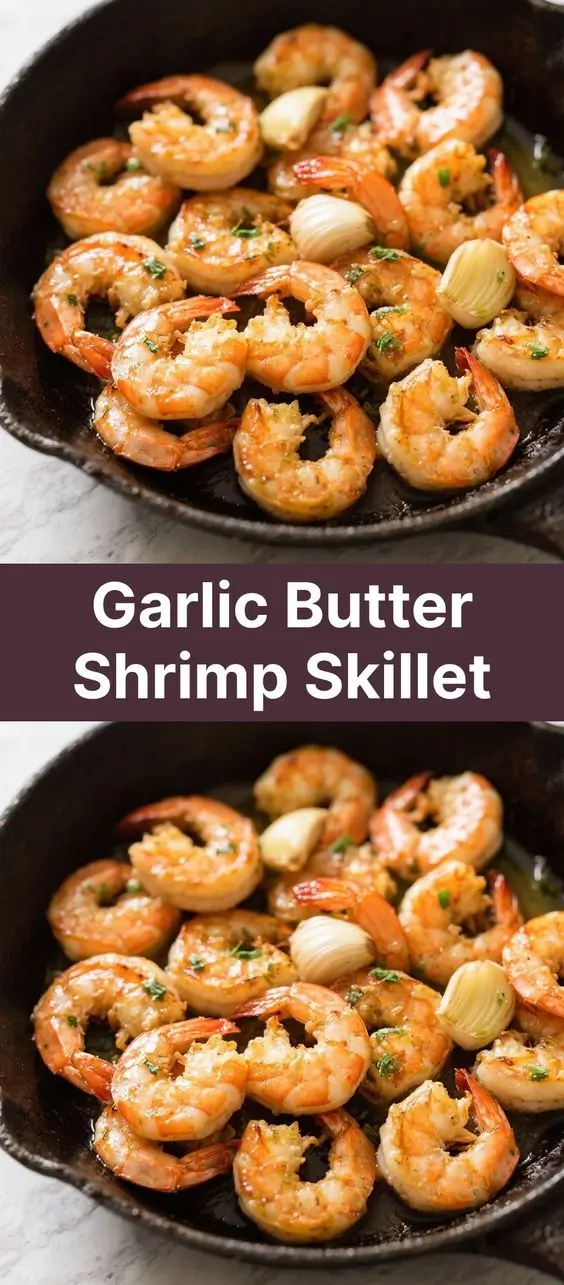
Garlic Butter Shrimp Skillet: A Quick, Flavorful One-Pan Wonder
The Garlic Butter Shrimp Skillet is more than just a dish—it’s a culinary experience that combines elegance and simplicity in one sizzling pan. Revered by home cooks and professional chefs alike, this recipe is a staple for weeknight dinners, romantic meals, and entertaining guests with minimal effort but maximum impact. With its rich aroma of garlic, the sweetness of butter, and the delicate texture of perfectly cooked shrimp, this skillet dish has earned its place as a modern classic in American and fusion cuisine.
The History of Garlic Butter Shrimp Skillet
While shrimp has been enjoyed across coastal cultures for centuries—from Mediterranean paella to Southeast Asian curries—the specific combination of garlic, butter, and searing technique in a skillet format gained prominence in 20th-century American cooking. French culinary influence played a significant role, particularly through techniques like sautéing in clarified butter (beurre blanc) and the use of aromatic herbs. The mid-1900s saw a rise in seafood popularity in the United States, especially along the Gulf Coast and Southern states, where fresh shrimp was abundant.
The “skillet” aspect of the dish speaks to rustic, farmhouse-style cooking—where one-pan meals were not only practical but celebrated for their depth of flavor and ease of cleanup. As time progressed, food bloggers and TV chefs began popularizing variations of garlic butter shrimp, often showcasing it as a quick 15–20 minute meal perfect for busy families. Today, the Garlic Butter Shrimp Skillet stands at the intersection of gourmet taste and everyday practicality, influenced by French, Italian, Cajun, and modern American culinary traditions.
Ingredients Breakdown: What Makes This Dish Shine?
The magic of the Garlic Butter Shrimp Skillet lies in its deceptively simple ingredient list. Each component plays a crucial role in building layers of flavor, texture, and aroma. Here’s a detailed look at the ingredients and why they matter:
- Shrimp (peeled and deveined): Large or jumbo shrimp (16/20 or 21/25 count per pound) work best. They’re meaty enough to hold up during cooking and deliver a satisfying bite. Freshness is key—look for firm, translucent shrimp with a mild ocean scent.
- Unsalted butter: Using unsalted butter allows you to control the salt level. It provides richness and helps create a luxurious sauce. High-fat European-style butter can add even more depth.
- Garlic (freshly minced): The star of the show. Fresh garlic offers a pungent, aromatic quality that powdered garlic simply can’t match. Be careful not to burn it—garlic turns bitter when overcooked.
- Olive oil: Combined with butter, olive oil raises the smoke point, preventing the butter from burning while still contributing a fruity note.
- Lemon juice (freshly squeezed): Adds brightness and balances the richness of the butter. It also enhances the natural sweetness of the shrimp.
- Red pepper flakes: A pinch adds subtle heat and complexity without overwhelming the dish. Adjustable based on preference.
- Fresh parsley (chopped): Provides a pop of color and a fresh, slightly peppery finish. Flat-leaf (Italian) parsley is preferred for its robust flavor.
- Salt and black pepper: Essential seasonings that enhance all other flavors.
- Dry white wine (optional): Adds acidity and depth. Sauvignon Blanc or Pinot Grigio work well. If avoiding alcohol, substitute with chicken or vegetable broth.
Step-by-Step Recipe: How to Make the Perfect Garlic Butter Shrimp Skillet
- Prepare the Ingredients: Pat the shrimp dry with paper towels—this ensures proper searing. Mince the garlic, chop the parsley, and have all other ingredients measured and ready. Cooking happens quickly, so mise en place is essential.
- Heat the Skillet: Place a large stainless steel or cast-iron skillet over medium-high heat. Add 1 tablespoon of olive oil and 1 tablespoon of unsalted butter. Allow the fat to heat until shimmering but not smoking.
- Sear the Shrimp: Add the shrimp in a single layer, making sure not to overcrowd the pan. Cook for 1–2 minutes per side, until they turn pink and opaque. Remove the shrimp and set aside on a plate—do not overcook at this stage.
- Sauté the Aromatics: In the same skillet, reduce the heat to medium. Add another tablespoon of butter. Once melted, add the minced garlic and red pepper flakes. Sauté for 30–60 seconds, stirring constantly, until fragrant but not browned.
- Build the Sauce: If using wine, pour it into the hot pan to deglaze, scraping up any browned bits (fond) from the bottom. Let it simmer for 1–2 minutes until slightly reduced. Then stir in the lemon juice and remaining butter, swirling to emulsify the sauce.
- Return the Shrimp: Add the shrimp back into the skillet, tossing to coat them evenly in the garlic butter sauce. Cook for an additional 1–2 minutes just to reheat and finish cooking if needed.
- Finish and Serve: Remove from heat. Stir in half of the chopped parsley. Taste and adjust seasoning with salt and pepper. Garnish with remaining parsley and a lemon wedge.
Tips for Success: Mastering Your Garlic Butter Shrimp Skillet
- Don’t Overcook the Shrimp: Shrimp cook extremely fast. They’re done when they turn opaque and form a loose “C” shape. Overcooked shrimp become rubbery and tough.
- Use Fresh Garlic: Pre-minced garlic from a jar lacks flavor and can have a metallic aftertaste. Always mince fresh cloves for the best results.
- Control the Heat: Garlic burns easily. Keep the heat at medium when sautéing to avoid bitterness.
- Butter Temperature Matters: Cold butter added too quickly can seize the sauce. Let it melt slowly into the warm pan for a silky texture.
- Reserve Pasta Water (if serving over pasta): If pairing with linguine or fettuccine, save ½ cup of starchy pasta water to thin the sauce and help it cling to the noodles.
- Skillet Choice: A heavy-bottomed skillet distributes heat evenly, preventing hot spots and ensuring consistent cooking.
- Basting Tip: Spoon the hot garlic butter over the shrimp as they cook for extra flavor infusion.
Variations and Customizations: Make It Your Own
One of the greatest strengths of the Garlic Butter Shrimp Skillet is its versatility. Here are several delicious ways to customize the dish:
- Creamy Version: Stir in ¼ to ½ cup of heavy cream or crème fraîche at the end for a richer, velvety sauce. Great for pairing with mashed potatoes or risotto.
- Herb-Forward: Add fresh thyme, oregano, or basil along with the garlic for an aromatic twist. Rosemary can be used sparingly—it’s strong!
- Tomato Addition: Toss in halved cherry tomatoes during the last minute of cooking. Their sweetness complements the garlic and butter beautifully.
- Spicy Kick: Increase red pepper flakes or add a dash of hot sauce like Sriracha or Tabasco. For smokiness, try a pinch of smoked paprika.
- Cajun Style: Season the shrimp with Cajun spice blend before searing. Add bell peppers and onions for a Creole-inspired twist.
- Asian Fusion: Replace butter with ghee or coconut oil, add ginger, soy sauce, and sesame oil. Garnish with green onions and sesame seeds.
- With Vegetables: Sauté spinach, asparagus, or zucchini in the pan before adding the shrimp. Or serve the shrimp over a bed of roasted vegetables.
- Wine-Free Option: Skip the wine and use low-sodium broth with a splash of apple cider vinegar for acidity.
- Dairy-Free: Use plant-based butter (like Miyoko’s or Earth Balance) and ensure it’s suitable for high-heat cooking.
Health Considerations and Nutritional Value
When prepared mindfully, Garlic Butter Shrimp Skillet can be part of a balanced diet. Here’s a nutritional breakdown per serving (assuming 4 servings, 6 oz shrimp each):
- Calories: ~280–320 (depending on butter and oil amounts)
- Protein: ~35g – Excellent source of lean protein; supports muscle repair and satiety.
- Fat: ~15–18g – Mostly unsaturated fats from olive oil and some saturated fat from butter. Can be reduced by using less butter or substituting with broth.
- Carbohydrates: ~3–5g – Very low carb, making it keto-friendly.
- Cholesterol: ~200mg – Shrimp naturally contain cholesterol, but recent studies suggest dietary cholesterol has less impact on blood cholesterol than once thought.
- Sodium: ~500–700mg – Adjustable by reducing added salt and using low-sodium broth if needed.
Health Benefits:
- Shrimp are rich in selenium, vitamin B12, iodine, and omega-3 fatty acids (EPA and DHA), which support brain health and reduce inflammation.
- Garlic contains allicin, known for its immune-boosting and cardiovascular benefits.
- Lemon juice provides vitamin C and aids in iron absorption.
Considerations:
- Those with shellfish allergies must avoid this dish entirely.
- Individuals monitoring cholesterol or saturated fat intake may want to reduce butter or use a butter substitute.
- To lower calories, reduce butter quantity and increase broth or lemon juice for volume.
Full Ingredient List
- 1.5 lbs (680g) large shrimp, peeled and deveined
- 4 tablespoons unsalted butter, divided
- 2 tablespoons olive oil, divided
- 6 cloves garlic, finely minced
- ½ teaspoon red pepper flakes (adjust to taste)
- ¼ cup dry white wine (optional)
- 2 tablespoons fresh lemon juice (about 1 lemon)
- ½ cup fresh parsley, finely chopped
- Salt and freshly ground black pepper, to taste
- Lemon wedges, for serving
Directions
- Pat the shrimp dry with paper towels and season lightly with salt and pepper.
- Heat a large skillet over medium-high heat. Add 1 tablespoon olive oil and 1 tablespoon butter.
- Once the butter is melted and sizzling, add shrimp in a single layer. Sear for 1–2 minutes per side until pink and opaque. Transfer to a plate.
- Reduce heat to medium. Add another tablespoon of butter to the skillet.
- Add minced garlic and red pepper flakes. Sauté for 30–60 seconds until fragrant.
- If using wine, pour it in and scrape the bottom of the pan. Simmer 1–2 minutes until reduced by half.
- Stir in lemon juice and remaining 2 tablespoons of butter, swirling to combine into a smooth sauce.
- Return shrimp to the skillet. Toss to coat and cook for 1–2 minutes to reheat and finish cooking.
- Remove from heat. Stir in half the parsley. Adjust seasoning with salt and pepper.
- Garnish with remaining parsley and lemon wedges. Serve immediately.
FAQ (Frequently Asked Questions)
Can I use frozen shrimp?
Yes! Just make sure to thaw them completely in the refrigerator overnight or under cold running water. Pat dry thoroughly before cooking to prevent steaming.
Can I make this ahead of time?
It’s best served fresh, but you can prep ingredients (mince garlic, chop parsley, measure seasonings) up to a day ahead. Cooked shrimp don’t reheat well and can become rubbery.
What can I serve with Garlic Butter Shrimp Skillet?
Excellent pairings include:
- Linguine, fettuccine, orzo, or rice (absorbs the sauce well)
- Crusty bread for dipping
- Steamed vegetables like broccoli or green beans
- Arugula salad with lemon vinaigrette
- Cauliflower rice (low-carb option)
Can I double the recipe?
Yes, but cook in batches to avoid overcrowding the pan. Overcrowding lowers the temperature and causes shrimp to steam instead of sear.
Why did my sauce separate?
This can happen if the butter is too cold or the heat is too high. To fix, remove from heat and whisk vigorously. Adding a teaspoon of warm water or lemon juice can help re-emulsify.
Is this dish gluten-free?
Yes, as long as all ingredients (especially butter and wine) are certified gluten-free. Always check labels if cross-contamination is a concern.
Summary
The Garlic Butter Shrimp Skillet is a quick, elegant, and deeply flavorful dish that comes together in under 20 minutes using simple, high-quality ingredients. Perfect for busy weeknights or special occasions, it delivers restaurant-quality results with minimal effort.
Packed with protein, aromatic garlic, and a rich butter-lemon sauce, this versatile recipe can be customized to suit various diets and tastes—making it a timeless favorite in any home cook’s repertoire.