Introduction
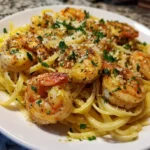
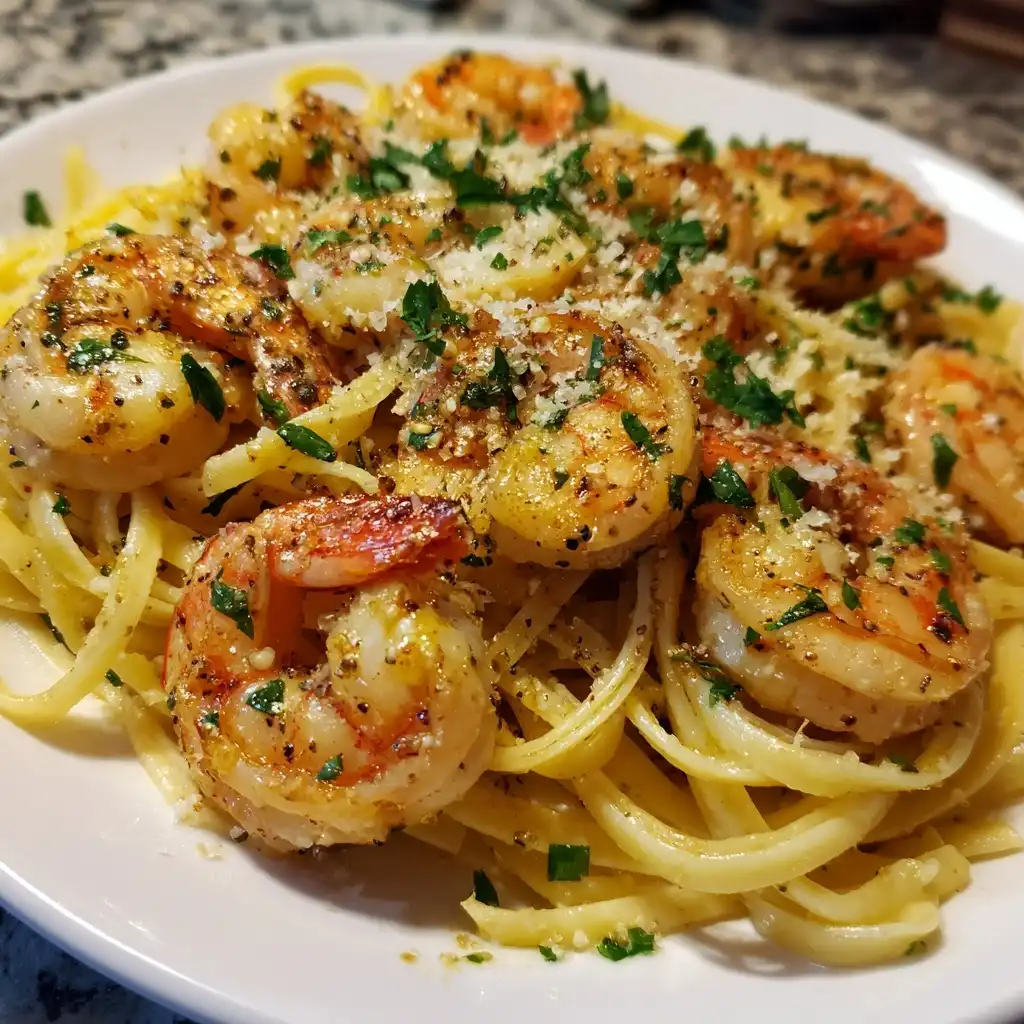
Garlic Butter Shrimp Scampi Linguine is a timeless, restaurant-worthy dish that marries the briny sweetness of plump shrimp with the rich, aromatic depth of garlic-infused butter, finished with bright lemon zest, fresh herbs, and perfectly al dente linguine. Though often associated with Italian-American cuisine, its roots trace back to coastal Mediterranean traditions where seafood, olive oil, garlic, and citrus were pantry staples—transformed over generations into the beloved, weeknight-elevating classic we savor today. This dish strikes an exquisite balance: luxurious yet approachable, deeply flavorful yet light enough for any season, and impressively quick to prepare—often ready in under 30 minutes without sacrificing depth or authenticity.
The History
The term “scampi” has long been a source of culinary confusion—and fascinating evolution. In Italy, scampi refers specifically to a type of langoustine (a small lobster-like crustacean), traditionally prepared simply with olive oil, garlic, white wine, and parsley—a method known as scampi alla marinara or alla piastra. When Italian immigrants brought their cooking traditions to the United States in the late 19th and early 20th centuries, authentic scampi were scarce and expensive. Enterprising chefs substituted readily available Gulf or Atlantic shrimp, retaining the signature garlic-butter-wine preparation but adapting it to local ingredients and tastes. By the mid-20th century—bolstered by the rise of American “Italian” restaurants and iconic cookbooks—the dish had morphed into what we now recognize as Shrimp Scampi: a vibrant, butter-forward sauté served over pasta, often linguine or spaghetti. The addition of linguine wasn’t arbitrary—it’s the ideal vehicle for clinging to the glossy, emulsified sauce thanks to its long, flat surface area and slight chew. Over decades, variations multiplied: some added heavy cream for richness; others doubled down on lemon; many embraced red pepper flakes for heat. Today, Garlic Butter Shrimp Scampi Linguine stands not as a rigid tradition, but as a living, adaptable celebration of simplicity, technique, and the transformative power of just a few high-quality ingredients.
Ingredients Breakdown
Every exceptional scampi begins with intentionality—not just in selection, but in understanding *why* each component matters:
- Shrimp: Use large (26/30 or 31/40 count per pound), wild-caught, sustainably sourced shrimp—preferably peeled and deveined with tails removed for ease, though leaving tails on adds visual elegance and helps prevent overcooking. Opt for frozen-at-sea (FAS) shrimp for peak freshness and flavor; thaw gently in cold water for 15–20 minutes. Avoid pre-cooked or “enhanced” shrimp (treated with sodium tripolyphosphate), which can taste soapy and release excess water, diluting your sauce.
- Linguine: Authentic scampi demands long, slender pasta. Linguine (meaning “little tongues” in Italian) offers the ideal width—broader than spaghetti but narrower than fettuccine—providing ample surface area to capture every drop of sauce while maintaining structural integrity during tossing. Bronze-die extruded, slow-dried durum wheat semolina pasta delivers superior texture and sauce adhesion.
- Garlic: Fresh, raw garlic is non-negotiable. Use 6–8 plump cloves, finely minced (not pressed) to release maximum allicin—the compound responsible for its pungent aroma and health benefits—while avoiding bitterness from overcooking. Mince just before use; pre-minced jarred garlic lacks vibrancy and introduces off-flavors.
- Butter: Unsalted European-style butter (82–86% fat) is essential. Its higher fat content yields a silkier, more stable emulsion and richer mouthfeel. Reserve 1–2 tablespoons of cold butter to “mount” the sauce at the end—a classic French technique (monter au beurre) that adds gloss, body, and subtle tang.
- Dry White Wine: A crisp, high-acid, unoaked varietal is critical—think Pinot Grigio, Sauvignon Blanc, or dry Vermouth (a reliable, shelf-stable alternative). The wine’s acidity cuts through the butter’s richness and deglazes the pan, lifting caramelized fond into the sauce. Never use “cooking wine”—its excessive salt and preservatives will ruin the balance.
- Lemon: Both juice and zest are indispensable. Freshly squeezed juice adds bright, clean acidity; microplaned zest contributes volatile citrus oils that perfume the entire dish. Bottled lemon juice lacks nuance and can taste metallic.
- Olive Oil: Extra-virgin olive oil (EVOO) with fruity, peppery notes (like Spanish Arbequina or Italian Frantoio) provides foundational flavor and heat stability. Use it for initial sautéing; reserve a drizzle of premium EVOO for finishing.
- Herbs & Aromatics: Flat-leaf parsley adds grassy freshness and visual contrast—add it at the very end to preserve its color and flavor. Optional but recommended: a small shallot (finely diced) for subtle sweetness and complexity, and a pinch of red pepper flakes for gentle, building heat.
- Finishing Touches: High-quality flaky sea salt (like Maldon) and freshly cracked black pepper elevate each bite. A splash of reserved pasta water—starchy, hot, and saline—is the secret weapon for binding the sauce to the noodles and achieving velvety consistency.
Step-by-Step Recipe
- Prep Like a Pro (10 minutes): Bring a large pot of well-salted water (it should taste like the sea—approx. 2 tbsp kosher salt per 6 quarts) to a rolling boil. While water heats, pat shrimp completely dry with paper towels—this ensures searing, not steaming. Mince garlic, finely dice shallot (if using), chop parsley leaves (reserve stems for stock), zest and juice lemon, measure wine, and have butter cut into cold cubes ready.
- Cook the Pasta (8–10 minutes): Add linguine to boiling water. Stir immediately to prevent sticking. Cook 1–2 minutes shy of package’s “al dente” time (e.g., if box says 9 minutes, cook 7–8). Reserve 1 cup of starchy pasta water *before* draining. Drain pasta—but do NOT rinse; rinsing removes vital starch needed for emulsification.
- Sauté the Aromatics (3–4 minutes): In a wide, heavy-bottomed skillet (12–14 inch stainless steel or enameled cast iron preferred), heat 2 tbsp EVOO and 1 tbsp unsalted butter over medium-low heat. Add shallots (if using) and cook until translucent (2 minutes). Add garlic and red pepper flakes; stir constantly for 60–90 seconds until fragrant and just beginning to turn golden—*do not brown*, or garlic will turn bitter.
- Seared Shrimp (2–3 minutes): Increase heat to medium-high. Add shrimp in a single layer. Season lightly with salt and pepper. Cook 1–1.5 minutes per side until opaque and pink with a slight curl—shrimp cooks incredibly fast; overcooking makes it rubbery. Remove shrimp immediately to a clean plate; tent loosely with foil to keep warm.
- Build the Sauce (4–5 minutes): Reduce heat to medium. Pour in white wine, scraping vigorously with a wooden spoon to lift all browned bits (fond) from the pan bottom. Simmer 2–3 minutes until reduced by half and alcohol smell dissipates. Whisk in remaining butter, 1 tbsp at a time, allowing each addition to melt and emulsify before adding the next. Sauce should thicken slightly and become glossy.
- Unite & Emulsify (2 minutes): Return shrimp and any accumulated juices to the pan. Add lemon zest and juice. Toss gently to coat. Add drained linguine. Now—crucially—add ½ cup reserved pasta water. Toss vigorously over low heat for 60–90 seconds, using tongs to lift and fold. The starchy water binds the butter and wine into a cohesive, clingy sauce. Add more pasta water, 1 tbsp at a time, until sauce coats noodles luxuriously—not pooled, not dry.
- Finish & Serve (1 minute): Remove from heat. Stir in cold butter cubes one at a time until fully incorporated and sauce glistens. Fold in most of the chopped parsley. Taste and adjust: more lemon for brightness, salt for depth, pepper for warmth. Transfer to a warmed serving bowl or individual plates. Garnish with remaining parsley, extra lemon zest, a flaky salt sprinkle, and a final drizzle of premium EVOO.
Tips
- Dry Your Shrimp Relentlessly: Moisture is the enemy of sear. Pat shrimp dry *twice*—once before seasoning, once again right before hitting the pan.
- Control the Garlic’s Fate: Garlic burns at 300°F. Keep heat low when sautéing it with aromatics. If you see browning, remove pan from heat instantly and stir.
- Pasta Water Is Liquid Gold: Never skip reserving it—and never pour it down the drain! Its starch is the magic glue. Warm it slightly before adding to prevent shocking the sauce.
- Butter Temperature Matters: Cold butter cubes mount the sauce; melted butter separates. Always add chilled, cubed butter off direct heat.
- Wine Reduction Is Non-Negotiable: Simmering eliminates harsh alcohol and concentrates flavor. If sauce tastes “raw” or boozy, reduce longer.
- Tong Technique > Spoon: Use tongs, not a spoon, to toss pasta. They grip and lift, coating evenly without breaking noodles.
- Work Quickly in Final Steps: Once pasta hits the sauce, everything happens fast. Have all components prepped and within arm’s reach.
- Undercook Slightly: Pasta continues cooking from residual heat while being tossed. Err on the side of *very* al dente.
- Warm Your Serving Vessel: A cold bowl chills the dish instantly. Rinse bowl with hot water or warm in oven at 200°F for 5 minutes.
- Taste, Then Taste Again: Adjust seasoning after emulsifying—salt behaves differently in a butter-based sauce than in water.
Variations and Customizations
This recipe is a masterclass in adaptability—respecting core technique while welcoming creativity:
- Protein Swaps: Replace shrimp with scallops (dry-sear first, add later), mussels (steam open in wine before adding pasta), clams (scrubbed and purged), or even flaky white fish like cod or halibut (cut into bite-sized pieces, add last).
- Pasta Alternatives: Try spaghetti, bucatini (for extra sauce-holding holes), or gluten-free brown rice linguine (ensure it’s well-rinsed and cooked al dente). For low-carb, swap in spiralized zucchini (“zoodles”)—add raw at the very end and toss just to warm.
- Vegetable Boosters: Sauté asparagus tips, cherry tomatoes (halved, added with shrimp), baby spinach (stirred in off-heat), or roasted red peppers (diced, folded in at finish). For umami depth, add 1 tsp white miso paste to the wine reduction.
- Creamy Twists: For a richer, more decadent version, whisk in 2–3 tbsp heavy cream or crème fraîche with the cold butter. Or stir in ¼ cup grated Parmigiano-Reggiano at the end for salty, nutty complexity.
- Herb Garden Edition: Substitute basil (for a summery note), dill (bright and feathery), or chives (mild onion essence) for parsley. Add a few leaves of fresh oregano or marjoram for earthiness.
- Global Inspirations: Add 1 tsp gochujang (Korean chili paste) with the garlic for fermented heat; stir in 1 tbsp Thai fish sauce and lime juice instead of lemon for Southeast Asian flair; or finish with preserved lemon and toasted cumin for North African warmth.
- Time-Saving Hacks: Use pre-peeled, pre-cooked shrimp (sauté only 30 seconds to warm); substitute high-quality store-bought garlic-infused olive oil (reduce added garlic by half); or use dry vermouth instead of wine for consistent flavor without opening a bottle.
- Make-Ahead Strategy: Prep aromatics, mince garlic, zest lemon, and measure wine up to 1 day ahead. Cook pasta fresh—but you can make the base sauce (minus shrimp and pasta) up to 2 hours ahead, then reheat gently before adding proteins and noodles.
Health Considerations and Nutritional Value
When crafted mindfully, Garlic Butter Shrimp Scampi Linguine transcends “indulgent” to become a nutrient-dense, balanced meal:
- Shrimp Powerhouse: Low in calories (approx. 85 kcal per 3 oz), yet packed with lean protein (18g), selenium (50% DV), vitamin B12 (85% DV), and astaxanthin—an antioxidant that gives shrimp its pink hue and supports eye and brain health.
- Heart-Healthy Fats: Butter contains butyrate (anti-inflammatory) and CLA (linked to metabolic health), while EVOO delivers monounsaturated fats and polyphenols proven to lower LDL cholesterol and blood pressure.
- Garlic’s Medicinal Might: Raw garlic contains allicin, shown in studies to support cardiovascular function, immune response, and antimicrobial activity. Gentle cooking preserves many benefits—avoid prolonged high heat.
- Lemon’s Bright Benefits: Vitamin C enhances iron absorption from plant foods (if added veggies), while citric acid aids digestion and may inhibit kidney stone formation.
- Pasta Perspective: Whole-grain linguine boosts fiber (6g/serving vs. 2g in refined), promoting satiety and gut health. Legume-based pastas (lentil, chickpea) offer 12–15g plant protein per serving—ideal for vegetarians or those reducing animal protein.
- Mindful Modifications: Reduce saturated fat by using half butter, half EVOO; lower sodium by omitting added salt and relying on sea salt garnish; increase volume and nutrients by doubling vegetables (aim for 2 cups per serving); boost fiber with 1 tbsp ground flaxseed stirred in at the end.
- Portion Wisdom: A balanced plate includes 1.5 cups cooked pasta, 4–6 oz shrimp, and 1–2 cups vegetables. Pair with a simple arugula salad dressed in lemon vinaigrette for added phytonutrients and crunch.
Note: While shrimp contains dietary cholesterol, current research (including the 2020–2025 Dietary Guidelines for Americans) confirms that dietary cholesterol has minimal impact on blood cholesterol for most people—the saturated fat and overall dietary pattern matter far more.
Ingredients
- 1 lb (450g) large shrimp (26/30 or 31/40 count), peeled and deveined, tails removed
- 12 oz (340g) high-quality bronze-die linguine (or gluten-free alternative)
- ¼ cup (60ml) extra-virgin olive oil (preferably fruity and peppery)
- 6 tbsp (85g) unsalted European-style butter, divided (4 tbsp for sauce, 2 tbsp cold, cubed for finishing)
- 6–8 cloves garlic, finely minced (about 2 tbsp)
- 1 small shallot, finely diced (optional but recommended)
- ¼ tsp red pepper flakes (adjust to taste)
- ½ cup (120ml) dry white wine (Pinot Grigio, Sauvignon Blanc, or dry vermouth)
- Zest and juice of 1 large lemon (about 1 tbsp zest, 3 tbsp juice)
- ½ cup (15g) fresh flat-leaf parsley, finely chopped (plus extra for garnish)
- 1½ tsp kosher salt (plus more for pasta water and finishing)
- Freshly ground black pepper
- Flaky sea salt (like Maldon), for finishing
- Extra-virgin olive oil, for drizzling
Directions
- Bring 6 quarts of water to a vigorous boil in a large Dutch oven or stockpot. Add 2 tbsp kosher salt.
- Meanwhile, thoroughly pat shrimp dry with paper towels. Set aside.
- Heat olive oil and 1 tbsp butter in a 12–14 inch heavy-bottomed skillet over medium-low heat. Add shallot (if using) and cook until soft and translucent, about 2 minutes.
- Add minced garlic and red pepper flakes. Stir constantly for 60–90 seconds until fragrant and just beginning to turn pale gold—do not let it brown.
- Increase heat to medium-high. Add shrimp in a single layer. Season with ½ tsp salt and several grinds of black pepper. Cook 1–1.5 minutes per side, until opaque and pink. Transfer immediately to a clean plate; cover loosely with foil.
- Reduce heat to medium. Pour in white wine, scraping the pan bottom vigorously with a wooden spoon to release all browned bits. Simmer 2–3 minutes until reduced by half and alcohol aroma fades.
- Whisk in remaining 3 tbsp butter, 1 tbsp at a time, allowing full emulsification before adding the next. Sauce should be glossy and slightly thickened.
- Add lemon zest and juice. Return shrimp and any juices to the pan. Stir gently to combine.
- Add drained linguine. Pour in ½ cup reserved hot pasta water. Toss continuously with tongs over low heat for 60–90 seconds until sauce clings to noodles. Add more pasta water, 1 tbsp at a time, as needed for desired consistency.
- Remove from heat. Stir in cold butter cubes one at a time until fully melted and sauce is luminous.
- Fold in three-quarters of the chopped parsley. Taste and adjust seasoning with salt, pepper, or extra lemon juice.
- Divide among warmed bowls. Garnish with remaining parsley, lemon zest, flaky sea salt, and a generous drizzle of premium EVOO.
FAQ
- Can I make this dish dairy-free?
- Absolutely. Substitute high-quality vegan butter (like Miyoko’s or Earth Balance) for the butter, and use a rich, unrefined olive oil or avocado oil for sautéing. Ensure your wine is vegan-certified (some use animal-derived fining agents). The dish retains incredible depth and richness.
- Why does my sauce break or look greasy?
- Sauce breaking usually occurs from overheating the butter, adding cold butter too quickly, insufficient emulsification time, or using low-fat butter. To fix it: remove from heat, whisk in 1–2 tbsp warm pasta water, and continue whisking vigorously until re-emulsified. Prevention is key—low heat, cold butter, and constant motion.
- Can I use frozen shrimp directly from the freezer?
- It’s strongly discouraged. Frozen shrimp releases excess water, causing steaming instead of searing and diluting the sauce. Thaw properly: place sealed bag in cold water for 15–20 minutes, then pat *extremely* dry.
- What’s the best wine to cook with if I don’t drink?
- Dry vermouth is the top recommendation—it’s fortified, shelf-stable, and delivers consistent acidity and herbal complexity without alcohol heaviness. Look for brands like Dolin Dry or Noilly Prat.
- My shrimp turned out rubbery—what went wrong?
- Overcooking is almost always the culprit. Shrimp cooks in 2–3 minutes total. It’s done when opaque, pink, and curled into a loose “C” shape. A tight “O” means it’s overdone. Also ensure shrimp is dry before cooking—wet shrimp steams instead of sears.
- Can I double this recipe for a crowd?
- Yes—with caveats. Use two skillets to avoid crowding (which lowers pan temperature and causes steaming). Cook shrimp in batches. Keep cooked pasta warm in a covered pot with a splash of olive oil to prevent sticking. Reheat sauce gently before combining.
- How do I reheat leftovers without ruining the texture?
- Reheating in a skillet is best: add 1 tsp olive oil and 1 tbsp water or broth to a cold pan, add pasta, cover, and warm over low heat for 3–4 minutes, stirring occasionally. Avoid microwaving—it makes shrimp tough and separates the sauce.
- Is there a way to add more protein without changing flavor?
- Yes—stir in ½ cup rinsed white beans (cannellini or Great Northern) with the pasta. Their creamy texture and mild flavor blend seamlessly, adding 7g protein and 6g fiber per ½ cup.
- Can I prepare this entirely ahead of time?
- For optimal quality, no—shrimp becomes rubbery and sauce loses emulsion. However, you can prep *everything* except cooking: chop aromatics, zest/juice lemon, measure wine/butter, and even cook pasta up to 1 hour ahead—rinse briefly in cold water, toss with 1 tsp oil, and refrigerate. Reheat pasta in boiling water for 30 seconds before saucing.
- What sides pair best with scampi?
- Keep it light and complementary: a simple arugula salad with lemon-shallot vinaigrette, roasted asparagus with lemon zest, garlic-herb roasted cherry tomatoes, or crusty artisan bread for sopping up sauce. Avoid heavy sides—they compete with the dish’s delicate balance.
Summary
Garlic Butter Shrimp Scampi Linguine is a masterful symphony of simplicity—where pristine seafood, golden garlic, velvety butter, bright lemon, and toothsome pasta unite in under 30 minutes, delivering restaurant-caliber elegance at home. Rooted in Mediterranean tradition yet endlessly adaptable, it celebrates quality ingredients, precise technique, and the profound joy of a perfectly balanced, deeply satisfying meal.