Introduction
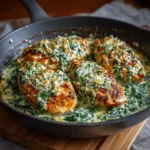
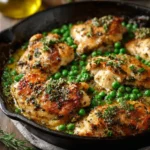
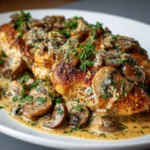
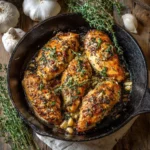
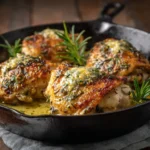
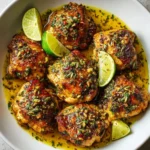
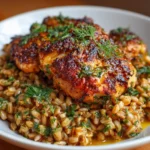
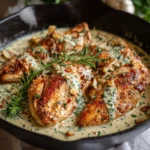
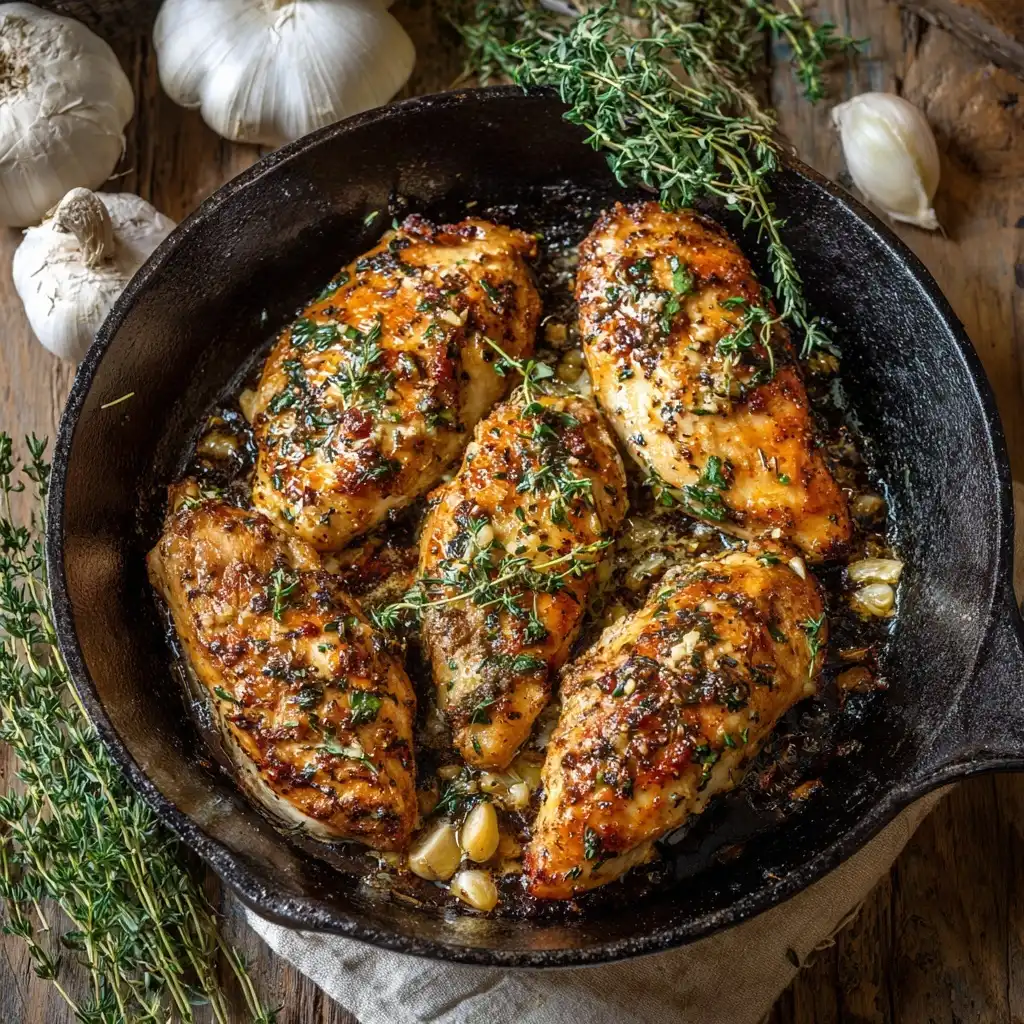
Garlic Butter Chicken with Thyme is a timeless, restaurant-worthy dish that marries simplicity with extraordinary flavor. With its golden-brown, pan-seared chicken breasts draped in a rich, aromatic sauce of melted butter, freshly minced garlic, and fragrant fresh thyme, this recipe delivers comfort and elegance in equal measure. It’s the kind of dish that transforms an ordinary weeknight into something special—requiring minimal ingredients yet delivering maximum impact on the palate. Whether served over creamy mashed potatoes, tossed with linguine, spooned over roasted vegetables, or paired with crusty artisan bread for sopping up every last drop, Garlic Butter Chicken with Thyme is as versatile as it is unforgettable.
The History
The origins of garlic butter chicken trace back centuries through the culinary traditions of France and Mediterranean Europe, where butter, garlic, and herbs formed the holy trinity of rustic cooking. While “chicken à la provençale” and “poulet à l’ail” have long been staples in French country kitchens, the modern Americanized version—featuring quick-sear techniques and bold herb-forward finishes—gained popularity in mid-20th-century cookbooks and home economics classes. Thyme, native to Southern Europe and historically revered by ancient Greeks and Romans for both culinary and medicinal uses, was naturally adopted into these preparations for its earthy, floral, and subtly minty notes that complement poultry beautifully. The rise of food television in the 1990s and early 2000s—especially shows highlighting “chef’s table” simplicity—catapulted pan-sauced chicken dishes like this one into mainstream home cooking. Today, Garlic Butter Chicken with Thyme stands as a global favorite, appearing in meal prep blogs, keto and paleo guides, fine-dining tasting menus, and family dinner rotations alike—a testament to its enduring cross-cultural appeal and foundational technique.
Ingredients Breakdown
Every element in this recipe plays a deliberate role—not just in taste, but in texture, aroma, and chemical interaction during cooking:
- Chicken Breasts (boneless, skinless): Opt for air-chilled, antibiotic-free, and preferably organic or pasture-raised for superior moisture retention and flavor depth. Uniform thickness ensures even cooking; pounding to ¾-inch prevents dryness and promotes caramelization.
- Unsalted Butter: High-fat European-style butter (82–86% fat) yields a richer, nuttier, more stable sauce. Unsalted allows precise sodium control—critical when balancing garlic and herbs.
- Fresh Garlic: Always use freshly minced (not jarred or powdered). Allicin—the compound responsible for garlic’s pungency and health benefits—is enzymatically activated upon crushing and peaks within minutes. Pre-mincing and resting 10 minutes before cooking enhances both flavor and bioavailability.
- Fresh Thyme: Whole sprigs are used for infusion during searing; tender leaves are stripped and stirred in at the end for bright, aromatic lift. Dried thyme lacks volatile oils and can turn bitter—never a substitute here.
- High-Smoke-Point Oil (avocado, grapeseed, or refined olive oil): Essential for achieving a flawless golden crust without burning the butter too early. Butter alone has a low smoke point (~350°F); combining it with oil raises the effective threshold to ~400–420°F.
- Dry White Wine (optional but highly recommended): A splash of Sauvignon Blanc or Pinot Grigio deglazes the pan, lifts fond (caramelized bits), adds acidity to cut richness, and contributes subtle fruit and mineral notes. For non-alcoholic versions, use dry vermouth or a mixture of lemon juice + low-sodium chicken broth.
- Chicken Broth (low-sodium, high-quality): Adds savory umami depth and body to the sauce. Homemade bone broth is ideal; if using store-bought, avoid “seasoned” varieties that contain hidden MSG or excessive sodium.
- Lemon Juice (freshly squeezed): Added off-heat to preserve brightness and volatile citrus oils. Balances fat, enhances garlic’s sweetness, and stabilizes the emulsion of the butter sauce.
- Flaky Sea Salt & Freshly Cracked Black Pepper: Applied in layers—seasoning the chicken pre-sear, adjusting mid-sauce, and finishing with a delicate flake for textural contrast and flavor bloom.
Step-by-Step Recipe
- Prep the Chicken: Pat breasts *extremely* dry with paper towels—moisture is the enemy of browning. Place between two sheets of parchment and gently pound to an even ¾-inch thickness using a meat mallet or heavy skillet. Season both sides generously with salt and pepper.
- Infuse the Pan: Heat a heavy-bottomed stainless steel or cast-iron skillet over medium-high heat. Add 1 tbsp high-smoke-point oil. Once shimmering (but not smoking), place chicken in the pan without crowding. Press gently with a spatula for full surface contact. Sear undisturbed for 5–6 minutes until deeply golden and easily releases from the pan. Flip and sear opposite side for 4–5 minutes, or until internal temperature reaches 155–158°F (it will carry over to 165°F while resting).
- Rest & Reserve: Transfer chicken to a warm plate, tent loosely with foil, and rest for 8 minutes. This allows juices to redistribute—critical for tenderness. Pour off all but 1 tbsp of rendered fat/oil from the pan.
- Build the Aromatics: Reduce heat to medium-low. Add 2 tbsp unsalted butter and swirl until foaming subsides and begins to turn light golden (about 1 minute). Add 4–5 thinly sliced garlic cloves and 2–3 whole thyme sprigs. Cook, stirring constantly, for 45–60 seconds—just until garlic becomes fragrant and translucent (do *not* let it brown or burn).
- Deglaze with Precision: Pour in ¼ cup dry white wine, scraping vigorously with a wooden spoon to release all browned fond from the pan bottom. Simmer 1–2 minutes until alcohol evaporates and liquid reduces by half.
- Enrich the Sauce: Add ½ cup low-sodium chicken broth. Bring to a gentle simmer and reduce by one-third (≈3–4 minutes), stirring occasionally. Sauce should lightly coat the back of a spoon.
- Emulsify & Finish: Remove pan from heat. Whisk in remaining 2 tbsp cold butter, one tablespoon at a time, allowing each to fully incorporate before adding the next. Stir in juice of ½ lemon and 1 tsp finely chopped fresh thyme leaves. Taste and adjust: a pinch more salt may be needed; a few drops of lemon can revive brightness if sauce tastes flat.
- Reunite & Serve: Return rested chicken to the pan, spooning sauce over each breast. Let sit 1–2 minutes to gently re-warm and absorb flavors. Garnish with extra thyme sprigs, lemon zest, and flaky sea salt.
Tips
- Temperature Control is Non-Negotiable: Use an instant-read thermometer—guesswork leads to rubbery or undercooked chicken. Pull at 155°F for juicy results every time.
- Butter Timing Matters: Adding cold butter off-heat prevents separation. If sauce breaks, whisk in 1 tsp cold water or lemon juice while vigorously stirring—it will often rescue the emulsion.
- Thyme Stem Strategy: Use whole stems for infusing heat (they’re easy to remove), then add fresh leaves at the end for vibrant aroma. Strip leaves by holding stem at top and sliding thumb & forefinger down toward tip.
- Sauce Consistency Hack: If sauce is too thin after reduction, let it cool slightly—butter naturally thickens as it cools. If too thick, loosen with 1 tsp warm broth or lemon juice.
- Pan Choice Impacts Results: Stainless steel offers best fond development; nonstick prevents sticking but sacrifices depth of sear. Cast iron retains heat superbly but requires careful temperature management to avoid garlic burn.
- Make-Ahead Magic: Pound and season chicken up to 24 hours ahead; refrigerate covered. Infuse garlic-thyme butter base (steps 4–6) up to 3 days ahead—store covered in fridge, then gently rewarm before finishing.
- No-Waste Garlic Tip: Save garlic peels and herb stems to make aromatic vegetable stock—or toss them into your compost bin for nutrient-rich garden soil.
Variations and Customizations
This recipe is a master canvas—easily adapted for dietary needs, seasonal produce, pantry constraints, or global inspiration:
- Creamy Version: After step 6, stir in 2 tbsp full-fat crème fraîche or mascarpone off-heat for luxurious silkiness—perfect with egg noodles or polenta.
- Herb Garden Twist: Swap half the thyme for lemon thyme, rosemary (use sparingly—½ tsp minced), or tarragon (adds anise-like sophistication). Basil works beautifully in summer; sage pairs elegantly in fall.
- Spiced & Smoky: Add ¼ tsp smoked paprika or Aleppo pepper flakes with the garlic for warmth and complexity. A dash of fish sauce (½ tsp) deepens umami without detectable fishiness.
- Low-Carb/Keto-Friendly: Serve over cauliflower rice, zucchini ribbons, or simply with a side of sautéed spinach and roasted asparagus. Skip wine or use sugar-free dry vermouth.
- Paleo/Whole30 Compliant: Replace butter with ghee or avocado oil; omit wine (use broth + splash apple cider vinegar); ensure broth is certified compliant.
- One-Pan Sheet Bake: Arrange pounded chicken on parchment-lined sheet pan. Top with garlic slices, thyme, butter pats, lemon rounds, and cherry tomatoes. Roast at 400°F for 22–25 minutes. Broil 2 minutes for charred edges.
- Grill or Air Fryer Option: Marinate chicken in 2 tbsp melted butter, 2 minced garlic cloves, 1 tsp thyme, salt, and pepper for 30 minutes. Grill over medium heat (lid closed) 6–7 min per side—or air fry at 375°F for 12–14 minutes, flipping halfway. Finish with pan sauce separately.
- Vegetarian Adaptation: Substitute thick-cut portobello caps or seitan cutlets. Sear same way, then proceed with sauce—add 1 tsp tamari and ½ tsp nutritional yeast for “meaty” depth.
- Global Riffs: Mediterranean: Add Kalamata olives, capers, and oregano. French Bistro: Finish with Dijon mustard and parsley. Provençal: Stir in roasted red peppers and niçoise olives. Asian-Inspired: Replace thyme with shiso, add ginger and tamari, finish with sesame oil and scallions.
Health Considerations and Nutritional Value
A single 6-oz serving (chicken + 2 tbsp sauce) provides approximately:
- Calories: 385 kcal
- Protein: 42 g (excellent source; supports muscle maintenance and satiety)
- Fat: 21 g (mostly unsaturated from butter and olive oil; includes beneficial butyric acid and conjugated linoleic acid [CLA] from grass-fed sources)
- Carbohydrates: 1 g (naturally low-carb; ideal for metabolic health)
- Vitamin B6 & B12: Critical for nerve function and red blood cell formation—abundant in chicken breast
- Selenium: One serving delivers >80% DV—powerful antioxidant supporting thyroid health and DNA repair
- Allicin & Thymol: Bioactive compounds from garlic and thyme with antimicrobial, anti-inflammatory, and potential cardioprotective properties (enhanced when garlic is crushed and rested pre-cook)
- Lycopene Boost (if using tomato-based variation): Enhances antioxidant synergy and absorption when paired with healthy fats
Dietary Notes: Naturally gluten-free, dairy-modifiable (ghee/butter alternatives), and adaptable for low-FODMAP (use garlic-infused oil instead of raw garlic, and limit thyme to 1 tsp fresh). Those monitoring cholesterol may opt for clarified butter (ghee) or reduce total butter to 3 tbsp while increasing flavorful broth and lemon. Sodium content remains moderate (<450 mg/serving) when using low-sodium broth and mindful salting—making it suitable for heart-healthy diets like DASH or Mediterranean.
Ingredients
- 2 (6–7 oz) boneless, skinless chicken breasts, evenly pounded to ¾-inch thickness
- 1½ tsp flaky sea salt (divided)
- 1 tsp freshly ground black pepper (divided)
- 1 tbsp avocado oil or refined olive oil
- 4 tbsp unsalted butter, divided (2 tbsp + 2 tbsp)
- 4–5 garlic cloves, very thinly sliced
- 3–4 fresh thyme sprigs (plus 1 tsp finely chopped leaves for finishing)
- ¼ cup dry white wine (e.g., Sauvignon Blanc or Pinot Grigio) — optional but recommended
- ½ cup low-sodium chicken broth (preferably homemade or certified clean-label)
- 1½ tbsp fresh lemon juice (from ½ large lemon)
- Extra thyme sprigs, lemon zest, and flaky salt for garnish
Directions
- Pat chicken breasts extremely dry with paper towels. Season both sides with 1 tsp salt and ½ tsp pepper.
- Heat a large stainless steel or cast-iron skillet over medium-high heat. Add avocado oil and heat until shimmering.
- Add chicken to pan without crowding. Press gently with a spatula. Sear undisturbed for 5–6 minutes until deeply golden and releasing easily. Flip and cook 4–5 minutes more, until internal temperature reaches 155–158°F. Transfer to a warm plate, tent with foil, and rest 8 minutes.
- Pour off all but 1 tbsp fat/oil from skillet. Reduce heat to medium-low. Add 2 tbsp butter and swirl until melted and foaming subsides (~1 minute).
- Add sliced garlic and 3 thyme sprigs. Cook 45–60 seconds, stirring constantly, until fragrant and translucent (do not brown).
- Pour in wine, scraping pan vigorously with a wooden spoon to lift all browned bits. Simmer 1–2 minutes until reduced by half.
- Add chicken broth. Simmer gently 3–4 minutes, until reduced by one-third and lightly coating the spoon.
- Remove pan from heat. Whisk in remaining 2 tbsp cold butter, one tablespoon at a time, until fully emulsified and glossy.
- Stir in lemon juice and chopped thyme leaves. Taste and adjust seasoning with remaining ½ tsp salt and ½ tsp pepper if needed.
- Return rested chicken to pan, spooning sauce over each piece. Let sit 1–2 minutes. Garnish with extra thyme, lemon zest, and flaky salt. Serve immediately.
FAQ
- Can I use chicken thighs instead of breasts?
- Absolutely—and they’re often preferred for their higher fat content and forgiving texture. Use boneless, skinless thighs; sear 5–6 minutes per side, and cook to 165°F. They’ll yield a richer, more succulent result with deeper flavor absorption.
- Why does my garlic burn every time?
- Burning occurs when heat is too high or garlic sits too long in hot fat. Always reduce heat to medium-low *before* adding garlic, use thin slices (not paste), and stir constantly. Remember: garlic cooks in under a minute—its job is to perfume, not caramelize.
- Can I make this sauce ahead and reheat?
- You can prepare the base (through broth reduction) up to 3 days ahead and refrigerate. Reheat gently over low heat, then whisk in cold butter and lemon juice *just before serving*. Avoid boiling once butter is added—it will separate.
- Is there a dairy-free version?
- Yes. Replace butter with high-quality refined coconut oil or ghee (if dairy sensitivity is casein-based, not lactose). For richness, stir in 1 tsp cashew cream or silken tofu purée at the end. Note: ghee retains butter’s flavor without milk solids.
- What sides pair best with this dish?
- Classic pairings include garlic mashed potatoes, buttered egg noodles, herbed rice pilaf, roasted root vegetables, or a crisp frisée salad with lemon vinaigrette. For low-carb: sautéed green beans almondine, grilled zucchini, or creamy cauliflower purée.
- Can I freeze leftovers?
- Chicken freezes well for up to 3 months—but the butter sauce does not. Freeze cooked chicken only (cooled completely, sealed airtight). Reheat gently in oven or skillet, then prepare fresh sauce to serve.
- My sauce broke—how do I fix it?
- Immediately remove from heat. Whisk in 1 tsp cold water, lemon juice, or broth while vigorously stirring. If stubborn, pour into a blender with 1 tsp cold butter and blend on low 5–10 seconds until smooth and emulsified.
- How do I get maximum garlic flavor without bitterness?
- Crush or mince garlic, let it rest 10 minutes at room temperature before cooking (activates allicin), and cook *just* until fragrant—no color change. Raw garlic added at the end (a tiny amount, finely grated) also boosts pungent freshness.
- Can I cook this in an Instant Pot or slow cooker?
- Not ideal—the magic lies in the Maillard reaction from pan-searing and the fresh, emulsified butter sauce. However, you *can* pressure-cook chicken (with broth and thyme) for tenderness, then finish with a stovetop garlic-butter pan sauce using the released juices.
- What wine should I choose if I’m serving this to guests?
- Select a bottle you’d enjoy drinking: a crisp, unoaked Chardonnay, zesty Albariño, or mineral-driven Muscadet complements the dish’s richness and herbal notes beautifully. Avoid overly oaky or sweet wines.
Summary
Garlic Butter Chicken with Thyme is a masterclass in minimalist elegance—where premium ingredients, precise technique, and layered seasoning converge to create a dish that is simultaneously comforting and refined. Its adaptability across diets, seasons, and skill levels makes it a cornerstone recipe worthy of lifelong repetition.
From the sizzle of searing chicken to the fragrant bloom of garlic and thyme in golden butter, every step is designed to maximize flavor, texture, and nourishment—proving that extraordinary meals begin with intention, not complexity.