Introduction
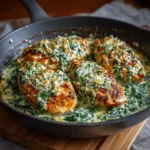
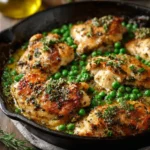
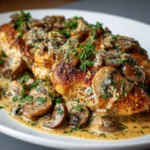
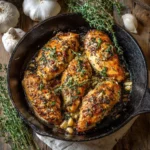
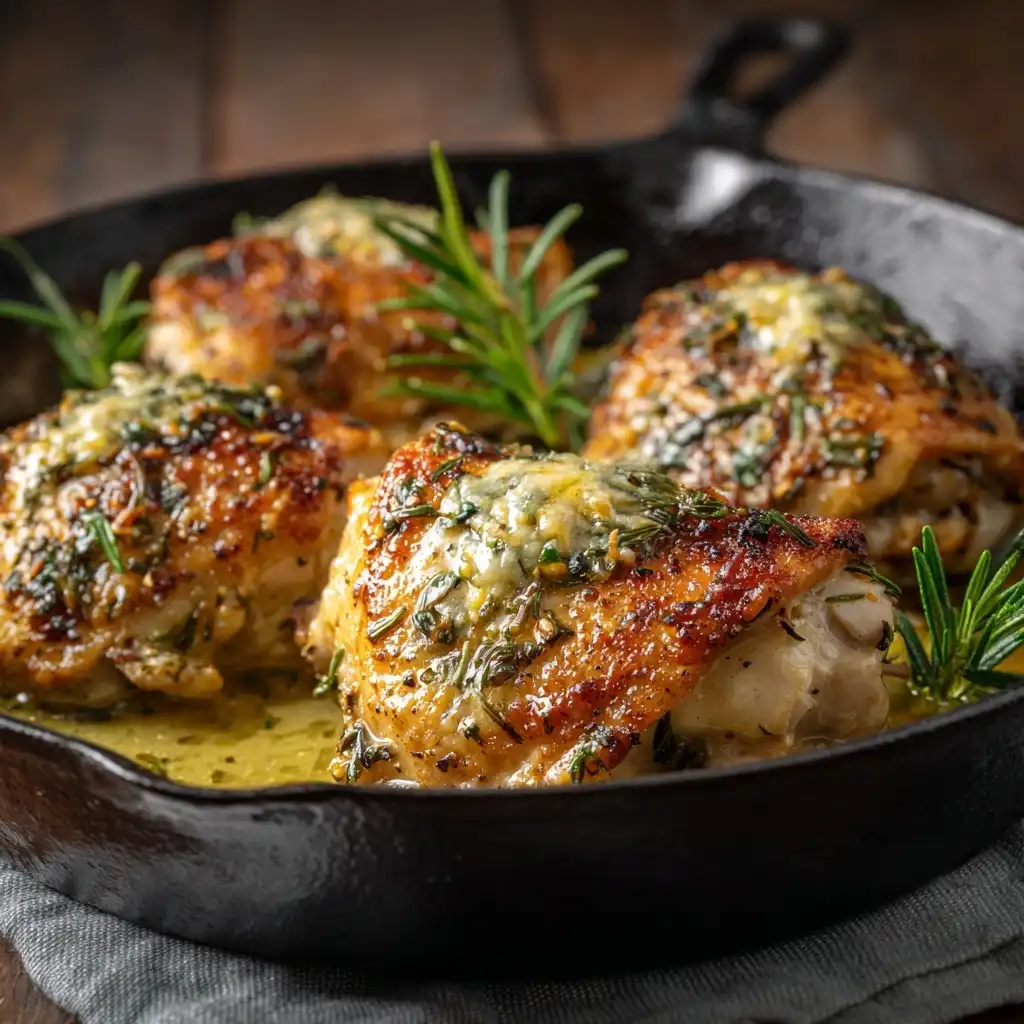
Garlic Butter Chicken with Rosemary is a timeless, restaurant-worthy dish that effortlessly bridges rustic charm and refined elegance. With its golden-brown seared chicken breasts bathed in a rich, aromatic pan sauce—infused with slow-melted butter, pungent fresh garlic, fragrant woody rosemary, and a hint of brightness from lemon—it delivers deep umami, herbal complexity, and luxurious mouthfeel in every bite. This recipe is more than just dinner—it’s an invitation to savor simplicity elevated by technique, quality ingredients, and mindful layering of flavor. Whether you’re preparing a cozy weeknight meal for two or impressing guests at a Sunday supper, this dish promises reliability, versatility, and soul-satisfying warmth—all in under 30 minutes.
The History
The roots of Garlic Butter Chicken with Rosemary stretch across centuries and continents, evolving through culinary cross-pollination and regional adaptation. Garlic and poultry have shared a sacred pairing since ancient Roman times—Apicius’ De Re Coquinaria (1st century CE) includes roasted fowl basted with garlic-infused fats. In medieval Europe, rosemary—revered as “the herb of remembrance”—was widely cultivated in monastic gardens and used both medicinally and culinarily; its pine-like aroma and antioxidant properties made it ideal for preserving and flavoring meats. By the 17th century, French chefs began formalizing the “fond” (pan drippings) and “monter au beurre” (finishing with cold butter) techniques—cornerstones of today’s garlic butter sauce. Meanwhile, British and Provençal traditions embraced rosemary-roasted chicken, often with garlic slivers tucked beneath the skin. The modern fusion—searing chicken, deglazing with white wine or stock, then swirling in garlic butter and fresh rosemary—crystallized in mid-20th-century American and Australian home cooking magazines, popularized by TV chefs like Julia Child and Graham Kerr who championed accessible yet technique-conscious recipes. Today, it stands as a global comfort classic: a testament to how humble pantry staples, when treated with respect and precision, yield extraordinary results.
Ingredients Breakdown
Every element in this dish plays a distinct, purposeful role—not just in flavor, but in texture, chemistry, and balance:
- Chicken Breasts (boneless, skin-on or skinless): High-quality, air-chilled, antibiotic-free chicken ensures superior moisture retention and clean taste. Skin-on yields richer flavor and crispiness; skinless offers leaner texture and faster cook time. Brining (15–30 min in ¼ cup salt + 4 cups water) enhances juiciness and seasoning penetration.
- Unsalted Butter: Preferably European-style (82–86% fat) for deeper nuttiness and smoother emulsification. Unsalted allows full sodium control. Cold, cubed butter added at the end creates a velvety, glossy sauce via “monter au beurre”—a classic French finishing technique that stabilizes the emulsion and tempers raw garlic sharpness.
- Fresh Garlic: 6–8 plump cloves, finely minced (not pressed)—mincing releases allicin gradually, avoiding bitterness. Raw garlic mellows beautifully when cooked gently in butter; overcooking leads to acridness. For depth, reserve 1 clove thinly sliced to garnish.
- Fresh Rosemary: Non-negotiable. Dried rosemary lacks volatile oils and imparts a dusty, medicinal note. Use 2–3 robust sprigs (about 1 tbsp chopped leaves), stems removed and leaves finely minced. The woody stems can be simmered whole in the sauce for infusion, then discarded before serving.
- Dry White Wine (e.g., Sauvignon Blanc or Pinot Grigio): Adds acidity, fruitiness, and complexity while de-glazing the fond. Alcohol evaporates, leaving nuanced esters. Substitute low-sodium chicken broth if avoiding alcohol—but add ½ tsp apple cider vinegar for brightness.
- Low-Sodium Chicken Stock: Provides savory depth (umami) without overwhelming salt. Homemade stock yields gelatin-rich body; high-quality store-bought (like Better Than Bouillon Roasted Chicken Base) works well. Simmered down to concentrate flavor before final emulsification.
- Lemon Juice & Zest: Freshly squeezed juice (½ lemon) balances fat and richness; zest (from ¼ lemon) adds aromatic citrus oil that lifts the entire profile without sourness.
- Extra-Virgin Olive Oil: Used only for initial searing—its smoke point suits medium-high heat better than butter alone. Choose a mild, fruity variety to avoid overpowering the rosemary.
- Kosher Salt & Freshly Ground Black Pepper: Diamond Crystal kosher salt ensures even seasoning; freshly cracked Tellicherry black pepper contributes floral heat and volatile aromatics that complement rosemary’s terpenes.
Step-by-Step Recipe
- Prep & Temper: Pat chicken breasts *extremely* dry with paper towels—this ensures proper sear, not steam. Let sit at room temperature for 15 minutes. Season generously on both sides with kosher salt and black pepper.
- Sear to Perfection: Heat 1½ tbsp olive oil in a heavy-bottomed stainless steel or cast-iron skillet over medium-high heat until shimmering (not smoking). Place chicken in skillet, smooth-side down. Press gently with spatula for even contact. Cook undisturbed 5–6 minutes until deep golden crust forms. Flip and cook 4–5 minutes more until internal temperature reaches 155°F (68°C) at thickest part. Transfer to wire rack; tent loosely with foil. Rest 5–8 minutes (temp rises to safe 165°F/74°C).
- Build the Fond: Reduce heat to medium. Add 1 tbsp butter and swirl until foaming subsides. Add minced garlic and 1 tsp chopped rosemary; sauté 30 seconds until fragrant—do not brown. Stir in ¼ cup white wine, scraping vigorously with wooden spoon to lift all browned bits (fond) from pan bottom. Simmer 1 minute until reduced by half.
- Deepen & Concentrate: Pour in ¾ cup warm chicken stock. Bring to gentle simmer. Cook 4–5 minutes, stirring occasionally, until liquid reduces to ~⅓ cup and coats back of spoon. Add lemon juice, zest, and remaining 1 tbsp chopped rosemary. Simmer 30 seconds.
- Emulsify the Sauce: Remove pan from heat. Whisk in cold butter, one cube at a time, allowing each to melt fully before adding next. Sauce should thicken, shine, and become luxuriously cohesive. If sauce breaks, whisk in 1 tsp warm stock while vigorously whisking.
- Final Assembly: Return rested chicken to pan, spooning sauce over top. Let sit 1 minute to warm through. Garnish with reserved lemon zest, micro-rosemary, flaky sea salt, and thinly sliced garlic.
Tips
- Don’t Crowd the Pan: Sear chicken in batches if needed. Overcrowding drops pan temperature, causing steaming instead of caramelization—sacrificing crust and fond.
- Control Garlic Heat: Garlic burns at 300°F (149°C). Keep it moving over medium heat, and never add it to oil hotter than shimmering—use butter’s foam stage as your cue.
- Resting Is Non-Negotiable: Skipping rest causes juices to flood out upon cutting. Resting allows muscle fibers to relax and reabsorb moisture—yielding succulent, sliceable chicken.
- Sauce Consistency Hack: If sauce is too thin, reduce further off heat while whisking. Too thick? Whisk in warm stock, ½ tsp at a time. Never add cold liquid—it shocks the emulsion.
- Rosemary Timing Matters: Add half the rosemary with garlic for infused base notes; reserve half for finish to preserve bright, volatile top notes.
- Skillet Choice: Stainless steel or cast iron gives best fond development. Avoid nonstick for searing—it won’t produce adequate browning or fond.
- Butter Temperature: Butter must be cold and cubed. Warm butter separates; melted butter won’t emulsify properly.
- Taste & Adjust: Before serving, taste sauce: needs more acid? Add lemon juice. Flat? A pinch of salt. Bitter? A drop of honey or maple syrup rounds it.
Variations and Customizations
This recipe is a master canvas—adaptable across dietary needs, seasons, and cultural inflections:
- Herb Swaps: Thyme or sage for earthy depth; tarragon for anise-kissed elegance; oregano and lemon zest for Mediterranean flair.
- Protein Alternatives: Chicken thighs (more forgiving, richer); pork tenderloin medallions; veal scaloppine; or firm white fish (cod, halibut) cooked gently 2–3 minutes per side.
- Dairy-Free/Vegan: Replace butter with high-fat coconut oil + 1 tsp nutritional yeast + ¼ tsp miso paste for umami; use garlic-infused olive oil and vegetable broth. Finish with cashew cream (soaked, blended) for silkiness.
- Low-Carb/Keto: Naturally compliant—just serve over cauliflower rice, zucchini noodles, or roasted radishes. Boost fat with extra butter or a swirl of ghee.
- Meal-Prep Friendly: Cook chicken and sauce separately. Store sauce chilled up to 4 days; reheat gently with splash of broth. Reheat chicken covered with damp paper towel in microwave or oven.
- Global Twists: Moroccan: Add ½ tsp ground cumin, ¼ tsp cinnamon, and chopped preserved lemon. Italian: Stir in 2 tbsp grated Pecorino Romano and 1 tsp capers at finish. Asian-Inspired: Swap rosemary for 1 tsp grated ginger + 1 scallion, use tamari instead of salt, and finish with toasted sesame oil and cilantro.
- One-Pan Roasted Version: Toss chicken, garlic cloves, rosemary sprigs, potatoes, carrots, and onions in olive oil, salt, and pepper. Roast at 425°F (220°C) for 35–40 minutes. Deglaze pan with wine and stock post-roast for sauce.
- Creamy Upgrade: After emulsifying butter, stir in 2 tbsp crème fraîche or mascarpone for decadent, tangy richness—ideal for colder months.
Health Considerations and Nutritional Value
A single 6-oz (170g) serving of Garlic Butter Chicken with Rosemary (made with skinless chicken breast, 3 tbsp butter, and no added sugar) provides approximately:
- Calories: ~420 kcal
- Protein: 48g (excellent source; supports muscle repair, satiety, and metabolic health)
- Fat: 22g (mostly unsaturated from olive oil and butter; includes beneficial butyric acid and conjugated linoleic acid [CLA] from grass-fed butter)
- Carbohydrates: 1g (negligible; ideal for low-carb, keto, or diabetic-friendly diets)
- Vitamins & Minerals: Rich in selenium (supports thyroid and antioxidant enzymes), vitamin B6 (nerve function and metabolism), niacin (energy production), and zinc (immune health). Rosemary contains rosmarinic acid and carnosic acid—potent antioxidants linked to neuroprotection and anti-inflammatory effects.
- Gastrointestinal Benefits: Garlic contains allicin (activated upon crushing), shown in studies to support healthy gut microbiota, reduce LDL cholesterol, and exhibit antimicrobial activity. Lemon juice aids iron absorption from chicken.
- Considerations: Sodium content (~380mg) remains moderate with low-sodium stock and controlled salt use. For heart health, pair with fiber-rich sides (roasted Brussels sprouts, quinoa, lentil salad) to enhance satiety and glycemic control. Those with GERD may reduce garlic to 3 cloves and omit lemon zest.
This dish aligns beautifully with Mediterranean, DASH, and anti-inflammatory dietary patterns—prioritizing whole foods, herbs, healthy fats, and lean protein without processed additives or refined sugars.
Ingredients
- 2 (6–7 oz) boneless, skinless chicken breasts, pounded to ½-inch thickness
- 1½ tsp Diamond Crystal kosher salt (divided)
- 1 tsp freshly ground black pepper (divided)
- 1½ tbsp extra-virgin olive oil
- 6 large garlic cloves, finely minced (plus 1 clove, very thinly sliced, for garnish)
- 2 tbsp unsalted butter, cold and cubed (plus 1 tbsp for sautéing)
- 2–3 fresh rosemary sprigs (about 1 tbsp finely chopped leaves, plus extra for garnish)
- ¼ cup dry white wine (e.g., Sauvignon Blanc)
- ¾ cup low-sodium chicken stock, warmed
- 1½ tsp fresh lemon juice (about ½ small lemon)
- ½ tsp lemon zest
- Flaky sea salt (e.g., Maldon), for finishing
- Micro-rosemary or fresh parsley, for garnish
Directions
- Prepare Chicken: Place chicken breasts between two sheets of parchment paper. Using a meat mallet or heavy skillet, pound evenly to ½-inch thickness. Pat *very* dry with paper towels. Season both sides with 1 tsp kosher salt and ½ tsp black pepper.
- Sear Chicken: Heat olive oil in a 12-inch stainless steel or cast-iron skillet over medium-high heat until shimmering. Carefully place chicken in pan. Press gently with spatula. Cook undisturbed 5–6 minutes until deeply golden and releases easily. Flip and cook 4–5 minutes more until internal temp reaches 155°F. Transfer to wire rack; tent loosely with foil. Rest 5–8 minutes.
- Make Sauce Base: Reduce heat to medium. Add 1 tbsp butter; swirl until foaming subsides. Add minced garlic and 1 tsp chopped rosemary; sauté 30 seconds until fragrant. Pour in wine, scraping pan vigorously to lift fond. Simmer 1 minute until reduced by half.
- Reduce Stock: Add warm chicken stock. Simmer 4–5 minutes, stirring occasionally, until reduced to ~⅓ cup and lightly coats spoon. Stir in lemon juice, zest, and remaining 1 tbsp chopped rosemary. Simmer 30 seconds.
- Finish with Butter: Remove pan from heat. Whisk in cold butter, one cube at a time, until fully melted and sauce is glossy and thickened. If broken, whisk in 1 tsp warm stock.
- Combine & Serve: Return rested chicken to pan, spooning sauce over. Let sit 1 minute. Garnish with sliced garlic, micro-rosemary, flaky salt, and extra lemon zest. Serve immediately.
FAQ
- Can I use dried rosemary?
- No—dried rosemary lacks essential oils and develops a harsh, camphorous flavor when cooked in butter. It also doesn’t emulsify well and can leave gritty texture. Always use fresh. If truly unavailable, substitute 1 tsp finely crushed dried rosemary *only* if bloomed in hot oil first for 1 minute—but expect diminished aromatic finesse.
- Why does my sauce break or look greasy?
- Sauce breaks when butter is added too quickly, is too warm, or when cold liquid is introduced. Fix it by removing from heat, whisking vigorously, and adding ½ tsp warm stock at a time until re-emulsified. Prevent it by using *cold*, cubed butter and adding slowly off heat.
- Can I make this ahead?
- Yes—with caveats. Cook chicken and sauce separately. Cool sauce completely, refrigerate up to 4 days. Reheat gently in saucepan over low heat, whisking constantly, adding splash of stock if too thick. Reheat chicken covered in 350°F oven for 10 minutes or microwave with damp paper towel.
- What sides pair best?
- Classic pairings include creamy mashed potatoes (soaks up sauce), buttered egg noodles, roasted root vegetables (carrots, parsnips), sautéed spinach or kale, or farro pilaf. For low-carb: cauliflower rice, grilled asparagus, or zucchini ribbons.
- Is this gluten-free?
- Yes—naturally gluten-free, provided you use certified gluten-free chicken stock and verify wine is not processed with gluten-containing finings (most dry wines are safe; check labels if highly sensitive).
- Can I freeze this dish?
- Freeze sauce separately (up to 3 months) in airtight container. Thaw overnight in fridge, reheat gently. Do *not* freeze cooked chicken in sauce—it becomes rubbery upon reheating. Freeze raw marinated chicken for future use instead.
- My garlic tastes bitter—what went wrong?
- Bitterness signals burnt garlic. Garlic cooks in seconds—never add to oil hotter than shimmering, and always sauté over medium (not high) heat. Remove from heat if you smell sharp, acrid notes.
- How do I get maximum rosemary flavor without it being woody?
- Finely mince leaves (discard tough stems), and add half early for infusion, half at the end for aromatic lift. For intense depth, steep whole rosemary stems in warm stock 10 minutes before using—then strain.
Summary
Garlic Butter Chicken with Rosemary is a masterclass in elemental elegance—where precise searing, intelligent fond development, and thoughtful herb integration transform simple ingredients into a dish of profound comfort and sophistication. Its layered flavors, velvety texture, and adaptable nature make it a perennial favorite for both weeknight ease and celebratory dining.
Nourishing, aromatic, and technically rewarding, this recipe honors tradition while inviting creativity—proving that greatness in cooking lies not in complexity, but in reverence for quality, timing, and balance.