Introduction
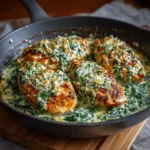
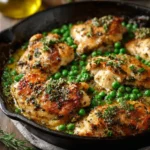
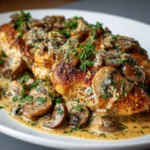
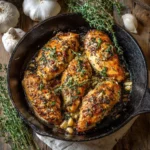
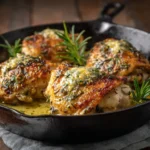
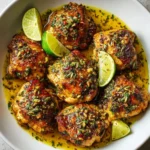
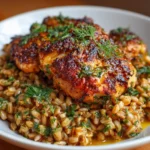
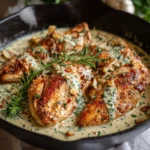
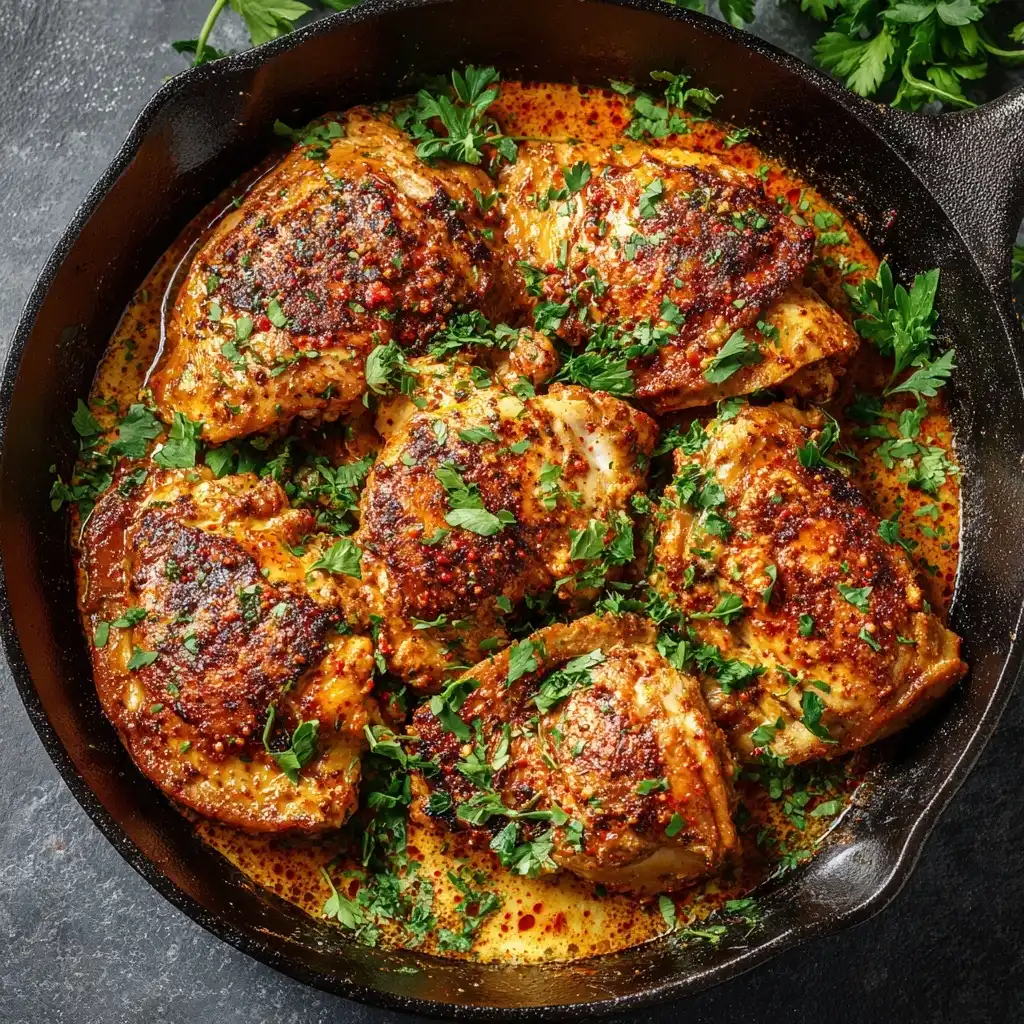
Garlic Butter Chicken with Paprika is a rich, aromatic, and deeply flavorful dish that marries the savory depth of slow-cooked garlic, the luxurious silkiness of melted butter, and the warm, smoky-sweet complexity of high-quality paprika—whether sweet, smoked (paprika ahumado), or hot. This recipe transforms simple, everyday ingredients into an elegant yet approachable weeknight dinner that feels restaurant-worthy without demanding professional technique. Its golden-brown, herb-flecked chicken breasts (or thighs) glisten under a glossy, emulsified sauce that clings lovingly to every bite—infusing tender poultry with layers of umami, subtle heat, and gentle earthiness. Whether served over creamy mashed potatoes, tossed with al dente pasta, spooned over crusty artisan bread, or paired with vibrant roasted vegetables, Garlic Butter Chicken with Paprika delivers comfort, sophistication, and unmistakable homestyle warmth in every forkful.
The History
The origins of Garlic Butter Chicken with Paprika are not tied to a single country or century but rather represent a beautiful convergence of culinary traditions across Europe and the Mediterranean. Garlic’s use in poultry preparations dates back to ancient Roman and medieval European cookery, where it was prized for both flavor and perceived medicinal properties. Butter-based pan sauces gained prominence in French haute cuisine—particularly in techniques like *monter au beurre* (finishing with cold butter to enrich and emulsify sauces)—while paprika’s journey is a fascinating global tale: native to the Americas, it was brought to Spain and Portugal by explorers in the 16th century, then spread through Ottoman trade routes into Hungary and Central Europe. By the 19th century, Hungarian paprika had become a national icon—culinary and cultural—and its adoption into Western European and later American home kitchens revolutionized poultry seasoning. In mid-20th-century America, recipes began appearing in women’s magazines and community cookbooks featuring “buttered chicken” enhanced with paprika for color and depth—a precursor to today’s viral, globally inspired versions. Modern iterations reflect our interconnected palate: the smokiness of Spanish pimentón nods to Iberian roasting traditions; the garlicky richness echoes Italian *pollo al burro*; and the quick-sear-and-sauce method owes much to French *escalope* techniques—all unified by paprika’s unifying warmth and the timeless allure of garlic and butter.
Ingredients Breakdown
Every ingredient in this recipe plays a precise, intentional role—not merely as flavor carriers but as functional contributors to texture, color, aroma, and chemical balance:
- Chicken Breasts or Thighs: Boneless, skinless chicken breasts offer lean tenderness and a clean canvas, while boneless, skinless thighs provide superior moisture retention, richer flavor, and forgiving cooking margins—ideal for beginners or meal-prep batches. For best results, uniform thickness (½–¾ inch) ensures even cooking; consider butterflying thicker cuts.
- Unsalted Butter: High-fat, European-style butter (82–86% fat) delivers superior browning, nutty depth, and stable emulsion. Unsalted butter allows full control over sodium levels—critical when balancing salty seasonings like soy or Worcestershire (if used in variations).
- Fresh Garlic: Minced or finely grated (not jarred), fresh garlic releases allicin—the volatile compound responsible for its pungent aroma and health benefits. Sautéing gently in butter unlocks sweetness and mellows sharpness without burning (which causes bitterness).
- Paprika: Not just “red spice”—this is the soul of the dish. Sweet (dulce) paprika offers floral, fruity notes; smoked (pimentón de la Vera) adds campfire warmth and complexity; hot (picante) introduces gentle, lingering heat. Always use freshly opened paprika—its volatile oils degrade rapidly after 3–4 months, resulting in flat, dusty flavor.
- Dry White Wine (Optional but Recommended): A splash of dry, acidic wine (e.g., Sauvignon Blanc or Pinot Grigio) deglazes the fond—the caramelized bits stuck to the pan—adding brightness and balancing butter’s richness. Non-alcoholic substitutes include low-sodium chicken broth + ½ tsp apple cider vinegar.
- Fresh Herbs: Flat-leaf parsley adds grassy freshness and visual contrast; thyme or rosemary (added early) contributes woody backbone; chives or tarragon (added at the end) lend delicate anise or onion-like nuance.
- Lemon Juice: A final squeeze brightens the entire profile, cutting through fat and amplifying garlic and paprika’s aromatic compounds—never skip this step unless accommodating strict dietary restrictions.
- High-Heat Oil: Avocado, grapeseed, or light olive oil (not extra virgin) ensures optimal searing temperature without smoking—critical for developing the Maillard reaction and golden crust.
- Sea Salt & Freshly Ground Black Pepper: Coarse sea salt seasons deeply; freshly cracked black pepper adds enzymatic warmth that complements paprika’s fruitiness.
Step-by-Step Recipe
- Prep & Pat Dry: Place chicken breasts or thighs on a cutting board. If uneven, gently pound between parchment paper to ½-inch uniform thickness using a meat mallet or heavy skillet. Pat *extremely* dry with paper towels—moisture is the enemy of sear. Season both sides generously with salt and pepper.
- Heat & Sear: Heat 1 tbsp high-heat oil in a heavy-bottomed stainless steel or cast-iron skillet over medium-high heat until shimmering (approx. 375°F). Carefully place chicken in the pan without crowding (work in batches if needed). Press lightly with a spatula for full contact. Cook undisturbed for 5–6 minutes until deeply golden brown and easily releases from the pan. Flip and cook opposite side 4–5 minutes until internal temperature reaches 155°F (it will rise to 165°F during carryover). Transfer to a clean plate, tent loosely with foil, and rest 5 minutes—this preserves juices and prevents sauce dilution.
- Build the Aromatics: Reduce heat to medium-low. Add 2 tbsp unsalted butter. Once melted and foaming subsides, add 4–5 minced garlic cloves. Stir constantly for 45–60 seconds until fragrant and pale gold—do not let brown. Immediately stir in 1½ tsp paprika (use smoked for depth, sweet for purity) and toast 15 seconds to bloom its oils.
- Deglaze & Simmer: Pour in ¼ cup dry white wine (or broth/vinegar blend). Use a wooden spoon to vigorously scrape up all browned bits (fond) from the pan bottom—this is concentrated flavor. Simmer 1–2 minutes until liquid reduces by half and smells intensely aromatic.
- Enrich & Emulsify: Return rested chicken (with any accumulated juices) to the pan. Spoon sauce over chicken. Reduce heat to low. Add remaining 2 tbsp cold butter, one cube at a time, whisking constantly in a figure-eight motion until fully incorporated and glossy (about 30 seconds per cube). The sauce should coat the back of a spoon thickly but fluidly—never boil, or butter will separate.
- Finish & Garnish: Remove from heat. Stir in 1 tbsp fresh lemon juice and 2 tbsp finely chopped flat-leaf parsley. Taste and adjust: more salt for balance, lemon for brightness, paprika for warmth, or a pinch of cayenne for lift. Let rest 2 minutes before serving to allow flavors to marry.
Tips
- Temperature Control Is Everything: Overheated butter burns garlic; too-cool butter won’t emulsify. Maintain low-to-medium-low heat during sauce building—and never walk away during the emulsification stage.
- The “Cold Butter, Hot Pan” Paradox: While the pan must be hot enough to sizzle, the butter added for the sauce base should be at cool room temperature (65–70°F)—not melted or chilled. This allows gradual melting and proper fat dispersion.
- Rest Chicken Before Sauce Integration: Adding hot chicken directly into a hot sauce causes proteins to seize and release excess water, breaking the emulsion. Resting first yields juicier meat and a silkier sauce.
- Use a Whisk, Not a Spoon: A small balloon whisk creates shear force essential for binding butterfat and liquid—preventing greasy separation. Stirring with a spoon often fails to achieve true emulsion.
- Paprika Bloom Timing Matters: Toast paprika *after* garlic softens but *before* adding liquid—just 10–15 seconds. Longer exposure to dry heat scorches its delicate compounds.
- Sauce Consistency Fixes: Too thin? Simmer 30 seconds longer, then whisk in ½ tbsp cold butter. Too thick or broken? Whisk in 1 tsp warm broth, 1 tsp at a time, until smooth. Never reboil.
- Batch Cooking Hack: Double the sauce base (garlic, paprika, wine reduction) and freeze in ice cube trays. Thaw and whisk in fresh butter and lemon when ready to serve—perfect for quick weeknight dinners.
- Visual Doneness Cue: Chicken is done when juices run clear (not pink) and the meat feels springy—not rubbery—when pressed with tongs. Rely on a thermistor thermometer for accuracy.
Variations and Customizations
This recipe is a master template—adaptable across cuisines, dietary needs, and seasonal availability:
- Mediterranean Twist: Add ½ cup halved cherry tomatoes and ¼ cup crumbled feta in the last 2 minutes of sauce simmering; finish with kalamata olives and oregano.
- Spicy Harissa Infusion: Replace ½ tsp paprika with 1 tsp North African harissa paste (stir in with garlic); garnish with cilantro and toasted cumin seeds.
- Creamy Dijon Version: Whisk in 1 tbsp whole-grain Dijon mustard and 2 tbsp heavy cream with the cold butter for a tangy, velvety finish.
- Herbaceous Pesto Swirl: Off heat, fold in 2 tbsp basil pesto and top with shaved Parmesan and pine nuts.
- Low-Carb/Keto Adaptation: Skip wine; use ¼ cup full-bodied chicken bone broth + 1 tsp apple cider vinegar. Serve over cauliflower rice or zucchini noodles.
- Gluten-Free Assurance: Verify all broth, wine, and seasoning blends are certified GF. Most pure paprikas are naturally gluten-free—but always check labels due to cross-contamination risks.
- Vegetarian “Chicken” Option: Substitute large, meaty portobello caps or sliced king oyster mushrooms. Sear until deeply caramelized, then proceed with sauce steps—umami-rich and satisfyingly hearty.
- Meal-Prep Friendly: Cook chicken and sauce separately. Store sauce chilled for up to 5 days or frozen 3 months. Reheat gently in a saucepan, whisking in 1 tsp water per ¼ cup sauce to re-emulsify before pouring over freshly reheated chicken.
- Smoky BBQ Fusion: Add ½ tsp chipotle powder with paprika and finish with a drizzle of maple syrup (½ tsp) for sweet-heat balance—ideal for sandwich filling or taco filling.
- Umami Bomb Upgrade: Stir in 1 tsp white miso paste or ½ tsp fish sauce (optional, but transformative) with the lemon juice—it deepens savoriness without detectable flavor.
Health Considerations and Nutritional Value
A 5-ounce serving (one average chicken breast with 2 tbsp sauce) provides approximately:
- Calories: ~320–380 kcal (varies by butter quantity and cut)
- Protein: 34–38g (excellent complete protein source supporting muscle synthesis and satiety)
- Fat: 18–22g (predominantly heart-healthy monounsaturated fats from butter and olive oil; includes beneficial butyrate)
- Carbohydrates: <1g (naturally low-carb and keto-compliant)
- Vitamin B6 & B12: Supports nervous system function and red blood cell formation
- Selenium: Powerful antioxidant involved in thyroid hormone metabolism
- Allicin (from raw garlic): Though partially degraded by heat, residual compounds retain anti-inflammatory and cardiovascular benefits
- Capsaicinoids (from paprika): Contribute mild metabolic boost and antioxidant activity
Dietary Notes: Naturally gluten-free and dairy-free options exist (substitute ghee or vegan butter + nutritional yeast for umami). For lower saturated fat, use half butter/half extra-virgin olive oil—but note reduced emulsion stability. Those managing hypertension should monitor added salt and opt for low-sodium broth alternatives. Individuals with GERD may tolerate this well due to absence of tomatoes or heavy cream—but portion size and timing (avoid late-night meals) remain key considerations.
Ingredients
- 2 (6-oz) boneless, skinless chicken breasts or thighs, pounded to ½-inch thickness
- 1 tsp fine sea salt (plus more to taste)
- ½ tsp freshly ground black pepper
- 1 tbsp high-heat oil (avocado, grapeseed, or light olive oil)
- 4 tbsp unsalted butter, divided (2 tbsp for aromatics, 2 tbsp cold for finishing)
- 4–5 cloves garlic, finely minced or grated
- 1½ tsp high-quality sweet or smoked paprika (see Tips for selection)
- ¼ cup dry white wine (Sauvignon Blanc or Pinot Grigio) — or substitute ¼ cup low-sodium chicken broth + ½ tsp apple cider vinegar
- 1 tbsp fresh lemon juice (about ½ lemon)
- 2 tbsp fresh flat-leaf parsley, finely chopped
Directions
- Pat chicken completely dry with paper towels. Season both sides evenly with salt and pepper.
- Heat oil in a 12-inch stainless steel or cast-iron skillet over medium-high heat until shimmering (about 2 minutes). Carefully add chicken; press gently. Cook 5–6 minutes without moving until deeply golden. Flip and cook 4–5 minutes more until internal temperature reads 155°F. Transfer to a plate, tent with foil, and rest 5 minutes.
- Reduce heat to medium-low. Add 2 tbsp butter to skillet. Once melted and foaming calms, add garlic. Stir constantly 45–60 seconds until fragrant and pale gold.
- Add paprika; stir 15 seconds to toast and bloom.
- Pour in wine (or broth/vinegar mix). Scrape pan vigorously with a wooden spoon to lift all browned bits. Simmer 1–2 minutes until reduced by half.
- Return rested chicken (and juices) to pan. Spoon sauce over chicken. Reduce heat to low.
- One at a time, whisk in remaining 2 tbsp cold butter cubes, waiting until each is fully melted and emulsified before adding the next (~30 seconds per cube).
- Remove from heat. Stir in lemon juice and parsley. Taste and adjust seasoning. Let sit 2 minutes before serving.
FAQ
- Can I use dried herbs instead of fresh parsley?
- Yes—but use only 1 tsp dried parsley (or ½ tsp dried tarragon or chives) and add it with the lemon juice. Fresh herbs contribute volatile oils lost in drying; dried versions lack brightness but still offer aromatic support.
- Why does my sauce break or look greasy?
- Sauce breaks due to overheating (causing butterfat separation), adding cold butter too quickly, or incorporating liquid too fast. Fix by removing from heat, whisking in 1 tsp warm broth, and slowly reintroducing ½ tbsp cold butter while whisking vigorously.
- Can I make this ahead of time?
- Absolutely. Cook chicken and sauce separately. Refrigerate sauce up to 5 days or freeze up to 3 months. Reheat sauce gently in a saucepan over low heat, whisking in 1 tsp water per ¼ cup to restore emulsion before combining with freshly warmed chicken.
- Is smoked paprika necessary—or can I use regular?
- Sweet paprika works beautifully for a cleaner, fruit-forward profile. Smoked paprika adds dimension and depth—but avoid “hot smoked” unless you want noticeable heat. For authenticity, seek out Spanish pimentón de la Vera (dulce or agridulce).
- Can I cook this in the oven?
- Yes—sear chicken on stove first, then transfer skillet to a 375°F oven for 8–10 minutes until done. Finish sauce on stovetop as directed. Ensure your skillet is oven-safe (no plastic handles!).
- What sides pair best with this dish?
- Classic pairings include garlic mashed potatoes, herbed egg noodles, roasted carrots & parsnips, sautéed spinach with lemon, or crusty sourdough for soaking up sauce. For lighter options: quinoa pilaf, farro salad with roasted peppers, or grilled asparagus.
- Can I use chicken with bones or skin?
- Skin-on chicken yields incredible flavor and crispness—but requires longer cooking and careful rendering to avoid gumminess. Bone-in pieces (like thighs or drumsticks) work well but need 25–35 minutes total. Adjust temps and times accordingly, always verifying 165°F internal temp.
- How do I store leftovers safely?
- Cool completely within 2 hours. Store chicken and sauce together in an airtight container for up to 3 days refrigerated. Reheat gently in skillet over low heat, adding 1 tsp broth if sauce tightens. Do not microwave aggressively—butter separates easily.
Summary
Garlic Butter Chicken with Paprika is a masterclass in simplicity meeting sophistication—where humble pantry staples transform through precise technique into a dish that delights the senses and nourishes the body. With its golden-seared chicken, velvety emulsified sauce, and layered warmth of garlic, butter, and paprika, it’s endlessly adaptable, nutritionally balanced, and deeply satisfying across cultures and kitchens.
Whether you’re a novice seeking foolproof elegance or a seasoned cook craving a canvas for creativity, this recipe delivers restaurant-quality results with home-kitchen humility—proving that extraordinary flavor truly begins with intention, quality ingredients, and the quiet magic of a well-made pan sauce.