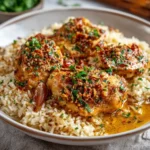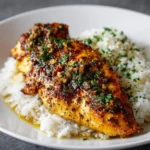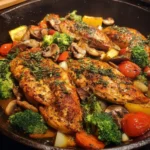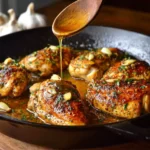
Introduction
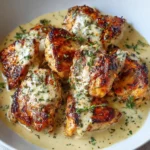
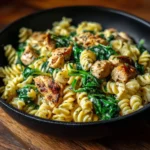
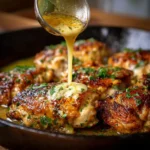
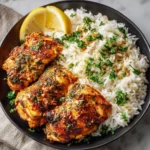
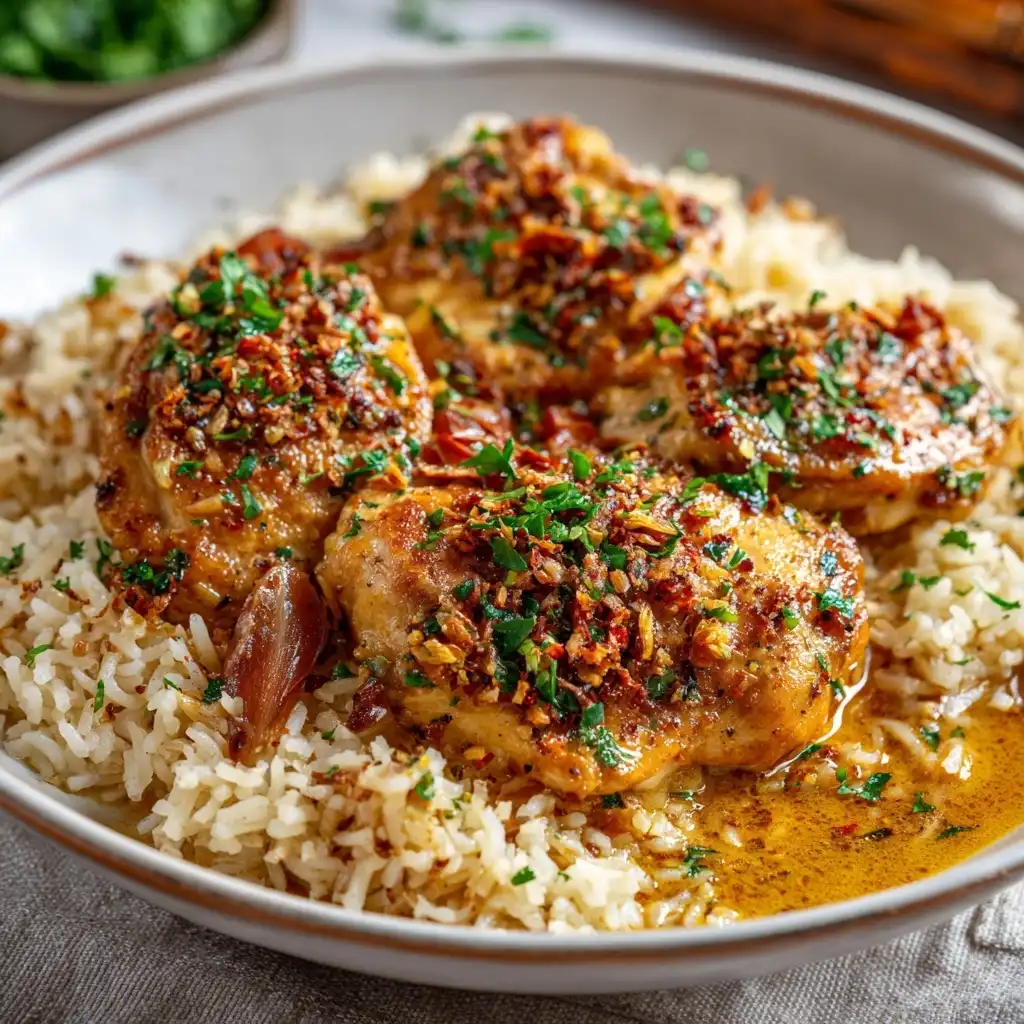
Garlic Butter Chicken with One-Pot Rice is a soul-satisfying, restaurant-worthy dish that brings bold flavor, creamy richness, and comforting simplicity together in a single vessel. Designed for home cooks who crave depth without drama, this recipe eliminates the stress of juggling multiple pans, timing side dishes, or cleaning up a mountain of cookware—yet delivers results that rival your favorite bistro. Tender chicken thighs (or breasts) are seared to golden perfection, then simmered gently in a luxurious, aromatic sauce built on layers of sautéed garlic, fragrant herbs, silky butter, and savory broth, all while infusing long-grain rice directly in the same pot. The result? Fluffy, butter-kissed rice studded with tender chicken, flecked with fresh parsley, and glistening with garlicky, herb-infused golden sauce. Whether you’re meal prepping for the week, feeding a busy family, or impressing guests with minimal effort, this one-pot wonder checks every box: deeply flavorful, nutritionally balanced, time-efficient, and endlessly adaptable.
The History
While there’s no single documented origin for “Garlic Butter Chicken with One-Pot Rice,” the dish is a modern culinary synthesis rooted in centuries-old global traditions. Garlic butter as a flavor base traces back to French cuisine—think *beurre blanc* and *escargots à la bourguignonne*—where butter and aromatics were used to elevate proteins with richness and nuance. Simultaneously, one-pot rice preparations have sustained cultures across Asia, the Middle East, and Latin America for millennia: from Persian *tahdig*, Spanish *paella*, Indian *biryani*, and West African *jollof*. In the late 20th and early 21st centuries, the rise of minimalist cooking philosophies—championed by chefs like Marcella Hazan, Ottolenghi, and later food bloggers and influencers—sparked a renaissance in unified, ingredient-conscious, low-effort, high-impact meals. Garlic Butter Chicken with One-Pot Rice emerged organically from this cross-cultural convergence: a fusion of French technique (garlic-butter emulsion), Mediterranean herb sensibility (parsley, thyme, lemon), and global one-pot wisdom—all streamlined for the modern kitchen. Its popularity surged on platforms like Pinterest and TikTok not just for its visual appeal (glossy, golden, herb-flecked), but because it solves real-life pain points: under 45 minutes, pantry-friendly ingredients, forgiving execution, and built-in portion control. It’s less a historical artifact and more a delicious testament to how timeless techniques evolve to meet contemporary needs—with butter, garlic, and rice leading the way.
Ingredients Breakdown
Every ingredient in this dish plays a deliberate role—not just for taste, but for texture, aroma, balance, and functionality within the one-pot system. Let’s explore them in depth:
- Chicken (boneless, skinless thighs preferred): Thighs offer superior moisture retention, richer flavor, and greater forgiveness during simmering—critical when rice absorbs liquid over 20+ minutes. Their higher fat content also helps carry fat-soluble flavors (garlic, thyme, butter) deeper into the dish. Breasts can be substituted but require careful monitoring to avoid dryness; consider slicing them slightly thinner or reducing simmer time by 3–5 minutes.
- Unsalted butter: Provides luxurious mouthfeel, deep nutty notes when lightly browned, and acts as an emulsifier—binding garlic, herbs, and broth into a cohesive, glossy sauce. Unsalted allows precise sodium control, especially important when using broth and soy sauce (if included in variations).
- Fresh garlic (minced or finely grated): The aromatic heart of the dish. Fresh garlic delivers pungent, sweet, and floral top notes that dried or powdered garlic cannot replicate. Grating on a microplane releases maximum allicin—the compound responsible for both aroma and health benefits—while ensuring even distribution and preventing burnt bits.
- Aromatics (yellow onion, optional shallots): Onion builds foundational sweetness and umami depth; shallots add a delicate, wine-like complexity. Both are sweated—not caramelized—to preserve moisture and avoid bitterness, ensuring they melt into the sauce rather than dominate.
- Dry white wine (e.g., Sauvignon Blanc or Pinot Grigio): Adds brightness, acidity, and subtle fruitiness that cuts through butter’s richness. It deglazes the fond (those flavorful browned bits stuck to the pan), unlocking concentrated flavor. Alcohol fully cooks off, leaving only aromatic complexity. Substitute with extra broth + 1 tsp lemon juice if avoiding alcohol.
- Low-sodium chicken broth: The hydration engine for the rice—and the flavor carrier for everything else. Low-sodium is essential to prevent oversalting, especially since butter, soy sauce (in variations), and seasoning blends contribute salt. Homemade broth yields unparalleled depth, but high-quality store-bought works beautifully.
- Long-grain white rice (Basmati or Jasmine): Chosen for its fluffy, non-sticky texture and ability to absorb liquid evenly without turning mushy. Basmati offers floral, nutty notes and elongates beautifully; Jasmine adds subtle sweetness and a hint of orchid fragrance. Rinsing is non-negotiable—it removes excess surface starch, preventing gummy rice and ensuring distinct, separate grains.
- Fresh herbs (flat-leaf parsley, optional thyme or rosemary): Parsley adds vibrant green color, clean bitterness, and a grassy freshness that lifts the entire dish. Thyme contributes earthy, lemony undertones that harmonize with garlic and butter; rosemary (use sparingly) imparts piney intensity—best reserved for robust variations.
- Lemon zest and juice: Zest delivers concentrated citrus oils—bright, aromatic, and fragrant—without added liquid. Juice adds finishing acidity that balances fat and enhances all other flavors. Both are added at the end to preserve volatile compounds lost during cooking.
- Seasonings (kosher salt, black pepper, smoked or sweet paprika): Salt amplifies every flavor molecule; freshly ground black pepper adds warmth and bite; paprika lends gentle smokiness or sweetness and beautiful golden-red hue—especially key for visual appeal and depth in the sauce.
Step-by-Step Recipe
- Prep & Measure (10 minutes): Rinse 1 cup long-grain rice (Basmati or Jasmine) under cold water until water runs clear—this prevents clumping. Drain thoroughly. Pat 1.5 lbs boneless, skinless chicken thighs (or breasts) very dry with paper towels—crucial for proper searing. Mince 6 large garlic cloves (about 2 tbsp). Finely dice 1 medium yellow onion. Chop ¼ cup fresh flat-leaf parsley (reserve stems for broth if making homemade). Zest 1 lemon, then juice it (you’ll need ~2 tbsp juice). Measure ½ cup dry white wine, 2 cups low-sodium chicken broth, 4 tbsp unsalted butter, 1 tsp smoked paprika, 1 tsp kosher salt (plus more to taste), and ½ tsp freshly ground black pepper.
- Sear the Chicken (6–8 minutes): Heat a heavy-bottomed Dutch oven or large, deep skillet (at least 5 qt) over medium-high heat. Add 1 tbsp neutral oil (avocado or grapeseed). Once shimmering, season chicken generously with salt and pepper. Place in a single layer—do not crowd; sear in batches if needed. Cook undisturbed for 4–5 minutes until deeply golden brown and easily releases from pan. Flip and sear second side 3–4 minutes until browned and just cooked through (internal temp 165°F). Transfer to a plate—do not discard drippings.
- Sauté Aromatics & Garlic (3 minutes): Reduce heat to medium. Add diced onion to same pot; sauté 2 minutes until softened and translucent. Add minced garlic and 1 tsp paprika; stir constantly for 60–90 seconds until fragrant and raw edge disappears—but do not let garlic brown or burn. This step builds the flavor base without bitterness.
- Deglaze & Simmer Base (2 minutes): Pour in white wine, scraping vigorously with a wooden spoon to lift all browned bits (fond) from the bottom. Simmer 1–2 minutes until reduced by half and alcoholic sharpness mellowed.
- Combine & Simmer (22–25 minutes): Stir in rinsed, drained rice, broth, 1 tsp salt, and ½ tsp pepper. Return chicken (and any accumulated juices) to pot, nestling pieces into liquid. Bring to a gentle boil, then immediately reduce heat to the lowest possible setting (or use a flame tamer). Cover tightly with lid. Simmer undisturbed for 18 minutes—no peeking! After 18 minutes, remove from heat but keep covered for 5 additional minutes to steam and finish cooking. This resting period ensures perfectly fluffy, evenly cooked rice.
- Finish with Butter & Herbs (3 minutes): Uncover. Discard any chicken skin or excess fat. Stir in 4 tbsp cold butter, one tablespoon at a time, allowing each to melt and emulsify before adding the next—this creates a velvety, glossy sauce. Gently fold in lemon zest, lemon juice, and chopped parsley. Taste and adjust: more salt? A pinch of sugar to balance acidity? A dash of cayenne for heat? Let rest 2 minutes before serving.
- Serve (1 minute): Spoon generously into wide, shallow bowls. Garnish with extra parsley, lemon wedges, and a final drizzle of high-quality olive oil or a sprinkle of flaky sea salt for contrast.
Tips
- Dry chicken = golden crust: Moisture is the enemy of searing. Pat chicken *thoroughly*—even between folds—using several paper towels. Let it sit uncovered in the fridge for 15 minutes pre-seasoning for ultra-dry surfaces.
- Don’t rush the garlic: Garlic burns in seconds at high heat. Sauté it *only* after onions soften, over medium (not medium-high) heat, and stir constantly. If it smells acrid or turns brown, start over—the bitterness will permeate the whole dish.
- Rinse rice religiously: Skipping this leads to gummy, clumpy rice. Rinse under cold water for 60 seconds, agitating with fingers, until water is nearly clear. Drain in a fine-mesh sieve and shake well—or spread on a towel to air-dry 2 minutes.
- Use the right pot: A heavy-bottomed Dutch oven (enameled cast iron or stainless steel) distributes heat evenly and retains temperature—critical for consistent rice cooking. Thin pots scorch rice on bottom while leaving top undercooked.
- Resist the peek: Lifting the lid releases steam and drops internal temperature, disrupting the precise moisture-to-rice ratio. Set a timer and trust the process—18 minutes simmer + 5 minutes steam-rest is scientifically calibrated.
- Butter goes in cold & last: Adding butter at the end—cold and in stages—creates an emulsion, not separation. Warm or melted butter won’t bind properly and will pool greasily. Stir gently but thoroughly to incorporate.
- Acid is your finisher: Lemon juice and zest should *never* be added early—they’ll curdle the butter and dull their bright notes. Always stir in during final garnishing.
- Rest before serving: That extra 2-minute rest after stirring in butter allows flavors to marry and sauce to thicken slightly. Serve too soon, and it may seem thin or overly buttery.
- Adjust broth based on rice type: Basmati often needs 1.75 cups broth per cup rice; Jasmine may need 1.875 cups. When in doubt, start with 1.75 cups and add 2 tbsp warm broth if rice seems dry after steaming.
- Save the fond: Those browned bits left after searing chicken? They’re pure umami gold. Deglazing with wine *must* capture them—don’t skip the vigorous scraping!
Variations and Customizations
This recipe is a masterful canvas—versatile enough for dietary preferences, seasonal produce, global accents, and pantry improvisation. Here are 12 thoughtfully tested variations:
- Herbaceous Mediterranean: Swap parsley for equal parts chopped dill + mint; add ½ cup halved cherry tomatoes and ¼ cup crumbled feta in the last 2 minutes of steaming. Finish with lemon zest and a drizzle of oregano-infused olive oil.
- Smoky Chipotle-Lime: Replace paprika with 1 tsp chipotle powder + ½ tsp ground cumin. Stir in 1 tbsp lime juice (instead of lemon) and 2 tbsp chopped cilantro at the end. Top with avocado slices and pickled red onions.
- Creamy Dijon Mushroom: Sauté 8 oz sliced cremini mushrooms with onions until golden. Add 1 tbsp Dijon mustard with garlic. Replace 1 tbsp butter with 2 tbsp heavy cream stirred in at the end for luxurious silkiness.
- Asian-Inspired Umami Bomb: Use ginger-garlic paste (1 tbsp), swap wine for 2 tbsp dry sherry, and add 1 tbsp low-sodium tamari + 1 tsp toasted sesame oil at the finish. Garnish with scallions, sesame seeds, and nori strips.
- Spicy Harissa & Chickpea: Stir in 2 tbsp harissa paste with garlic. Add 1 (15-oz) can rinsed chickpeas with the broth. Finish with preserved lemon peel and cilantro. Naturally vegan if using plant-based butter and veggie broth.
- Coconut-Curry Infusion: Replace half the broth with full-fat coconut milk. Add 1 tbsp red curry paste with aromatics. Stir in ¼ cup roasted cashews and Thai basil at the end.
- “Clean-Out-the-Fridge” Veggie Boost: Add 1 cup diced carrots, zucchini, or bell peppers with onions. For leafy greens, stir in 2 cups baby spinach or kale in the last 2 minutes of steaming—wilts perfectly.
- Low-Carb/Cauliflower Rice Version: Omit rice. Sear chicken, build sauce, then stir in 4 cups riced cauliflower. Simmer covered 8–10 minutes until tender-crisp. Finish with butter and herbs. Reduces carbs by ~45g per serving.
- Meal-Prep Friendly Batch: Double the recipe and cook in two Dutch ovens. Portion into airtight containers—sauce keeps rice moist. Reheats beautifully in microwave with splash of broth or water.
- Kid-Approved Mild & Cheesy: Omit garlic (or reduce to 2 cloves), add ½ cup shredded mild cheddar with butter at the end. Stir until just melted. Serve with apple slices and carrot sticks.
- Gourmet Truffle Finish: Stir in 1 tsp white truffle oil (not cooking oil) and 1 tbsp grated Parmigiano-Reggiano with the butter. Garnish with microgreens and edible flowers.
- Gluten-Free Certified: Ensure broth, wine, and seasonings are GF-certified (many soy sauces and broths contain hidden gluten). Use certified GF rice and tamari if substituting.
Health Considerations and Nutritional Value
Garlic Butter Chicken with One-Pot Rice is not only deeply satisfying—it’s nutritionally intelligent when prepared mindfully. A standard serving (⅔ cup rice + 1 thigh, ~1.5 cups total) contains approximately:
- Calories: 520–580 kcal (moderate for a complete meal; lower with breast meat or reduced butter)
- Protein: 32–38g (excellent source—supports muscle repair, satiety, and metabolic health)
- Carbohydrates: 52–60g (primarily complex, slow-digesting from whole-grain rice alternatives or Basmati’s lower glycemic index [GI ~58] vs. jasmine [GI ~68])
- Fat: 22–26g (predominantly unsaturated from butter + olive oil garnish; includes beneficial short-chain fatty acids like butyrate)
- Fiber: 1–2g (boost to 4–6g by using brown rice, quinoa, or adding vegetables)
- Vitamins & Minerals: Rich in B6 and B12 (chicken), selenium (garlic, chicken), vitamin C (lemon), potassium (broth, herbs), and antioxidants (garlic allicin, parsley apigenin, lemon hesperidin)
Key Health Highlights:
- Garlic’s Superfood Status: Raw or lightly cooked garlic contains allicin—a potent antimicrobial, anti-inflammatory, and cardiovascular-supportive compound shown in studies to support healthy blood pressure and cholesterol levels.
- Boneless, Skinless Thighs Are Smart: Often unfairly maligned, chicken thighs contain more monounsaturated fats (like olive oil) and higher levels of iron and zinc than breasts—supporting immunity and energy metabolism.
- Butter Is Not the Villain: Grass-fed butter provides vitamin K2 (critical for calcium utilization and arterial health), butyrate (gut-healing), and conjugated linoleic acid (CLA)—linked to healthy body composition in clinical trials.
- Lemon Enhances Bioavailability: Vitamin C in lemon juice significantly increases non-heme iron absorption from plant-based components (like herbs and broth)—making this dish more nutrient-dense than it appears.
- One-Pot = Less Oil, Less Waste: Minimal added oil (just 1 tbsp for searing), no frying, and no discarded cooking water means maximal nutrient retention and lower environmental footprint.
Dietary Adaptations:
- Lower Sodium?: Use no-salt-added broth, omit added salt, rely on herbs, lemon, and umami (mushrooms, nutritional yeast) for flavor.
- Lower Fat?: Use 2 tbsp butter + 2 tbsp broth or light coconut milk; opt for chicken breast; increase veggies to bulk volume.
- Keto?: Skip rice entirely; replace with riced cauliflower, broccoli, or shirataki noodles. Increase healthy fats (avocado, nuts, olive oil).
- Paleo/Whole30?: Use ghee instead of butter, compliant broth, and omit wine (sub with extra broth + apple cider vinegar).
- Diabetic-Friendly?: Prioritize Basmati rice, control portions (½ cup cooked rice), add non-starchy veggies, and pair with leafy green salad to moderate glucose response.
Ingredients
- 1 cup long-grain white rice (Basmati or Jasmine), rinsed well and drained
- 1.5 lbs boneless, skinless chicken thighs (or breasts), patted very dry
- 1 tbsp neutral high-heat oil (avocado, grapeseed, or refined coconut)
- 1 medium yellow onion, finely diced
- 6 large garlic cloves, finely minced or grated (≈2 tbsp)
- ½ cup dry white wine (Sauvignon Blanc, Pinot Grigio, or unoaked Chardonnay)
- 2 cups low-sodium chicken broth (preferably organic or homemade)
- 4 tbsp unsalted butter, cut into cold cubes
- 1 tsp smoked or sweet paprika
- 1 tsp kosher salt (plus more to taste)
- ½ tsp freshly ground black pepper
- Zest and juice of 1 medium lemon (≈1 tsp zest, 2 tbsp juice)
- ¼ cup fresh flat-leaf parsley, finely chopped (plus extra for garnish)
- Lemon wedges, for serving
- Optional garnish: flaky sea salt, extra-virgin olive oil, microgreens
Directions
- Prepare ingredients as listed above. Rinse rice thoroughly in a fine-mesh sieve under cold running water until water runs almost clear. Shake well to drain excess water. Set aside.
- Pat chicken completely dry with paper towels. Season generously with ½ tsp salt and ¼ tsp pepper.
- Heat a 5–6 quart heavy-bottomed Dutch oven or deep skillet over medium-high heat. Add oil and heat until shimmering but not smoking.
- Add chicken in a single layer (work in batches if needed). Sear undisturbed for 4–5 minutes until deeply golden brown and easily releases. Flip and sear second side 3–4 minutes until browned and cooked through (165°F internal temp). Transfer to a plate; set aside. Do not discard drippings.
- Reduce heat to medium. Add diced onion to pot; sauté 2 minutes until soft and translucent.
- Add minced garlic and paprika; stir constantly for 60–90 seconds until fragrant and raw garlic smell disappears.
- Pour in white wine. Scrape bottom of pot vigorously with a wooden spoon to release all browned bits. Simmer 1–2 minutes until reduced by half.
- Stir in rinsed rice, broth, remaining ½ tsp salt, and ¼ tsp pepper. Return chicken (and any juices) to pot, nestling into liquid.
- Bring mixture to a gentle, steady boil. Immediately cover tightly with lid and reduce heat to lowest possible setting (or use flame tamer).
- Simmer undisturbed for exactly 18 minutes. Do not lift lid.
- Turn off heat. Keep covered and let rest for 5 minutes—this completes rice cooking via residual steam.
- Uncover. Remove chicken and place on cutting board. Shred or slice as desired. Discard any excess fat or skin.
- Stir rice gently to distribute sauce. Add cold butter, one tablespoon at a time, stirring until each is fully melted and emulsified before adding next.
- Gently fold in lemon zest, lemon juice, and chopped parsley.
- Taste and adjust seasoning—add more salt, pepper, lemon juice, or a pinch of sugar if needed.
- Let rest 2 minutes. Serve hot in bowls, topped with extra parsley, lemon wedges, and optional flaky salt or olive oil.
FAQ
- Can I use frozen chicken?
- Yes—but thaw completely first. Frozen chicken introduces excess water, diluting the sauce and preventing proper searing. For safety and texture, always thaw in the refrigerator overnight or use cold-water method.
- What if I don’t have white wine?
- No problem! Substitute with ½ cup extra low-sodium broth + 1 tsp apple cider vinegar or lemon juice. The acidity replaces wine’s brightness, though you’ll lose some aromatic complexity.
- Why does my rice turn out mushy?
- Most commonly: (1) rice wasn’t rinsed thoroughly, (2) too much broth was used, (3) lid was lifted during simmering, causing steam loss and uneven cooking, or (4) pot isn’t heavy-bottomed, leading to hot spots and scorching. Also check expiration—old rice absorbs poorly.
- Can I make this ahead and reheat?
- Absolutely. It reheats exceptionally well. Store in airtight container up to 4 days refrigerated. Reheat gently in a covered skillet over low heat with 1–2 tbsp broth or water to restore moisture. Microwave: cover with damp paper towel, heat in 90-second intervals, stirring between.
- Is brown rice possible?
- Yes—with adjustments. Use 1 cup brown rice + 2.5 cups broth. Simmer covered 35–40 minutes, then rest 10 minutes. Chicken may become slightly drier—consider searing separately and adding back only for final 10 minutes of simmer.
- Can I double this recipe?
- Easily—just use a larger Dutch oven (7–8 qt) and maintain the same ratios. Do not exceed 2x in one pot—overcrowding causes uneven cooking. Stir gently after adding butter to avoid breaking rice grains.
- My sauce looks oily or separated—what went wrong?
- Butter was likely added too warm or too quickly. Always add cold, cubed butter slowly, stirring constantly until each cube fully melts and integrates before adding the next. Overheating after adding butter also causes splitting—keep heat off during finishing.
- Can I cook this in an Instant Pot or rice cooker?
- Yes! For