Introduction
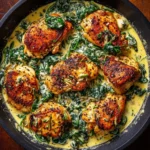
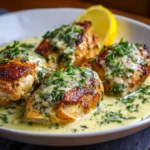
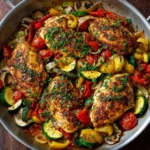
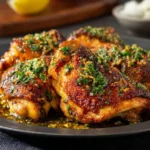
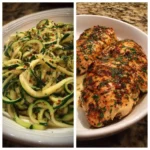
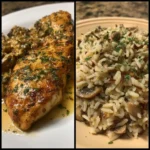
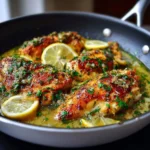
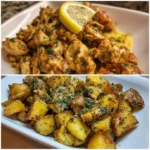
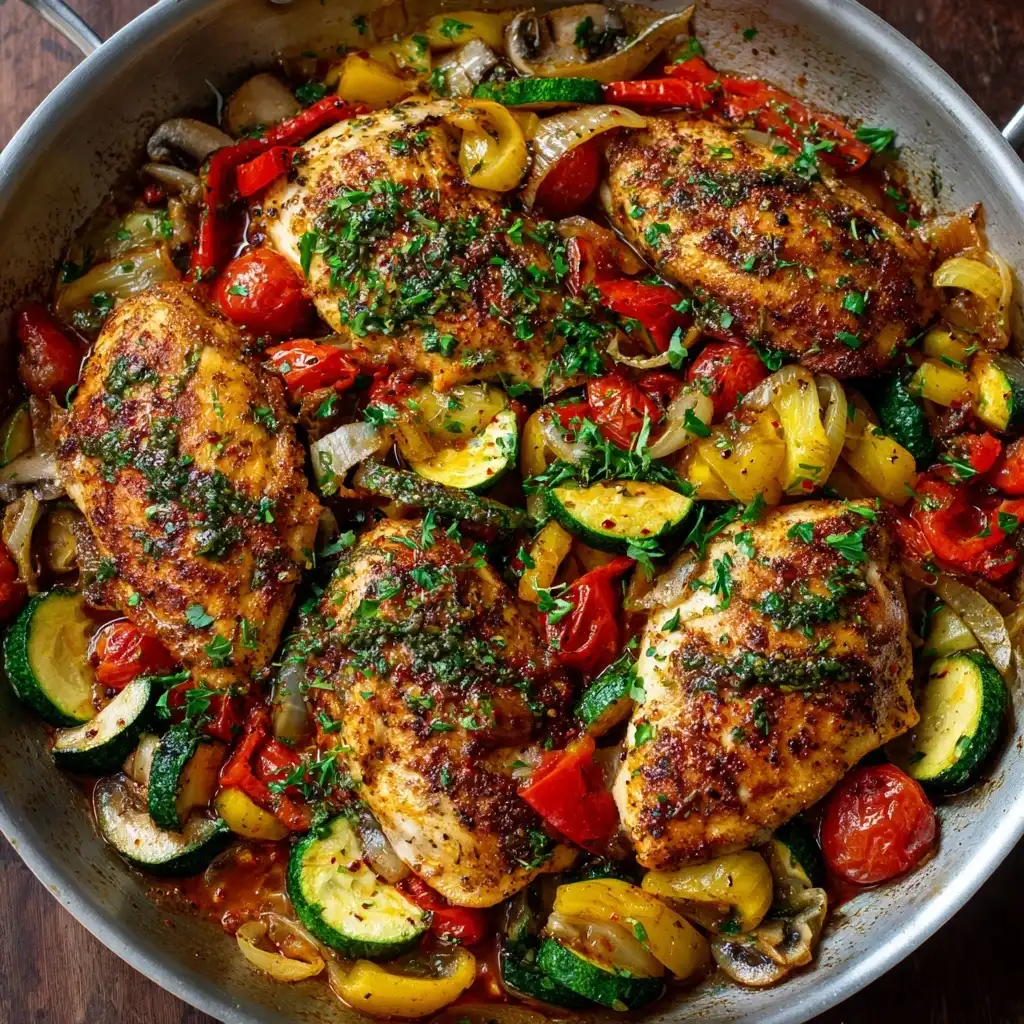
Garlic Butter Chicken with Mediterranean Veggies is a vibrant, restaurant-worthy dish that marries tender, golden-brown chicken breasts with a rich, aromatic garlic-infused butter sauce and a colorful medley of sun-drenched Mediterranean vegetables. This recipe celebrates the simplicity and bold flavors of coastal Southern Europe—think zesty lemon, fragrant oregano, briny olives, and sweet roasted peppers—while delivering comfort, nutrition, and elegance in one pan. Whether you’re preparing a weeknight dinner for your family or hosting guests for a relaxed Sunday supper, this dish offers impressive results without excessive effort. Its harmonious balance of savory, tangy, herbal, and slightly sweet notes makes it endlessly satisfying—and irresistibly shareable.
The History
While “Garlic Butter Chicken” as a concept has roots in classic French chicken à la provençale and Italian pollo al burro e aglio, the Mediterranean-inspired variation reflects centuries of culinary cross-pollination across the shores of the Mediterranean Sea. Ancient Greeks seasoned poultry with wild oregano and lemon; Romans introduced garum (a fermented fish sauce) and later butter-based preparations; and Ottoman influences brought preserved lemons, capers, and slow-roasted vegetables to the region. In modern times, American and Australian home cooks began adapting these traditions in the 1980s and ’90s—swapping heavy cream sauces for lighter, herb-forward finishes and embracing whole-food, vegetable-centric plating. The rise of farm-to-table movements and wellness-focused cooking further cemented the popularity of dishes like this one: protein-forward yet plant-abundant, rich without being heavy, and deeply flavorful without relying on excess sodium or processed ingredients. Today, Garlic Butter Chicken with Mediterranean Veggies stands as a global fusion favorite—a testament to how regional authenticity and contemporary health consciousness can coexist beautifully on the same plate.
Ingredients Breakdown
Every ingredient in this recipe plays a deliberate role—not just for taste, but for texture, aroma, color, and nutritional synergy:
- Chicken breasts (boneless, skinless): Lean, high-protein foundation—opt for air-chilled or organic if available for superior tenderness and flavor absorption.
- Unsalted butter: Provides luxurious mouthfeel and carries fat-soluble aromatics (garlic, herbs); unsalted allows precise sodium control.
- Fresh garlic (minced or microplaned): The soul of the dish—raw garlic adds sharpness, while sautéed garlic delivers deep, nutty sweetness.
- Lemon zest and juice: Brightens richness, balances fat, enhances other flavors, and contributes vitamin C and bioflavonoids.
- Red onion (thinly sliced): Adds mild sweetness and crisp-tender bite; contains quercetin, a potent anti-inflammatory flavonoid.
- Cherry tomatoes (halved): Burst with juicy acidity and lycopene—a powerful antioxidant enhanced by gentle roasting.
- Zucchini and yellow squash (sliced into half-moons): Mild, versatile summer squash that caramelizes beautifully and contributes fiber and potassium.
- Red bell pepper (strips or chunks): Sweet, crunchy, and rich in vitamins A and C—adds visual appeal and natural sugar for gentle browning.
- Kalamata olives (pitted): Salty, fruity, and complex—brings umami depth and heart-healthy monounsaturated fats.
- Fresh oregano and parsley: Oregano lends earthy, slightly medicinal warmth (rich in thymol and carvacrol), while parsley adds freshness, chlorophyll, and vitamin K.
- Extra-virgin olive oil: Used for roasting and finishing—cold-pressed, high-phenolic EVOO contributes polyphenols linked to reduced oxidative stress.
- Crushed red pepper flakes (optional): Adds subtle heat and capsaicin, shown to support metabolism and circulation.
- Sea salt and freshly ground black pepper: Enhance natural flavors and aid nutrient absorption (e.g., pepper increases curcumin bioavailability—even if turmeric isn’t in this dish, the principle applies broadly).
Notably absent are heavy creams, flour-based roux, canned broths, or pre-made seasoning packets—keeping the dish clean, whole-food-based, and easily adaptable for dietary needs.
Step-by-Step Recipe
- Prep & Marinate (15 minutes): Pat chicken breasts dry with paper towels—this ensures proper searing. Lightly pound thicker pieces to ½-inch uniform thickness. In a small bowl, whisk together 3 tbsp melted butter, 4 minced garlic cloves, 1 tsp lemon zest, 1 tbsp lemon juice, 1 tsp dried oregano (or 1 tbsp fresh), ½ tsp sea salt, and ¼ tsp black pepper. Rub mixture evenly over both sides of chicken. Let rest at room temperature for 10–15 minutes (no longer, to avoid food safety concerns).
- Roast the Veggies (25 minutes): Preheat oven to 425°F (220°C). On a large parchment-lined sheet pan, toss zucchini, yellow squash, red bell pepper, red onion, and cherry tomatoes with 3 tbsp extra-virgin olive oil, ½ tsp salt, ¼ tsp black pepper, and ½ tsp dried oregano. Spread in a single layer. Roast for 15 minutes. Remove pan, stir gently, add pitted Kalamata olives, and return to oven for 10 more minutes—until vegetables are tender-crisp, edges lightly caramelized, and tomatoes are plump and glossy.
- Sear the Chicken (6–8 minutes): While veggies roast, heat a large stainless steel or cast-iron skillet over medium-high heat. Add 1 tbsp olive oil. Once shimmering, place marinated chicken in skillet without crowding. Sear undisturbed for 4–5 minutes until deeply golden and release easily from pan. Flip and cook 2–3 minutes more until internal temperature reaches 160°F (71°C) — carryover heat will bring it to the safe 165°F (74°C).
- Build the Garlic Butter Sauce (3 minutes): Transfer cooked chicken to a clean plate and tent loosely with foil. Reduce heat to medium-low. In the same skillet, add remaining 3 tbsp cold, cubed unsalted butter, 2 additional minced garlic cloves, and a pinch of red pepper flakes (if using). Swirl constantly for 1–2 minutes until butter melts, foams, and becomes fragrant—but do not let garlic brown or burn. Stir in remaining 1 tbsp lemon juice and 1 tbsp chopped fresh parsley.
- Finish & Combine (2 minutes): Return chicken to skillet, spooning sauce generously over each piece. Let sit 1 minute to absorb flavors. Meanwhile, remove roasted veggies from oven and stir in remaining 1 tbsp chopped fresh oregano and an extra drizzle of high-quality EVOO. Spoon vibrant veggie medley onto plates or a large serving platter, top with garlic butter chicken, and finish with lemon zest, flaky sea salt, and extra parsley.
Tips
- Dry chicken thoroughly before seasoning—moisture is the enemy of a good sear. Use paper towels, not cloth, to avoid lint or bacteria transfer.
- Don’t skip the “rest before sear” step—even 10 minutes allows surface moisture to reabsorb and seasonings to penetrate, yielding juicier meat.
- Use cold butter for the sauce—adding chilled, cubed butter off-heat or at low heat creates a stable, emulsified, velvety sauce (like a quick beurre blanc) instead of separated oil.
- Control garlic timing—the garlic in the marinade mellow during cooking; the final garlic in the sauce stays bright and aromatic. For deeper flavor, add 1 smashed clove to the roasting pan with veggies.
- Roast veggies on the bottom rack—for more even heat distribution and better caramelization, especially if your oven runs hot on top.
- Save pan drippings—after searing chicken, deglaze the skillet with 2 tbsp dry white wine or low-sodium vegetable broth before adding butter for an extra layer of complexity.
- For crisper chicken skin (if using bone-in thighs), start skin-side down in a cold pan, then gradually increase heat—this renders fat slowly and crisps without burning.
- Double the sauce? Double the garlic butter—but add lemon juice last to preserve its brightness and prevent curdling.
- Make-ahead friendly: Marinate chicken up to 24 hours ahead (refrigerated); chop and store veggies separately for up to 2 days. Roast veggies while chicken rests—it all comes together in under 10 minutes.
- Plating tip: Serve on warm ceramic or stoneware—it retains heat and enhances the sensory experience. Garnish with edible flowers (nasturtiums or violas) for special occasions.
Variations and Customizations
This recipe is inherently flexible—designed to honor seasonal availability, pantry staples, and personal preferences:
- Protein Swaps: Try boneless chicken thighs (more forgiving and flavorful), grilled shrimp (add in last 2 minutes), pan-seared cod or halibut (reduce cook time to 3–4 min per side), or marinated tofu/tempeh for a plant-powered version.
- Veggie Rotations (by season): Spring: asparagus + artichoke hearts + fava beans; Summer: eggplant + heirloom tomatoes + basil ribbons; Fall: roasted delicata squash + caramelized fennel + pomegranate arils; Winter: roasted cauliflower + baby spinach (stirred in at end) + toasted pine nuts.
- Herb & Spice Twists: Swap oregano for rosemary (robust, piney) or thyme (earthy, floral); add ½ tsp ground cumin + 1 tsp smoked paprika for a Spanish-Moroccan riff; stir in 1 tsp harissa paste to the butter sauce for North African heat.
- Dietary Adaptations: Dairy-free? Use cultured vegan butter + nutritional yeast for umami depth. Keto-friendly? Increase healthy fats—add avocado slices, extra olives, or a dollop of herbed goat cheese. Gluten-free? Naturally compliant—just verify all spice blends and broths are certified GF.
- Grill Version: Skewer marinated chicken and veggies (zucchini, peppers, onions, tomatoes on separate skewers). Grill over medium charcoal for 8–10 minutes, basting with garlic butter during last 2 minutes.
- One-Pan Oven-Baked: Arrange marinated chicken on top of raw veggies on sheet pan. Drizzle everything with olive oil, lemon juice, and herbs. Bake at 425°F for 22–25 minutes until chicken hits 165°F and veggies are roasted. Broil 1–2 min for extra char.
- Pasta Integration: Toss finished dish with 8 oz cooked whole-grain or legume-based pasta, a splash of starchy pasta water, and extra lemon zest for a hearty bowl.
- Meal Prep Friendly: Cook components separately—chicken, roasted veggies, and sauce—and store chilled up to 4 days. Reheat chicken in skillet with a splash of broth; warm veggies gently; whisk sauce fresh or gently reheat.
- Breakfast Reinvention: Slice leftover chicken and serve over a shakshuka-style tomato-pepper base with a soft-poached egg and crumbled feta.
- Low-FODMAP Option: Replace garlic with garlic-infused oil (FODMAP-safe), omit onion, use chives (green part only), and choose low-FODMAP veggies: zucchini, bell peppers, carrots, spinach, and olives (in moderation).
Health Considerations and Nutritional Value
A single serving (one 6-oz chicken breast + 1.5 cups roasted veggie medley + sauce) provides approximately:
- Calories: ~480–520 kcal (moderate energy density with high satiety)
- Protein: 38–42 g (excellent complete protein supporting muscle synthesis and metabolic health)
- Fat: 28–32 g (predominantly heart-healthy monounsaturated and omega-3 fats from olive oil, olives, and butter; includes conjugated linoleic acid [CLA] from grass-fed butter)
- Carbohydrates: 22–26 g (mostly complex, fiber-rich carbs from vegetables—low glycemic impact)
- Fiber: 7–9 g (supports gut microbiota diversity, regularity, and blood sugar stability)
- Vitamins & Minerals: Exceptionally high in Vitamin C (150% DV), Vitamin A (120% DV), Vitamin K (95% DV), potassium (25% DV), and folate (30% DV)—all critical for immunity, vision, bone health, nerve function, and cellular repair.
Functional Benefits:
- Anti-inflammatory synergy: Garlic’s allicin, olive oil’s oleocanthal, tomatoes’ lycopene, and oregano’s rosmarinic acid work in concert to inhibit NF-kB and COX-2 pathways.
- Gut-brain axis support: Polyphenols from olives and herbs feed beneficial Bifidobacterium and Lactobacillus strains—linked to improved mood regulation and cognitive resilience.
- Cardiovascular protection: Potassium counters sodium, nitrates in vegetables support endothelial function, and omega-9s improve HDL/LDL ratios.
- Metabolic flexibility: Balanced macros and low added sugar promote stable insulin response—ideal for prediabetic or insulin-resistant individuals.
- Food safety note: Chicken must reach 165°F internally. Use a calibrated instant-read thermometer—not color or juices—as the gold standard.
Who May Want Modifications:
- Hypertensive individuals: Reduce added salt by 50%, rely on lemon, herbs, and olives for flavor; rinse olives before use to cut sodium by ~30%.
- Those managing cholesterol: Substitute half the butter with extra-virgin olive oil in the sauce; emphasize soluble-fiber veggies (zucchini, peppers) and limit saturated fat to ≤13 g/serving.
- GERD/acid reflux: Omit red pepper flakes and reduce lemon juice by half; add 1 tsp grated ginger to marinade for soothing effect.
- Kidney disease (CKD): Limit potassium-rich foods—swap tomatoes for green beans or cabbage, and reduce squash portion; consult renal dietitian before consuming olives or high-herb preparations.
- Allergies: Butter can be replaced with ghee (clarified butter, lactose-free) or vegan butter. Confirm olive variety is not cross-contaminated with tree nuts if severe allergy exists.
Ingredients
- 2 large boneless, skinless chicken breasts (about 1 lb / 450g), pounded to ½-inch thickness
- 6 tbsp unsalted butter, divided (3 tbsp melted + 3 tbsp cold, cubed)
- 6 cloves garlic, minced (4 for marinade, 2 for sauce)
- 1 large lemon (zest of 1, juice of 1½)
- 1 medium red onion, thinly sliced
- 1 cup cherry tomatoes, halved
- 1 medium zucchini, sliced into ½-inch half-moons
- 1 medium yellow squash, sliced into ½-inch half-moons
- 1 large red bell pepper, cut into 1-inch strips
- ⅔ cup pitted Kalamata olives
- 2 tbsp extra-virgin olive oil, plus more for finishing
- 1½ tsp dried oregano, divided (or 2 tbsp fresh, divided)
- ¼ cup fresh flat-leaf parsley, finely chopped (plus extra for garnish)
- ½ tsp crushed red pepper flakes (optional)
- 1 tsp fine sea salt, plus more to taste
- ½ tsp freshly ground black pepper
- Flaky sea salt and lemon zest, for finishing
Directions
- Preheat oven to 425°F (220°C). Line a large rimmed baking sheet with parchment paper.
- In a small bowl, whisk together 3 tbsp melted butter, 4 minced garlic cloves, zest of 1 lemon, juice of 1 lemon, 1 tsp dried oregano (or 1 tbsp fresh), ½ tsp salt, and ¼ tsp black pepper. Place chicken breasts in a shallow dish and rub marinade evenly over both sides. Let sit at room temperature for 10–15 minutes.
- On prepared baking sheet, combine red onion, cherry tomatoes, zucchini, yellow squash, and red bell pepper. Drizzle with 2 tbsp olive oil, remaining ½ tsp salt, ¼ tsp black pepper, and ½ tsp dried oregano (or 1 tbsp fresh). Toss well to coat. Spread in an even layer. Roast for 15 minutes.
- Remove sheet from oven, gently stir vegetables, and scatter Kalamata olives evenly over top. Return to oven and roast 10 more minutes, until vegetables are tender-crisp and lightly caramelized.
- While vegetables roast, heat 1 tbsp olive oil in a large heavy-bottomed skillet (stainless steel or cast iron) over medium-high heat. When oil shimmers, add marinated chicken—do not crowd pan; cook in batches if needed. Sear undisturbed for 4–5 minutes until deeply golden. Flip and cook 2–3 minutes more, until internal temperature reaches 160°F (71°C). Transfer to a clean plate and tent loosely with foil.
- Reduce heat to medium-low. In same skillet, add remaining 3 tbsp cold, cubed butter, 2 minced garlic cloves, and red pepper flakes (if using). Swirl constantly for 1–2 minutes until butter melts, foams, and garlic becomes fragrant—but does not brown.
- Stir in remaining ½ lemon’s juice (about 1 tbsp) and 1 tbsp chopped parsley. Immediately return chicken to skillet, spooning sauce over each piece. Let rest 1 minute.
- Remove roasted vegetables from oven. Stir in remaining 1 tbsp chopped parsley and 1 tbsp fresh oregano (if using). Taste and adjust seasoning—add a pinch more salt or lemon juice if desired.
- Divide vegetables among plates or arrange on a large serving platter. Top with garlic butter chicken. Spoon extra sauce from skillet over all. Finish with flaky sea salt, extra lemon zest, and a final flourish of fresh parsley.
- Serve immediately—best enjoyed warm, with crusty whole-grain bread for soaking up sauce or a simple arugula-lemon vinaigrette side salad.
FAQ
- Can I make this ahead of time?
- Yes! Marinate chicken up to 24 hours in advance (refrigerated). Chop and store raw veggies separately for up to 2 days. Roast vegetables and cook chicken within 2 hours of serving for optimal texture and flavor. Sauce is best made fresh but can be held warm (off direct heat, stirred occasionally) for up to 30 minutes.
- Why does the recipe use both dried AND fresh oregano?
- Dried oregano offers concentrated, earthy backbone during roasting and marinating, while fresh oregano added at the end delivers bright, floral top notes and volatile oils that would otherwise evaporate with heat. This layered herb strategy maximizes depth and dimension.
- My garlic butter sauce broke/separated—what went wrong?
- Most likely cause: overheating the butter after adding garlic, or stirring too vigorously while melting. To fix: remove from heat, whisk in 1 tsp cold water or lemon juice, then slowly drizzle in 1 tsp more cold butter while whisking continuously. Next time, keep heat at medium-low and swirl—not stir—until emulsified.
- Can I use frozen vegetables?
- Fresh is strongly recommended—the moisture content and cell structure of frozen veggies (especially zucchini, peppers, tomatoes) lead to sogginess and poor caramelization. However, frozen artichoke hearts or spinach (thawed and squeezed dry) can be added in the last 5 minutes of roasting.
- Is there a dairy-free version that still tastes rich?
- Absolutely. Substitute high-fat, cultured vegan butter (like Miyoko’s or Melt Organic) for the butter. Add 1 tsp nutritional yeast to the marinade for umami, and finish with a drizzle of lemon-thyme infused olive oil. The sauce will be slightly less emulsified but equally flavorful and satisfying.
- How do I prevent chicken from drying out?
- Three keys: (1) Pound to even thickness, (2) Don’t overcook—pull at 160°F (71°C), (3) Let rest 5 minutes before slicing. Also, the butter marinade adds fat and moisture that protects during searing. Brining (30 min in 4 cups water + 2 tbsp salt) is optional but highly effective for extra juiciness.
- What wine pairs well with this dish?
- A crisp, mineral-driven white such as Assyrtiko (Santorini), Vermentino (Sardinia), or unoaked Chardonnay complements the lemon and herbs beautifully. For red lovers, try a light-bodied, low-tannin option like Grenache or young Barbera—serve slightly chilled.
- Can I cook this entirely on the stovetop?
- Yes—with adjustments. Sear chicken first, remove, then sauté onions and peppers in same pan for 4–5 minutes. Add zucchini, squash, and tomatoes; cover and cook 6–8 minutes until tender. Stir in olives and herbs, then nestle chicken back in, spooning sauce over top. Simmer covered on low 3–4 minutes to finish cooking and meld flavors.
- Are Kalamata olives essential—or can I substitute?
- They’re highly recommended for authentic flavor and texture, but you may substitute Niçoise olives (more delicate) or Cerignola (milder, buttery). Avoid canned black olives—they lack complexity and contain additives. If omitting olives entirely, boost umami with 1 tsp capers (rinsed) or ½ tsp white miso paste whisked into the sauce.
- How long does leftovers keep—and how do I reheat?
- Store components separately in airtight containers: chicken (3–4 days), roasted veggies (4–5 days), sauce (2 days refrigerated). Reheat chicken and veggies in skillet with splash of broth or water over medium-low heat; whisk sauce fresh or gently warm in double boiler. Do not microwave sauce—it will separate.
Summary
Garlic Butter Chicken with Mediterranean Veggies is a masterclass in balanced, vibrant, and nourishing cooking—where golden-seared chicken meets a sun-kissed orchestra of roasted vegetables, all bound by a luxuriously aromatic garlic-butter-lemon sauce infused with the soul of the Mediterranean.
Effortless to prepare yet elegant enough for any occasion, it delivers exceptional flavor, remarkable nutritional density, and endless adaptability—making it not just a recipe, but a cornerstone of a joyful, health-forward kitchen.