Introduction
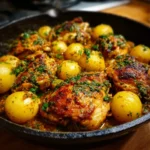
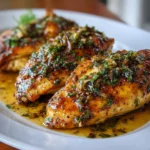
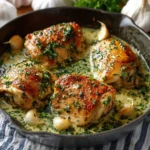
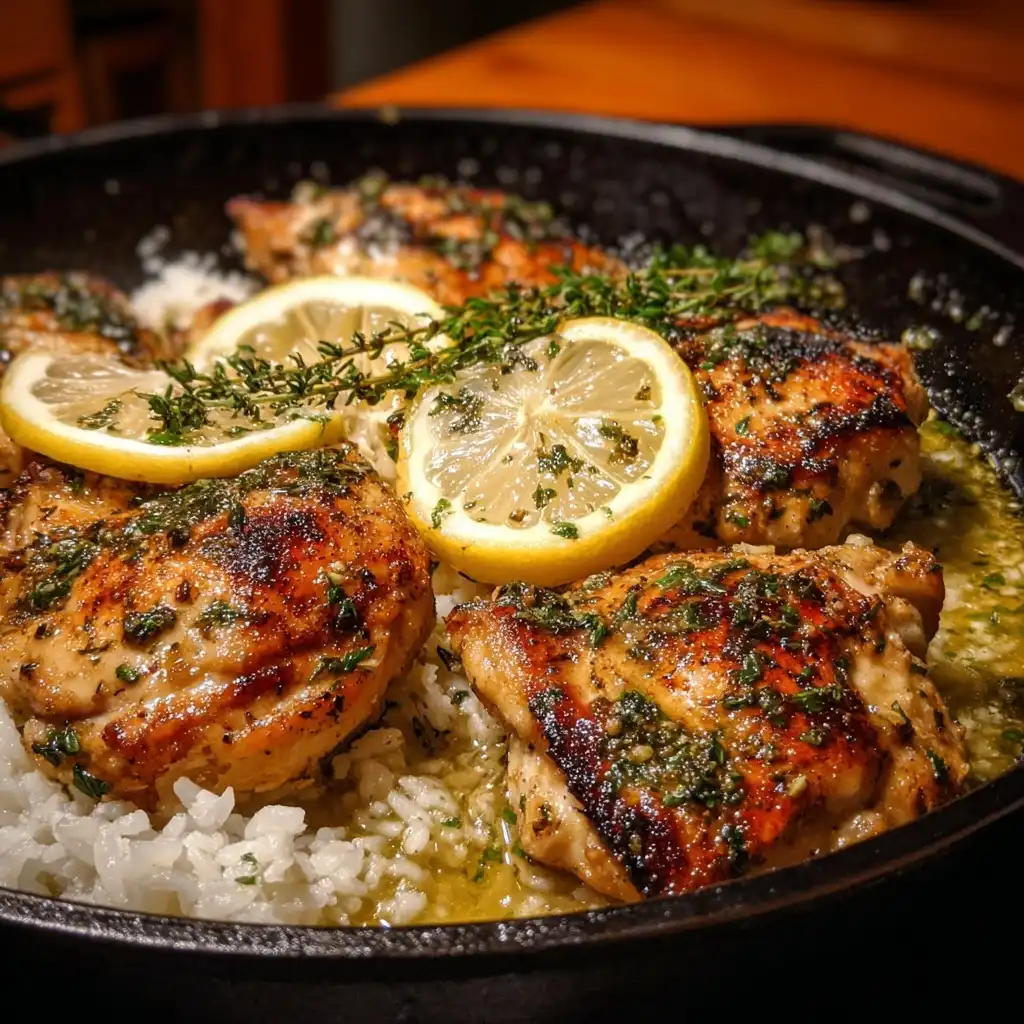
Garlic Butter Chicken with Lemon Thyme is a restaurant-worthy dish that effortlessly bridges elegance and comfort—bright, aromatic, and deeply savory all at once. With its golden-seared chicken breasts nestled in a luscious, herb-infused pan sauce, this recipe delivers bold flavor without complexity, making it ideal for weeknight dinners as well as special occasions. The triumvirate of garlic, lemon, and fresh thyme creates a vibrant, balanced profile: the pungent warmth of roasted garlic, the zesty acidity of citrus, and the earthy-sweet fragrance of thyme harmonize perfectly with tender, juicy chicken. Whether served over creamy mashed potatoes, buttered egg noodles, or alongside a crisp seasonal salad, this dish consistently impresses with minimal effort and maximum impact.
The History
While no single documented origin defines Garlic Butter Chicken with Lemon Thyme, its roots lie in the rich culinary traditions of French and Mediterranean cooking—particularly the French technique of à la meunière, where proteins are pan-seared in butter and finished with lemon juice and herbs. The addition of copious garlic nods to Provençal influences, where garlic confit and aioli have long been pantry staples. Thyme, a cornerstone herb in French bouquet garni, adds rustic sophistication, while lemon reflects the sun-drenched flavors of Southern Italy and Greece, where citrus brightens rich preparations. In mid-20th-century America, as home cooks embraced European techniques through Julia Child’s pioneering work and the rise of gourmet cookbooks, simplified versions of these elegant pan sauces entered mainstream kitchens. By the 2010s, food blogs and social media accelerated the dish’s popularity—often styled as “lemon garlic butter chicken”—with chefs and home cooks alike elevating it with fresh thyme, browned butter nuances, and careful temperature control. Today, it stands as a modern classic: a globally inspired, time-tested formula that celebrates simplicity, quality ingredients, and the alchemy of fat, acid, and aroma.
Ingredients Breakdown
Every element in this recipe serves a distinct sensory and functional purpose—no ingredient is merely decorative. Below is a detailed analysis of each component’s role:
- Chicken Breasts (boneless, skinless): Preferred for their lean texture and ability to absorb flavor quickly; using slightly thicker cuts (6–8 oz, 1” thick) prevents drying out. Pounding to even thickness ensures uniform cooking and tenderness.
- Unsalted Butter: Provides richness, mouthfeel, and browning depth. Unsalted allows precise sodium control. High-fat European-style butter (82–86% fat) yields superior flavor and stability when browned.
- Garlic (fresh, minced or thinly sliced): Raw garlic burns easily—adding it after initial searing and reducing heat prevents bitterness. Its sulfur compounds transform under gentle heat into sweet, nutty, umami-rich notes.
- Fresh Lemon Juice: Added at the end to preserve volatile citrus oils and bright acidity. Bottled juice lacks nuanced terpenes and introduces off-flavors due to preservatives and oxidation.
- Fresh Lemon Zest: Contains aromatic lemon oil (limonene) concentrated in the yellow peel—adds intense, fragrant top notes without extra liquid or acidity.
- Fresh Thyme Leaves (preferably sprigs with stems): Thyme contains thymol and carvacrol, antimicrobial phenols that lend warm, medicinal-herbal depth. Stems infuse more flavor during simmering and are removed before serving. Dried thyme may be substituted but requires doubling and earlier addition (as its volatile oils are diminished).
- Dry White Wine (e.g., Sauvignon Blanc or Pinot Grigio): Adds acidity, fruitiness, and complexity; alcohol evaporates while esters and acids remain, deglazing fond and enriching the sauce. Substitute with low-sodium chicken broth + ½ tsp white wine vinegar if avoiding alcohol.
- Chicken Stock (low-sodium, preferably homemade or high-quality store-bought): Forms the savory backbone of the sauce. Gelatin-rich stock (from bone-in simmering) yields silkier texture and better emulsification with butter.
- Heavy Cream (optional but recommended): Adds luxurious body and mellows sharpness. Full-fat (36–40%) ensures stability—lower-fat creams may separate or curdle. For dairy-free, use cashew cream or coconut milk (light canned, not full-fat).
- Olive Oil (extra-virgin for finishing, light for searing): Light olive oil or avocado oil has a higher smoke point than EVOO—ideal for initial sear. A drizzle of premium EVOO at the end enhances aroma and adds polyphenol-rich freshness.
- Flour (all-purpose or gluten-free blend): Used sparingly for velvety thickening—coats chicken to aid browning and stabilizes the sauce. Too much causes pastiness; too little yields thin consistency.
- Kosher Salt & Freshly Cracked Black Pepper: Kosher salt adheres evenly and seasons deeply; coarse black pepper releases piperine only when cracked, offering floral heat that complements thyme’s earthiness.
Step-by-Step Recipe
- Prep the Chicken: Place chicken breasts between two sheets of parchment or plastic wrap. Gently pound with a meat mallet or heavy skillet to an even ¾” thickness. Pat *extremely* dry with paper towels—moisture is the enemy of browning. Season both sides generously with kosher salt and black pepper.
- Make the Herb-Butter Compound (Optional but Recommended): In a small bowl, combine 2 tbsp softened unsalted butter, 1 tsp finely grated lemon zest, 1 tbsp chopped fresh thyme leaves, and a pinch of black pepper. Set aside—this will be swirled in at the end for maximum aroma.
- Sear the Chicken: Heat 1 tbsp light olive oil and 1 tbsp unsalted butter in a large stainless steel or cast-iron skillet over medium-high heat until shimmering (not smoking). Add chicken without crowding—cook in batches if needed. Sear undisturbed for 5–6 minutes until deep golden brown and easily releases from pan. Flip and cook 4–5 minutes more until internal temperature reaches 155°F (68°C) at thickest part. Transfer to a plate, tent loosely with foil, and rest 5 minutes (carryover cooking brings it to safe 165°F/74°C).
- Build the Fond & Aromatics: Reduce heat to medium-low. Pour off excess fat, leaving ~1 tbsp. Add 3–4 smashed garlic cloves and 2–3 thyme sprigs. Sauté gently for 1 minute until fragrant but not browned—garlic should stay pale gold.
- Deglaze with Precision: Pour in ¼ cup dry white wine, scraping vigorously with a wooden spoon to lift all caramelized bits (fond) from the pan bottom. Simmer 1–2 minutes until reduced by half and alcoholic bite fades.
- Enrich the Sauce Base: Stir in ½ cup low-sodium chicken stock and simmer 3–4 minutes until slightly reduced (~⅓ cup remains). Optional: whisk in 1 tsp all-purpose flour slurry (1 tsp flour + 1 tsp cold water) for subtle thickening—simmer 1 more minute.
- Emulsify with Butter: Remove pan from heat. Whisk in remaining 3 tbsp cold unsalted butter, one tablespoon at a time, allowing each to melt fully before adding the next. This creates a glossy, stable emulsion—not broken or greasy. If sauce looks split, whisk in 1 tsp warm stock or lemon juice to re-emulsify.
- Finish with Brightness & Herbs: Return chicken (and any accumulated juices) to pan. Spoon sauce over. Squeeze in 2 tbsp fresh lemon juice, then stir in reserved herb-butter compound. Gently swirl until melted and incorporated. Taste and adjust: more lemon for brightness, salt for balance, or a pinch of red pepper flakes for subtle heat.
- Final Rest & Garnish: Let chicken sit in warm sauce for 2 minutes off heat. Garnish with additional lemon zest, micro-thyme leaves, flaky sea salt, and a drizzle of extra-virgin olive oil just before serving.
Tips
- Dry Chicken is Non-Negotiable: Even 30 seconds of patting makes the difference between steamed gray chicken and a mahogany crust. Use triple-layered paper towels and press firmly.
- Control Your Heat Like a Sommelier Tastes Wine: Medium-high for searing, medium-low for garlic, low for emulsifying butter—jumping between extremes causes burning or breaking. A thermometer helps: surface temp >375°F for sear; <250°F for garlic infusion.
- Rest Chicken Before & After Sauce: Resting first lets juices redistribute; returning it to warm (not boiling) sauce lets it gently reabsorb flavor without overcooking.
- Use Cold Butter, Off-Heat Emulsification: Adding cold butter gradually off heat prevents separation. If sauce cools too much, warm gently—but never boil post-butter.
- Thyme Stem Strategy: Tie thyme sprigs with kitchen twine for easy removal—or bruise stems lightly with back of knife before adding to release oils without shedding leaves.
- Lemon Timing Matters: Juice goes in *after* butter for vibrancy; zest goes in *with* butter for oil infusion. Never add zest early—it’ll turn bitter.
- Acid Balance Test: Sauce should taste bright *before* adding lemon juice—if it’s already sharp, reduce wine longer or add ½ tsp honey to round edges.
- Sauce Consistency Check: It should coat the back of a spoon and hold a clear line when you run your finger through it. Too thin? Simmer 30 seconds more. Too thick? Whisk in warm stock, 1 tsp at a time.
- Make-Ahead Friendly: Cook chicken up to 2 days ahead; store separately from sauce. Reheat chicken gently, then prepare fresh sauce—butter emulsions don’t reheat well.
- Pan Choice Impacts Results: Stainless steel gives best fond; cast iron retains heat evenly; nonstick won’t brown as deeply. Avoid aluminum—it reacts with lemon acid.
Variations and Customizations
This versatile framework invites creativity while preserving core balance. Here are chef-tested adaptations:
- Creamy Dijon Version: Whisk in 1 tbsp whole-grain or smooth Dijon mustard with the stock. Adds tangy depth and natural emulsifiers—great with roasted potatoes.
- Mediterranean Twist: Add ¼ cup halved kalamata olives, 2 tbsp capers (rinsed), and 1 tsp lemon-thyme infused olive oil at finish. Omit cream for authenticity.
- Spiced Harissa Infusion: Stir 1 tsp harissa paste into warm sauce after deglazing. Balances heat with lemon’s acidity—serve with couscous and grilled zucchini.
- Herb Garden Medley: Replace half the thyme with equal parts fresh oregano, marjoram, and chives. Adds floral, peppery, and oniony layers—ideal for spring menus.
- Umami Bomb Upgrade: Add 1 tsp fish sauce (yes—trust us) or ½ tsp mushroom powder with the stock. Deepens savoriness without detectable flavor—vegetarians can use soy sauce instead.
- Low-Carb/Keto Adaptation: Skip flour; thicken with ½ tsp xanthan gum whisked into cold stock before adding. Use ghee instead of butter for dairy sensitivity.
- Sheet Pan Roast Method: Toss chicken, garlic cloves, lemon slices, thyme, olive oil, salt, and pepper on a rimmed sheet pan. Roast at 425°F for 20–22 minutes. Deglaze roasting pan with wine/stock, then finish with butter and lemon as stovetop version.
- Grilled Version: Marinate chicken 30 minutes in 2 tbsp olive oil, 2 minced garlic cloves, 1 tbsp lemon juice, 1 tsp zest, 1 tbsp thyme, salt, and pepper. Grill over medium heat. Make sauce separately in skillet and pour over.
- Chicken Thighs Alternative: Use bone-in, skin-on thighs for richer flavor and forgiving cook time (35–40 min at 375°F). Render skin first, then braise in sauce for fall-off-the-bone tenderness.
- Vegan “Butter” Chicken: Use plant-based butter (Miyoko’s or Forager), vegetable stock, nutritional yeast (1 tbsp), and lemon-thyme infused olive oil. Add ½ cup silken tofu blended with sauce for creaminess.
Health Considerations and Nutritional Value
A 6-oz serving of Garlic Butter Chicken with Lemon Thyme (made with skinless breast, 4 tbsp butter, ½ cup stock, 2 tbsp lemon juice, herbs, and no cream) provides approximately:
- Calories: 420–460 kcal
- Protein: 48g (complete, high-biological-value protein supporting muscle synthesis and satiety)
- Fat: 24g (65% monounsaturated—heart-healthy oleic acid from olive oil and butter; 20% saturated—moderate intake supports hormone production)
- Carbohydrates: 2g (negligible net carbs—ideal for low-carb, keto, or diabetic-friendly plans)
- Vitamin C: 22mg (25% DV)—from lemon juice/zest, enhancing non-heme iron absorption
- Vitamin B6: 0.8mg (40% DV)—critical for neurotransmitter synthesis and immune function
- Selenium: 42mcg (75% DV)—a potent antioxidant abundant in poultry
- Thymol & Carvacrol: Bioactive phenols in thyme with demonstrated anti-inflammatory, antimicrobial, and bronchodilatory properties in clinical studies
- Allicin Precursors: Garlic’s alliin converts to allicin upon crushing/chopping—linked to cardiovascular support and reduced LDL oxidation
Considerations: While rich, this dish fits balanced diets when portion-controlled. To lower saturated fat: substitute half the butter with extra-virgin olive oil, use light cream or omit entirely, and choose low-sodium stock. Those with GERD or acid reflux may reduce lemon juice by half and increase zest for aroma without irritation. Gluten-free by nature—just verify stock and wine labels. For histamine sensitivity, avoid aged wines and use freshly pressed lemon juice (not bottled). Pair with fiber-rich sides (roasted Brussels sprouts, quinoa, or lentil salad) to slow glucose response and enhance microbiome diversity.
Ingredients
- 2 large boneless, skinless chicken breasts (about 1 lb / 450g), pounded to ¾-inch thickness
- 1 tsp kosher salt (plus more to taste)
- ½ tsp freshly ground black pepper (plus more to taste)
- 2 tbsp light olive oil or avocado oil
- 5 tbsp unsalted butter, divided (4 tbsp cold, 1 tbsp softened)
- 4–5 garlic cloves, smashed and peeled
- 4–5 fresh thyme sprigs (plus 1 tbsp finely chopped leaves for finishing)
- ¼ cup dry white wine (Sauvignon Blanc, Pinot Grigio, or unoaked Chardonnay)
- ½ cup low-sodium chicken stock (preferably homemade or high-quality)
- 2 tbsp fresh lemon juice (about 1 medium lemon)
- 1 tsp finely grated lemon zest
- 1 tbsp all-purpose flour (optional, for thickening)
- Flaky sea salt and extra-virgin olive oil for finishing
- Lemon wedges and fresh thyme sprigs for garnish
Directions
- Place chicken breasts between two sheets of parchment paper. Using a meat mallet or heavy skillet, gently pound to an even ¾-inch thickness. Pat *very* dry with paper towels. Season both sides generously with 1 tsp kosher salt and ½ tsp black pepper.
- Heat olive oil and 1 tbsp butter in a large skillet (stainless steel or cast iron) over medium-high heat until shimmering. Add chicken without crowding and sear undisturbed for 5–6 minutes until deeply golden. Flip and cook 4–5 minutes more until internal temperature reaches 155°F. Transfer to a plate, tent with foil, and rest 5 minutes.
- Reduce heat to medium-low. Pour off excess fat, leaving about 1 tbsp. Add smashed garlic and thyme sprigs; sauté gently for 1 minute until fragrant.
- Pour in white wine, scraping vigorously to lift browned bits. Simmer 1–2 minutes until reduced by half.
- Add chicken stock and simmer 3–4 minutes until reduced to about ⅓ cup. For thicker sauce, whisk in flour slurry (1 tsp flour + 1 tsp cold water) and simmer 1 minute more.
- Remove pan from heat. Whisk in remaining 4 tbsp cold butter, one tablespoon at a time, until fully melted and sauce is glossy and emulsified.
- Return chicken and any juices to pan. Spoon sauce over. Stir in lemon juice, lemon zest, and chopped thyme. Gently swirl to combine.
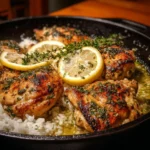
- Let rest off heat for 2 minutes. Garnish with flaky sea salt, a drizzle of extra-virgin olive oil, lemon wedges, and fresh thyme.
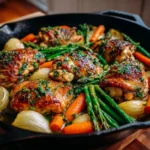
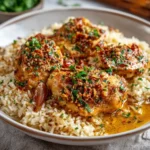
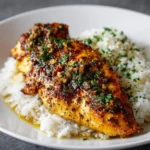
- Serve immediately with your choice of sides—buttered egg noodles, garlic mashed potatoes, roasted asparagus, or a mixed green salad with lemon vinaigrette.
FAQ
- Can I use frozen chicken?
- Yes—but thaw completely in the refrigerator overnight and pat *extremely* dry. Frozen-to-cook increases steam, inhibiting browning. Never cook partially frozen chicken in this recipe.
- Why does my sauce break or look greasy?
- Most often due to overheating after adding butter, adding butter too quickly, or using warm (not cold) butter. Always remove from heat, add cold butter gradually, and whisk constantly. If broken, whisk in 1 tsp warm stock or lemon juice to re-emulsify.
- Can I make this dairy-free?
- Absolutely. Substitute high-quality vegan butter (like Miyoko’s or Earth Balance) and use full-fat coconut milk (light canned) instead of cream. Ensure wine and stock are dairy-free certified.
- How do I store leftovers?
- Store chicken and sauce separately in airtight containers in the refrigerator for up to 3 days. Reheat chicken gently in skillet over low heat; prepare fresh sauce or gently rewarm existing sauce *without boiling*, whisking in a splash of stock if needed.
- Can I double the recipe?
- Yes—but use two skillets or cook in batches. Crowding the pan drops temperature, causing steaming instead of searing. Double all ingredients except cooking time (sear time remains identical per batch).
- What wine should I use—and do I have to use wine?
- Choose a crisp, dry, unoaked white like Sauvignon Blanc or Pinot Grigio. Avoid “cooking wine”—it’s high in salt and preservatives. For alcohol-free, substitute with ¼ cup low-sodium chicken stock + 1 tsp white wine vinegar + ½ tsp sugar to mimic balance.
- Is pounding the chicken necessary?
- Highly recommended. Uneven thickness leads to overcooked edges and undercooked centers. Pounding ensures even doneness, faster cook time, and greater surface area for browning and sauce adhesion.
- Can I use dried thyme?
- Yes—but use 1 tsp dried thyme instead of sprigs, and add it with the garlic (dried herbs need longer infusion). Finish with a pinch of fresh thyme for aroma, as dried lacks volatile oils.
- Why rest the chicken before adding to sauce?
- Resting allows muscle fibers to relax and reabsorb juices—so when returned to warm sauce, it stays moist and doesn’t leach liquid into the pan, diluting flavor.
- What sides pair best?
- Classic pairings include buttered wide egg noodles, creamy dill mashed potatoes, lemon-herb orzo, or farro pilaf. For low-carb: zucchini noodles, cauliflower mash, or a kale-apple-walnut salad. A chilled Sauvignon Blanc or sparkling water with lemon completes the meal.
Summary
Garlic Butter Chicken with Lemon Thyme is a masterclass in balancing rich, aromatic, and bright flavors—featuring perfectly seared chicken enveloped in a velvety, herb-kissed pan sauce enriched with browned butter and lifted by fresh citrus.
Rooted in French technique yet endlessly adaptable, it delivers gourmet satisfaction with approachable steps, smart substitutions, and nutritionally thoughtful choices—making it a timeless, weeknight-to-weekend staple for cooks of all levels.