Introduction
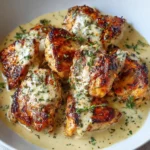
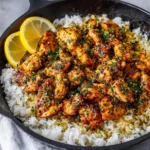
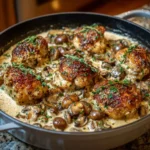
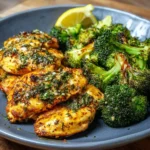
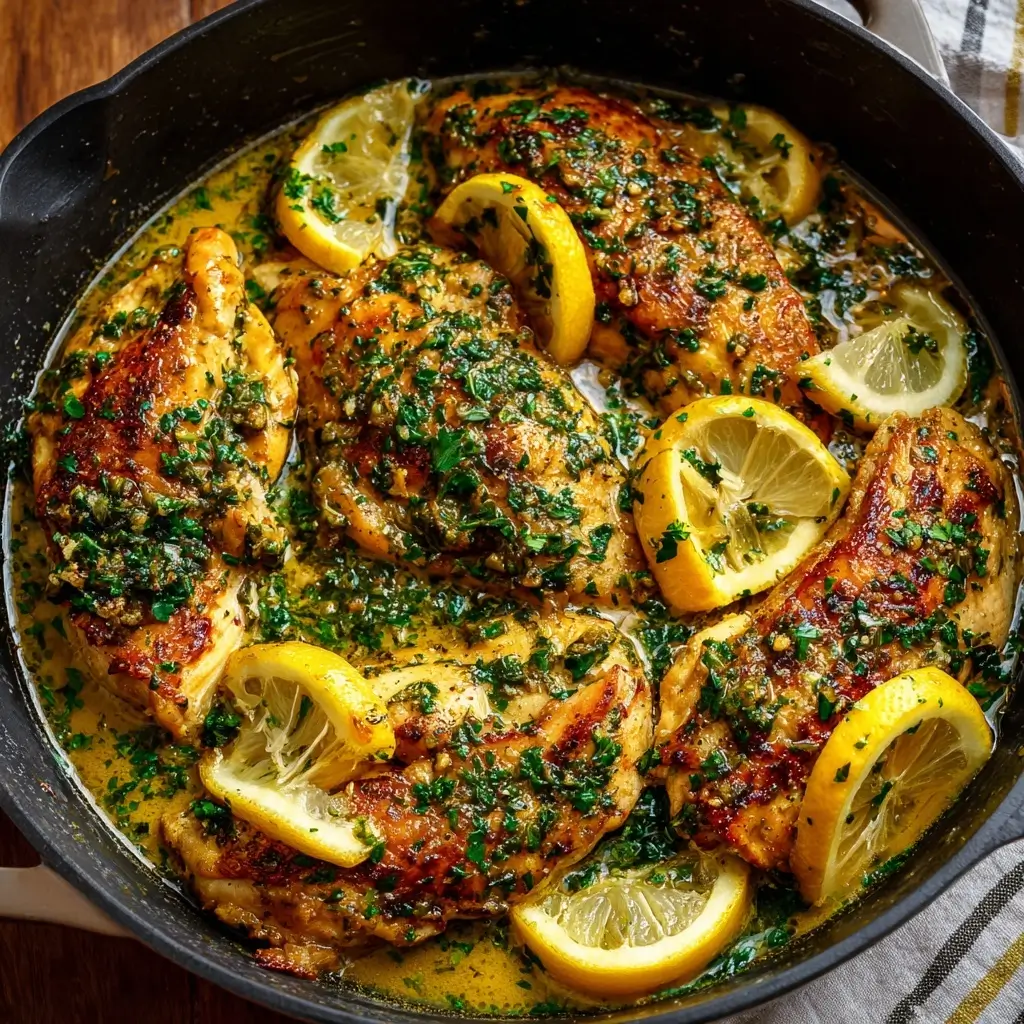
Garlic Butter Chicken with Lemon Herbs is a restaurant-worthy dish that brings bold, aromatic flavors to your home kitchen with surprising ease. This elegant yet approachable main course marries the rich umami depth of slow-simmered garlic butter with the bright, zesty lift of fresh lemon and the earthy fragrance of hand-chopped herbs—creating a symphony of taste and texture in every bite. Whether you’re preparing a weeknight dinner for your family, impressing guests at a casual gathering, or meal-prepping for nutrient-dense lunches, this recipe delivers consistent excellence: tender, juicy chicken breasts or thighs enveloped in a glossy, velvety pan sauce that clings luxuriously to every surface. Its versatility, minimal ingredient list, and forgiving technique make it a cornerstone recipe for cooks of all experience levels—and once you master it, you’ll find yourself returning to it again and again, not out of habit, but because it never fails to satisfy.
The History
While no single documented origin claims exclusive rights to Garlic Butter Chicken with Lemon Herbs, its roots trace back through centuries of culinary cross-pollination across the Mediterranean, Southern France, and the Levant. Garlic has been revered since ancient Egypt—not only as a medicinal staple but also as a foundational flavor enhancer in sautés and braises. Butter-based sauces gained prominence in 17th-century French haute cuisine, notably with the refinement of *beurre blanc* and *beurre noir*, where emulsified dairy transformed simple seared proteins into refined experiences. The addition of lemon—a citrus cultivated in the Middle East over 4,000 years ago and later embraced across Southern Europe—introduced acidity essential for cutting richness and amplifying aroma. Fresh herb usage, particularly parsley, thyme, and oregano, reflects rustic Provençal and Greek traditions where garden-fresh greens were folded into finishing sauces (*persillade*, *gremolata*) just before serving to preserve volatile oils and vibrancy. What we now call “Garlic Butter Chicken with Lemon Herbs” emerged organically in mid-20th-century American home cooking—popularized by food magazines like *Bon Appétit* and televised chefs such as Julia Child—as a simplified, accessible adaptation of European bistro classics. Its rise accelerated in the 2010s with the viral spread of food blogs and YouTube tutorials, cementing its status as a modern pantry staple: timeless in essence, adaptable in execution, and deeply resonant across generations and cultures.
Ingredients Breakdown
Every exceptional dish begins with intentionality—not just in technique, but in understanding how each component functions within the whole. Below is a meticulous breakdown of the core ingredients, including their roles, optimal forms, and science-backed substitutions:
- Chicken Breast or Thighs (1.5 lbs / 680g): Boneless, skinless breasts offer lean tenderness; thighs provide superior moisture and flavor due to higher fat content and collagen. For best results, pound breasts to an even ½-inch thickness to ensure uniform cooking and prevent dryness. Pat thoroughly dry before seasoning—moisture is the enemy of proper searing and Maillard browning.
- Unsalted Butter (6 tbsp / 85g): High-fat (82–86%), European-style cultured butter yields richer flavor and better emulsion stability. Salted butter can be used—but reduce added salt by ¼ tsp per tablespoon to avoid oversalting. Clarified butter may be substituted for high-heat searing, though you’ll lose the nuanced dairy sweetness crucial to the finished sauce.
- Fresh Garlic (6–8 cloves, finely minced or pressed): Raw garlic contains allicin, which transforms during gentle cooking into mellower, nuttier compounds. Avoid pre-minced jarred garlic—it oxidizes rapidly and develops metallic off-notes. For deeper complexity, reserve 1 clove raw and stir in at the very end for aromatic brightness.
- Fresh Lemon (Zest of 1 + Juice of 1½–2 medium lemons): Lemon zest contains aromatic citrus oils (limonene, citral) concentrated in the flavedo—the colorful outer peel—while juice contributes tart malic and citric acids. Always zest before juicing. Use Meyer lemons for floral sweetness, or Eureka for sharper acidity. Bottled juice lacks enzymatic freshness and introduces preservatives that dull sauce clarity.
- Fresh Herbs (¼ cup packed flat-leaf parsley + 1 tbsp fresh thyme leaves + optional 1 tsp chopped chives or dill): Parsley adds grassy, clean bitterness; thyme contributes camphorous earthiness and heat stability; chives/dill lend delicate onion or anise notes. Dried herbs lack volatile oils and should only be used in emergencies (use ⅓ the volume of dried vs. fresh). Never add dried herbs early—they turn bitter; reserve for finishing if needed.
- Extra-Virgin Olive Oil (2 tbsp): Used solely for searing—its moderate smoke point (~375°F/190°C) is ideal for golden-brown crust development without burning. Choose a mild, fruity Arbequina or Picual for neutrality. Reserve high-quality finishing oil (like arbequina or lemon-infused EVOO) for drizzling post-service.
- Chicken Broth (½ cup / 120ml, low-sodium): Provides savory depth (glutamates), body, and liquid medium for sauce reduction. Homemade broth is ideal; if using store-bought, choose brands without MSG or excessive gums. Vegetable broth works for poultry-free versions—but lacks collagen-derived silkiness.
- Heavy Cream (2 tbsp, optional but recommended): Adds unctuous mouthfeel and stabilizes the emulsion, preventing butter separation. Full-fat coconut milk (canned, stirred well) is a dairy-free alternative with comparable richness and neutral flavor.
- Seasonings: Kosher Salt (1½ tsp total), Freshly Ground Black Pepper (1 tsp), Optional Pinch of Red Pepper Flakes: Kosher salt’s coarse crystals allow precise control and even dissolution. Fine table salt requires ~⅔ the quantity. Freshly cracked black pepper releases piperine—its active compound—for warmth and complexity. Pre-ground pepper loses potency within weeks.
Step-by-Step Recipe
- Prep & Season (10 minutes): Place chicken on a clean cutting board. If using breasts, place between two sheets of parchment and gently pound to ½-inch even thickness using a meat mallet or heavy skillet. Pat *extremely* dry with paper towels—this is non-negotiable for crust formation. Season both sides generously with 1 tsp kosher salt and ½ tsp black pepper. Let sit at room temperature for 15–20 minutes while you prep aromatics.
- Prep Aromatics (5 minutes): Mince garlic finely (a microplane works best for paste-like consistency). Zest lemon using a fine grater—avoid white pith, which is bitter. Juice lemons into a small bowl, straining out seeds. Chop parsley and thyme separately; keep chilled until final assembly. Measure broth, cream, and remaining seasonings.
- Sear the Chicken (6–8 minutes): Heat 1 tbsp olive oil in a heavy-bottomed stainless steel or cast-iron skillet over medium-high heat until shimmering (not smoking). Add chicken without crowding—work in batches if needed. Press gently with a spatula for full surface contact. Sear undisturbed for 4–5 minutes until deep golden brown and easily releases. Flip and cook 3–4 more minutes until internal temperature reaches 155°F (68°C) at thickest part (carryover cooking will bring it to safe 165°F/74°C). Transfer to a warm plate, tent loosely with foil, and rest 5 minutes—this retains juices and relaxes muscle fibers.
- Build the Sauce (7–9 minutes): Reduce heat to medium-low. In same skillet, add remaining 1 tbsp olive oil and 4 tbsp unsalted butter. Once foam subsides and butter turns pale gold (≈2 minutes), add minced garlic. Stir constantly 60–90 seconds until fragrant and just beginning to blush—do not brown or burn. Immediately pour in chicken broth, scraping vigorously with a wooden spoon to lift caramelized fond from pan bottom. Simmer 2–3 minutes to reduce by one-third and concentrate flavor.
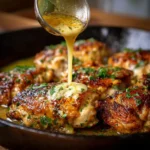
- Emulsify & Enrich (3 minutes): Whisk in lemon juice and zest. Reduce heat to low. Gradually whisk in remaining 2 tbsp cold butter, one tablespoon at a time, waiting for each to fully incorporate before adding the next—this creates a stable, glossy emulsion. Stir in heavy cream (if using) and simmer gently 1 minute. Taste and adjust: more salt for balance, lemon for brightness, or a pinch of sugar if overly tart.
- Finish & Serve (2 minutes): Slice rested chicken against the grain into ½-inch medallions. Return to skillet, spooning sauce over top. Gently swirl to coat—do not boil, or sauce may break. Remove from heat. Fold in ¾ of fresh herbs (reserve remainder for garnish). Let rest 1 minute for flavors to marry. Serve immediately, garnished with remaining herbs, extra lemon zest, flaky sea salt, and a drizzle of premium olive oil.
Tips
- Temperature Control is Everything: Butter burns at 350°F (175°C)—so never rush the garlic step. Keep heat low-to-medium and stir constantly. If garlic sizzles violently or turns brown in under 30 seconds, remove pan from heat briefly to cool.
- The “Fond” is Flavor Gold: That dark, sticky residue left after searing? It’s concentrated meat juices, caramelized sugars, and amino acids—unlocking profound savoriness. Deglaze with broth *immediately* after removing chicken, using vigorous scraping motion to suspend every bit.
- Cold Butter = Stable Emulsion: Adding cold, cubed butter gradually while whisking ensures the water-in-fat structure remains intact. Warm or melted butter will cause separation—resulting in greasy, broken sauce.
- Lemon Timing Matters: Acid destabilizes emulsions. Always add lemon juice *after* the base sauce is built and slightly cooled—not during initial reduction. Zest can go in earlier, as its oils are fat-soluble and heat-stable.
- Resting Is Non-Negotiable: Skipping the 5-minute chicken rest causes up to 30% juice loss when sliced. Resting allows muscle fibers to reabsorb moisture—ensuring each bite stays succulent, not stringy.
- Herb Handling Preserves Volatility: Delicate herbs like parsley and chives contain heat-sensitive terpenes. Stir them in *off the heat*—the residual warmth is enough to release aroma without cooking away nuance.
- Sauce Consistency Fixes: Too thin? Simmer 1–2 more minutes. Too thick? Whisk in 1 tsp warm broth or lemon juice. Broken sauce? Remove from heat, add 1 tsp cold water, and whisk vigorously—it often re-emulsifies.
- Batch Scaling Notes: Doubling the recipe? Use two skillets—or triple the sear time and reduce sauce in batches. Never overcrowd the pan: steam prevents browning and dilutes flavor.
- Leftover Magic: Refrigerated sauce (without herbs) keeps 5 days; freeze up to 3 months. Reheat gently in a saucepan over low heat, whisking constantly. Stir in fresh herbs and lemon zest just before serving.
Variations and Customizations
This recipe is a canvas—not a contract. Adapt it thoughtfully to suit dietary needs, seasonal produce, global inspirations, or pantry limitations:
- Dietary Adaptations: Gluten-Free — Naturally compliant; verify broth is GF-certified. Dairy-Free — Replace butter with high-quality vegan butter (Miyoko’s or Forager) and heavy cream with full-fat coconut milk. Keto/Low-Carb — Already compliant (3g net carbs/serving); omit optional sugar. Paleo — Swap butter for ghee or avocado oil; use coconut aminos instead of broth.
- Protein Swaps: Try boneless turkey cutlets (reduce cook time by 1 minute per side), firm white fish (cod, halibut—sear 2 min/side), or large shrimp (add in last 90 seconds of sauce). For plant-based: marinated extra-firm tofu or king oyster mushrooms (sliced thick, seared until golden).
- Global Twists: Mediterranean — Add ¼ cup kalamata olives, 1 tsp capers, and crumbled feta at the finish. Asian-Inspired — Replace lemon with yuzu or lime; add 1 tsp grated ginger, 1 tbsp tamari, and finish with scallions and sesame oil. Herbes de Provence — Substitute dried herbes de Provence (½ tsp) + lavender buds (pinch) for thyme. Spiced North African — Toast ½ tsp cumin + ¼ tsp coriander before adding garlic; stir in harissa paste (½ tsp) with broth.
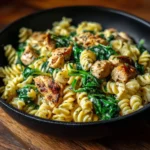
- Vegetable Integration: Sauté asparagus, cherry tomatoes, or spinach in the same pan *before* searing chicken—remove, then return to sauce at the end. Roasted baby potatoes or cauliflower florets make hearty, low-carb sides that soak up sauce beautifully.
- Wine-Paired Enhancements: Deglaze with ¼ cup dry white wine (Sauvignon Blanc or Pinot Grigio) *before* adding broth—simmer 2 minutes to burn off alcohol. Or finish sauce with 1 tsp brandy or Pernod for aromatic complexity.
- Meal-Prep Friendly Version: Cook chicken and sauce separately. Store sauce (without herbs) chilled up to 4 days. Reheat sauce gently, then add fresh herbs and lemon to chicken just before serving—maintains vibrancy and texture.
- One-Pan Sheet Bake: Arrange seasoned chicken on parchment-lined sheet pan. Scatter minced garlic, lemon slices, and herbs around it. Drizzle with olive oil and melted butter. Roast at 400°F (200°C) for 20–25 minutes. Broil 2 minutes to crisp edges. Spoon pan juices over top.
Health Considerations and Nutritional Value
A single 6-ounce (170g) serving of Garlic Butter Chicken with Lemon Herbs (made with breast meat, 6 tbsp butter, and no cream) provides approximately:
- Calories: 520 kcal
- Protein: 42g (excellent source—supports muscle synthesis, satiety, and metabolic health)
- Total Fat: 36g (primarily unsaturated—butter contains beneficial CLA, butters, and fat-soluble vitamins A, D, E, K2)
- Saturated Fat: 21g (within USDA’s upper limit for a 2,000-calorie diet; balanced with fiber-rich sides)
- Carbohydrates: 2g (negligible—ideal for low-carb, keto, or diabetic-friendly plans)
- Fiber: 0.5g (boost with herb-heavy garnishes or side salad)
- Sodium: 580mg (moderate—control via low-sodium broth and mindful salting)
- Vitamin C: 28mg (47% DV from lemon—supports immunity and iron absorption)
- Vitamin B6 & B12: Abundant in chicken—critical for nervous system function and red blood cell formation
- Selenium: 45mcg (82% DV—potent antioxidant that supports thyroid health)
- Allicin (from garlic): Bioactive compound with demonstrated antimicrobial, anti-inflammatory, and cardiovascular benefits—maximized when garlic is crushed and allowed to rest 10 minutes before cooking.
Nutritionist Notes: While butter contributes saturated fat, recent meta-analyses (e.g., The Lancet, 2017) show no significant association between moderate dairy fat intake and heart disease when replacing refined carbs—not unsaturated fats. Lemon’s vitamin C enhances non-heme iron absorption from plant-based sides (e.g., lentils, spinach). For heart-health optimization, pair with a kale-and-quinoa salad dressed in lemon-tahini. Those managing cholesterol may reduce butter to 3 tbsp and supplement with 1 tbsp avocado oil in the sear step—maintaining richness while increasing monounsaturated fats.
Ingredients
- 1.5 lbs (680g) boneless, skinless chicken breasts or thighs, pounded to ½-inch thickness
- 2 tbsp extra-virgin olive oil, divided
- 6 tbsp (85g) unsalted butter, cold and cubed, divided
- 6–8 garlic cloves, finely minced or pressed
- Zest and juice of 1½–2 medium lemons (≈3 tbsp juice)
- ½ cup (120ml) low-sodium chicken broth
- 2 tbsp heavy cream (optional, but highly recommended for texture)
- ¼ cup packed fresh flat-leaf parsley, finely chopped
- 1 tbsp fresh thyme leaves (or 1 tsp dried, added with garlic)
- 1½ tsp kosher salt, divided
- 1 tsp freshly ground black pepper, divided
- Flaky sea salt and extra-virgin olive oil, for finishing
- Lemon wedges, for serving
Directions
- Pat chicken completely dry with paper towels. Season both sides with 1 tsp salt and ½ tsp black pepper. Let sit at room temperature 15 minutes.
- Heat 1 tbsp olive oil in a large heavy skillet over medium-high heat until shimmering. Add chicken without crowding; sear 4–5 minutes per side until golden and internal temp reaches 155°F. Transfer to plate, tent with foil, rest 5 minutes.
- Reduce heat to medium-low. Add remaining 1 tbsp olive oil and 4 tbsp butter to same skillet. Once foaming subsides, add garlic; stir 60–90 seconds until fragrant and pale gold.
- Pour in broth, scraping pan vigorously to lift fond. Simmer 2–3 minutes until reduced by one-third.
- Whisk in lemon juice and zest. Reduce heat to low. Gradually whisk in remaining 2 tbsp cold butter, one cube at a time, until fully emulsified and glossy.
- Stir in heavy cream (if using) and simmer gently 1 minute. Taste and adjust salt, pepper, or lemon.
- Slice rested chicken against the grain. Return to skillet; spoon sauce over top. Gently swirl to coat.
- Remove from heat. Fold in ¾ of parsley and thyme. Garnish with remaining herbs, lemon zest, flaky salt, and a drizzle of olive oil. Serve immediately with lemon wedges.
FAQ
- Can I use frozen chicken?
- Yes—but thaw completely in the refrigerator overnight. Never cook from frozen, as uneven heating leads to rubbery texture and unsafe internal temps. Pat *extremely* dry—frozen chicken releases excess water that steams instead of sears.
- Why does my sauce break or look greasy?
- Most commonly: butter was too warm when added, heat was too high during emulsification, or lemon was added too early. Fix by removing from heat, whisking in 1 tsp cold water or broth, and slowly reheating while whisking continuously. Prevention: use cold butter, low heat, and add acid only after base is built.
- Can I make this ahead of time?
- The chicken and sauce can be prepared separately up to 3 days ahead. Store sauce (without herbs or lemon juice) chilled. Reheat gently, then stir in fresh lemon juice, zest, and herbs just before serving to preserve brightness and texture.
- What sides pair best with this dish?
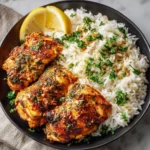
- Classic pairings include garlic-herb roasted potatoes, lemon-herb orzo, creamy polenta, steamed asparagus, or a crisp arugula salad with shaved Parmesan. For low-carb: cauliflower rice, zucchini noodles, or grilled broccoli rabe.
- Is there a way to make it spicier?
- Absolutely. Add ¼–½ tsp red pepper flakes with the garlic, or stir in 1 tsp harissa, sriracha, or chipotle purée with the broth. For fresh heat: fold in thinly sliced jalapeño or serrano with the herbs at the end.
- Can I use dried herbs instead of fresh?
- You can—but flavor and aroma will be significantly muted. Use 1 tsp dried parsley + ½ tsp dried thyme *added with the garlic*, and still finish with a small amount of fresh parsley for color and top-note freshness.
- How do I prevent the chicken from drying out?
- Three keys: (1) Pound to even thickness, (2) Don’t overcook—pull at 155°F and rest, (3) Always rest covered 5 minutes before slicing. Brining (30 minutes in ¼ cup salt + 2 cups water) adds insurance for ultra-juicy results.
- Can I cook this on the grill?
- Yes! Grill chicken over medium heat (375–400°F) 5–6 minutes per side. Transfer to a platter, cover. Make sauce in a skillet on the stovetop, then brush generously over grilled chicken before serving.
- Is this dish safe for pregnant people?
- Yes—when cooked to 165°F and made with pasteurized dairy and eggs (if using cream). Lemon and garlic are safe and beneficial in normal culinary amounts. Avoid raw garlic or unpasteurized butter, which are not used in this recipe.
- Can I freeze leftovers?
- Chicken freezes well for up to 3 months. Freeze sauce separately (without herbs or lemon juice) in airtight containers. Thaw overnight in fridge; reheat gently and stir in fresh lemon and herbs before serving.
Summary
Garlic Butter Chicken with Lemon Herbs is a masterclass in balancing richness, acidity, and aroma—delivering restaurant-quality elegance with humble ingredients and intuitive technique. Its adaptability across diets, cuisines, and occasions makes it not just a recipe, but a lifelong kitchen essential.
From the sizzle of golden chicken to the velvety swirl of lemon-kissed herb butter, every step is designed to build layers of flavor, texture, and nourishment—proving that extraordinary meals begin with respect for ingredients, patience with process, and joy in the act of sharing food.