Introduction
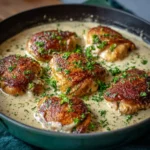
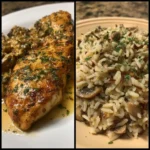
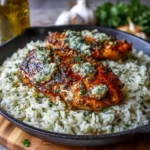
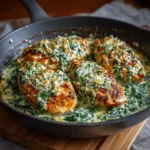
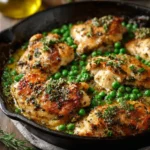
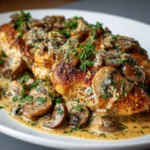
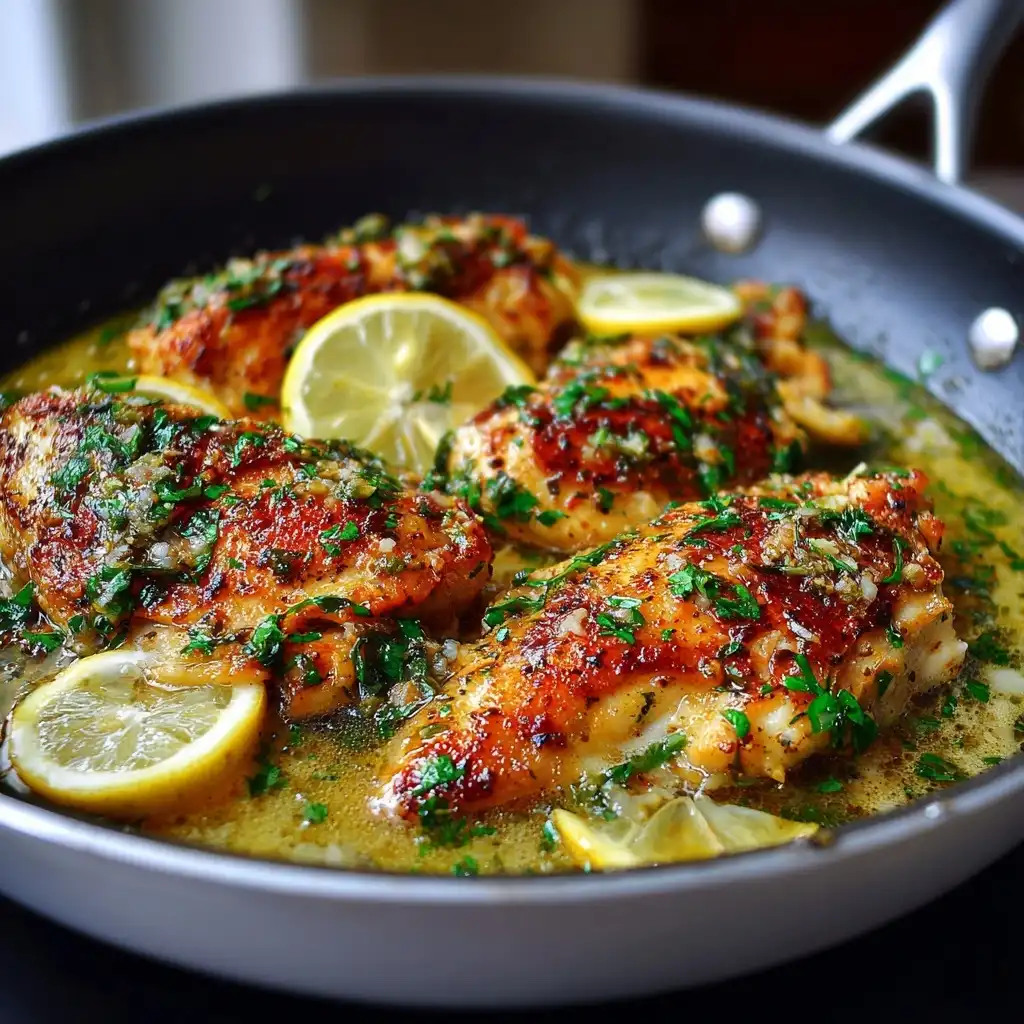
Garlic Butter Chicken with Lemon Garlic Sauce is a restaurant-worthy dish that delivers bold, aromatic flavors in under 30 minutes—making it a weeknight hero and dinner party favorite alike. With its golden-brown, pan-seared chicken breasts nestled in a luscious, velvety sauce brimming with the bright acidity of fresh lemon, the deep umami richness of browned butter, and the pungent warmth of sautéed garlic, this dish strikes a perfect balance between comforting and elegant. Its simplicity belies its sophistication: minimal ingredients, maximum impact. Whether served over fluffy jasmine rice, creamy mashed potatoes, zucchini noodles, or alongside crusty artisan bread for soaking up every last drop, Garlic Butter Chicken with Lemon Garlic Sauce satisfies cravings while feeling indulgent yet approachable—even for novice cooks.
The History
While no single origin story defines Garlic Butter Chicken with Lemon Garlic Sauce, its roots trace across multiple culinary traditions that converged in modern American home cooking. Garlic and butter have long been staples in French cuisine—think beurre blanc and chicken à la provençale—where clarified butter and roasted garlic form the backbone of rich, emulsified sauces. Meanwhile, Mediterranean and Middle Eastern kitchens have celebrated lemon and garlic pairings for millennia, from Greek skordalia to Lebanese toum, using citrus to cut through fat and elevate freshness. The fusion gained momentum in the late 20th century as American home cooks embraced “gourmet simplicity”: recipes that prioritized high-quality, few-ingredient preparations inspired by bistro fare and food magazines like Bon Appétit and Gourmet. By the early 2010s, viral food blogs and YouTube cooking channels amplified its popularity—particularly the technique of finishing pan-seared chicken with a glossy, lemon-infused brown butter sauce—transforming it into a cornerstone of digital recipe culture. Today, it remains one of the most-searched chicken dishes online, beloved for its adaptability, visual appeal (golden chicken + glistening sauce), and deeply resonant flavor profile that transcends cultural boundaries.
Ingredients Breakdown
Every ingredient in this recipe plays a deliberate, synergistic role—no filler, no afterthoughts. Let’s explore each component in depth:
- Chicken Breasts (Boneless, Skinless): Opt for uniform, air-chilled, antibiotic-free breasts (about 6–8 oz each) for even cooking. Pounding them to ½-inch thickness ensures tenderness and prevents dryness. Air-chilled poultry retains more moisture and yields superior sear quality.
- Unsalted Butter: High-fat European-style butter (82–84% butterfat) is ideal—it browns more evenly, develops deeper nutty notes, and creates a silkier emulsion. Salted butter can be used, but adjust added salt accordingly.
- Fresh Garlic: Always use freshly minced or microplaned garlic—not jarred or powdered. Enzymes activated upon crushing release allicin, which gives garlic its signature pungency and health benefits. Too much heat too quickly burns it; gentle sautéing unlocks sweetness and complexity.
- Lemons: Both zest and juice are essential. Zest contains volatile citrus oils that perfume the sauce without adding liquid, while freshly squeezed juice (not bottled) provides bright, clean acidity critical for balancing butter’s richness. One medium lemon yields ~2 tsp zest and ~¼ cup juice—always zest before juicing.
- Dry White Wine (Optional but Recommended): A splash of Sauvignon Blanc or Pinot Grigio deglazes the fond—the caramelized bits stuck to the pan—and adds subtle fruitiness and depth. Alcohol fully cooks off, leaving only nuanced flavor. Substitute with low-sodium chicken broth if avoiding alcohol.
- Fresh Herbs: Flat-leaf parsley adds grassy brightness and visual contrast; thyme contributes earthy, floral undertones. Add herbs at the very end to preserve their volatile aromatics.
- Heavy Cream or Full-Fat Coconut Milk (Optional Enrichment): For an extra-luxurious mouthfeel, a tablespoon of heavy cream stabilizes the emulsion and adds roundness. Vegan cooks may substitute full-fat coconut milk—but add it off-heat and whisk gently to prevent separation.
- Finishing Touches: Flaky sea salt (like Maldon) enhances surface seasoning without oversalting; cracked black pepper adds warmth; a final drizzle of extra-virgin olive oil lends fruitiness and sheen.
Step-by-Step Recipe
- Prep the Chicken: Place chicken breasts between two sheets of parchment paper or plastic wrap. Using a meat mallet or heavy skillet, pound evenly to ½-inch thickness. Pat *extremely* dry with paper towels—moisture is the enemy of a proper sear. Season both sides generously with kosher salt and freshly ground black pepper.
- Sear to Golden Perfection: Heat a heavy-bottomed stainless steel or cast-iron skillet over medium-high heat. Add 1 tbsp neutral oil (avocado or grapeseed). Once shimmering (not smoking), place chicken in the pan without crowding. Press gently with a spatula for full contact. Cook undisturbed for 5–6 minutes until deeply golden and easily releases. Flip and cook 4–5 more minutes until internal temperature reaches 155°F (it will rise to 165°F while resting). Transfer to a clean plate, tent loosely with foil, and rest 5 minutes.
- Build the Lemon Garlic Sauce: Reduce heat to medium-low. In the same skillet (do not wipe—those browned bits are flavor gold), melt 4 tbsp unsalted butter. Once melted, add 4–5 thinly sliced garlic cloves (or 2 tbsp minced). Sauté gently for 1–2 minutes until fragrant and just beginning to turn pale gold—do not let it brown or burn. Stir in 1 tsp lemon zest and ¼ cup lemon juice. If using wine, add ¼ cup now and simmer 1 minute to reduce by half.
- Emulsify & Deepen Flavor: Return rested chicken (with any accumulated juices) to the pan. Spoon sauce over chicken. Simmer gently for 2 minutes, basting frequently. Optional: swirl in 1 tbsp heavy cream or coconut milk off-heat for extra richness. Taste and adjust: more lemon for brightness, a pinch of sugar to counter excessive tartness, or a splash of broth if too thick.
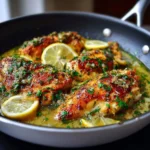
- Finish & Serve: Remove from heat. Stir in 2 tbsp finely chopped fresh parsley and 1 tsp fresh thyme leaves. Sprinkle with flaky sea salt and additional black pepper. Garnish with extra lemon zest and thin lemon wheels. Serve immediately.
Tips
- Dry Chicken = Better Sear: Moisture on the surface causes steaming instead of browning. Pat chicken dry *twice*: once before seasoning, again right before placing in the pan.
- Don’t Crowd the Pan: Overcrowding drops the pan temperature, causing chicken to sweat rather than sear. Cook in batches if needed—better to take 2 extra minutes than sacrifice texture.
- Control Garlic’s Heat: Garlic burns fast. Keep heat low when sautéing and stir constantly. If it darkens past light gold, discard and start fresh—bitter garlic ruins the entire sauce.
- Rest Chicken Religiously: Resting allows juices to redistribute. Cutting too soon releases flavorful liquid onto the plate—not into the bite.
- Butter Browning Nuance: For deeper nuttiness, brown 1 tbsp of the butter separately before adding garlic—then combine with remaining butter. Watch closely: browned butter goes from perfect to burnt in seconds.
- Sauce Consistency Mastery: Too thin? Simmer 30 seconds longer. Too thick? Whisk in warm broth, 1 tsp at a time. Never add cold liquid to hot butter—it’ll break the emulsion.
- Acid Timing Matters: Add lemon juice *after* garlic softens—early addition can “cook” the garlic too aggressively and mute its aroma.
- Make-Ahead Friendly: Marinate chicken in lemon juice, garlic, olive oil, salt, and pepper for up to 4 hours refrigerated—but pat *very* dry before cooking. Sauce base (without lemon juice) can be prepped 1 day ahead and gently reheated.
Variations and Customizations
This recipe is gloriously versatile—adaptable to dietary needs, seasonal produce, global flavors, and pantry constraints. Here are 12 thoughtfully crafted variations:
- Herb-Infused Mediterranean: Add 1 tsp dried oregano + ¼ cup crumbled feta + 2 tbsp chopped kalamata olives to the sauce just before serving.
- Creamy Dijon Version: Whisk in 1 tbsp whole-grain Dijon mustard and 2 tbsp crème fraîche with the lemon juice for tangy depth and velvety body.
- Spicy Harissa Twist: Stir 1 tsp North African harissa paste into the butter before adding garlic for smoky heat and complex chile flavor.
- Asian-Inspired Umami Boost: Replace lemon with yuzu or lime; add 1 tsp grated fresh ginger, 1 tbsp tamari, and finish with toasted sesame oil and scallions.
- Roasted Garlic Elegance: Substitute ½ head of roasted garlic (squeezed pulp) for raw garlic—sweeter, mellower, and profoundly aromatic.
- Vegan “Chicken” Option: Use extra-firm tofu (pressed and pan-fried) or seitan cutlets. Replace butter with vegan butter + 1 tsp nutritional yeast; use lemon zest/juice and white miso for savoriness.
- Sheet-Pan Roasted Version: Toss pounded chicken and lemon-garlic butter mixture on a parchment-lined sheet pan. Roast at 425°F for 18–20 minutes. Broil 1 minute for char.
- One-Pot Pasta Integration: After searing chicken, remove and set aside. Sauté garlic in same pan, add 8 oz short pasta (like orzo or linguine), 2 cups broth, and lemon juice. Simmer until pasta is al dente, then fold in chicken and herbs.
- Grilled Summer Style: Marinate chicken in lemon-garlic-herb mixture 30 minutes. Grill over medium heat. Finish with warm lemon-butter sauce brushed on just before serving.
- Low-Carb Zoodle Bowl: Spiralize zucchini, sauté 2 minutes in olive oil, then toss with warm chicken and sauce. Top with pine nuts and shaved Parmesan.
- Meal-Prep Friendly: Cook chicken and sauce separately. Store chilled for up to 4 days. Reheat sauce gently on stove (add splash of broth if thickened), then combine with warmed chicken.
- Kid-Approved Mild: Reduce garlic to 2 cloves, omit pepper, add 1 tsp honey and 1 tbsp grated apple for natural sweetness and subtle fruit nuance.
Health Considerations and Nutritional Value
A 6-oz serving of Garlic Butter Chicken with Lemon Garlic Sauce (made with 4 tbsp butter, ¼ cup lemon juice, herbs, and no cream) delivers approximately:
- Calories: ~420 kcal
- Protein: 42g (excellent source; supports muscle repair and satiety)
- Fat: 26g (mostly unsaturated from lemon oil and butter; includes beneficial butyric acid and conjugated linoleic acid [CLA] from grass-fed butter)
- Carbohydrates: 2g (negligible; keto- and low-carb friendly)
- Vitamin C: ~35mg (47% DV from lemon juice—boosts immunity and iron absorption)
- Selenium & B6: High levels from chicken—supports thyroid function and neurotransmitter synthesis
- Allicin Precursors: Raw garlic (even cooked) retains sulfur compounds linked to cardiovascular support and anti-inflammatory effects
Dietary Notes:
- Gluten-Free: Naturally compliant—just verify broth/wine labels if using.
- Dairy-Free Option: Substitute high-quality vegan butter and coconut milk; note texture will be slightly less emulsified.
- Lower-Calorie Adaptation: Use 2 tbsp butter + 2 tbsp low-sodium chicken broth; increase lemon juice and herbs for flavor volume.
- Sodium-Conscious: Rely on lemon, herbs, and garlic for seasoning—skip added salt and use low-sodium broth.
- Heart-Healthy Tweaks: Replace half the butter with extra-virgin olive oil; add ¼ tsp turmeric for curcumin’s antioxidant properties.
Important Considerations: While nutrient-dense, moderation matters—especially with saturated fat intake for those managing cholesterol. Pairing with fiber-rich vegetables (roasted asparagus, sautéed spinach, or lemon-kissed broccoli) enhances digestive health and balances the meal’s macronutrient profile. Also, lemon juice increases bioavailability of non-heme iron from plant sides—making this dish an excellent anchor for balanced vegetarian-inclusive meals.
Ingredients
- 2 large boneless, skinless chicken breasts (about 1 lb / 450g), pounded to ½-inch thickness
- 1½ tsp kosher salt (divided)
- 1 tsp freshly ground black pepper (divided)
- 1 tbsp neutral high-heat oil (avocado, grapeseed, or refined coconut oil)
- 4 tbsp unsalted butter (preferably European-style, 82%+ fat)
- 4–5 garlic cloves, thinly sliced or finely minced (about 2 tbsp)
- 1 medium lemon: zested (about 2 tsp) and juiced (about ¼ cup)
- ¼ cup dry white wine (e.g., Sauvignon Blanc) — optional but recommended
- ¼ cup low-sodium chicken broth — optional, for adjusting consistency
- 2 tbsp finely chopped fresh flat-leaf parsley
- 1 tsp fresh thyme leaves (or ½ tsp dried)
- Flaky sea salt (e.g., Maldon), for finishing
- Lemon wheels or extra zest, for garnish
Optional Enhancements: 1 tbsp heavy cream or full-fat coconut milk, 1 tsp honey (for balance), 1 tsp grated fresh ginger (for Asian variation), 1 tsp Dijon mustard (for creamy variation).
Directions
- Prepare Chicken: Place chicken breasts between two sheets of parchment paper. Using a meat mallet or rolling pin, pound evenly to ½-inch thickness. Pat *thoroughly* dry with paper towels. Season both sides with 1 tsp kosher salt and ½ tsp black pepper.
- Heat Pan & Sear: Heat a 12-inch stainless steel or cast-iron skillet over medium-high heat. Add oil and swirl to coat. When oil shimmers (approx. 350°F), carefully place chicken in pan. Press gently with a spatula. Cook undisturbed for 5–6 minutes until deeply golden brown and easily releases. Flip and cook 4–5 minutes more, until internal temperature reaches 155°F. Transfer to a clean plate, tent loosely with foil, and rest 5 minutes.
- Make Sauce Base: Reduce heat to medium-low. In same skillet (do not wipe), melt butter. Once foaming subsides and butter begins to bubble gently, add garlic. Sauté 1–2 minutes, stirring constantly, until fragrant and pale gold—do not brown. Immediately stir in lemon zest.
- Deglaze & Simmer: Pour in white wine (if using) and scrape up all browned bits with a wooden spoon. Simmer 1 minute until reduced by half. Add lemon juice and stir well. If skipping wine, add broth here instead.
- Combine & Finish: Return rested chicken (and any juices) to skillet. Spoon sauce over chicken. Gently simmer 2 minutes, basting every 30 seconds. Optional: Off-heat, whisk in heavy cream or coconut milk until smooth. Taste and adjust—more lemon for brightness, salt for depth, or broth for consistency.
- Garnish & Serve: Remove from heat. Stir in parsley and thyme. Sprinkle with remaining ½ tsp salt, ½ tsp pepper, and flaky sea salt. Garnish with lemon zest and lemon wheels. Serve immediately with your choice of accompaniment.
FAQ
- Can I use chicken thighs instead of breasts?
- Absolutely—boneless, skinless thighs add extra juiciness and forgiving texture. Adjust cook time: sear 6–7 minutes per side, until internal temp reaches 165°F. Thighs also benefit from slightly longer resting (7–10 minutes) due to higher fat content.
- Why does my sauce break or look greasy?
- Sauces break when emulsions separate—usually from overheating, adding cold ingredients, or insufficient fat-to-liquid ratio. To fix: remove from heat, whisk vigorously while slowly drizzling in 1 tsp warm broth or lemon juice. For prevention, never boil the sauce—maintain gentle simmer—and always add acidic liquids gradually.
- Can I make this ahead and reheat?
- Yes—with caveats. Cook chicken and sauce separately. Refrigerate up to 4 days. To reheat: warm sauce gently in a saucepan with 1 tsp broth, whisking constantly. Warm chicken in oven (325°F, 10–12 min) or skillet (medium-low, 3–4 min per side). Combine just before serving.
- Is there a way to make it crispy-skinned?
- For skin-on chicken: dry skin *extremely* well, season skin only, and start in a cold skillet with 1 tsp oil. Cook skin-side down over medium-low heat 12–15 minutes until golden and crisp—flip only for final 2–3 minutes. Proceed with sauce as directed.
- What wines pair best with this dish?
- Opt for high-acid, citrus-driven whites: Albariño (Spain), Vermentino (Sardinia), or unoaked Chardonnay. Their vibrancy mirrors the lemon while cutting through butter. For red lovers, choose a light-bodied, low-tannin option like chilled Beaujolais or Pinot Noir.
- Can I freeze this dish?
- Freeze *unsauced* chicken only—sauces with dairy or emulsified butter don’t thaw well. Cool cooked chicken completely, portion, and freeze up to 3 months. Thaw overnight in fridge, then prepare fresh sauce and combine.
- My garlic tastes bitter—what went wrong?
- Bitterness signals burnt garlic. Next time: mince finely (more surface area = faster cooking), lower heat further, and add garlic *after* butter melts—not before. You can also blanch raw garlic cloves in boiling water for 30 seconds before mincing to mellow sharpness.
- What’s the best side dish to serve with this?
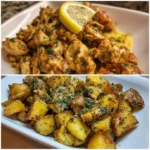
- Classic pairings include: herbed basmati rice, garlic mashed potatoes, lemon-dill quinoa, roasted broccolini, or angel hair pasta tossed in olive oil and parsley. For low-carb: cauliflower rice, grilled zucchini ribbons, or a crisp arugula salad with lemon vinaigrette.
- Can I use bottled lemon juice?
- Fresh is strongly recommended—bottled juice lacks volatile citrus oils, contains preservatives (like sodium benzoate), and often tastes metallic or flat. If absolutely necessary, use only 100% pure, refrigerated bottled juice—but increase zest to 1 tbsp to compensate for lost aroma.
- How do I know when the chicken is perfectly cooked?
- Use a reliable instant-read thermometer: insert into thickest part, avoiding bone or fat. Target 155°F—carryover heat will bring it to safe 165°F during resting. Visually, juices should run clear (not pink), and meat should feel springy—not rubbery or mushy—when pressed.
Summary
Garlic Butter Chicken with Lemon Garlic Sauce is a masterclass in balancing bold, vibrant flavors—crisp-seared chicken elevated by a silky, aromatic sauce where browned butter’s nuttiness, fresh lemon’s zing, and slow-cooked garlic’s sweetness unite in perfect harmony. Effortless to prepare yet impressively gourmet, it’s endlessly adaptable, nutritionally thoughtful, and guaranteed to become a cherished staple in your culinary repertoire.
Whether you’re seeking a quick weeknight triumph, a showstopping centerpiece for guests, or a canvas for creative customization—from Mediterranean feta to spicy harissa—this dish delivers restaurant-quality depth, brightness, and comfort, all in one stunning, golden-brown, lemon-kissed bite.