Introduction
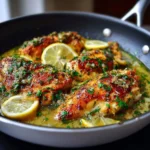
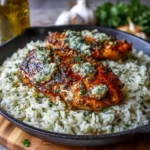
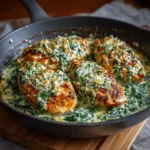
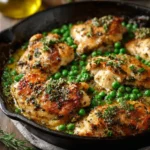
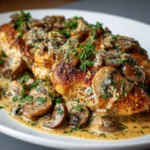
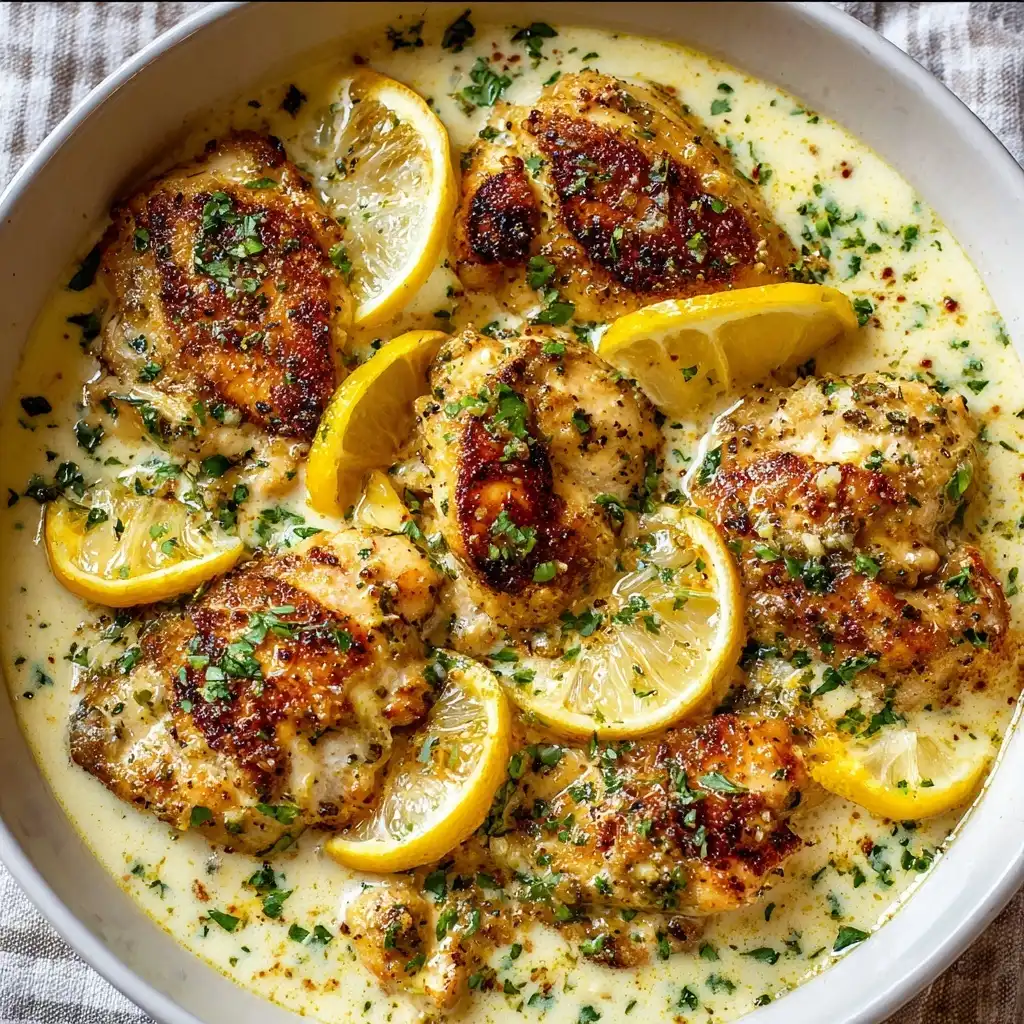
Garlic Butter Chicken with Lemon Cream Sauce is a restaurant-worthy dish that effortlessly bridges elegance and comfort—rich, velvety, tangy, and deeply aromatic. With tender pan-seared chicken breasts bathed in a luscious, golden sauce infused with roasted garlic, creamy mascarpone or heavy cream, bright lemon zest and juice, and fragrant fresh herbs, this dish delivers layered flavor in every bite. It’s surprisingly simple to prepare yet sophisticated enough to impress guests, making it a versatile star for weeknight dinners, date nights, or holiday gatherings. Whether served over buttery mashed potatoes, silky risotto, al dente pasta, or alongside seasonal roasted vegetables, this dish celebrates the timeless harmony of garlic, butter, citrus, and cream—transforming humble pantry staples into something truly unforgettable.
The History
While no single documented origin claims Garlic Butter Chicken with Lemon Cream Sauce as its own, the dish is a modern evolution rooted in centuries-old culinary traditions across Europe and the Mediterranean. Garlic’s use dates back over 5,000 years—to ancient Egypt, where it was fed to laborers building the pyramids for strength—and later became central to French beurre blanc and Italian aglio e olio preparations. Butter-based pan sauces flourished in classic French cuisine, particularly in meunière (flour-dusted fish sautéed in browned butter, lemon, and parsley) and au vin reductions. The incorporation of lemon and cream reflects a broader 20th- and 21st-century trend toward balancing richness with acidity—a technique refined by chefs like Julia Child (who championed butter as both flavor and technique) and later embraced by food media and home cooks seeking depth without heaviness. The “lemon cream” variation likely gained traction in the early 2000s via food blogs and cooking shows emphasizing approachable fine-dining techniques, evolving further with the rise of meal-prep culture and social media’s love for glossy, golden-hued sauces. Today, it stands as a beloved hybrid: rustic in spirit, refined in execution, and globally resonant in appeal.
Ingredients Breakdown
Understanding each ingredient’s role unlocks mastery of this dish—not just what goes in, but *why*:
- Chicken Breasts (boneless, skinless): Opt for uniform, air-chilled, never-frozen breasts (or consider slightly more forgiving chicken thighs for extra juiciness). Brining (30 minutes in 1 quart water + 2 tbsp kosher salt + 1 tbsp sugar) or dry-brining (1 tsp salt per breast, refrigerated 1–4 hours) dramatically improves moisture retention and seasoning penetration.
- Unsalted Butter: Essential for both searing and sauce-building. High-fat European-style butter (82–86% fat) offers superior browning, richer mouthfeel, and cleaner flavor. Reserve 1–2 tbsp for finishing to preserve delicate aromas.
- Fresh Garlic: Use whole cloves, lightly smashed and peeled—not pre-minced. Slow-sautéing in butter mellows pungency and develops sweet, nutty depth. Roasting garlic beforehand (whole head drizzled with olive oil, wrapped in foil, baked at 400°F for 40 minutes) adds an even more complex, caramelized layer.
- Lemon: Both zest and juice are non-negotiable. Zest contains volatile citrus oils that perfume the sauce; juice provides essential acidity to cut through fat. Always use organic lemons for zest, and juice them at room temperature for maximum yield. Add zest *after* cooking (to preserve brightness) and juice *off-heat* or in the last 30 seconds to retain volatile top notes.
- Cream Component: Heavy cream (36–40% fat) yields the most stable, luxurious texture. For lighter versions: full-fat coconut milk (dairy-free, subtly sweet), crème fraîche (tangy, heat-stable), or mascarpone (ultra-rich, thickens beautifully—but add *after* reducing liquids to prevent curdling). Avoid low-fat dairy—they separate or thin unpredictably.
- Aromatics & Herbs: Shallots (milder than onions, sweeter when cooked) build foundational flavor. Fresh thyme and parsley contribute earthiness and freshness—thyme stems can be added during simmering and removed before serving; flat-leaf parsley is stirred in at the end for color and herbaceous lift.
- Dry White Wine (optional but recommended): A splash of Sauvignon Blanc or Pinot Grigio deglazes the pan, lifts fond (those delicious browned bits), and adds subtle fruit-acid complexity. Ensure it’s drinkable—cooking wine is overly salty and harsh.
- Seasonings: Kosher salt enhances all flavors; freshly ground black pepper adds warmth. A pinch of grated nutmeg (¼ tsp) or white pepper can elevate the cream’s warmth without visible specks. Optional umami boosters: ½ tsp Dijon mustard (emulsifies and adds tang) or 1 tsp nutritional yeast (vegan-friendly depth).
Step-by-Step Recipe
- Prep & Season: Pat chicken breasts *extremely* dry with paper towels. Pound gently between parchment to ½-inch even thickness (prevents curling and ensures uniform cook). Season both sides generously with kosher salt and black pepper. Let sit at room temperature 15–20 minutes.
- Sear the Chicken: Heat 1.5 tbsp butter + 1 tbsp neutral oil (like avocado or grapeseed) in a heavy-bottomed stainless steel or cast-iron skillet over medium-high heat until shimmering. Place chicken in pan without crowding; press lightly with spatula for even contact. Sear undisturbed 5–6 minutes until deep golden crust forms. Flip, reduce heat to medium, and cook 4–5 more minutes until internal temp reaches 155°F (it will rise to 165°F while resting). Transfer to a warm plate, tent loosely with foil, and rest 8–10 minutes (critical for juicy results).
- Build the Flavor Base: In same skillet, reduce heat to medium-low. Add 1 tbsp butter and 2 finely minced shallots; sauté 2 minutes until translucent. Add 4–6 smashed garlic cloves; stir constantly 1 minute until fragrant (do not brown). Optional: add ¼ cup dry white wine, scraping vigorously with wooden spoon to lift all browned bits (fond)—simmer 1 minute until nearly evaporated.
- Develop the Sauce: Pour in ¾ cup heavy cream (or chosen dairy alternative). Stir in 1 tsp lemon zest, 1 tsp fresh thyme leaves (or 2 sprigs), and a pinch of nutmeg. Bring to a gentle simmer—do not boil rapidly. Reduce heat to low and simmer uncovered 4–5 minutes, stirring occasionally, until sauce thickens slightly to coat the back of a spoon.
- Finish & Emulsify: Remove from heat. Whisk in remaining 1 tbsp cold butter, piece by piece, until fully incorporated and glossy. Stir in 2 tbsp fresh lemon juice (adjust to taste—start with 1 tbsp, then add more). Taste and adjust: more salt? More lemon? A touch of honey (¼ tsp) if too sharp? Strain sauce through a fine-mesh sieve for ultra-smooth texture (optional but recommended for elegance).
- Combine & Serve: Return rested chicken to skillet, spooning sauce over each piece. Warm gently over lowest heat 1 minute—do not reboil. Garnish generously with chopped fresh parsley, extra lemon zest, and flaky sea salt (like Maldon). Serve immediately.
Tips
- Temperature Control is Everything: Overheating butter causes burning; underheating prevents proper sear. Use medium-high for searing, then drop to medium for cooking through. For sauce, low-and-slow prevents cream from breaking or garlic from turning bitter.
- The Rest Is Non-Negotiable: Skipping the 8–10 minute rest allows juices to redistribute. Cutting too soon releases moisture onto the plate—not into the meat.
- Sauce Consistency Fixes: Too thin? Simmer 1–2 more minutes. Too thick? Whisk in 1 tsp warm broth or cream. Broken sauce? Remove from heat, add 1 tsp cold cream, and whisk vigorously—or blend with immersion blender for 10 seconds.
- Maximize Garlic Flavor: Infuse butter with garlic *before* searing: melt 2 tbsp butter with 3 smashed cloves over low heat 5 minutes; strain and use infused butter for cooking. Or roast garlic and mash into sauce at the end for mellow sweetness.
- Pan Choice Matters: Stainless steel or cast iron gives best fond for deglazing. Nonstick won’t develop the same rich crust or fond—reserve for beginner attempts only.
- Lemon Juice Timing: Adding lemon juice *off-heat* preserves its vibrant, fresh character. Boiling it dulls the acidity and can impart a “cooked” note.
- Make-Ahead Friendly: Cook chicken and sauce separately up to 2 days ahead. Reheat chicken gently in oven (325°F, covered, 12 mins); reheat sauce on stove with splash of cream, whisking constantly. Combine just before serving.
- Leftover Magic: Shred leftover chicken into lemon-cream pasta, fold into savory crepes, stir into grain bowls with arugula and cherry tomatoes, or blend sauce with roasted cauliflower for a decadent soup base.
Variations and Customizations
- Protein Swaps: Try bone-in, skin-on chicken thighs (crisp skin first, then braise in sauce 25–30 mins); turkey cutlets (brine first for tenderness); or firm white fish (cod, halibut—sear 2–3 mins/side, add to warm sauce). For vegetarian: seared king oyster mushrooms or grilled tofu pressed and marinated in lemon-garlic oil.
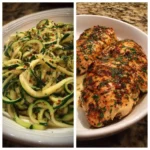
- Dietary Adaptations: Dairy-Free: Use vegan butter, full-fat coconut milk, and nutritional yeast; finish with capers for briny brightness. Low-Carb/Keto: Already compliant—just serve over cauliflower rice or zucchini noodles. Gluten-Free: Naturally GF—verify wine and mustard labels if using.
- Global Twists: Mediterranean: Add sun-dried tomatoes, kalamata olives, and oregano. Herbes de Provence: Swap thyme for 1 tsp herbes de Provence blend. Spiced Lemon: Add ¼ tsp ground cumin + pinch of smoked paprika with garlic. Asian-Inspired: Replace lemon with yuzu or lime; add 1 tsp grated ginger and 1 tbsp tamari instead of salt.
- Texture & Topping Upgrades: Toasted pine nuts or slivered almonds add crunch; crispy prosciutto or pancetta crumbles lend saltiness; gremolata (lemon zest + parsley + garlic) adds fresh contrast; microgreens or edible flowers elevate presentation.
- Serving Style Variations: Deconstruct into lettuce cups; layer into lasagna with ricotta and spinach; bake in ramekins with breadcrumb-Parmesan topping; or serve chilled as a chicken salad with extra lemon and Dijon.
- Batch & Freeze: Double the sauce (without lemon juice or herbs) and freeze for up to 3 months. Thaw overnight, reheat gently, then stir in fresh lemon, herbs, and butter before serving.
Health Considerations and Nutritional Value
This dish balances indulgence with mindful nutrition when prepared intentionally. A standard serving (one 6-oz chicken breast + ⅓ cup sauce) contains approximately 480–520 calories, 32g protein, 34g fat (19g saturated), and 3g carbohydrates. While higher in saturated fat due to butter and cream, it offers valuable nutrients: high-quality complete protein supports muscle maintenance and satiety; vitamin B6 and selenium from chicken aid immunity and metabolism; garlic contains allicin (linked to cardiovascular and anti-inflammatory benefits); lemon provides vitamin C and flavonoids; and parsley delivers vitamins K and A. To enhance wellness:
- Reduce Sodium: Skip added salt in sauce if using salted butter or brined chicken; rely on herbs, lemon, and garlic for flavor.
- Boost Fiber & Micronutrients: Serve over quinoa, farro, or lentils instead of refined starches; garnish with steamed broccoli, asparagus, or sautéed kale.
- Heart-Healthy Fats: Replace half the butter with heart-healthy olive oil during searing; use grass-fed butter for higher CLA (conjugated linoleic acid) content.
- Portion Mindfully: Focus on protein and veggies—limit sauce to 2–3 tbsp per serving unless actively fueling high-energy needs.
- Consider Glycemic Load: Naturally low-glycemic, making it suitable for metabolic health goals—especially when paired with non-starchy vegetables.
- Allergen Notes: Contains dairy (butter, cream) and potential gluten (if using soy sauce/tamari in variations). Nut-free, egg-free, and shellfish-free by default.
As with any rich dish, moderation and context matter—enjoy as part of a varied, whole-foods-based diet rather than daily fare.
Ingredients
- 2 (6–7 oz) boneless, skinless chicken breasts, pounded to ½-inch thickness
- 1½ tsp kosher salt, divided (plus more to taste)
- 1 tsp freshly ground black pepper, divided
- 2 tbsp unsalted butter, divided
- 1 tbsp neutral high-heat oil (avocado, grapeseed, or light olive oil)
- 2 large shallots, finely minced (about ⅓ cup)
- 6 large garlic cloves, smashed and peeled
- ¼ cup dry white wine (Sauvignon Blanc or Pinot Grigio), optional but recommended
- ¾ cup heavy cream (36–40% fat) or full-fat coconut milk (for dairy-free)
- 1 tbsp finely grated lemon zest (from 1–2 organic lemons)
- 2 tbsp fresh lemon juice (from same lemons)
- 1 tsp fresh thyme leaves (or 2 small sprigs)
- Pinch of freshly grated nutmeg (optional)
- 2 tbsp fresh flat-leaf parsley, finely chopped
- Flaky sea salt (like Maldon), for finishing
Directions
- Prep Chicken: Pat chicken extremely dry. Pound gently to even ½-inch thickness. Season both sides with 1 tsp salt and ½ tsp pepper. Let sit at room temperature 15–20 minutes.
- Sear: Heat butter and oil in large skillet over medium-high heat until butter foams and subsides (~2 minutes). Carefully place chicken in pan. Press lightly. Sear 5–6 minutes until deeply golden. Flip, reduce heat to medium, cook 4–5 minutes until internal temp reaches 155°F. Transfer to plate, tent with foil, rest 10 minutes.
- Sauté Aromatics: Reduce heat to medium-low. Add 1 tbsp butter and shallots to same skillet; cook 2 minutes until soft. Add garlic; stir 1 minute until fragrant.
- Optional Deglaze: Pour in wine, scraping pan vigorously with wooden spoon to lift fond. Simmer 1 minute until mostly evaporated.
- Simmer Sauce: Add cream, lemon zest, thyme, and nutmeg. Bring to gentle simmer, then reduce heat to low. Simmer uncovered 4–5 minutes, stirring often, until thickened to coat spoon.
- Finish Sauce: Remove from heat. Whisk in remaining 1 tbsp cold butter until melted and glossy. Stir in lemon juice. Taste and adjust salt/pepper/acid.
- Strain (optional but recommended): Press sauce through fine-mesh sieve into clean bowl to remove garlic/shallot bits for silky texture.
- Combine: Return rested chicken to skillet. Spoon sauce over. Warm gently over lowest heat 1 minute—do not boil.
- Serve: Plate chicken, spoon generous sauce over top. Garnish with parsley, extra lemon zest, and flaky salt.
FAQ
- Can I use frozen chicken?
- Yes—but thaw completely in refrigerator (never at room temperature) and pat *extra* dry. Frozen chicken releases more water, risking steaming instead of searing. For best texture, brine thawed chicken 30 minutes.
- Why does my sauce break or look greasy?
- Cream sauces break due to overheating, rapid boiling, or adding cold dairy to hot liquid. Prevent it by keeping heat low during reduction, whisking in cold butter off-heat, and avoiding vigorous boiling after cream is added. If broken, whisk in 1 tsp cold cream off-heat or blend with immersion blender.
- Can I make this ahead for a dinner party?
- Absolutely. Cook chicken and sauce separately up to 2 days ahead. Store covered in fridge. Reheat chicken in 325°F oven (covered, 12 mins); reheat sauce on stove with splash of cream, whisking constantly. Combine and finish with herbs/butter just before serving.
- What’s the best side dish?
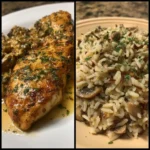
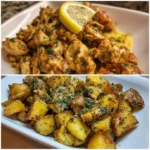
- Classic pairings: creamy mashed potatoes (soaks up sauce), lemon-herb orzo, buttered egg noodles, roasted fingerling potatoes, or simple steamed green beans. For low-carb: cauliflower rice, zucchini ribbons, or a crisp arugula salad with lemon vinaigrette.
- Can I use bottled lemon juice?
- Fresh is strongly preferred—the volatile oils in zest and nuanced acidity in fresh juice are irreplaceable. Bottled juice lacks brightness and can taste metallic or flat. If absolutely necessary, use only 100% pure juice, and double the zest to compensate.
- How do I store and reheat leftovers?
- Store chicken and sauce together in airtight container up to 3 days. Reheat gently in skillet over low heat, adding 1 tsp broth or cream to loosen. Microwave reheating is possible but may cause sauce to separate—stir halfway and cover with damp paper towel.
- Is there a way to make it spicier?
- Yes! Add ¼ tsp red pepper flakes with garlic, or stir in 1 tsp harissa paste or chipotle in adobo (minced) at the sauce-finishing stage. For freshness, top with pickled jalapeños.
- Can I use chicken tenders or cutlets?
- Yes—reduce sear time to 2–3 minutes per side. They cook faster and can dry out easily, so monitor closely and rest briefly (3–5 minutes).
- What wine pairs well with this dish?
- Choose high-acid, medium-bodied whites: unoaked Chardonnay, Vermentino, or Albariño complement the lemon-cream richness without overwhelming. For red lovers, try a chilled, low-tannin Pinot Noir.
- Why do you recommend stainless steel or cast iron?
- These materials develop superior fond (browned bits), which is essential for deep, savory flavor in the sauce. Nonstick pans inhibit browning and produce less flavorful fond, resulting in a flatter-tasting dish.
Summary
Garlic Butter Chicken with Lemon Cream Sauce is a masterclass in balancing richness and brightness—tender, perfectly seared chicken enveloped in a velvety, aromatic sauce where slow-cooked garlic, cold-butter finish, fresh lemon zest and juice, and luxurious cream converge in harmonious elegance.
Simple in technique yet profound in flavor, it’s endlessly adaptable for dietary needs, global inspirations, and occasion—from cozy family supper to celebratory centerpiece—proving that extraordinary meals begin with thoughtful ingredients and patient, intentional cooking.