Introduction
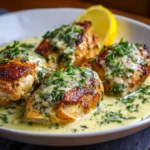
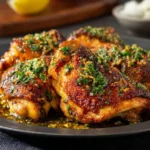
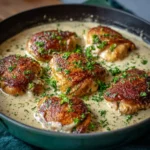
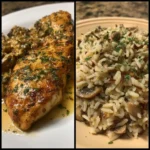
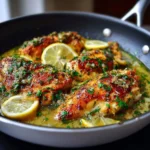
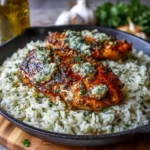
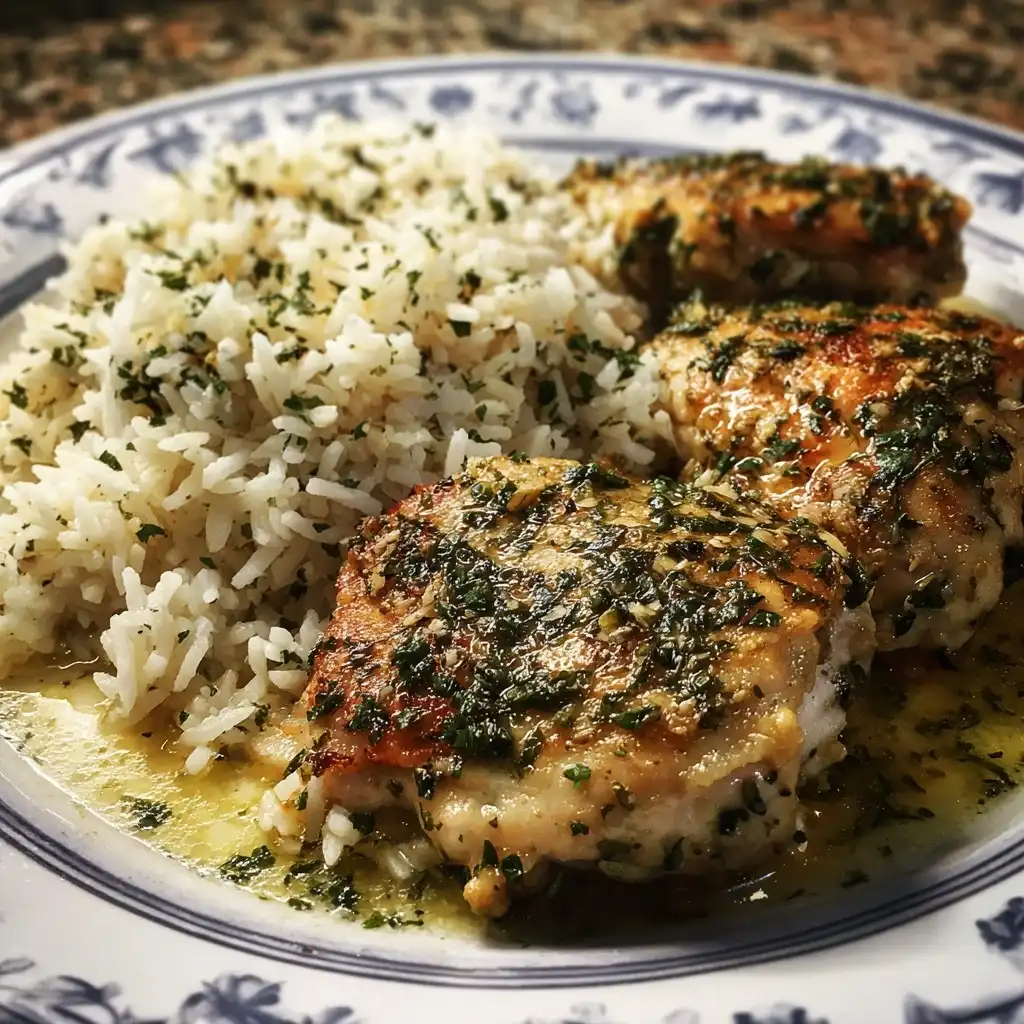
Garlic Butter Chicken with Herbed Rice is a restaurant-quality, comfort-food classic reimagined for the home kitchen—elegant yet approachable, deeply flavorful yet surprisingly simple to prepare. This dish marries tender, pan-seared chicken breasts (or thighs) with a luxuriously rich, aromatic garlic butter sauce infused with fresh herbs, lemon zest, and a hint of white wine or broth for balance. Served atop a fragrant bed of fluffy herbed rice—steeped in thyme, parsley, chives, and a whisper of garlic—it delivers layers of savory depth, bright acidity, and herbaceous freshness in every bite. Whether you’re preparing an impressive weeknight dinner for family, hosting a relaxed Sunday supper, or seeking a meal that feels indulgent without excessive effort, this recipe strikes the perfect harmony between sophistication and accessibility. Its versatility, forgiving technique, and crowd-pleasing profile make it a true cornerstone of modern home cooking.
The History
While no single documented origin claims exclusive authorship of “Garlic Butter Chicken,” its roots are deeply embedded in centuries-old culinary traditions across Europe and the Mediterranean. Garlic and butter have long been foundational flavor pairings—butter, prized in French and Northern European cuisines for its richness and emulsifying power, and garlic, revered since ancient Egyptian times for both medicinal properties and pungent savor. The classic chicken à la provençale from Southern France often features garlic, tomatoes, and herbs; meanwhile, Italian pollo al burro e aglio emphasizes browned butter and roasted garlic. In mid-20th-century America, the rise of “continental cuisine” in suburban kitchens popularized simplified versions—often using boneless, skinless chicken breasts, quick-cooking techniques, and accessible pantry staples like dried herbs and bottled lemon juice. The herbed rice component reflects global rice pilaf traditions—from Persian tahdig-inspired crisp edges to Middle Eastern mujaddara-adjacent herb infusions—and evolved alongside the American embrace of “elevated sides” in the 1980s and ’90s. Today’s Garlic Butter Chicken with Herbed Rice represents a joyful synthesis: French technique (monter au beurre), Mediterranean aromatics, American convenience, and contemporary emphasis on fresh, vibrant, whole-food ingredients—all refined through decades of home cook experimentation, food blog iteration, and viral social media adaptation.
Ingredients Breakdown
Understanding each ingredient’s role elevates not just execution—but intuition—in the kitchen. Below is a comprehensive functional breakdown:
- Chicken Breasts (or Thighs): Boneless, skinless chicken breasts offer lean tenderness and quick cooking; thighs provide superior moisture, richer flavor, and greater forgiveness against overcooking. Uniform thickness ensures even searing and internal doneness.
- Unsalted Butter: Used in two stages—first for high-heat searing (clarified or ghee preferred for smoke point), then added at the end for silkiness and flavor. Unsalted allows precise sodium control. European-style (82–85% fat) yields creamier emulsions.
- Fresh Garlic: Minced or finely grated—never powdered. Allicin compounds release at low-medium heat; high heat too early causes bitterness. Raw garlic adds sharpness; gently sautéed garlic contributes sweetness and depth.
- Dry White Wine (e.g., Sauvignon Blanc or Pinot Grigio): Adds acidity, fruit notes, and deglazing power. Non-alcoholic substitute: equal parts low-sodium chicken broth + ½ tsp white wine vinegar + pinch of sugar.
- Lemon Juice & Zest: Juice provides bright, balancing acidity; zest contributes volatile citrus oils—intense aroma and complexity without excess liquid.
- Fresh Herbs (Parsley, Thyme, Chives, Oregano): Parsley brings grassy freshness and visual pop; thyme offers earthy, floral backbone; chives lend mild onion essence; oregano adds subtle Mediterranean warmth. Dried herbs may substitute but require ⅓ the volume and earlier addition to rehydrate.
- Aromatics (Shallots or Yellow Onion): Finely diced shallots offer delicate sweetness and nuanced allium depth; yellow onions deliver heartier, caramelizable flavor.
- Chicken Broth (Low-Sodium): Enhances umami and body without overwhelming salt. Homemade or high-quality store-bought preferred—avoid bouillon cubes with MSG or excessive sodium.
- Long-Grain White Rice (e.g., Jasmine or Basmati): Chosen for light, separate grains and subtle floral/nutty fragrance. Rinsing removes surface starch for fluffier texture. Parboiling or absorption method both work—herbs infused during cooking yield deeper integration than garnishing after.
- Olive Oil (Extra Virgin or Light): Used for initial searing—light olive oil has higher smoke point; extra virgin adds fruitiness if heat remains moderate.
- Seasonings (Kosher Salt, Black Pepper, Paprika, Optional Red Pepper Flakes): Kosher salt adheres better and seasons more evenly than table salt. Freshly cracked black pepper adds floral heat. Smoked paprika deepens color and complexity; red pepper flakes offer controlled heat.
Step-by-Step Recipe
- Prep the Chicken: Place chicken breasts between two sheets of parchment or plastic wrap. Gently pound to ½-inch uniform thickness using a meat mallet or heavy skillet. Pat *extremely* dry with paper towels—this ensures golden sear, not steam. Season both sides generously with kosher salt, black pepper, and optional smoked paprika.
- Make the Herb-Infused Rice: Rinse 1½ cups jasmine rice under cold water until runoff is clear. In a medium saucepan, heat 1 tbsp olive oil over medium. Sauté 2 minced shallots and 2 minced garlic cloves until soft (2 min). Stir in 1 tsp chopped fresh thyme, ½ tsp dried oregano, and rinsed rice; toast 1 minute until translucent. Add 2¾ cups low-sodium chicken broth, 1 bay leaf, and a pinch of salt. Bring to boil, cover, reduce heat to low, and simmer 15 minutes. Remove from heat; let steam, covered, 10 minutes. Fluff with fork, then fold in 3 tbsp butter, ¼ cup chopped parsley, 2 tbsp chopped chives, zest of 1 lemon, and 1 tsp lemon juice. Cover and keep warm.
- Sear the Chicken: Heat 1 tbsp light olive oil and 1 tbsp unsalted butter in a large stainless steel or cast-iron skillet over medium-high heat until butter foam subsides and oil shimmers (~375°F). Carefully place chicken in skillet without crowding. Sear undisturbed 5–6 minutes until deeply golden and easily releases. Flip; sear opposite side 4–5 minutes until internal temperature reaches 155–158°F (carryover will reach 165°F). Transfer to a plate; tent loosely with foil.
- Build the Sauce: Reduce heat to medium. Add 2 tbsp minced garlic and ¼ cup finely diced shallots to same skillet; sauté 1 minute until fragrant (do not brown). Pour in ½ cup dry white wine, scraping vigorously to lift browned bits (fond). Simmer 2 minutes until reduced by half. Stir in 1 cup low-sodium chicken broth, 1 tbsp lemon juice, and 1 tsp lemon zest. Simmer 3–4 minutes until slightly thickened.
- Finish with Butter & Herbs: Reduce heat to low. Whisk in 4 tbsp cold unsalted butter, one tablespoon at a time, allowing each to melt fully before adding next. Sauce should emulsify into glossy, velvety consistency. Stir in ¼ cup chopped fresh parsley, 1 tbsp chopped chives, 1 tsp fresh thyme leaves, and optional ¼ tsp red pepper flakes. Taste and adjust: more lemon for brightness, salt for depth, or a splash of broth if too thick.
- Rest & Serve: Return chicken to skillet, spooning sauce over top. Let rest 3 minutes—this allows juices to redistribute and sauce to cling. Spoon generous portions of herbed rice onto warm plates, top with chicken, and drape with abundant sauce. Garnish with extra parsley, lemon wedges, and a final sprinkle of flaky sea salt.
Tips
- Pounding Perfection: Always pound chicken to even thickness—not just for speed, but for structural integrity. Uneven pieces curl, cook unevenly, and tear when flipped. Use the flat side of the mallet, not the ridged side, for smooth, consistent thinning.
- Dry Surface = Golden Crust: Moisture is the enemy of browning. Pat chicken *twice*: once before seasoning, again right before it hits the pan. Let seasoned chicken sit 5 minutes uncovered—surface moisture evaporates further.
- Thermometer Essential: Visual cues deceive. A 155°F internal reading at removal ensures juicy, tender chicken every time—even if slightly pink near the bone (safe per USDA guidelines). Overcooking past 165°F guarantees dryness.
- Butter Emulsion Mastery: Cold butter + low heat + constant whisking = stable emulsion. If sauce breaks (looks greasy or separates), remove from heat, add 1 tsp cold water, and whisk vigorously until recombined.
- Rice Texture Control: For firmer, drier rice (ideal for saucy dishes), use a 1:1.5 rice-to-liquid ratio. For creamier rice, use 1:1.75. Always rinse rice thoroughly—the starch removal prevents gummy clumping.
- Herb Timing Matters: Delicate herbs (parsley, chives, basil) lose vibrancy when cooked too long. Stir in *after* sauce is off heat—or reserve half for garnish. Hardy herbs (rosemary, thyme, oregano) benefit from early infusion.
- Make-Ahead Strategy: Cook rice up to 2 days ahead; refrigerate in airtight container. Reheat gently with 1 tbsp broth per cup rice. Sauce base (without butter/herbs) can be made 1 day ahead—reheat, then finish with butter and fresh herbs.
- Sear Pan Selection: Stainless steel gives best fond for deglazing. Cast iron retains heat superbly but requires proper preheating. Nonstick pans won’t develop adequate fond—skip for this recipe.
- Lemon Zest First, Then Juice: Zest lemons *before* juicing—they’re easier to grip and yield more oil. Use a microplane, not a grater, to avoid bitter pith.
- Resting Is Non-Negotiable: Skipping the 3-minute rest lets precious juices pool on the plate instead of staying in the meat. Tent loosely—tight foil steams the crust.
Variations and Customizations
This recipe is a canvas—not a cage. Adapt freely based on preference, seasonality, dietary needs, or pantry inventory:
- Protein Swaps: Try bone-in, skin-on chicken thighs (increase sear time to 8 min/side); salmon fillets (reduce sear to 4 min/side, omit wine, use dill instead of thyme); shrimp (sauté 2 min/side, add at sauce finish); or plant-based options like seared king oyster mushrooms or marinated tofu cutlets.
- Global Twists: Mediterranean: Add sun-dried tomatoes, kalamata olives, and crumbled feta to sauce. Asian-Inspired: Swap lemon for yuzu or rice vinegar; add grated ginger, scallions, and toasted sesame oil; serve over coconut jasmine rice. Latin Fusion: Use lime instead of lemon; add cilantro, jalapeño, and a dash of chipotle adobo sauce.
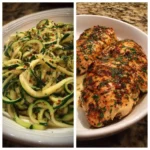
- Dietary Adjustments: Gluten-Free: Ensure broth and wine are certified GF. Dairy-Free: Replace butter with high-quality vegan butter (Miyoko’s or Country Crock Plant Butter) and finish with avocado oil. Keto/Low-Carb: Serve over cauliflower “rice” sautéed with garlic, herbs, and butter—or zucchini noodles tossed in sauce.
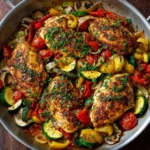
- Vegetable Integration: Sauté asparagus tips, cherry tomatoes, or spinach directly into the sauce after deglazing. Roast seasonal vegetables (Brussels sprouts, carrots, bell peppers) alongside chicken for a sheet-pan variation.
- Sauce Enhancements: Stir in 2 tsp Dijon mustard for tangy depth; swirl in 1 tbsp capers for briny brightness; add ¼ cup grated Parmesan for umami richness; or finish with 1 tsp truffle oil for luxury.
- Rice Alternatives: Farro pilaf with roasted garlic and rosemary; quinoa cooked in vegetable broth with lemon and mint; wild rice blend with toasted pecans and dried cranberries; or creamy risotto with arborio rice, white wine, and finished butter.
- Meal Prep Friendly: Double the sauce and rice; portion into containers. Chicken reheats best separately—gently warm in skillet with splash of broth to revive texture. Sauce freezes beautifully for up to 3 months.
- One-Pan Wonder: After searing chicken, remove and set aside. Sauté vegetables in same pan, then return chicken, pour sauce over all, cover, and bake at 375°F for 15 minutes until chicken hits 165°F.
Health Considerations and Nutritional Value
Garlic Butter Chicken with Herbed Rice can be a nutrient-dense, balanced meal when prepared mindfully. A standard serving (one 6-oz chicken breast, 1 cup cooked herbed rice, and ¼ cup sauce) contains approximately:
- Calories: ~520–580 kcal (varies by butter/oil amount and rice portion)
- Protein: ~42g (excellent source—supports muscle maintenance and satiety)
- Carbohydrates: ~48g (primarily complex carbs from rice; fiber ~1g unless brown rice used)
- Fat: ~24g (mostly unsaturated from olive oil and butter; includes beneficial short-chain fatty acids and fat-soluble vitamin carriers)
- Sodium: ~480–620mg (controllable by using low-sodium broth and limiting added salt—well within daily limit of 2,300mg)
- Vitamins & Minerals: Rich in B6 and B12 (chicken), selenium (immune support), vitamin C (lemon), vitamin K (parsley), folate (thyme), and antioxidants from garlic (allicin) and herbs (polyphenols).
Health Highlights:
- Garlic Benefits: Clinically studied for cardiovascular support, antimicrobial activity, and anti-inflammatory effects—maximized when crushed and allowed to sit 10 minutes before cooking.
- Lemon Power: Vitamin C enhances non-heme iron absorption (especially helpful if serving with leafy greens) and supports collagen synthesis.
- Herb Antioxidants: Fresh thyme contains thymol (antiseptic, anti-spasmodic); parsley is exceptionally high in vitamin K1 (critical for bone and vascular health).
- Smart Swaps for Wellness: Use half butter/half olive oil to reduce saturated fat; opt for brown or black rice for triple the fiber and slower glucose release; add 1 cup steamed broccoli or kale to boost phytonutrients without significant calorie increase.
- Considerations: Those managing hypertension should monitor sodium via broth and added salt. Individuals with GERD may find high-fat sauces trigger symptoms—reduce butter to 2 tbsp and add 1 tbsp Greek yogurt at finish for creaminess without heaviness. For lactose sensitivity, clarified butter (ghee) is naturally lactose-free.
Ingredients
For the Herbed Rice:
- 1½ cups jasmine or basmati rice, rinsed well
- 2¾ cups low-sodium chicken broth (or vegetable broth for vegetarian version)
- 1 tbsp extra-virgin olive oil or light olive oil
- 2 shallots, finely diced (or ½ small yellow onion)
- 2 garlic cloves, minced
- 1 tsp fresh thyme leaves (or ½ tsp dried)
- ½ tsp dried oregano
- 1 bay leaf
- 3 tbsp unsalted butter
- ¼ cup fresh flat-leaf parsley, finely chopped
- 2 tbsp fresh chives, finely chopped
- Zest of 1 lemon
- 1 tsp fresh lemon juice
- ¼ tsp kosher salt (adjust to taste)
For the Garlic Butter Chicken:
- 2 (6–7 oz) boneless, skinless chicken breasts (or 4 thighs)
- 1½ tsp kosher salt, divided
- 1 tsp freshly ground black pepper, divided
- ½ tsp smoked paprika (optional, for depth)
- 1 tbsp light olive oil
- 2 tbsp unsalted butter (for searing)
- ¼ cup finely diced shallots (or yellow onion)
- 2 tbsp fresh garlic, finely minced or grated (about 6 cloves)
- ½ cup dry white wine (e.g., Sauvignon Blanc, Pinot Grigio)
- 1 cup low-sodium chicken broth
- 1 tbsp fresh lemon juice
- Zest of 1 lemon
- 4 tbsp cold unsalted butter, cubed
- ¼ cup fresh flat-leaf parsley, finely chopped
- 1 tbsp fresh chives, finely chopped
- 1 tsp fresh thyme leaves
- ¼ tsp red pepper flakes (optional)
- Flaky sea salt (for finishing)
- Lemon wedges (for serving)
Directions
- Prepare the Rice: Rinse rice in a fine-mesh strainer under cold water until water runs clear. Set aside to drain. Heat olive oil in a medium saucepan over medium heat. Add shallots and garlic; sauté 2 minutes until softened but not browned. Stir in thyme and oregano; cook 30 seconds until fragrant. Add rinsed rice; stir constantly for 1 minute to coat and toast grains. Pour in broth, add bay leaf and a pinch of salt. Bring to a vigorous boil. Cover tightly, reduce heat to lowest setting, and simmer 15 minutes. Remove from heat (keep covered) and let steam undisturbed for 10 minutes. Discard bay leaf. Fluff rice with a fork, then gently fold in 3 tbsp butter, parsley, chives, lemon zest, lemon juice, and remaining ¼ tsp salt. Cover and keep warm.
- Prep Chicken: Place chicken breasts between two sheets of parchment paper. Using a meat mallet or heavy-bottomed pan, pound gently to ½-inch even thickness. Pat *very* dry with paper towels. Season both sides with 1 tsp salt, ½ tsp pepper, and smoked paprika (if using).
- Sear Chicken: Heat olive oil and 2 tbsp butter in a large skillet (stainless or cast iron) over medium-high heat. When butter foam subsides and oil shimmers, carefully add chicken without crowding. Sear undisturbed 5–6 minutes until deeply golden and easily releases. Flip; sear 4–5 minutes more until internal temperature reads 155–158°F. Transfer to a plate; tent loosely with foil.
- Build Sauce Base: Reduce heat to medium. Add shallots to same skillet; sauté 1 minute. Add garlic; stir 1 minute until fragrant (do not brown). Pour in wine, scraping bottom vigorously to lift all browned bits. Simmer 2 minutes until reduced by half. Stir in broth, lemon juice, and lemon zest. Simmer 3–4 minutes until slightly thickened and reduced to ~1¼ cups.
- Emulsify Sauce: Reduce heat to low. Whisk in cold butter, one tablespoon at a time, waiting until each is fully melted and incorporated before adding the next. Sauce should become glossy and coat the back of a spoon. Remove from heat. Stir in parsley, chives, thyme, red pepper flakes (if using), and remaining ½ tsp pepper. Taste and adjust—add salt only if needed.
- Combine & Rest: Return chicken to skillet, spooning sauce over top. Let rest 3 minutes to allow juices to settle and sauce to adhere. Gently shake pan to distribute sauce.
- Serve: Spoon generous portions of herbed rice onto warmed plates. Top with chicken, then ladle abundant sauce over both. Garnish with extra parsley, lemon wedges, and a light sprinkle of flaky sea salt. Serve immediately.
FAQ
- Can I use frozen chicken?
- Yes—but thaw completely in the refrigerator overnight. Never cook partially frozen chicken, as it will steam rather than sear and cook unevenly. Pat *extra* dry to compensate for freezer moisture.
- Why does my garlic butter sauce break or look greasy?
- Sauce breaks due to overheating, adding butter too quickly, or insufficient emulsification. Fix it: Remove from heat, add 1 tsp cold water or broth, and whisk vigorously. Next time, ensure butter is cold, heat is low, and whisk constantly.
- Can I make this dairy-free?
- Absolutely. Substitute high-fat vegan butter (like Miyoko’s or Earth Balance) for all butter. Use olive oil for searing. For richness, stir in 1 tbsp nutritional yeast or 2 tsp cashew cream at the end.
- What’s the best rice to use—and can I use brown rice?
- Jasmine or basmati offer ideal fragrance and texture. Brown rice works but requires longer cooking (45 min) and more liquid (1:2.25 ratio). Toast it first, then simmer covered—infuse herbs in the broth, not the pan, to prevent burning.
- Can I prepare this ahead for meal prep?
- Yes! Cook rice and sauce base (without butter/herbs) up to 3 days ahead. Store separately in airtight containers in the fridge. Reheat sauce gently, then finish with cold butter and fresh herbs. Chicken is best cooked fresh, but can be seared ahead and reheated in sauce.
- My chicken came out dry—what went wrong?
- Most common causes: overcooking (check temp—remove at 155°F), skipping the rest (let sit 3+ minutes), or starting with overly lean, previously frozen breasts. Try thighs for foolproof juiciness, or brine breasts 30 minutes in ¼ cup salt + 2 cups water before cooking.
- Is garlic butter chicken healthy?
- It can be—especially with mindful tweaks. Garlic, lemon, and herbs deliver potent antioxidants; chicken provides lean protein; and controlled butter use adds satiating fats. Boost nutrition by adding vegetables, choosing whole grains, and limiting added sodium.
- Can I freeze leftovers?
- Sauce (without herbs) and cooked rice freeze well for up to 3 months. Chicken freezes but may become slightly less tender upon reheating. Thaw overnight in fridge; reheat gently in skillet with broth to restore moisture.
- What wine should I use—and do I need alcohol?
- Choose a dry, crisp white you’d drink—Sauvignon Blanc, Pinot Grigio, or unoaked Chardonnay. No alcohol? Use ½ cup broth + 1 tsp white wine vinegar + ½ tsp sugar to mimic acidity and depth.
- How do I get restaurant-level browning on the chicken?
- Key steps: Pat chicken *bone-dry*, preheat pan until shimmering hot, avoid moving it for full 5–6 minutes, and resist overcrowding (cook in batches if needed). A well-seasoned cast-iron or heavy stainless pan makes all the difference.
Summary
Garlic Butter Chicken with Herbed Rice is a masterclass in balanced, elegant home cooking—featuring perfectly seared, juicy chicken enveloped in a velvety, aromatic sauce of garlic, lemon, white wine, and fresh herbs, all served over fragrant, buttery rice infused with thyme, parsley, chives, and citrus zest. With its adaptable technique, nutritionally thoughtful foundation, and endless customization potential, it’s a timeless, weeknight-to-weekend staple that consistently delivers restaurant-worthy satisfaction with comforting familiarity.