Introduction
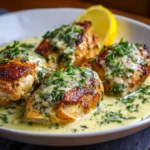
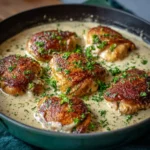
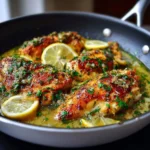
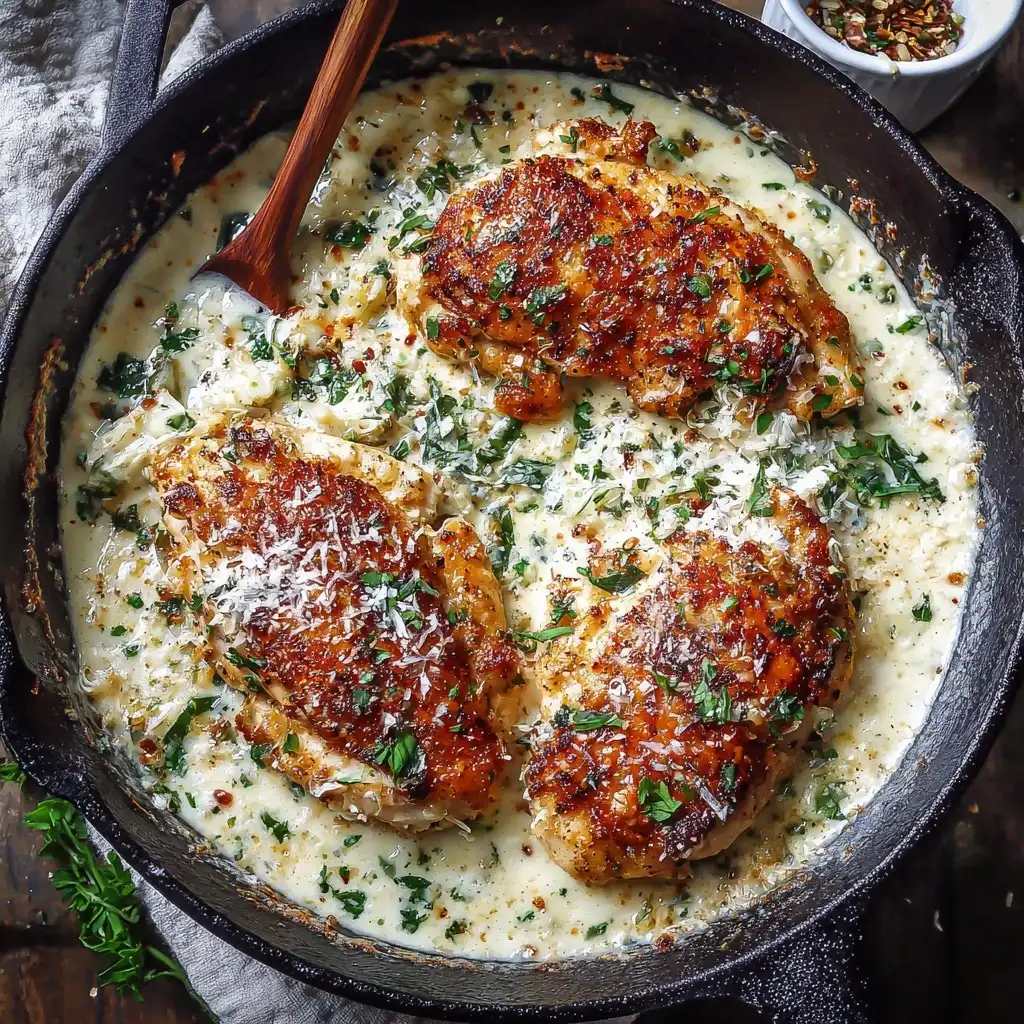
Garlic Butter Chicken with Garlic Parmesan Sauce is a restaurant-worthy, comfort-food classic that delivers bold, aromatic flavors in every bite. Rich, creamy, and deeply savory—with golden seared chicken breasts nestled in a luxuriously velvety sauce infused with roasted garlic, fresh herbs, and sharp, nutty Parmesan—it’s the kind of dish that transforms weeknight dinners into special occasions. Whether you’re cooking for family, impressing guests, or simply treating yourself to something deeply satisfying, this recipe balances elegance and ease: minimal prep, one-pan versatility (with optional oven finish), and ingredients you likely already have in your pantry. Its irresistible aroma—warm butter, caramelized garlic, and toasted cheese—fills your kitchen long before the first forkful, promising both indulgence and authenticity.
The History
While no single documented origin exists for “Garlic Butter Chicken,” its roots are deeply embedded in centuries-old culinary traditions across Europe and the Mediterranean. Butter-based sauces enriched with garlic trace back to French beurre blanc and Provençal aioli, where garlic was revered not only for flavor but also for its medicinal properties. In Italy, the marriage of garlic, butter (or olive oil), and aged cheeses like Parmigiano-Reggiano appears in rustic preparations such as pollo al burro e aglio—a northern Italian adaptation influenced by French techniques during the Renaissance culinary exchange. The modern American iteration gained widespread popularity in the 1970s–80s alongside the rise of “butter-basted” proteins on TV cooking shows and in upscale casual dining—think early Cheesecake Factory or Olive Garden menus—where rich, approachable, shareable dishes dominated. The addition of heavy cream and a double dose of garlic (raw + roasted or sautéed) reflects contemporary American preferences for layered umami and textural contrast. Today, it stands as a beloved global fusion staple—honoring Old World technique while embracing New World abundance and convenience.
Ingredients Breakdown
Every element in this recipe serves a distinct functional and sensory purpose—no filler, no afterthought. Let’s explore why each ingredient matters:
- Chicken Breasts (boneless, skinless): Opt for air-chilled, antibiotic-free, and preferably brined or pre-brined (many store brands now offer this). Thickness matters—aim for 6–8 oz each and about ¾-inch thick. Too thin = dry; too thick = uneven cook. Pounding to even thickness ensures rapid, uniform searing and locks in moisture via the Maillard reaction.
- Unsalted Butter: The soul of the sauce. European-style (82–86% fat) yields superior richness and nuttier flavor when browned. Unsalted gives full sodium control—critical since Parmesan and broth add significant salt.
- Fresh Garlic: Non-negotiable. Pre-minced or jarred lacks enzymatic depth and can turn bitter when heated. Use 8–10 large cloves—half finely minced for immediate pungency, half lightly crushed and simmered whole in the sauce for mellow, sweet complexity.
- Dry White Wine (e.g., Sauvignon Blanc or Pinot Grigio): Adds bright acidity to cut through fat and lift the sauce. Alcohol evaporates, leaving only nuanced fruit and mineral notes. Substitute with additional low-sodium chicken broth + ½ tsp white wine vinegar if avoiding alcohol.
- Low-Sodium Chicken Broth: Provides savory depth (umami) without overwhelming salt. Bone-in, homemade stock adds collagen for silkier mouthfeel—but high-quality store-bought works beautifully when reduced properly.
- Heavy Cream (36–40% milk fat): Essential for emulsification and lush texture. Lower-fat alternatives (half-and-half, whole milk) will break or thin the sauce; coconut cream may work for dairy-free but alters flavor profile significantly.
- Parmigiano-Reggiano (freshly grated): Not “Parmesan cheese” from a green can. Authentic DOP-certified Italian Parmigiano-Reggiano contains natural enzymes that melt smoothly and deliver crystalline umami bursts. Pre-grated versions contain anti-caking agents (cellulose) that impede melting and mute flavor.
- Fresh Herbs (Parsley & Thyme): Flat-leaf parsley adds grassy freshness and visual pop; thyme contributes earthy, floral notes that complement garlic’s warmth. Add parsley at the end—heat destroys its volatile oils. Thyme stems can be added during simmering and removed before serving.
- Lemon Zest & Juice: A secret weapon. Zest adds bright citrus oil aroma without acidity; juice stirred in *off heat* preserves brightness and prevents curdling. Balances fat and enhances perception of saltiness without adding sodium.
- Arrowroot or Cornstarch Slurry (optional but recommended): For those preferring a slightly thicker, clingier sauce—especially when serving over pasta or rice. Unlike flour, arrowroot tolerates dairy well and remains clear and glossy when cooled.
Step-by-Step Recipe
- Prep & Brine (15 min, optional but transformative): Place chicken breasts in a shallow dish. Whisk together 2 cups cold water, 2 tbsp kosher salt, and 1 tbsp brown sugar. Submerge chicken, cover, and refrigerate 15–30 minutes. Rinse thoroughly, then pat *extremely* dry with paper towels—moisture is the enemy of sear.
- Season & Pound: Lightly season both sides with black pepper (hold salt until after brining). Place between two sheets of parchment or plastic wrap. Using a meat mallet or heavy skillet, gently pound to ¾-inch uniform thickness. This ensures tenderness and even cooking.
- Sear the Chicken: Heat 1 tbsp high-smoke-point oil (avocado or grapeseed) in a large stainless steel or cast-iron skillet over medium-high heat until shimmering. Add chicken; do not crowd—cook in batches if needed. Sear undisturbed 5–6 minutes until deeply golden and easily releases from pan. Flip and cook 4–5 more minutes until internal temp reaches 155°F (it will carry over to 160–165°F). Transfer to a clean plate, tent loosely with foil, and rest 5 minutes.
- Build the Aromatics: Reduce heat to medium-low. Add 3 tbsp unsalted butter. Once melted and foaming subsides, add 5 minced garlic cloves and 3 crushed whole cloves. Sauté 60–90 seconds until fragrant but *not browned*. Stir in 1 tsp fresh thyme leaves (or ½ tsp dried).
- Deglaze & Reduce: Pour in ½ cup dry white wine, scraping vigorously with a wooden spoon to lift all golden brown fond (those caramelized bits = flavor gold). Simmer 2–3 minutes until wine reduces by half and smells fruity and sharp—not boozy.
- Enrich the Base: Add 1 cup low-sodium chicken broth. Bring to gentle simmer and cook 4–5 minutes until reduced by ~⅓ and slightly syrupy. Stir in ½ cup heavy cream and return to bare simmer.
- Incorporate Cheese: Reduce heat to low. Gradually whisk in ¾ cup freshly grated Parmigiano-Reggiano, 2 tbsp at a time, allowing each addition to fully melt before adding more. Avoid boiling—heat above 175°F risks graininess or separation.
- Finish & Refine: Stir in lemon zest, 1 tsp lemon juice, and remaining 1 tbsp butter for extra gloss and richness. Taste and adjust: more lemon for brightness, black pepper for warmth, or a pinch of flaky sea salt *only if needed*. Remove whole garlic cloves and thyme stems.
- Reunite & Serve: Return rested chicken to pan, spooning sauce generously over each breast. Warm gently 1–2 minutes (do not boil). Garnish with 2 tbsp chopped fresh flat-leaf parsley, extra lemon zest, and a final dusting of Parmigiano-Reggiano.
Tips
- Dry Chicken = Golden Chicken: Patting chicken bone-dry isn’t optional—it’s the #1 factor for achieving a flawless, non-steaming sear. Wet surfaces steam instead of brown.
- Brown Butter Hack: For deeper nuttiness, brown 1 tbsp of the butter separately in a small pan until golden and fragrant (about 2–3 min), then stir it in at the very end—just before garnishing.
- Garlic Control: To prevent bitterness, never let minced garlic sit in hot fat longer than 90 seconds. If using a powerful stove, reduce heat to medium during sautéing.
- Sauce Consistency Rescue: If sauce is too thin: Simmer 1–2 more minutes, or whisk in 1 tsp arrowroot slurry (1 tsp arrowroot + 1 tbsp cold water), then heat gently 30 sec. If too thick: Stir in warm broth, 1 tbsp at a time, until desired pourable-but-coating consistency is reached.
- Resting is Non-Negotiable: Resting chicken for 5 minutes allows juices to redistribute. Cutting too soon releases precious moisture—leaving chicken dry despite perfect cooking.
- Make-Ahead Friendly: Sauce base (without cream, cheese, or lemon) can be made 2 days ahead and refrigerated. Reheat gently, then finish with dairy and acid.
- Leftover Magic: Extra sauce freezes beautifully for up to 3 months. Thaw overnight, reheat slowly, and whisk in fresh lemon juice and parsley before serving.
- Pan Choice Matters: Stainless steel offers best fond development; cast iron retains heat superbly; nonstick prevents sticking but limits browning. Avoid aluminum—it reacts with acidic wine and lemon.
Variations and Customizations
Protein Swaps
- Chicken Thighs: More forgiving and flavorful—use boneless, skinless thighs. Sear 6–7 min per side; cook to 165°F. Adds subtle gaminess and extra fat for richer sauce integration.
- Shrimp or Scallops: Sear 1–2 min per side, remove, then proceed with sauce. Add seafood back in last 30 seconds to warm through—overcooking makes them rubbery.
- Veal Scaloppine: A luxurious Italian twist—thinly pounded veal cooks in under 90 seconds per side and pairs exquisitely with garlic-parmesan.
Sauce & Flavor Twists
- Roasted Garlic Version: Roast 1 whole head of garlic (drizzled with olive oil, wrapped in foil) at 400°F for 40 min. Squeeze soft cloves into sauce just before adding cream—adds profound sweetness and velvet texture.
- Herb-Forward: Add 1 tbsp chopped fresh tarragon or chives with parsley. Tarragon lends subtle anise nuance; chives bring mild onion freshness.
- Spicy Kick: Stir in ¼ tsp red pepper flakes with garlic, or finish with pickled jalapeño ribbons and a drizzle of chili oil.
- Umami Bomb: Add 1 tsp white miso paste (whisked into warm broth) or ½ tsp fish sauce (added with lemon juice) for deep, savory complexity—undetectable individually but elevates everything.
- Creamy Mushroom: Sauté 8 oz sliced cremini mushrooms in 1 tbsp butter until golden before adding garlic—adds meaty depth and earthy resonance.
Dietary Adaptations
- Dairy-Free: Substitute vegan butter (Miyoko’s or Forager), full-fat coconut milk (canned, not beverage), and nutritional yeast (3 tbsp) + ½ tsp garlic powder + ¼ tsp onion powder for “cheesy” depth. Omit cream; use coconut milk reduction.
- Gluten-Free: Naturally GF—just verify broth and wine labels (some wines use gluten-containing fining agents; most major brands are safe).
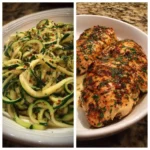
- Lower-Carb/Keto: Serve over zucchini noodles, cauliflower rice, or shirataki noodles. Increase healthy fats—add 1 tbsp olive oil to sauce or top with toasted pine nuts.
- Lighter Version: Replace half the heavy cream with whole milk + 1 tsp cornstarch; use 2 tbsp butter instead of 4; boost garlic and herbs for volume without calories.
Health Considerations and Nutritional Value
(Per serving, based on 4 servings: 1 chicken breast + ⅔ cup sauce)
- Calories: ~520 kcal — Balanced between lean protein (38g), healthy fats (32g), and minimal carbs (3g). Fat comes primarily from unsaturated sources (olive oil, butter’s CLA, Parmesan’s conjugated linoleic acid).
- Protein Quality: Chicken breast provides all 9 essential amino acids in optimal ratios—supporting muscle synthesis, satiety, and metabolic health. Pairing with Parmesan further boosts leucine content, critical for muscle maintenance.
- Gut-Friendly Garlic: Raw and cooked garlic contains allicin (when crushed and rested) and diallyl sulfide—compounds shown in clinical studies to support microbiome diversity, reduce inflammation, and improve endothelial function.
- Parmesan Benefits: Naturally lactose-free after aging; rich in calcium (20% DV), phosphorus, vitamin K2 (menaquinone-7), and bioactive peptides linked to blood pressure regulation.
- Considerations: High sodium potential—controlled via low-sodium broth, no-added-salt butter, and mindful Parmesan use. Those with GERD or IBS may experience sensitivity to high-fat, high-garlic meals—portion control and pairing with alkaline veggies (steamed broccoli, spinach) helps mitigate.
- Nutrient Synergy Tip: Vitamin C from lemon juice enhances non-heme iron absorption from any leafy greens served alongside—making this a nutritionally intelligent centerpiece, not just a treat.
Ingredients
- 2 (6–8 oz) boneless, skinless chicken breasts, evenly pounded to ¾-inch thickness
- 1½ tsp kosher salt (plus more to taste, if needed)
- 1½ tsp freshly ground black pepper, divided
- 1 tbsp avocado or grapeseed oil
- 4 tbsp unsalted butter, divided
- 8 large garlic cloves: 5 finely minced, 3 lightly crushed (skins on)
- 1 tsp fresh thyme leaves (or ½ tsp dried)
- ½ cup dry white wine (Sauvignon Blanc or Pinot Grigio)
- 1 cup low-sodium chicken broth
- ½ cup heavy cream (36–40% fat)
- ¾ cup freshly grated Parmigiano-Reggiano (not pre-grated)
- Zest of 1 lemon + 1 tsp fresh lemon juice
- 2 tbsp chopped fresh flat-leaf parsley
- Flaky sea salt (such as Maldon), for finishing (optional)
Directions
- Brine & Prep Chicken: In a bowl, combine 2 cups cold water, 2 tbsp kosher salt, and 1 tbsp brown sugar. Submerge chicken, cover, and refrigerate 15–30 minutes. Rinse well, then pat *extremely* dry with paper towels. Season both sides with 1 tsp kosher salt and 1 tsp black pepper. Pound gently to uniform ¾-inch thickness.
- Sear Chicken: Heat oil in a large stainless or cast-iron skillet over medium-high heat until shimmering. Add chicken (don’t crowd) and sear 5–6 minutes per side until deeply golden and internal temperature reaches 155°F. Transfer to a plate, tent with foil, and rest 5 minutes.
- Build Sauce Base: Reduce heat to medium-low. Add 3 tbsp butter. Once melted and foaming calms, add minced and crushed garlic + thyme. Sauté 60–90 seconds until fragrant—do not brown.
- Deglaze: Pour in wine, scraping pan vigorously to lift fond. Simmer 2–3 minutes until reduced by half and alcohol aroma fades.
- Simmer Broth: Add broth and simmer 4–5 minutes until reduced by ~⅓ and slightly thickened.
- Add Cream: Stir in heavy cream and return to gentle simmer.
- Incorporate Cheese: Reduce heat to low. Whisk in Parmigiano-Reggiano, 2 tbsp at a time, letting each fully melt before adding more. Do not boil.
- Finish Sauce: Remove crushed garlic cloves and thyme stems. Stir in lemon zest, lemon juice, remaining 1 tbsp butter, and remaining ½ tsp black pepper. Taste and adjust—add flaky salt only if needed.
- Combine & Serve: Return rested chicken to pan, spooning sauce over. Warm gently 1–2 minutes. Garnish with parsley, extra lemon zest, and a final dusting of Parmigiano-Reggiano.
FAQ
- Can I make this ahead of time?
- Absolutely. Prepare the sauce base (steps 1–5, omitting cream, cheese, lemon, and butter) up to 2 days in advance. Store covered in the fridge. When ready, gently reheat, then proceed with finishing steps. Cook chicken fresh for best texture.
- Why does my sauce look greasy or broken?
- This usually happens from overheating (boiling after adding cream/cheese) or adding cold dairy to hot sauce. Always finish over low heat, whisk constantly, and ensure cream is at room temperature. If broken, remove from heat, whisk in 1 tsp cold butter or 1 tbsp warm broth, then slowly re-emulsify.
- Can I use frozen chicken?
- Yes—but thaw completely in the refrigerator overnight, then brine and pat *extra* dry. Never cook partially frozen chicken—it steams instead of sears and leads to uneven doneness.
- What’s the best side dish?
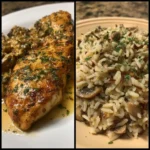
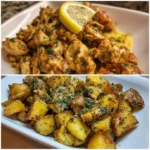
- Classic pairings include buttered egg noodles, creamy polenta, roasted fingerling potatoes, or crusty artisan bread for soaking. For lighter options: lemon-herb quinoa, garlicky sautéed spinach, or grilled asparagus.
- Is there a way to thicken the sauce without cornstarch?
- Yes! Simmer longer to reduce naturally—or stir in 1–2 tbsp mascarpone or crème fraîche at the end for luxurious body and tang. A splash of reduced cream (simmer ¼ cup heavy cream until halved) also works beautifully.
- Can I air-fry the chicken instead of pan-searing?
- You can—but pan-searing delivers irreplaceable fond for the sauce. If using air fryer: coat chicken lightly in oil, season, air-fry at 375°F for 12–14 min (flipping halfway) until 155°F. Then proceed with sauce in a skillet, deglazing with broth to capture any drippings.
- How do I store and reheat leftovers?
- Store chicken and sauce together in an airtight container for up to 3 days. Reheat gently on stove over low heat, stirring often and adding a splash of broth or cream if too thick. Avoid microwaving on high—it can cause sauce to separate.
- Can I freeze this dish?
- Yes—though texture of sauce may soften slightly. Freeze without parsley or lemon juice. Thaw overnight in fridge, reheat slowly on stove, then finish with fresh lemon, parsley, and a knob of butter for brightness and gloss.
Summary
Garlic Butter Chicken with Garlic Parmesan Sauce is a masterclass in balanced indulgence—crisp-edged, juicy chicken enveloped in a silken, deeply aromatic sauce where garlic shines in multiple dimensions, butter lends luxurious mouthfeel, and Parmigiano-Reggiano delivers unmistakable umami depth and subtle nuttiness.
Rooted in time-honored European techniques yet perfected for modern kitchens, it’s endlessly adaptable, nutritionally thoughtful, and guaranteed to deliver restaurant-quality results with the confidence of a well-practiced favorite—every single time.