Introduction
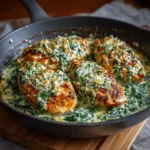
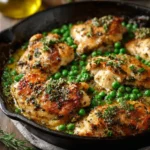
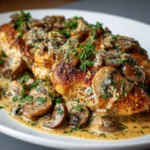
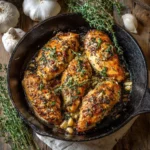
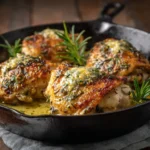
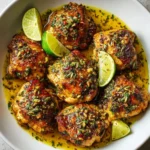
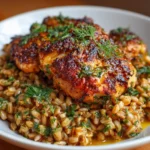
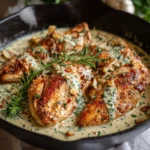
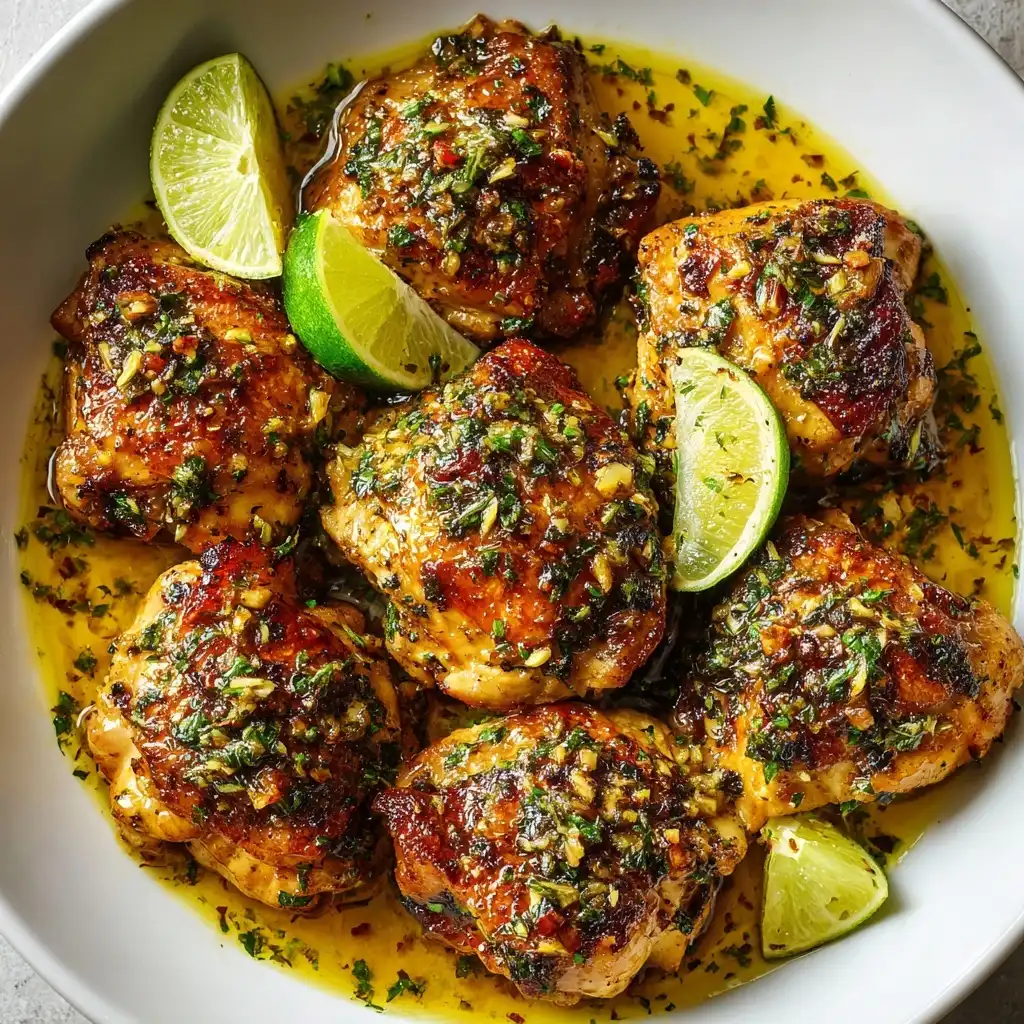
Garlic Butter Chicken with Garlic Lime Butter is a luxurious, restaurant-worthy dish that marries the rich, savory depth of slow-melted butter and roasted garlic with the bright, zesty lift of fresh lime. This isn’t just another weeknight chicken recipe—it’s an aromatic experience that transforms simple boneless, skinless chicken breasts or thighs into tender, golden-brown masterpieces bathed in a glossy, herb-flecked sauce that clings luxuriously to every bite. Whether served over creamy mashed potatoes, fragrant jasmine rice, or alongside blistered cherry tomatoes and charred asparagus, this dish delivers bold flavor without complexity—making it accessible for home cooks while impressing even the most discerning palates. The dual-layered garlic treatment—first roasted (or sautéed) for mellow sweetness and umami depth, then finished with raw or freshly squeezed lime zest and juice for vibrancy—creates a dynamic flavor arc that evolves from rich to refreshing with each mouthful.
The History
While there is no single documented origin for “Garlic Butter Chicken,” its roots are deeply embedded in centuries-old culinary traditions across Europe, the Mediterranean, and Latin America. Butter-based pan sauces enriched with aromatics trace back to classical French beurre blanc and beurre noir techniques refined in the 19th century, where emulsified butter served as both cooking medium and finishing sauce. Garlic, revered since ancient Egyptian and Roman times for both medicinal and culinary purposes, became a cornerstone of Provençal cuisine—especially in dishes like poulet à l’ail (chicken with garlic), where whole heads of garlic were roasted alongside poultry. The citrus twist—particularly lime—reflects cross-cultural adaptation: Mexican and Southeast Asian cuisines long incorporated lime to cut through richness, a practice adopted globally as chefs began fusing techniques. The modern Garlic Butter Chicken trend surged in the early 2010s via food blogs and YouTube, but the addition of Garlic Lime Butter as a distinct, layered component (rather than a simple squeeze at the end) represents a more recent evolution—popularized by chef-driven meal kits and TikTok-optimized recipes emphasizing “umami brightness” and textural contrast. Today, it stands as a beloved hybrid: French technique, Mediterranean soul, Latin zest, and American comfort—all in one skillet.
Ingredients Breakdown
Every element in this recipe serves a precise purpose—no filler, no afterthought. Let’s dissect the ingredients not just by name, but by function and nuance:
- Chicken Breasts or Thighs (1.5 lbs): Boneless, skinless chicken breasts offer lean tenderness; thighs provide superior moisture and deeper flavor due to higher fat content. For best results, use uniform thickness (pound if needed) to ensure even cooking—no dry edges or underdone centers.
- Unsalted Butter (1 cup / 2 sticks, divided): High-fat European-style butter (82–86% butterfat) yields a silkier, more stable emulsion and richer mouthfeel. Unsalted allows full control over sodium levels—critical when balancing acidity and savoriness.
- Fresh Garlic (1 whole head + 2 extra cloves): One roasted head delivers sweet, caramelized, almost nutty depth; the two minced raw cloves added at the end bring pungent, enzymatic sharpness that activates the lime and awakens the palate.
- Lime (3–4 medium): Zest from 2 limes provides intense aromatic oils without bitterness; juice from 3 limes (about ¼ cup) adds clean acidity. Always juice at room temperature and strain to remove pulp and seeds—this ensures clarity and balance in the final butter.
- Heavy Cream (¼ cup): Not for richness alone—its milk solids help stabilize the emulsion, prevent splitting, and add subtle sweetness that rounds out garlic’s bite and lime’s tang.
- Chicken Stock (½ cup, low-sodium): Adds savory depth (umami) and body without overpowering. Homemade stock is ideal; otherwise, choose a high-quality, low-sodium brand to avoid excessive salt buildup.
- Fresh Herbs (¼ cup chopped flat-leaf parsley + optional cilantro or chives): Parsley offers grassy, peppery freshness and visual appeal; cilantro adds a citrusy note that harmonizes with lime, while chives lend mild oniony finesse.
- Smoked Paprika (½ tsp, sweet or mild): A secret layer—not for heat, but for earthy warmth and complexity that mimics slow-roasting and enhances garlic’s natural smokiness.
- Arrowroot Powder (1 tsp): A gluten-free, neutral thickener that creates a velvety, glossy sauce without cloudiness or starchy aftertaste—superior to flour for dairy-based emulsions.
- Sea Salt & Freshly Cracked Black Pepper (to taste): Maldon or flaky sea salt applied in layers (pre-sear, mid-sauce, finish) builds dimension; coarsely ground Tellicherry black pepper contributes floral heat and volatile oils that bloom with warmth.
Step-by-Step Recipe
- Prep & Roast the Garlic: Preheat oven to 400°F (200°C). Slice ¼” off the top of 1 whole garlic head to expose cloves. Drizzle generously with olive oil, wrap tightly in foil, and roast for 45–55 minutes until cloves are deeply golden, soft, and spreadable. Cool slightly, then squeeze pulp into a small bowl. Mash with a fork until smooth—set aside.
- Brine the Chicken (Optional but Recommended): In a bowl, combine 2 cups cold water, 2 tbsp kosher salt, and 1 tbsp brown sugar. Submerge chicken for 20–30 minutes. Rinse thoroughly and pat *extremely* dry with paper towels—this ensures maximum sear and crust development.
- Sear the Chicken: Heat 2 tbsp neutral oil (avocado or grapeseed) in a heavy-bottomed stainless steel or cast-iron skillet over medium-high heat until shimmering. Season chicken generously with salt and pepper. Place in skillet without crowding—work in batches if needed. Sear undisturbed for 5–6 minutes per side until deeply golden brown and internal temperature reaches 155°F (68°C). Transfer to a plate, tent loosely with foil, and rest for 10 minutes (carryover cooking will bring it to 165°F).
- Build the Fond Base: Reduce heat to medium-low. In the same skillet, add 2 tbsp unsalted butter. Once melted, add 2 finely minced raw garlic cloves and ½ tsp smoked paprika. Stir constantly for 30–45 seconds until fragrant—but do *not* let garlic brown. Scrape up all browned bits (fond) with a wooden spoon—this is pure flavor gold.
- De-glaze & Simmer: Pour in ½ cup low-sodium chicken stock, stirring vigorously to dissolve fond. Bring to a gentle simmer and reduce by half (~3–4 minutes), concentrating flavor and removing raw alcohol notes if using wine (optional variation). Stir in roasted garlic paste until fully incorporated.
- Emulsify the Garlic Lime Butter: Reduce heat to low. Whisk in remaining 6 tbsp (¾ stick) cold, cubed unsalted butter—one cube at a time—allowing each to melt fully before adding the next. Once fully incorporated and glossy, whisk in heavy cream, then lime zest and juice (start with juice from 2 limes; reserve the third for adjustment). Stir in 1 tsp arrowroot slurry (arrowroot + 1 tsp cold water) and simmer gently for 1–2 minutes until slightly thickened but still fluid.
- Finish & Serve: Return rested chicken to skillet, spooning sauce over each piece. Simmer gently for 1–2 minutes to reheat and coat. Remove from heat. Stir in ¼ cup chopped fresh parsley and a final pinch of flaky salt. Optional: garnish with lime wedges, extra zest, and micro cilantro.
Tips
- Dry Chicken = Better Sear: Moisture is the enemy of browning. Pat chicken *thoroughly*—even use a clean kitchen towel—and let it sit uncovered in the fridge for 15 minutes pre-seasoning for optimal surface desiccation.
- Butter Temperature Matters: Cold, cubed butter emulsifies smoothly. Warm or melted butter will break the sauce. If sauce looks greasy or separates, immediately remove from heat, add 1 tsp cold water, and whisk vigorously off-heat until re-emulsified.
- Lime Juice Timing: Add lime juice *after* butter is fully emulsified and off direct heat. High heat degrades citric acid and can cause curdling. Always taste and adjust acidity *at the end*—you can always add more lime, but you can’t take it out.
- Rest That Chicken: Skipping the 10-minute rest leads to juice loss when slicing. Resting allows muscle fibers to relax and reabsorb moisture—resulting in succulent, sliceable pieces.
- Skillet Choice: Stainless steel or cast iron gives the best fond for deglazing. Nonstick skillets inhibit browning and produce minimal fond—avoid unless necessary.
- Make-Ahead Magic: Roast garlic up to 3 days ahead; store covered in fridge. Lime zest can be frozen in ice cube trays with a touch of oil. Sauce base (without butter/lime) can be made 1 day ahead—reheat gently and finish with butter and citrus just before serving.
- Rescue a Broken Sauce: If your Garlic Lime Butter splits, pour it into a blender with 1 tsp cold water and 1 tsp Dijon mustard. Blend on low for 10 seconds—mustard acts as an emulsifier to bring it back together.
Variations and Customizations
This recipe is intentionally modular—designed to adapt to dietary needs, pantry constraints, seasonal produce, and global flavor profiles. Here are 12 thoughtfully tested variations:
- Spicy Chipotle-Lime: Add 1–2 tsp minced chipotle in adobo + ½ tsp ground cumin to the fond step. Garnish with crumbled queso fresco.
- Mediterranean Herb: Replace parsley with 2 tbsp each chopped oregano and dill; add 2 tbsp crumbled feta and ¼ cup kalamata olives (pitted) in final simmer.
- Creamy Coconut-Garlic: Substitute half the chicken stock with light coconut milk; stir in 1 tbsp red curry paste with the raw garlic. Finish with Thai basil.
- Umami Bomb: Add 1 tsp white miso paste + ½ tsp soy sauce to the deglaze step; omit smoked paprika. Garnish with toasted sesame seeds and scallions.
- Low-Carb/Keto: Skip arrowroot; thicken with ½ tsp xanthan gum whisked into cold cream before adding. Use ghee instead of butter for dairy sensitivity.
- Vegan Adaptation: Use king oyster mushroom “scallop” steaks or pressed tofu; replace butter with cultured vegan butter and heavy cream with cashew cream; use tamari instead of stock; add nutritional yeast for depth.
- One-Pan Roasted Version: Arrange seared chicken, halved baby potatoes, lemon quarters, and garlic cloves on a sheet pan. Roast at 425°F for 25–30 min. Whisk roasted garlic + lime + melted butter separately; drizzle over everything before serving.
- Grilled Outdoor Style: Marinate chicken in garlic paste, lime zest, olive oil, and herbs for 2 hours. Grill over medium coals. Prepare Garlic Lime Butter separately and brush on during last 2 minutes.
- Sheet Pan Fajitas: Add sliced bell peppers and red onions to the skillet after fond step; sauté until tender-crisp, then proceed with sauce. Serve sizzling in cast iron with warm tortillas.
- Stuffed Chicken Breast: Butterfly chicken breasts, pound thin, and fill with goat cheese, spinach, and roasted garlic before rolling and securing with toothpicks. Sear and finish with sauce.
- Seafood Fusion: Replace chicken with large shrimp or scallops. Reduce sear time to 1–2 min per side; add seafood in final 2 minutes of sauce simmer.
- Breakfast Hash: Dice cooked chicken and toss with roasted sweet potatoes, caramelized onions, and Garlic Lime Butter. Top with fried eggs and avocado slices.
Health Considerations and Nutritional Value
A 6-ounce serving (chicken + ¼ cup sauce) contains approximately:
- Calories: 420–460 kcal (varies by cut and butter amount)
- Protein: 42g (excellent complete protein source; supports muscle maintenance and satiety)
- Fat: 28g (75% unsaturated: monounsaturated from olive oil/garlic, omega-3 precursors from pasture-raised butter; saturated fat ~12g—within USDA daily limits for heart health when balanced)
- Carbohydrates: 3g (naturally low-carb; primarily from lime juice and roasted garlic)
- Fiber: 0.5g (enhance with veggie sides: broccoli adds 5g fiber per cup)
- Vitamins & Minerals: Exceptionally high in Vitamin B6 (45% DV), Selenium (60% DV), and Vitamin C (35% DV from lime). Garlic contributes allicin (anti-inflammatory, cardiovascular support), while lime boosts iron absorption from chicken.
Dietary Notes:
- Gluten-Free: Naturally compliant—verify stock and paprika are certified GF.
- Dairy Considerations: Butter can be substituted with high-fat coconut milk or ghee (clarified butter, lactose-free). Heavy cream may be omitted or replaced with evaporated milk.
- Sodium Control: Use low-sodium stock, limit added salt, and rely on herbs, citrus, and roasted garlic for flavor depth—ideal for hypertension management.
- Weight Management: High-protein, moderate-fat profile promotes satiety and thermogenesis. Portion control (5–6 oz chicken) and pairing with non-starchy vegetables optimize metabolic response.
- Anti-Inflammatory Focus: Garlic, lime, parsley, and black pepper are all polyphenol-rich. To enhance further, add turmeric (¼ tsp) with the paprika and serve with cruciferous veggies.
Ingredients
- 1.5 lbs boneless, skinless chicken breasts or thighs, evenly pounded to ½-inch thickness
- 2 tbsp high-smoke-point oil (avocado, grapeseed, or refined coconut)
- 1 whole head garlic
- 2 additional cloves garlic, finely minced
- 1 cup (2 sticks) unsalted butter, cold and cubed — divided
- 3–4 medium limes (for 2 tbsp zest + ¼ cup fresh juice)
- ¼ cup heavy cream (or full-fat coconut milk for dairy-free)
- ½ cup low-sodium chicken stock
- 1 tsp arrowroot powder + 1 tsp cold water (slurry)
- ½ tsp smoked paprika (sweet or mild)
- ¼ cup fresh flat-leaf parsley, finely chopped
- Flaky sea salt and freshly cracked black pepper, to taste
- Optional garnishes: lime wedges, extra zest, micro cilantro, toasted sesame seeds
Directions
- Preheat oven to 400°F (200°C). Slice top off garlic head, drizzle with olive oil, wrap in foil, and roast 45–55 minutes. Cool, squeeze out cloves, and mash into a smooth paste. Set aside.
- (Optional) Brine chicken in 2 cups water + 2 tbsp kosher salt + 1 tbsp brown sugar for 20–30 minutes. Rinse and pat *extremely* dry.
- Heat oil in large skillet over medium-high heat. Season chicken with salt and pepper. Sear 5–6 minutes per side until golden and internal temp reaches 155°F. Rest 10 minutes.
- Reduce heat to medium-low. Add 2 tbsp butter, minced garlic, and smoked paprika. Cook 30–45 sec until fragrant. Scrape up fond.
- Pour in chicken stock. Simmer 3–4 minutes until reduced by half. Stir in roasted garlic paste.
- Reduce heat to low. Whisk in remaining 6 tbsp butter, one cube at a time, until glossy and emulsified.
- Whisk in heavy cream, lime zest, and juice from 2 limes. Stir in arrowroot slurry. Simmer gently 1–2 minutes until lightly thickened.
- Return chicken to skillet. Spoon sauce over. Simmer gently 1–2 minutes. Remove from heat.
- Stir in parsley and final pinch of flaky salt. Adjust lime juice if needed. Serve immediately with garnishes.
FAQ
- Can I use garlic powder instead of fresh?
- No—garlic powder lacks the enzymatic compounds (alliinase) that create allicin, and cannot replicate the sweet depth of roasted garlic or the bright punch of raw garlic. It will taste flat and dusty. Stick with fresh for authenticity and nutrition.
- Why does my sauce break or look greasy?
- Most commonly caused by overheating the butter or adding it too quickly. Emulsification requires gradual incorporation of cold fat into warm liquid. Also, lime juice added while sauce is boiling destabilizes proteins. Always finish off heat and whisk gently.
- Can I make this ahead and reheat?
- Yes—but reheat *very gently* over low heat, stirring constantly. Do not boil. For best texture, prepare components separately: roast garlic, cook chicken, and make sauce base (without butter/lime) up to 1 day ahead. Emulsify butter and citrus just before serving.
- What’s the best side dish?
- For balance: creamy mashed cauliflower (low-carb), lemon-dill quinoa (protein-rich), or sautéed garlicky kale (fiber + antioxidants). Avoid overly starchy sides unless portion-controlled—this dish is rich enough to stand on its own.
- Is there dairy in Garlic Lime Butter?
- Yes—butter and heavy cream are dairy-derived. However, it’s naturally gluten-free, grain-free, and nut-free. Vegan versions use cultured plant butter and cashew cream with excellent results.
- How do I store leftovers?
- In an airtight container in the refrigerator for up to 3 days. Reheat gently on stove (not microwave) with 1 tsp water or broth to revive emulsion. Freeze sauce separately for up to 2 months—thaw overnight in fridge and re-emulsify before use.
- Can I use bottled lime juice?
- Not recommended. Bottled juice lacks volatile citrus oils and contains preservatives that mute brightness and introduce off-flavors. Fresh lime is non-negotiable for authentic balance.
- My chicken turned out dry—what went wrong?
- Overcooking is the #1 culprit. Pull chicken at 155°F—not 165°F—and rest. Also, skipping the brine or failing to dry thoroughly prevents proper sear, leading to steam instead of crust and moisture loss.
- Can I air fry the chicken instead of pan-searing?
- Absolutely—spray chicken with oil, season, and air fry at 375°F for 12–14 minutes (flipping halfway) until 155°F. Then finish in skillet with sauce for 2 minutes to absorb flavor and glaze.
- What wine pairs well with this dish?
- A crisp, high-acid white: Albariño (bright citrus), Grüner Veltliner (peppery green notes), or unoaked Chardonnay. For red lovers, try a chilled Beaujolais-Villages—its juicy fruit and low tannins won’t clash with lime.
Summary
Garlic Butter Chicken with Garlic Lime Butter is a masterclass in layered flavor—melding slow-roasted garlic’s caramelized sweetness, raw garlic’s vibrant bite, and fresh lime’s electric acidity into a velvety, herb-kissed sauce that elevates humble chicken into something extraordinary.
With meticulous technique, smart substitutions, and attention to ingredient integrity, it’s a deeply satisfying, nutritionally robust, and endlessly adaptable centerpiece—equally at home on a weeknight table or a celebratory dinner menu.